Mobile Best in category 1 results Location Based Game AI Tool

Popular AI tools in the Location Based Game field of Mobile include Peridot, etc., helping you quickly improve efficiency.

Peridot

Peridot

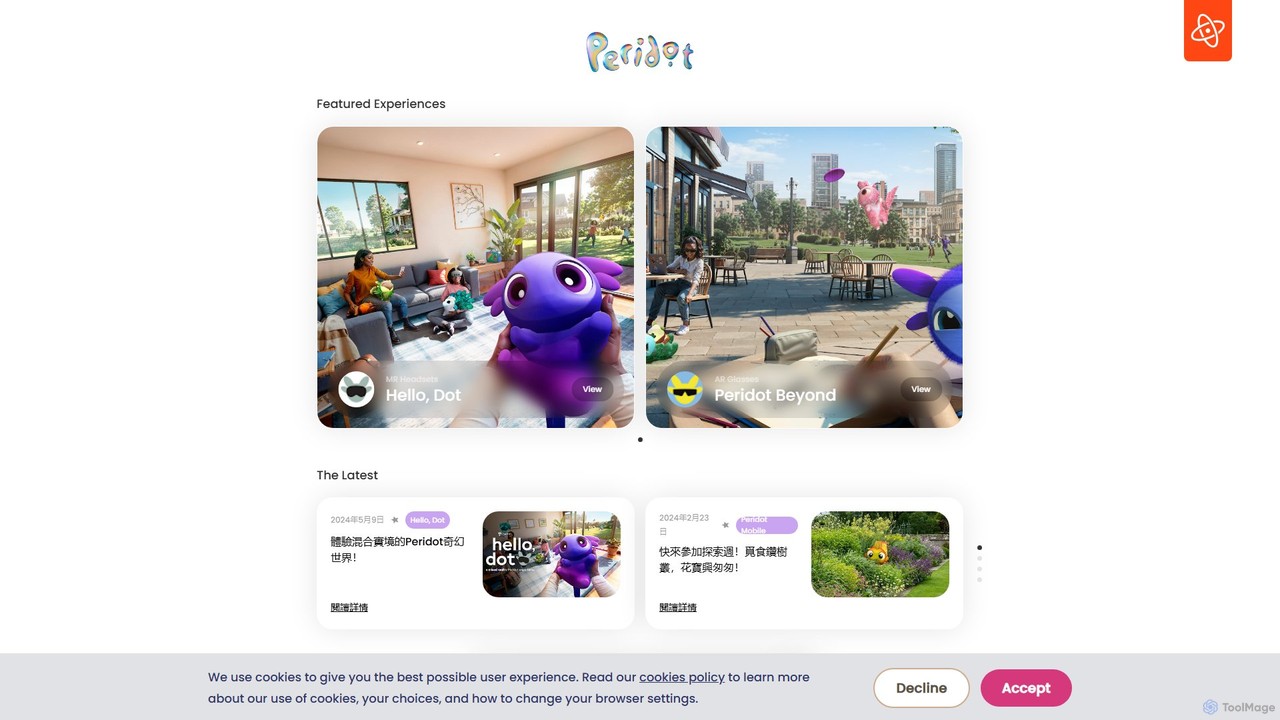
A real-world augmented reality pet game from Niantic. Raise, care for, and breed one-of-a-kind virtual pets, each with …

9.0K

About Location Based Game

Location Based Games are a unique category of mobile games that integrate digital gameplay with the physical world. These games leverage technologies like GPS, augmented reality (AR), and real-time mapping to create interactive experiences tied to players' actual geographical locations. They encourage physical movement and exploration, transforming everyday environments into dynamic game boards and fostering a blend of virtual and real-world engagement.

Core Features

  • Real-world Mapping & GPS Integration: Utilizes global positioning systems to track player location and overlay game elements onto real-world maps.
  • Augmented Reality (AR) Elements: Overlays digital characters, objects, or information onto the live camera view of the physical environment.
  • Location-triggered Events: Game quests, items, or encounters are activated when players reach specific physical locations.
  • Physical Exploration & Movement: Actively encourages players to walk, travel, and discover new places in their surroundings.
  • Social & Community Interaction: Often features multiplayer elements, allowing players to meet, cooperate, or compete in shared physical spaces.

Applicable Scenarios

Location Based Games are widely used for urban exploration, turning city streets into adventure zones where players discover hidden lore or virtual treasures. They also serve as engaging tools for promoting physical activity, gamifying walks or runs by tying progress to in-game rewards. Furthermore, these games can foster local communities, bringing people together at specific landmarks for shared gaming experiences.

How to Choose

When selecting a Location Based Game, consider the core gameplay mechanics, such as exploration, combat, or collection, to match your preferences. Evaluate the quality of its augmented reality features and how seamlessly they integrate with the real world. Assess the size and activity of its player community for social engagement, and check reviews regarding battery consumption and data usage, as these games can be resource-intensive.

Location Based GameUse Cases

1

Enhancing Urban Exploration & Tourism

Tourists and urban explorers can use Location Based Games to discover hidden gems, historical sites, or local lore. By following in-game maps and quests tied to real-world landmarks, players are guided through cities, uncovering virtual artifacts or completing challenges that reveal fascinating facts about their surroundings, turning a simple walk into an engaging adventure and enriching their travel experience.

2

Promoting Physical Activity & Fitness

Individuals seeking to make exercise more engaging can leverage Location Based Games. These games gamify physical activity by requiring players to walk, run, or cycle to specific real-world locations to collect items, battle creatures, or complete missions. This approach transforms routine workouts into exciting quests, motivating users to stay active and explore their neighborhoods while achieving fitness goals.

3

Community Building & Social Interaction

Location Based Games often feature multiplayer or cooperative elements that encourage social interaction. Players might need to meet up at specific real-world locations to participate in raids, trade virtual items, or collaborate on large-scale in-game events. This fosters a sense of community, allowing players to form friendships, organize meetups, and engage in shared experiences beyond the digital screen, strengthening local bonds.

4

Educational & Cultural Engagement

Educational institutions or cultural organizations can develop Location Based Games to offer interactive learning experiences. For instance, a museum could create a game where visitors solve puzzles by finding specific exhibits, or a city could launch a game guiding users through historical districts with AR overlays providing context. This makes learning about history, art, or science more immersive and engaging for all ages.

5

Brand Promotion & Experiential Marketing

Businesses can utilize Location Based Games for innovative marketing campaigns. Brands can create interactive experiences where customers visit physical store locations to unlock exclusive content, virtual discounts, or participate in mini-games. This drives foot traffic, increases brand engagement, and offers a memorable, gamified experience that connects the digital brand presence with real-world customer interaction, enhancing loyalty and sales.

6

Real-world Scavenger Hunts & Escape Games

Event organizers and entertainment companies can design immersive real-world scavenger hunts or escape games using location-based technology. Participants follow clues on their mobile devices, which direct them to physical spots where they must solve puzzles, interact with AR elements, or find hidden objects. This creates highly engaging team-building activities, unique tourist attractions, or memorable social events that blend digital challenges with physical exploration.

Location Based GameFrequently Asked Questions