Music Best in category 3 results Discovery AI Tool

Popular AI tools in the Discovery field of Music include Shazam、wutang_name_generator、AI Hits, etc., helping you quickly improve efficiency.

Free
wutang_name_generator

wutang_name_generator

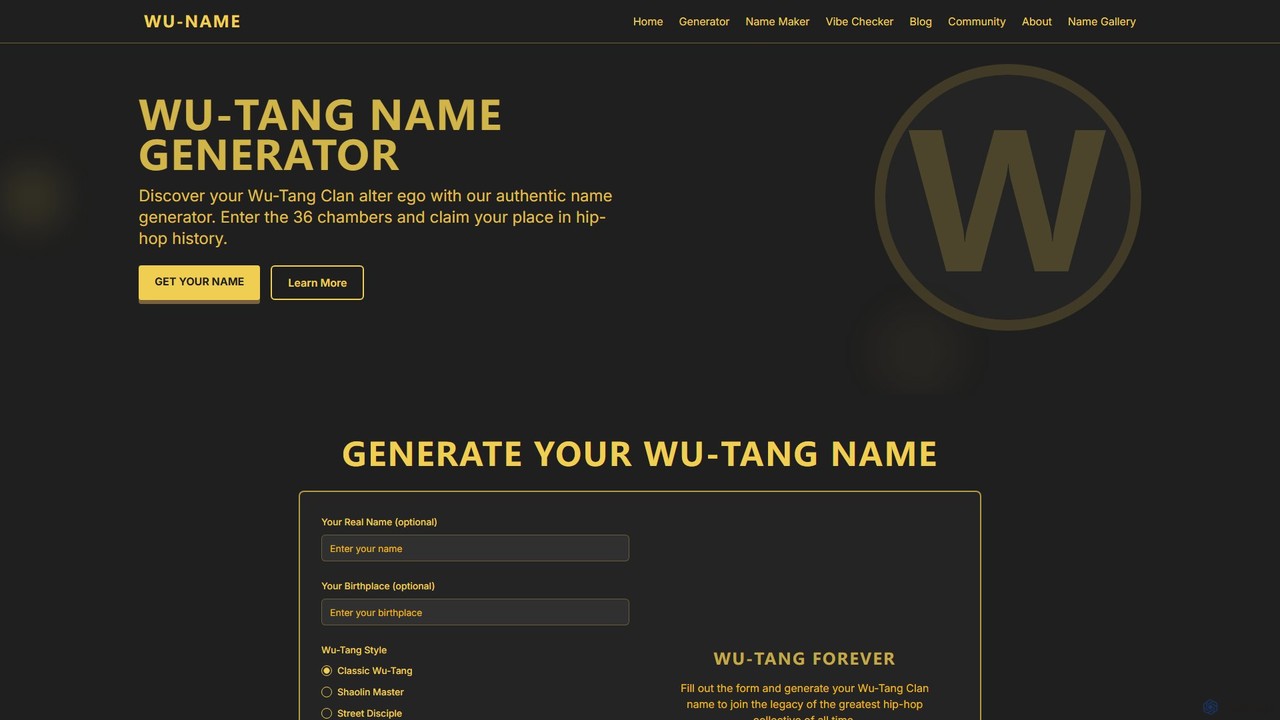
An AI-powered platform for true hip-hop fans. Generate your authentic Wu-Tang Clan alter ego with various styles, or …

11.0K
Free
Shazam

Shazam

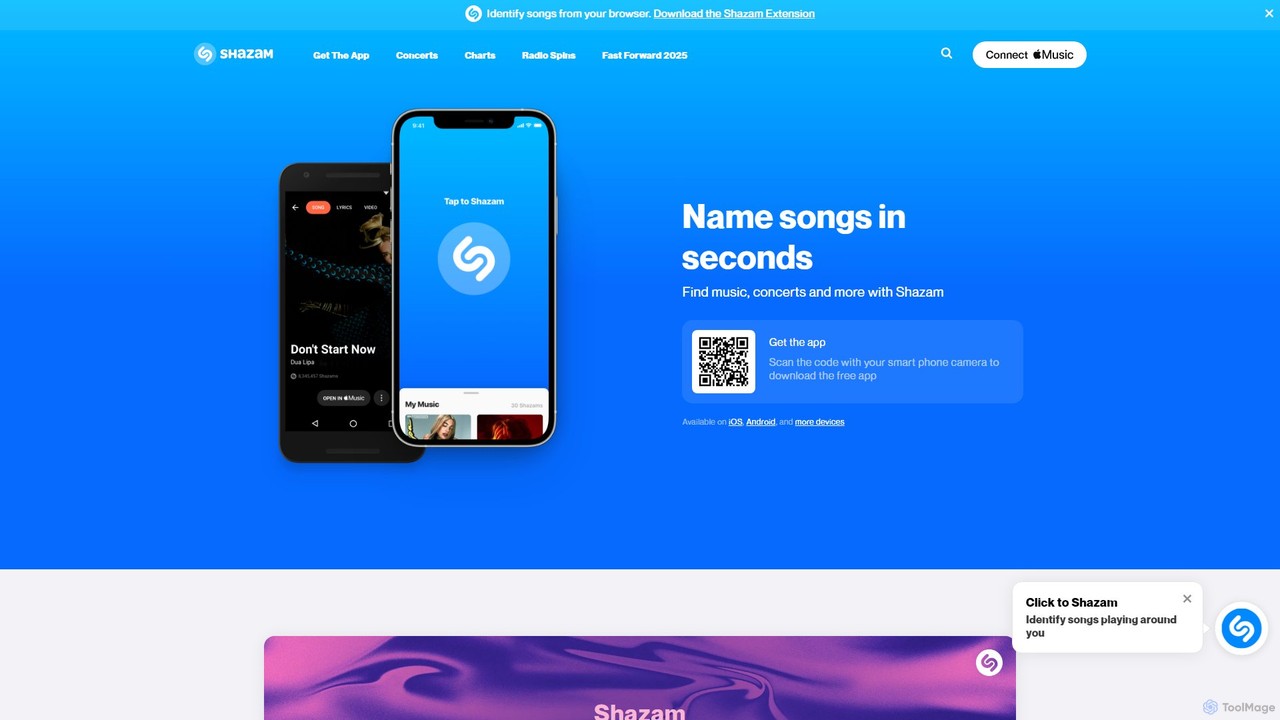
Shazam is a world-renowned application that instantly identifies music playing around you. Beyond song recognition, it provides lyrics, …

17.9M
Free
AI Hits

AI Hits

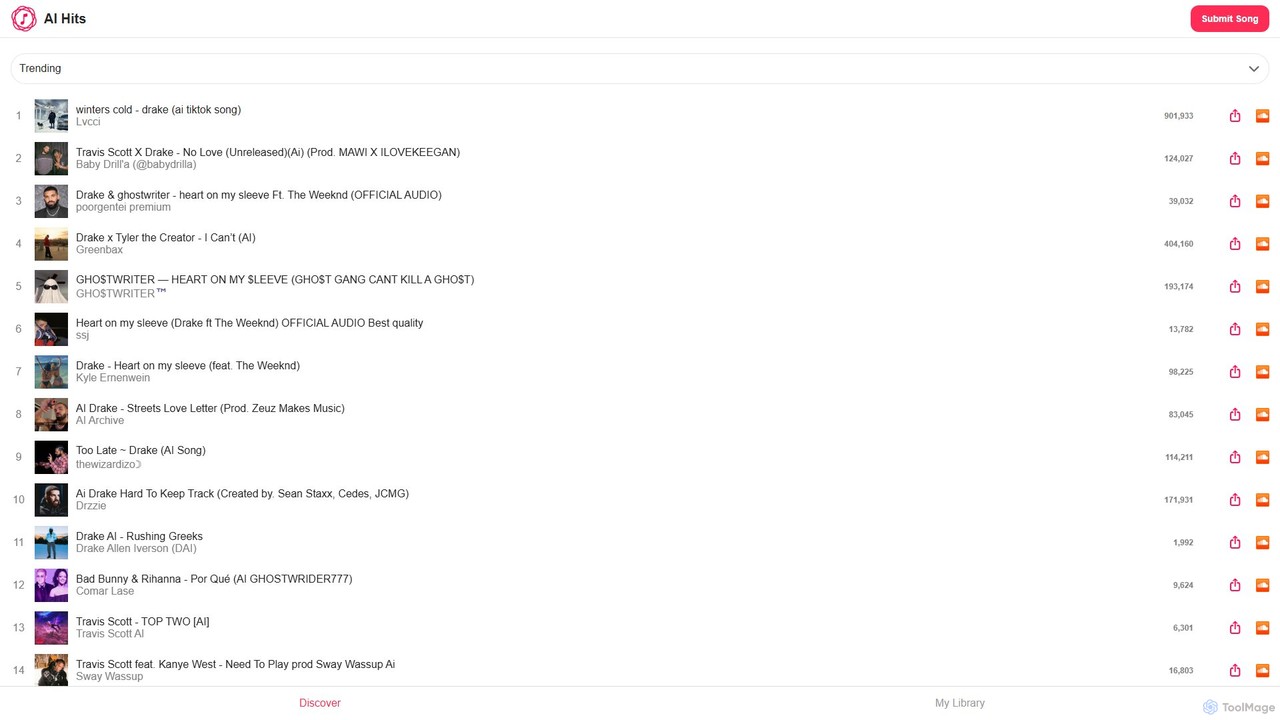
AI Hits is a premier charting and discovery platform dedicated to AI-generated music. It curates and ranks the …

2.9K

About Discovery

AI Music Discovery tools are intelligent platforms designed to analyze user listening habits and vast music catalogs to recommend new songs, artists, and playlists. These tools utilize machine learning algorithms, such as collaborative filtering and content-based analysis, to understand sonic qualities and user preferences. Their primary value lies in creating highly personalized music exploration experiences, helping users break out of their listening bubbles and find their next favorite track. They act as expert music curators, powered by data to connect listeners with relevant music effortlessly.

Core Features

  • Personalized Recommendations: Generates suggestions based on listening history, liked songs, and user-provided feedback.
  • Contextual Playlist Generation: Creates playlists tailored to specific moods, activities (like workouts or focus), or events.
  • Similar Artist & Track Finder: Identifies and suggests music with similar sonic textures, genres, or moods to a given input.
  • Trend & Novelty Detection: Surfaces emerging artists, niche genres, and trending tracks before they become mainstream.

Use Cases

These tools are valuable for casual listeners seeking to broaden their musical tastes, music curators and DJs looking for fresh tracks for their sets, and A&R professionals scouting for new talent. For example, a content creator can find the perfect background music for a video by specifying a mood, while a music enthusiast can discover underground artists in a specific subgenre.

How to Choose

When selecting an AI Music Discovery tool, consider its integration capabilities with your primary streaming service (e.g., Spotify, Apple Music). Evaluate the sophistication of its recommendation algorithm—does it allow for fine-tuning and feedback? Also, assess the user interface for ease of use and the tool's specific focus, whether it's on new releases, deep catalog exploration, or niche genres.

DiscoveryUse Cases

1

Crafting the Perfect Workout Playlist

A fitness enthusiast preparing for a marathon needs a dynamic playlist to match their training intensity. Instead of spending hours manually searching for songs, they use an AI Music Discovery tool. They input parameters like '140-160 BPM', 'electronic & rock genres', and '90-minute duration'. The AI instantly analyzes millions of tracks and generates a seamless, high-energy playlist that builds in intensity, helping them stay motivated and focused throughout their run without repetitive tracks.

2

Discovering Underground Artists for a Music Blog

A music blogger focuses on the niche genre of 'dungeon synth'. To find new, undiscovered artists for their weekly feature, they use an AI discovery tool. They provide a few well-known artists in the genre as a seed. The AI then scours platforms like Bandcamp and SoundCloud, analyzing audio features and metadata to identify dozens of similar-sounding but lesser-known artists. This allows the blogger to consistently feature fresh and authentic content, establishing their blog as a go-to source for the genre.

3

Setting the Mood for a Dinner Party

A host is planning a dinner party and wants to create the perfect ambiance with background music. They need something that is sophisticated but not distracting. Using an AI Music Discovery tool, they input prompts like 'chill instrumental jazz', 'background dinner music', and 'no vocals'. The AI curates a multi-hour playlist that flows seamlessly, maintaining a consistent mood throughout the evening. This saves the host from the stress of manually building a playlist and ensures the music enhances the social atmosphere rather than overpowering it.

4

A&R Scouting for New Talent

An A&R representative at a record label is tasked with finding the next breakout pop artist. They use an advanced AI discovery platform that analyzes streaming data, social media engagement, and playlist placements in real-time. The tool flags artists who show rapid growth in listenership and have a sonic profile similar to current chart-toppers but with a unique twist. This data-driven approach allows the representative to identify promising talent months before they hit the mainstream radar, giving their label a competitive edge in signing new artists.

5

Expanding Musical Horizons Beyond Filter Bubbles

A long-time music lover feels stuck in a 'filter bubble', where their streaming service only recommends music very similar to what they already listen to. Seeking novelty, they use an AI Music Discovery tool specifically designed to introduce diversity. The tool analyzes their listening history to understand their core tastes but then intentionally suggests 'adjacent' genres, artists from different countries, or older music that influenced their current favorites. This helps the user break their listening patterns and discover entire new realms of music they enjoy but would never have found otherwise.

6

Finding Royalty-Free Music for Video Content

A YouTube creator needs background music for their weekly vlogs. Searching through vast royalty-free libraries is time-consuming. They use an AI discovery tool integrated with these libraries. They can search using natural language prompts like 'uplifting and optimistic corporate music' or by providing a reference track from a popular artist. The AI returns a curated list of licensable tracks that match the mood and sonic profile, complete with information on usage rights. This process reduces the search time from hours to minutes, allowing the creator to focus on video production.

DiscoveryFrequently Asked Questions