Music Best in category 1 results Chord Recognition AI Tool

Popular AI tools in the Chord Recognition field of Music include Lamucal, etc., helping you quickly improve efficiency.

Lamucal

Lamucal

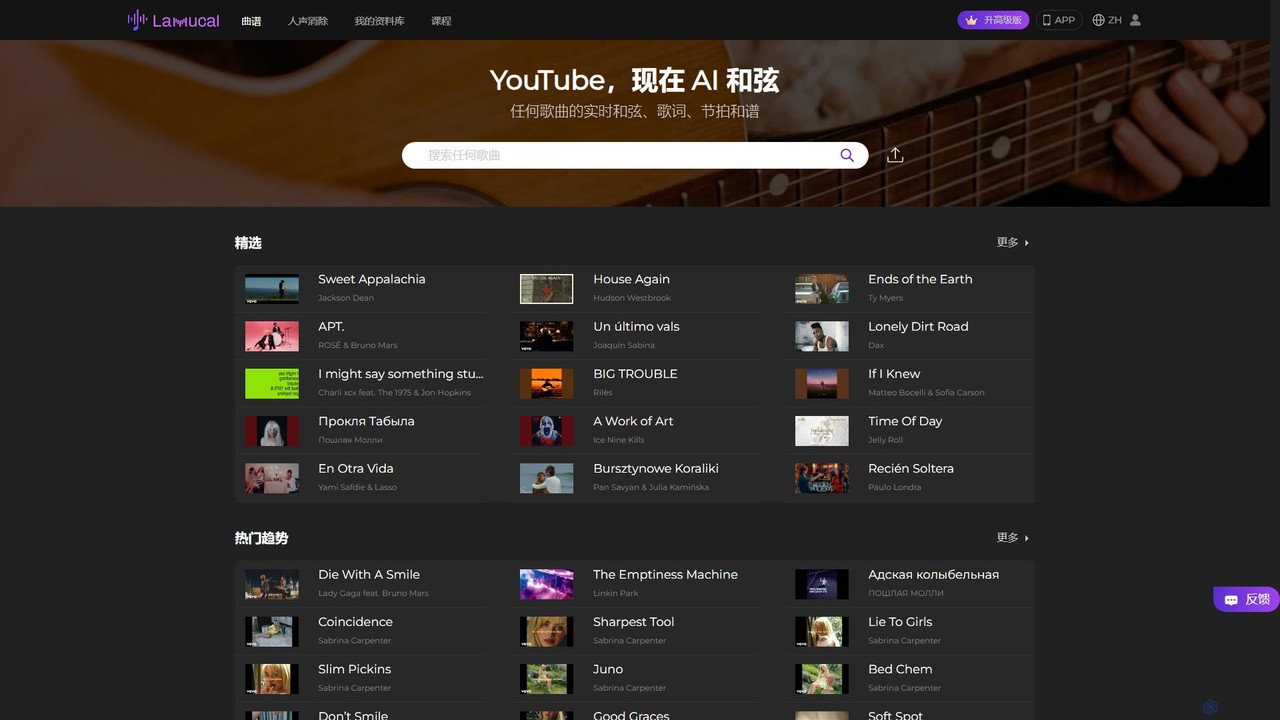
Lamucal is an AI-powered music tool that automatically generates accurate chords and lyrics for any song from audio …

160.8K

About Chord Recognition

Chord Recognition tools are AI-powered applications designed to automatically identify and label musical chords from audio input. These tools leverage advanced machine learning algorithms and digital signal processing to analyze pitch, timbre, and rhythm, translating complex sound waves into recognizable harmonic structures. They provide invaluable assistance for musicians, producers, and educators by simplifying the process of understanding and transcribing music. This technology significantly enhances music analysis, learning, and creative workflows.

Core Features

  • Real-time Analysis: Instantly identifies chords as music plays or is performed.
  • Multi-instrument Support: Accurately recognizes chords from various instruments like guitar, piano, and full ensembles.
  • Chord Progression Display: Visualizes the sequence of chords, aiding in harmonic analysis.
  • Export Options: Allows exporting identified chords in formats like MIDI, text, or notation for further use.
  • Accuracy & Granularity: Distinguishes between major, minor, seventh, and more complex chord types with high precision.

Use Cases

Musicians use these tools for transcribing songs, identifying harmonies in recordings, and practicing new pieces. Music producers integrate them into their workflow to analyze samples, create remixes, or build new compositions based on existing harmonic structures. Educators employ them to demonstrate chord theory and progression visually to students, making complex concepts more accessible.

How to Choose

When selecting a Chord Recognition tool, consider its accuracy across different genres and instrumentations, especially for real-time performance. Evaluate the range of chord types it can identify and its ability to handle complex harmonies. Check for compatibility with your existing audio setup and desired output formats, such as MIDI or sheet music. User interface and ease of integration into your workflow are also crucial for a seamless experience.

Chord RecognitionUse Cases

1

Music Transcription for Composers

Composers and arrangers can use Chord Recognition tools to quickly transcribe complex musical pieces or identify the harmonic structure of existing songs. By feeding an audio track into the tool, they receive an instant breakdown of chords and their progressions, saving hours of manual listening and notation. This allows them to focus on creative adaptation, reharmonization, or learning from masterworks, significantly accelerating the initial analysis phase of their work.

2

Instrument Learning and Practice Aid

Musicians learning a new instrument or song can utilize Chord Recognition tools as a practice aid. By playing along with a song, the tool can display the chords in real-time, helping learners understand the harmonic context and improve their ear training. This immediate visual feedback reinforces learning, making it easier to grasp complex chord changes and develop a stronger sense of musicality, especially for guitarists and pianists.

3

DJ and Music Producer Workflow Enhancement

DJs and music producers frequently work with samples and loops from various sources. Chord Recognition tools allow them to quickly identify the harmonic content of these audio snippets. This is crucial for seamless mixing, remixing, and creating mashups, ensuring that different musical elements are harmonically compatible. It streamlines the creative process by eliminating guesswork and enabling more informed decisions about key and chord matching.

4

Music Education and Theory Visualization

Music educators can leverage Chord Recognition tools to provide students with a dynamic and interactive way to learn music theory. By analyzing live performances or recorded examples, the tools can visually display chord names and progressions, helping students connect auditory experiences with theoretical concepts. This visual aid makes abstract harmonic principles more concrete, improving comprehension and engagement in music classrooms or online learning environments.

5

Songwriting and Arrangement Inspiration

Songwriters and arrangers can use Chord Recognition tools to analyze the harmonic language of their favorite songs or explore new chord voicings. By inputting a melody or a simple chord progression, the tool can suggest alternative harmonies or provide insights into common patterns used in different genres. This acts as a creative springboard, helping artists overcome writer's block and discover fresh harmonic ideas for their compositions.

6

Automated Karaoke Track Creation

For karaoke enthusiasts or content creators, Chord Recognition tools can automate the process of adding chord overlays to song lyrics. Instead of manually figuring out each chord change, the AI can analyze the vocal track or full mix and generate accurate chord symbols synchronized with the lyrics. This significantly speeds up the production of karaoke videos or interactive lyric displays, making music more accessible for sing-alongs.

Chord RecognitionFrequently Asked Questions