ToolMage
Sign in

Best 2 Beat Making AI tools for Music

Popular Beat Making AI tools in Music include Overtune and 99beats, helping you work more efficiently.

Overtune
Freemium

Overtune

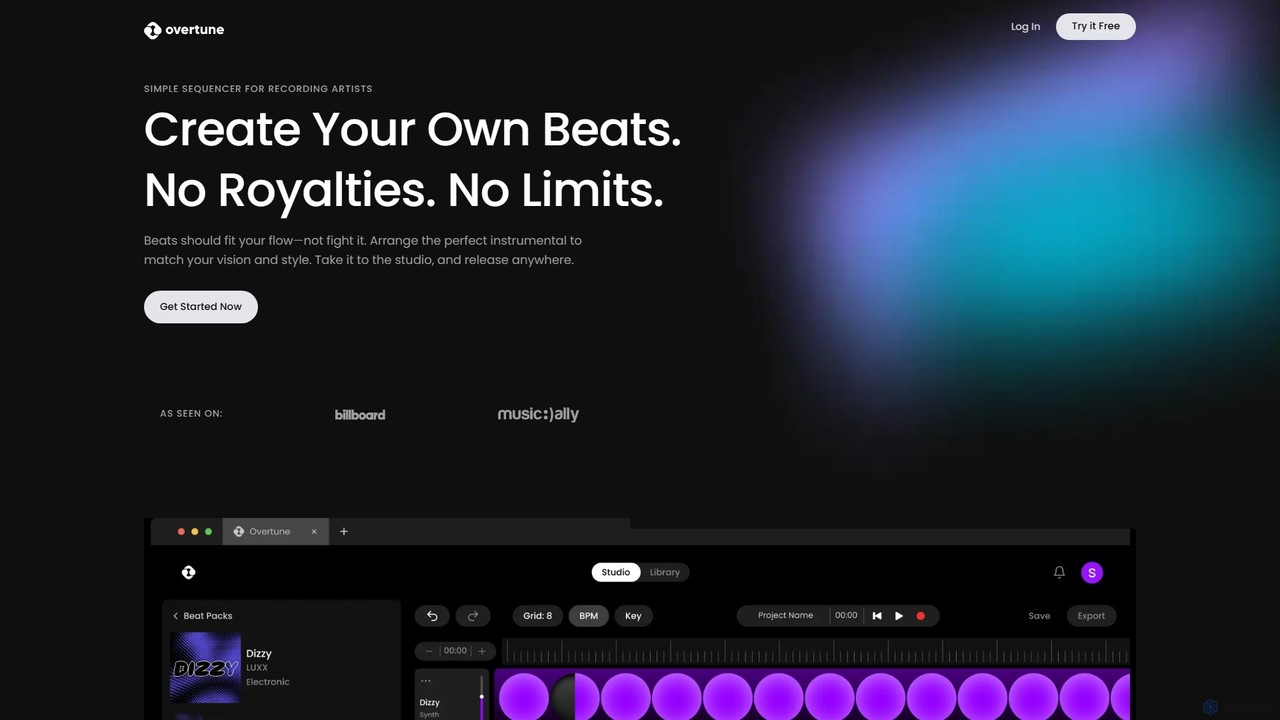
Overtune is an intuitive beatmaker and music sequencer designed for singers, rappers, and content creators. It allows users to create custom, royalty-free beats in minutes using a vast library of professionally produced loops and a simple drag-and-drop interface. No music theory or technical skills are required, making music production accessible to everyone.

Music Generation
Visits 11.6KFavorites 103Likes 94
99beats
Freemium

99beats

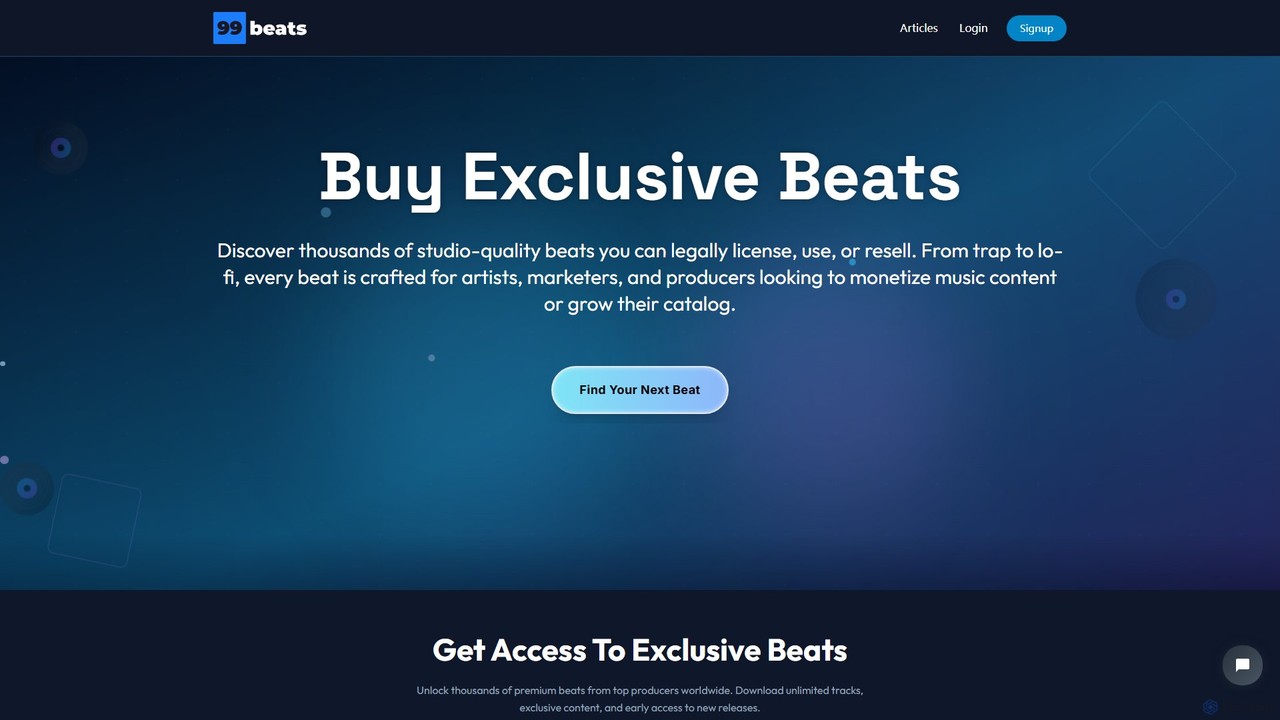
99beats is a premier marketplace offering thousands of exclusive, studio-quality beats for artists, producers, and content creators. Discover and legally license music across diverse genres like Hip Hop, Drill, Trap, and Lo-fi to monetize your content or expand your music catalog.

Music Production
Visits 8.8KFavorites 105Likes 116

About Beat Making

AI Beat Making tools are specialized applications that leverage artificial intelligence to assist in the creation of rhythmic and instrumental backing tracks. These tools utilize machine learning algorithms to generate drum patterns, basslines, melodies, and harmonies, often based on user input or stylistic preferences. They empower musicians, producers, and content creators to rapidly prototype ideas, overcome creative blocks, and produce high-quality instrumental pieces with unprecedented efficiency. This sub-category within AI Music tools focuses specifically on the foundational elements of a track.

Core Features

  • AI Drum Pattern Generation: Automatically creates diverse drum beats and fills across various genres, from hip-hop to electronic.
  • Melody and Harmony Generation: Suggests or generates original melodic lines and harmonic progressions that fit a chosen key and style.
  • Bassline Creation: Develops complementary basslines that groove with the drums and melodies, adding depth to the track.
  • Arrangement Assistance: Helps structure entire instrumental pieces, suggesting intros, verses, choruses, and outros.
  • Style and Genre Adaptation: Allows users to specify musical genres, moods, or influences for AI-generated content.

Use Cases

Independent artists can quickly generate instrumental tracks for their vocal compositions, experimenting with different styles without extensive production knowledge. Content creators can produce unique background music for videos or podcasts, avoiding copyright issues and saving time. Music producers use these tools to break creative blocks, rapidly prototype ideas, and augment their existing workflows with AI-generated elements.

How to Choose

When selecting an AI Beat Making tool, consider its genre versatility and the range of musical styles it supports. Evaluate the customization options for generated elements, such as tempo, key, and instrument choices. Look into its integration capabilities with existing DAWs (Digital Audio Workstations) and other music software. Finally, assess the output quality and the ability to export in standard audio formats for further mixing and mastering.

Beat Making use cases

1

Rapid Instrumental Prototyping

Music producers and composers can quickly generate multiple instrumental ideas for a new song. By inputting a few parameters like genre, tempo, and mood, the AI creates diverse drum patterns, basslines, and melodic loops, allowing artists to rapidly audition different foundational elements before committing to a specific direction. This significantly speeds up the initial creative phase.

2

Background Music for Content Creators

YouTubers, podcasters, and video editors often need unique, royalty-free background music. AI Beat Making tools enable them to generate custom instrumental tracks tailored to the specific mood and length of their content. This avoids generic stock music, ensures originality, and saves time and cost associated with licensing or hiring composers.

3

Overcoming Creative Blocks for Musicians

When musicians face a creative slump, AI beat makers can provide fresh inspiration. By generating unexpected rhythmic or melodic ideas, the tools offer new starting points for compositions. Artists can then modify, expand, and personalize these AI-generated elements, transforming them into entirely original pieces.

4

Learning and Experimentation for Aspiring Producers

Beginners in music production can use these tools to understand how different musical elements interact. By analyzing AI-generated beats and melodies, they can learn about rhythm, harmony, and arrangement principles. It provides a hands-on way to experiment with various genres and production techniques without needing advanced theoretical knowledge.

5

Custom Soundtracks for Game Developers

Indie game developers often have limited budgets for music. AI Beat Making tools allow them to generate dynamic, adaptive instrumental tracks that fit different game environments or emotional states. They can create unique loops and variations for background music, battle themes, or menu screens, enhancing the player's immersive experience.

6

Personalized Workout or Study Playlists

Individuals seeking specific types of instrumental music for activities like working out, studying, or meditation can use AI beat makers. They can generate custom tracks based on desired BPM, energy levels, or ambient qualities, creating a personalized audio environment that perfectly matches their activity without relying on pre-made playlists.

Beat Making FAQ

What are AI Beat Making tools?

AI Beat Making tools are software applications that use artificial intelligence to help create instrumental music, focusing on rhythms, melodies, and harmonies. They leverage machine learning to generate drum patterns, basslines, and melodic ideas, often based on user-defined parameters like genre, tempo, and mood. These tools aim to streamline the music production process and offer creative assistance to musicians and producers.

How do AI Beat Making tools differ from traditional DAWs?

Traditional DAWs (Digital Audio Workstations) like Ableton Live or Logic Pro provide a comprehensive environment for recording, editing, mixing, and mastering music, requiring manual input for composition. AI Beat Making tools, while sometimes integrated into DAWs, specifically focus on generating musical ideas and patterns automatically using algorithms. They act as a creative assistant or idea generator, rather than a full production suite, complementing a DAW's capabilities.

What types of musical elements can AI Beat Making tools generate?

AI Beat Making tools are capable of generating a wide range of instrumental elements. This typically includes diverse drum patterns (kicks, snares, hi-hats, percussion), basslines that complement the rhythm and harmony, and melodic phrases or loops. Some advanced tools can also suggest harmonic progressions, chord voicings, and even basic song structures, providing a complete instrumental foundation.

Who can benefit most from using AI Beat Making tools?

A diverse group of individuals can benefit from AI Beat Making tools. Independent musicians and vocalists can quickly create backing tracks. Content creators (YouTubers, podcasters) can generate unique background music. Music producers use them for rapid prototyping and overcoming creative blocks. Aspiring producers find them valuable for learning and experimentation, while game developers can create custom soundtracks efficiently.

Can AI-generated beats be customized and integrated into existing projects?

Yes, customization and integration are key aspects of most AI Beat Making tools. Users can typically adjust parameters like tempo, key, instrument sounds, and intensity of the generated elements. The output is usually exportable in standard audio formats (like WAV, MP3) or MIDI files, allowing seamless import into any DAW. This enables producers to further edit, mix, and layer the AI-generated content with their own recordings.