No Code & Low Code Best in category 5 results Application Builder AI Tool

Popular AI tools in the Application Builder field of No Code & Low Code include autocoder、GRID、MAGE、CerebrasCoder、Olive, etc., helping you quickly improve efficiency.

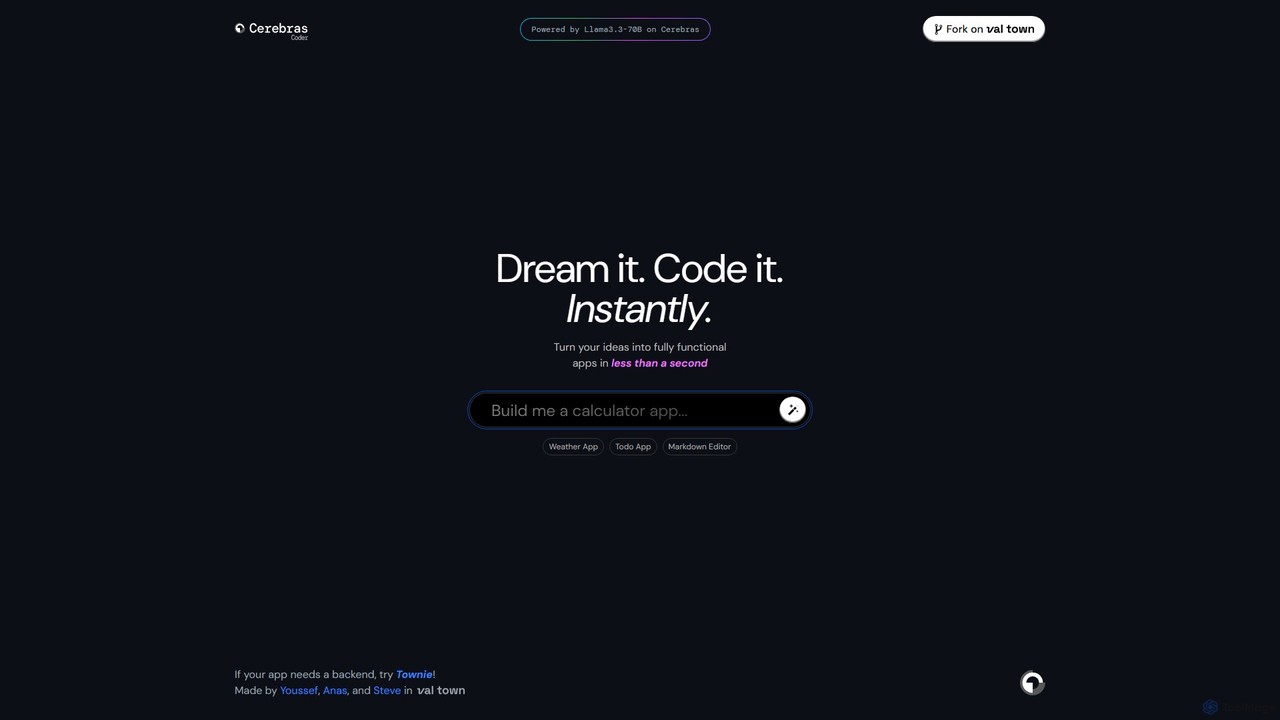
CerebrasCoder

CerebrasCoder

CerebrasCoder is an AI-powered tool that instantly transforms natural language prompts into fully functional applications. Describe your idea, …

2.2K
Free
MAGE

MAGE

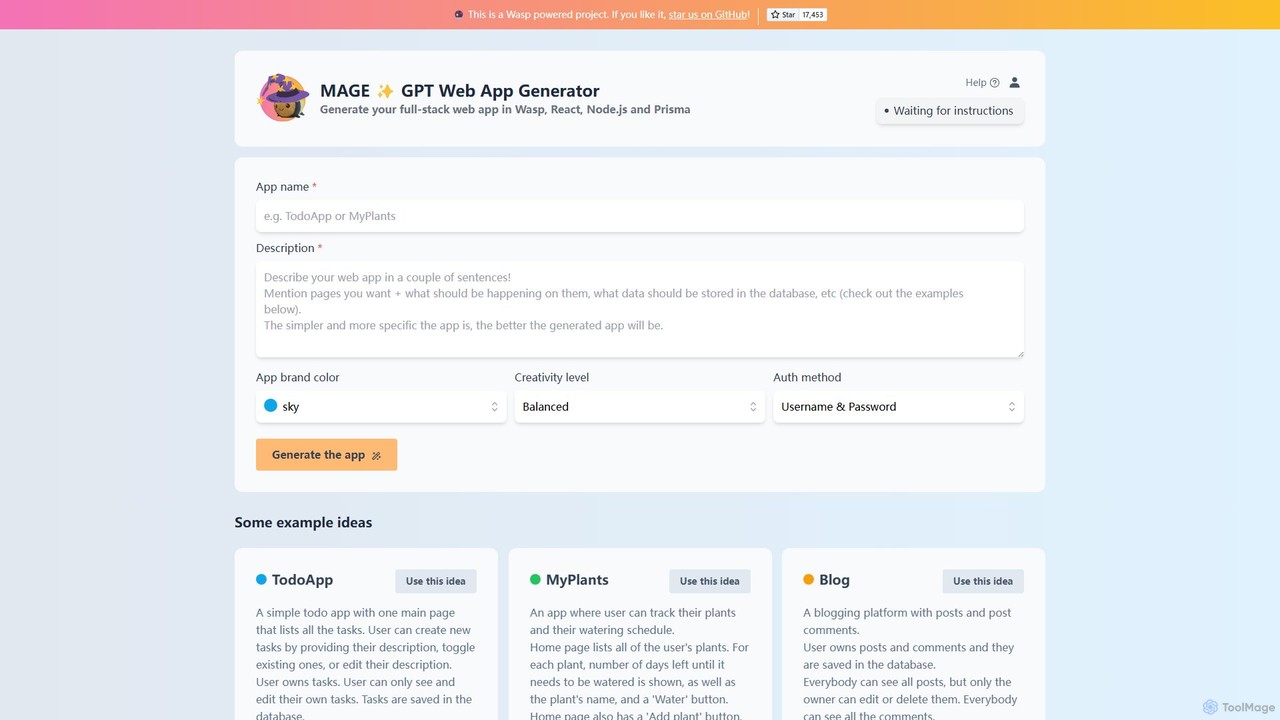
MAGE is a free AI-powered generator that creates full-stack web applications from simple text descriptions. Built on the …

8.5K
GRID

GRID

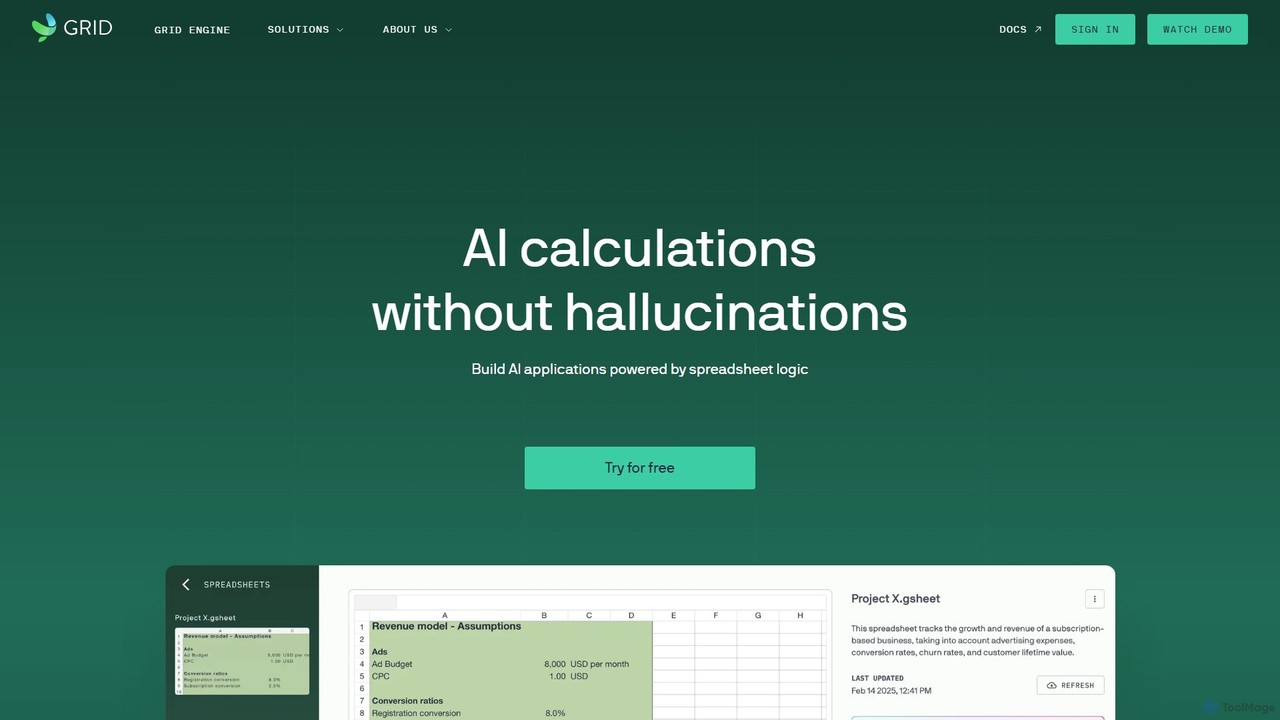
GRID is an AI-first platform that transforms your existing spreadsheets into powerful, interactive web applications and AI-driven tools. …

26.5K
Olive

Olive

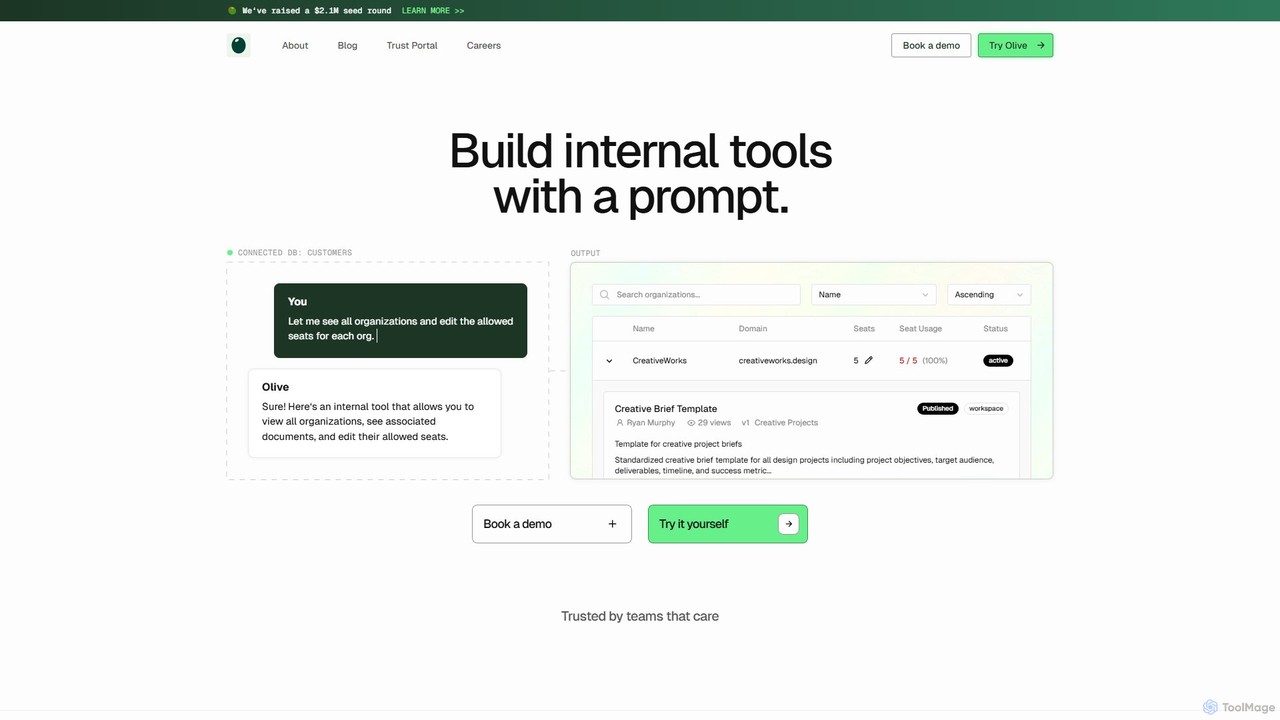
Olive is an AI-powered platform that enables teams to build and deploy internal tools, dashboards, and admin panels …

2.2K
autocoder

autocoder

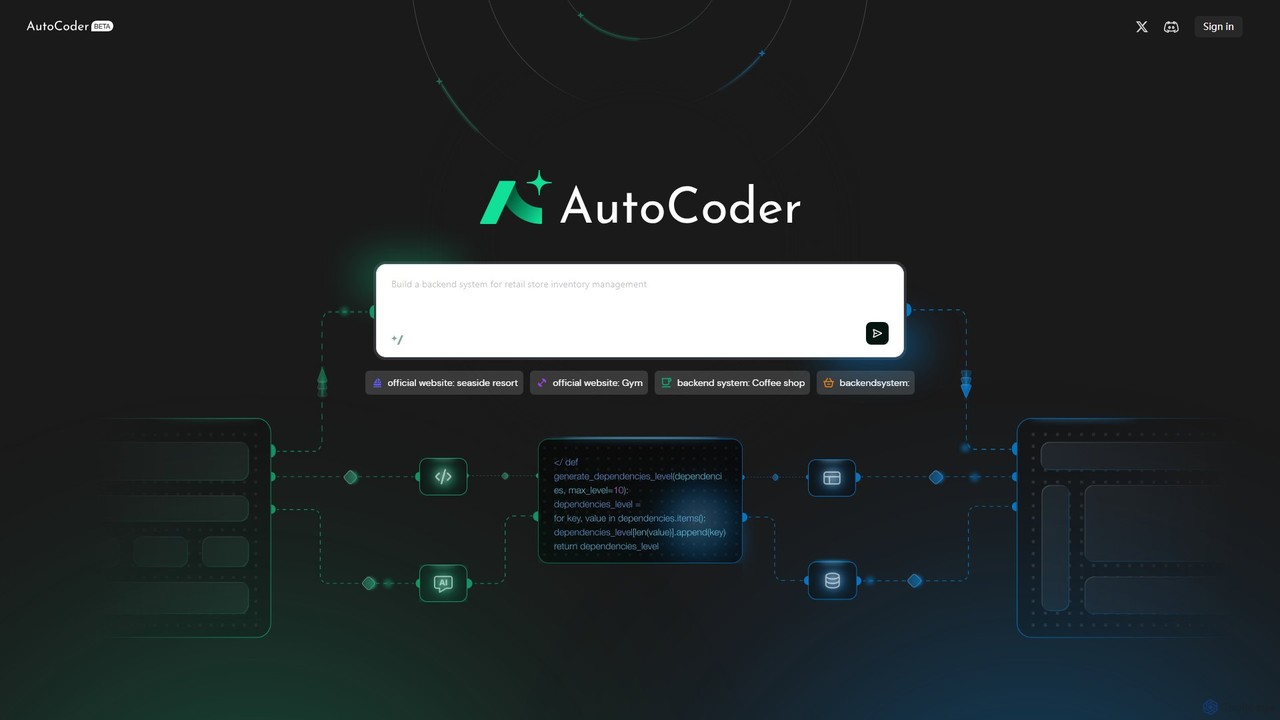
Autocoder is an AI-powered platform that transforms natural language prompts into high-quality, full-stack application code. Describe your website …

33.1K

About Application Builder

Application Builders are AI-powered tools within the No Code & Low Code paradigm that enable users to create custom software applications without extensive coding. They leverage visual development interfaces and pre-built components, allowing for rapid prototyping and deployment of web or mobile applications. These platforms democratize app development, empowering business users and citizen developers to build solutions tailored to their specific needs, significantly accelerating digital transformation initiatives.

Core Features

  • Visual UI Designer: Drag-and-drop interfaces for designing application layouts and user experiences.
  • Database Integration: Seamlessly connect to and manage data sources, often with built-in database capabilities.
  • Workflow Automation: Define and automate business processes and logic within the application.
  • User Authentication & Roles: Implement secure login systems and manage user permissions.
  • API Connectivity: Integrate with external services and systems to extend application functionality.

Use Cases

Application Builders are invaluable for organizations seeking agility and efficiency. Small businesses can develop custom CRM systems, while larger enterprises can create departmental tools for project management or HR onboarding. Startups use them to quickly launch Minimum Viable Products (MVPs) to validate market demand without significant upfront development costs.

How to Choose

Selecting an Application Builder requires evaluating several factors. Consider the platform's scalability for future growth, its integration capabilities with existing systems, and the level of customization offered. Assess the learning curve for your team, the pricing model, and the availability of templates or pre-built components that align with your project requirements.

Application BuilderUse Cases

1

Internal Operations Management

Small to medium-sized businesses can utilize Application Builders to create bespoke internal tools, such as inventory management systems, project tracking dashboards, or employee onboarding portals. This allows them to streamline specific operational workflows, reduce reliance on generic software, and ensure data consistency across departments, leading to improved efficiency and reduced manual errors.

2

Rapid MVP Development for Startups

Entrepreneurs and startups can leverage Application Builders to quickly design and launch Minimum Viable Products (MVPs) for web or mobile applications. This enables them to test market demand, gather user feedback, and iterate on their product idea without investing heavily in traditional coding, significantly accelerating time-to-market and reducing initial development risks.

3

Custom Customer Relationship Management (CRM)

Sales and customer service teams can build tailored CRM solutions that precisely fit their unique sales cycles and customer interaction processes. Instead of adapting to off-the-shelf software, they can design custom fields, automated follow-up sequences, and reporting dashboards, enhancing customer engagement and sales pipeline visibility.

4

Event Registration & Management Apps

Event organizers can develop comprehensive applications for managing conferences, workshops, or webinars. These apps can handle attendee registration, payment processing, personalized scheduling, speaker information, and real-time updates, providing a seamless experience for participants and simplifying administrative tasks for organizers.

5

Field Service & Data Collection Apps

Organizations with field operations, such as maintenance, inspections, or deliveries, can create mobile applications for their field teams. These apps allow technicians to log work orders, capture data (photos, signatures), access client information offline, and submit reports directly from their devices, improving data accuracy and operational responsiveness.

6

Departmental Workflow Automation

Any department, from HR to marketing, can automate specific, repetitive workflows by building custom applications. For instance, an HR department might create an app for leave requests and approvals, while marketing could build one for campaign content submission and review, reducing bottlenecks and freeing up staff for more strategic tasks.

Application BuilderFrequently Asked Questions