
Photography Best in category 1 results Portrait Generation AI Tool

Popular AI tools in the Portrait Generation field of Photography include Imamind, etc., helping you quickly improve efficiency.

Imamind

Imamind

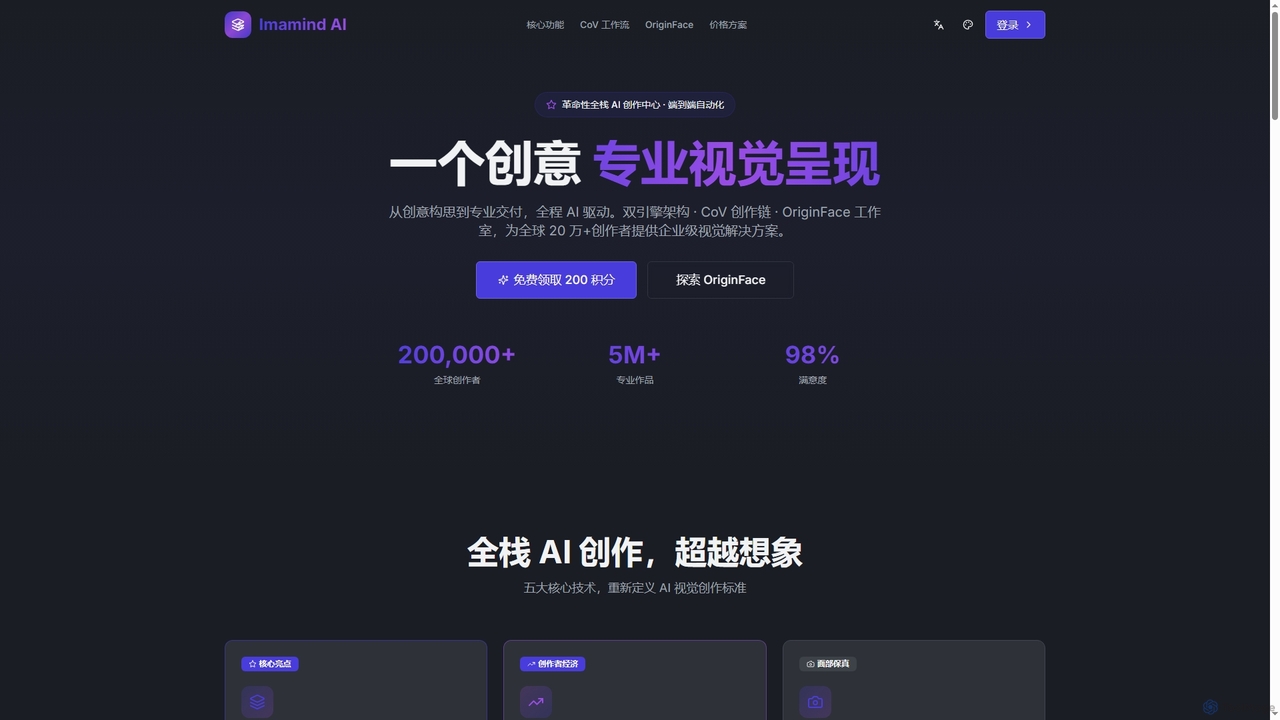
Imamind is a revolutionary full-stack AI visual design platform that automates the entire creative process from concept to …

3.1K

About Portrait Generation

Portrait Generation tools are a specialized class of AI that creates detailed and expressive portraits of human or fictional characters. These tools utilize models finely tuned on vast datasets of faces, enabling precise control over facial features, expressions, and artistic styles. They are primarily used to generate realistic headshots, stylized avatars, or character concepts from text descriptions or existing images. This specialization allows for higher fidelity and consistency in depicting faces compared to general-purpose image generators.

Core Features

  • Style Versatility: Generate portraits in numerous styles, from photorealistic and corporate headshots to fantasy, anime, or classical painting.
  • Fine-Grained Facial Control: Precisely adjust attributes like age, gender, ethnicity, hair style, eye color, and emotional expressions.
  • Character Consistency: Maintain the appearance of a specific character across multiple images with different poses, lighting, and backgrounds.
  • Photo-to-Portrait Transformation: Convert existing photographs into stylized portraits or avatars while retaining the subject's likeness.
  • Background & Lighting Customization: Control the environment, from professional studio backdrops to imaginative settings, along with lighting effects.

Use Cases

These tools are widely used by digital artists and game developers for character concept design, marketers for creating visuals of customer personas, and businesses for generating uniform professional headshots for teams. Individuals also use them to create unique social media avatars, personalized art, and digital gifts.

How to Choose

When selecting a Portrait Generation tool, consider the required output style (realism vs. artistic). Evaluate the level of customization and control over facial details. If you need multiple images of the same person, prioritize tools with strong character consistency features. Also, review the platform's usage rights to ensure they align with your personal or commercial needs.

Portrait GenerationUse Cases

1

Creating Professional Business Headshots

A startup or remote team needs consistent, high-quality headshots for their website and LinkedIn profiles without the expense of a physical photoshoot. Using a portrait generator, a manager can define a consistent style (e.g., 'professional, grey background, soft lighting') and generate headshots for each team member based on their photos or detailed descriptions. This ensures a uniform and professional brand image across all platforms, saving significant time and budget.

2

Designing Fictional Characters for Creative Projects

An author writing a novel or a game developer designing a new character needs to visualize their creations. Instead of commissioning an artist for initial concepts, they can use a portrait generator. By inputting detailed text prompts like 'a wise old wizard with a long white beard, piercing blue eyes, and a kind smile,' they can generate dozens of visual variations in minutes. This accelerates the creative process, helps solidify the character's appearance, and provides a strong visual reference for further development or illustration.

3

Generating Unique Social Media Avatars

A content creator or individual wants a unique and eye-catching profile picture that stands out from standard photos. They can upload a selfie to a portrait generation tool and apply various artistic styles, such as 'cyberpunk neon', 'fantasy elf', or '3D cartoon character'. The tool transforms their photo into a high-quality, stylized avatar that reflects their personality or brand identity. This allows for a highly personalized and memorable online presence without needing advanced graphic design skills.

4

Developing Marketing Personas

A marketing team is creating detailed customer personas for a new campaign but lacks stock photography that truly represents their target audience. Using a portrait generator, they can create highly specific, realistic images. For example, they can generate 'a 35-year-old female urban professional, smiling, in a bright office setting'. This provides a relatable and consistent visual for internal documents, presentations, and ad mockups, making the target persona more tangible for the entire team without privacy or licensing concerns associated with real photos.

5

Producing Personalized Digital Art and Gifts

A user wants to create a unique birthday gift for a friend. They can use a portrait generator to create a custom piece of art. By uploading a photo of their friend and selecting a style like 'Renaissance oil painting' or 'pop art caricature,' the tool generates a high-resolution image perfect for printing on a canvas, mug, or t-shirt. This process allows anyone to become an artist and create deeply personal, one-of-a-kind gifts that are more meaningful than generic store-bought items.

6

Creating Consistent Virtual Influencers

A digital marketing agency wants to create and manage a virtual influencer for brand partnerships. A key challenge is maintaining a consistent look across all content. They use an advanced portrait generator with character consistency features. By creating a base model of their influencer, they can generate hundreds of images for social media posts, showing the character in different outfits, locations, and emotional states, all while preserving their core facial features. This automates content creation and ensures a believable and consistent digital identity.

Portrait GenerationFrequently Asked Questions