Product Management Best in category 1 results Product Planning AI Tool

Popular AI tools in the Product Planning field of Product Management include HowToWritePRD, etc., helping you quickly improve efficiency.

Free
HowToWritePRD

HowToWritePRD

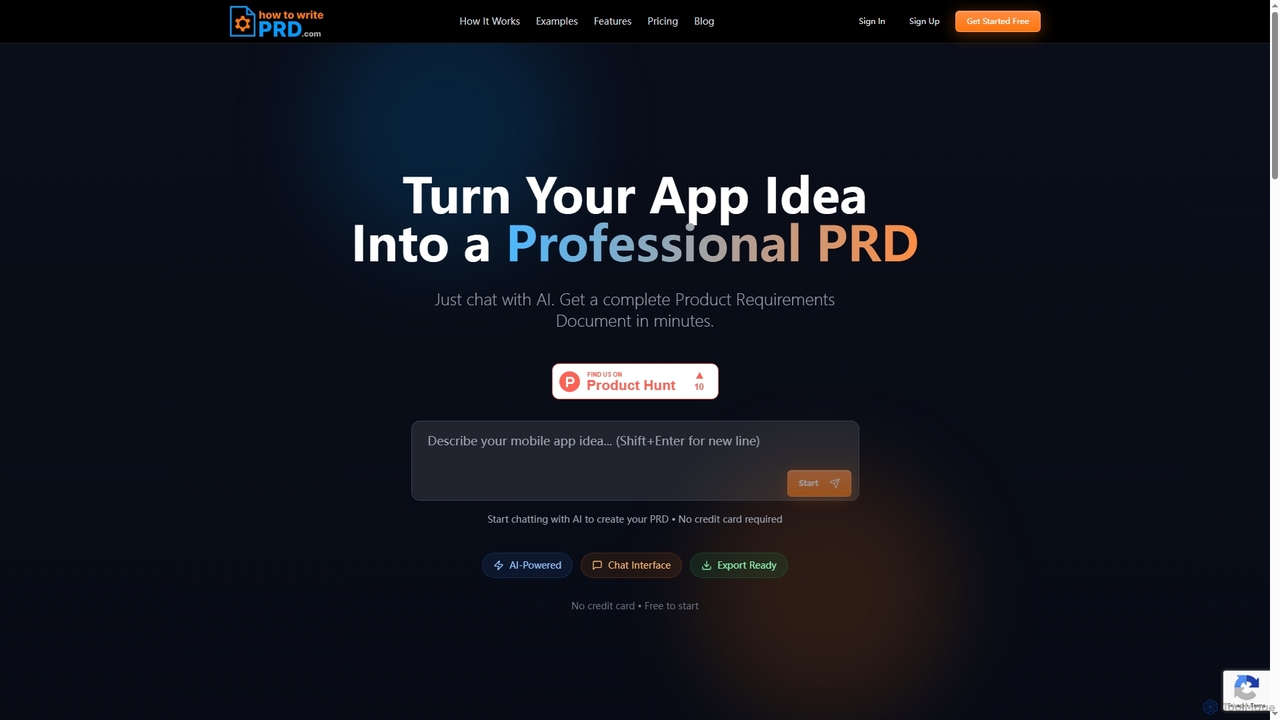
HowToWritePRD is an AI-powered tool that transforms your mobile app ideas into professional Product Requirements Documents (PRDs) in …

4.5K

About Product Planning

Product Planning tools are AI-powered solutions designed to streamline and enhance the strategic process of defining, developing, and launching successful products. Leveraging artificial intelligence, these tools automate data analysis, generate insights, and assist in decision-making across the product lifecycle. They empower product managers and teams to build robust product strategies, prioritize features effectively, and align development efforts with market needs and business goals.

Core Features

  • Market Research & Trend Analysis: AI analyzes vast datasets to identify market trends, competitor strategies, and emerging user needs, providing actionable insights for product positioning.
  • Feature Prioritization & Roadmapping: Tools use AI to score and prioritize features based on impact, effort, and strategic alignment, then visualize them on dynamic product roadmaps.
  • User Feedback & Sentiment Analysis: AI processes customer reviews, support tickets, and social media data to extract sentiment, identify pain points, and inform product improvements.
  • Requirement Generation & Specification: AI assists in drafting detailed product requirements, user stories, and acceptance criteria, ensuring clarity and completeness for development teams.
  • Strategic Planning & Visioning: AI-driven frameworks and prompts help define product vision, mission, and strategic objectives, ensuring alignment with overall business goals.

Use Cases

Product planning tools are essential for product managers, strategists, and development teams in technology companies, startups, and enterprises. They are used to validate new product ideas, refine existing product lines, and ensure that product development resources are allocated to initiatives with the highest potential impact and market fit. These tools provide data-driven foundations for strategic decisions.

How to Choose

When selecting an AI product planning tool, consider its core functionalities like market analysis, roadmap generation, and feedback integration. Evaluate its ability to integrate with existing product management and development platforms (e.g., Jira, Asana). Assess the AI's analytical depth and the clarity of its insights. Finally, review the user interface for ease of use and the scalability of the solution to match your team's size and product portfolio complexity.

Product PlanningUse Cases

1

Identify Market Opportunities for New Products

A product strategist uses AI product planning tools to scan vast amounts of market data, competitor analyses, and consumer trends. By leveraging AI's pattern recognition, they can quickly identify unmet needs, emerging niches, or underserved customer segments, leading to data-driven decisions for developing innovative new product concepts with high market potential.

2

Prioritize Features for a Minimum Viable Product (MVP)

Product managers leverage AI tools to analyze diverse inputs like user feedback, business value, technical feasibility, and development effort. The AI helps score and rank potential features, providing a data-driven recommendation for which features to include in an MVP, ensuring the initial product delivers maximum value with minimal resources and time to market.

3

Generate Dynamic Product Roadmaps

Product teams use AI planning tools to automatically generate and update product roadmaps. By integrating with project management and analytics platforms, the AI can dynamically adjust timelines, resource allocations, and feature sequences based on real-time market changes, development progress, and strategic shifts, ensuring the roadmap remains relevant and achievable.

4

Draft Detailed User Stories and Requirements

A product owner utilizes AI product planning tools to transform high-level product ideas into detailed user stories, acceptance criteria, and technical requirements. The AI can suggest missing details, ensure consistency, and format documents according to best practices, significantly reducing the manual effort and potential for miscommunication between product and engineering teams.

5

Perform AI-Driven Competitor Analysis

A product marketing manager employs AI product planning tools to conduct in-depth competitor analysis. The AI automatically gathers and processes data on competitor product features, pricing models, marketing strategies, and customer reviews. This provides a comprehensive benchmark, highlighting competitive advantages and areas for differentiation, informing strategic product positioning and feature development.

6

Optimize Product Launch Strategy

Marketing and product teams utilize AI planning tools to refine their product launch strategy. The AI can simulate market reactions to different messaging, pricing points, and timing scenarios, based on historical data and predictive analytics. This allows teams to optimize their launch plan, minimize risks, and maximize the potential for a successful market entry and adoption.

Product PlanningFrequently Asked Questions