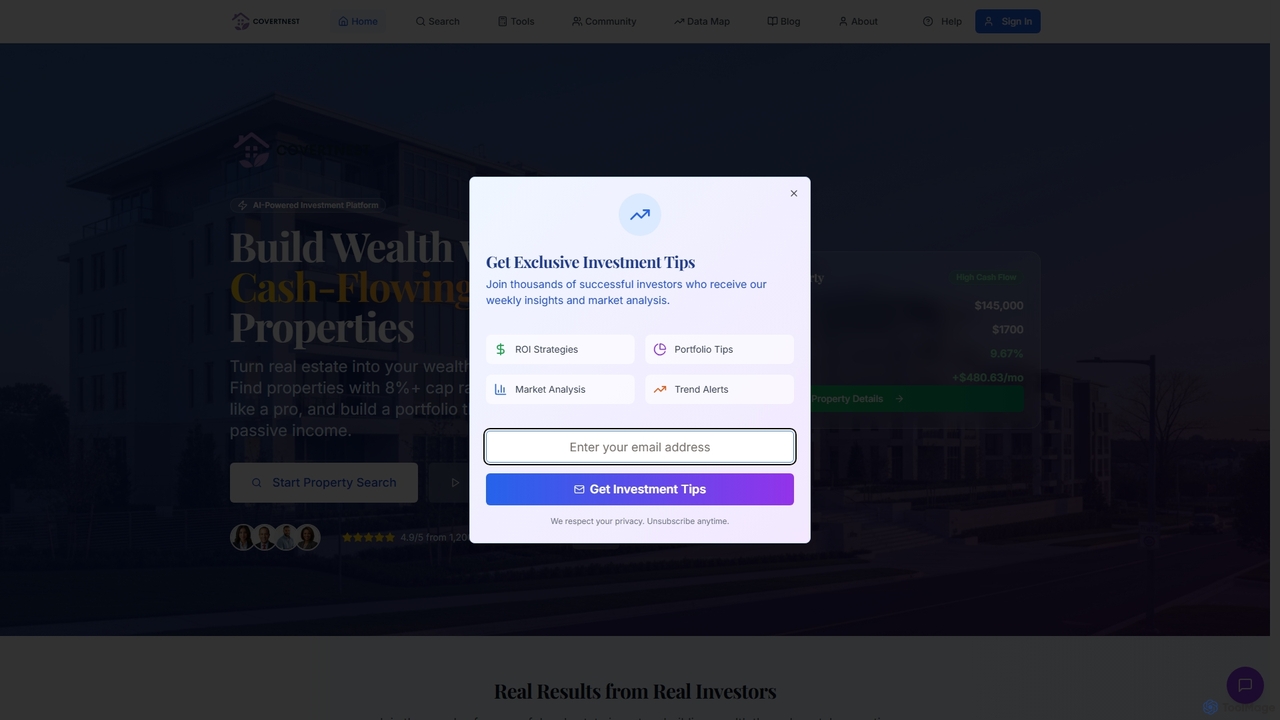
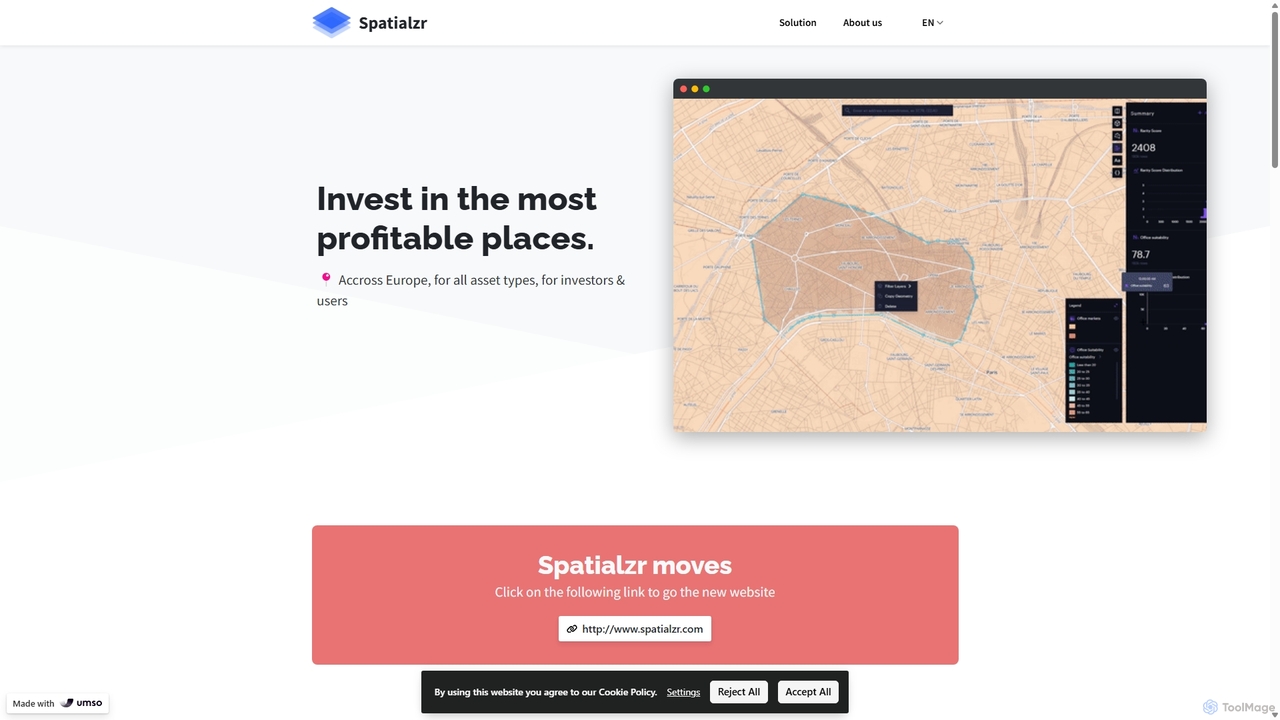
AI Investment Analysis tools for real estate are specialized platforms that use machine learning to evaluate property profitability and market risks. These tools process vast datasets, including historical sales, rental income, and demographic trends, to generate predictive financial models. They empower investors, developers, and analysts to make data-driven decisions, accurately forecast returns, and identify high-potential opportunities. This analytical depth goes beyond traditional spreadsheets, offering dynamic risk assessment and future performance projections.
Core Features
- Predictive Valuation Modeling: Utilizes AI to forecast a property's future value (e.g., After Repair Value) based on market trends and property characteristics.
- Cash Flow & ROI Analysis: Automatically calculates key metrics like Cash-on-Cash Return, Cap Rate, and Net Operating Income over long-term horizons.
- Market Trend Identification: Analyzes macroeconomic data, population growth, and local market indicators to pinpoint emerging or declining neighborhoods.
- Risk Assessment: Models potential risks such as market volatility, interest rate changes, and unexpected vacancy rates to stress-test an investment.
- Comparable Property Analysis (Comps): Intelligently finds and adjusts comparable properties to provide a more accurate and data-backed current market valuation.
Use Cases
These tools are primarily used by individual real estate investors, property developers, real estate investment trusts (REITs), and financial analysts. They are essential during the due diligence phase of acquiring rental properties, commercial buildings, or land for development. They also support ongoing portfolio management by helping asset managers identify underperforming properties and optimize for higher returns.
How to Choose
When selecting an AI Investment Analysis tool, consider the quality and breadth of its data sources (e.g., MLS integration, public records). Evaluate the transparency of its analytical models and the ability to customize assumptions like inflation or rent growth. Also, assess its reporting capabilities and ease of use, ensuring it aligns with your specific investment strategy, whether it's fix-and-flip, long-term rentals, or commercial development.