ToolMage
Sign in

Best 2 Lead Management AI tools for Real Estate

Popular Lead Management AI tools in Real Estate include Palomma and Spring, helping you work more efficiently.

Spring
Paid

Spring

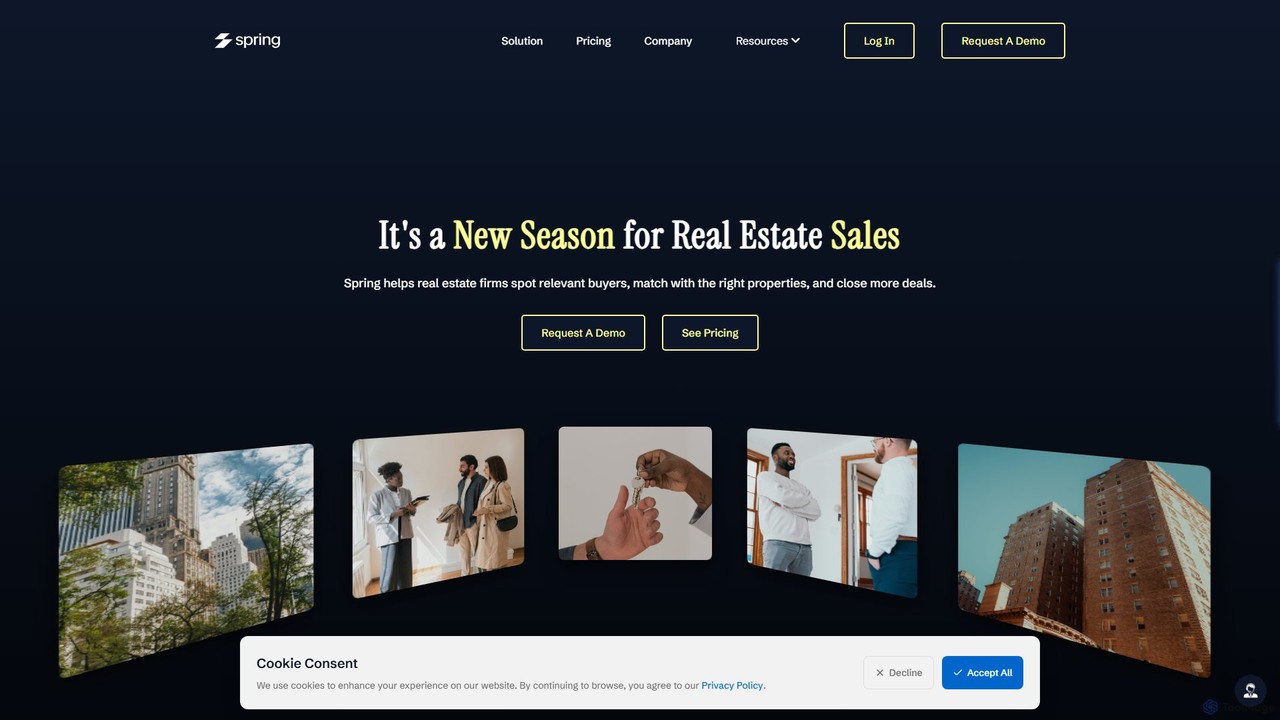
Spring is an AI-powered real estate intelligence platform designed for modern real estate firms. It helps agents and brokerages identify high-intent buyers, intelligently match them with the right properties, and streamline the entire sales process to close more deals faster.

Lead Generation
Visits 6.4KFavorites 134Likes 135
Palomma
Paid

Palomma

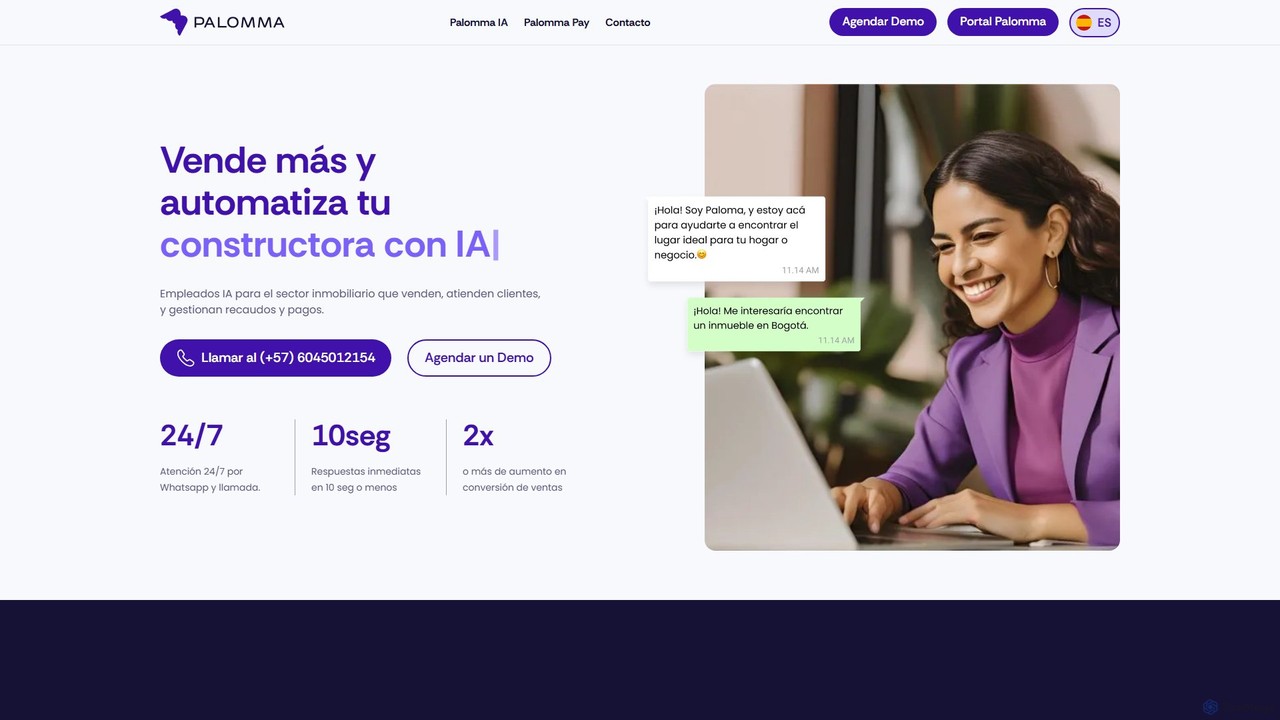
Palomma provides AI-powered virtual employees for the real estate sector. These agents automate sales, customer service, and financial management 24/7 across multiple channels like WhatsApp, SMS, and calls, helping businesses increase sales conversion and reduce operational costs.

Chatbot
Visits 179.4KFavorites 116Likes 129

About Lead Management

AI Lead Management tools for real estate are specialized platforms that automate and optimize the process of capturing, nurturing, and converting property inquiries. These tools use artificial intelligence to score leads based on their conversion probability, automate personalized follow-ups, and provide agents with actionable insights. This allows real estate professionals to focus on high-priority prospects, improve response times, and increase overall sales conversion rates. They effectively bridge the gap between initial lead generation and a signed contract by ensuring no potential client is overlooked.

Core Features

  • AI-Powered Lead Scoring: Automatically analyzes lead data and behavior to rank prospects by their likelihood to transact.
  • Automated Nurturing Sequences: Deploys personalized email, SMS, and chatbot campaigns to keep leads engaged over time.
  • Intelligent Lead Routing: Assigns incoming leads to the most appropriate agent based on criteria like location, property type, or agent availability.
  • Behavioral Tracking: Monitors how leads interact with listings, websites, and communications to provide context for follow-ups.
  • Performance Analytics: Offers dashboards that track key metrics like response time, conversion rates, and lead source effectiveness.

Applicable Scenarios

These tools are essential for real estate brokerages, teams, and individual agents managing a high volume of online inquiries from portals like Zillow or their own websites. They are also valuable for nurturing long-term leads, such as potential sellers who are months away from listing, by maintaining consistent, relevant communication without manual effort.

Selection Criteria

When choosing a tool, consider its integration capabilities with your existing CRM and MLS. Evaluate the sophistication of its AI scoring and the flexibility of its automation workflows. Also, assess the quality of its analytics and reporting features to ensure it provides clear insights into your team's performance. Finally, consider the pricing model and its scalability as your business grows.

Lead Management use cases

1

Automating Follow-up for Online Portal Leads

A real estate agent receives dozens of inquiries daily from portals like Zillow and Realtor.com. Manually responding to each one instantly is impossible. By using an AI Lead Management tool, every new lead immediately receives a personalized welcome text message and an email. The system's AI chatbot can then ask initial qualifying questions, such as their buying timeline or if they have been pre-approved for a mortgage. This ensures a 100% response rate within minutes, significantly increasing the chances of engaging the lead before they contact another agent.

2

Prioritizing High-Value Buyer Leads for a Brokerage

A brokerage firm wants its top agents to focus only on the most serious buyers. Their AI Lead Management system analyzes incoming leads against multiple data points: budget, desired location, engagement with listings (e.g., saving luxury properties), and inquiry text sentiment. The AI assigns a 'hot,' 'warm,' or 'cold' score to each lead. 'Hot' leads are instantly routed to senior agents with a notification, while 'warm' leads enter an automated nurturing sequence. This data-driven prioritization ensures that the most valuable opportunities receive immediate, expert attention.

3

Nurturing Long-Term Seller Leads

An agent meets a homeowner who is considering selling but not for another 6-12 months. Instead of manually remembering to follow up, the agent adds them to a 'Long-Term Seller' nurturing campaign in their AI system. The system automatically sends a monthly market report for their neighborhood, a quarterly home maintenance tip email, and a holiday greeting. When the AI detects the lead has started visiting the agent's website again or clicking on 'home valuation' links, it alerts the agent to make a personal call, perfectly timed for when the seller's interest is peaking.

4

Intelligent Lead Distribution for a Real Estate Team

A large real estate team operates across several neighborhoods, with agents specializing in different areas. When a new lead comes in from the company website inquiring about a property in 'Maple Creek,' the AI system instantly identifies the location. It then checks which agents specialize in 'Maple Creek' and reviews their current workload and availability. The system automatically assigns the lead to the best-fit agent, Jane Doe, and adds the appointment to her calendar. This ensures the client is paired with a local expert and balances the workload across the team.

5

Reactivating a Database of Cold Leads

An agency has a CRM with thousands of old leads that have gone cold. Instead of deleting them, they use their AI tool to launch a re-engagement campaign. The AI sends a carefully crafted email asking if they are still in the market and highlighting new listings in their previously searched areas. The system tracks opens, clicks, and website visits. When an old lead, John Smith, clicks a link and spends five minutes browsing new properties, the AI flags him as 're-engaged' and creates a task for an agent to call him. This turns a dormant database into a new source of opportunities.

6

Providing Agents with Pre-Call Insights

An agent is scheduled to call a lead that came in two days ago. Before making the call, the agent opens the lead's profile in the AI management system. They see a complete timeline of the lead's interactions: they initially inquired about a 3-bedroom house, then viewed five similar properties on the website, opened two follow-up emails, and clicked on a blog post about 'first-time homebuyer tips.' Armed with this context, the agent can start the conversation with, 'I saw you were interested in the property on Elm Street and also looked at a few others. What features are most important to you?' This makes the call highly relevant and personalized, rather than generic.

Lead Management FAQ

What is AI Lead Management in real estate?

AI Lead Management in real estate refers to software that uses artificial intelligence to automate and enhance how real estate professionals handle potential clients. Instead of just storing contact information, these tools actively analyze lead behavior, score their intent, automate communication through personalized emails or texts, and route them to the right agent. The primary goal is to increase efficiency and conversion rates by ensuring timely, relevant follow-up with every lead.

How is an AI Lead Management tool different from a standard CRM?

A standard real estate CRM is primarily a system of record—a database to store client information, track transaction stages, and manage contacts. An AI Lead Management tool is a system of engagement. It actively works on your leads by:

  • Scoring and Prioritizing: It tells you which leads to contact first.
  • Automating Communication: It engages leads on your behalf with intelligent, multi-step campaigns.
  • Providing Insights: It analyzes lead behavior to give you context for conversations.

While many AI tools integrate with or include CRM functionality, their core strength is proactive lead nurturing, not just passive data storage.

How do I choose the right AI Lead Management tool for my real estate business?

Choosing the right tool depends on your specific needs. Consider these key factors:

  • Integration: Does it seamlessly connect with your existing CRM, MLS, and lead sources (e.g., Zillow, Realtor.com)?
  • Automation Flexibility: Can you easily customize the follow-up sequences, lead routing rules, and scoring criteria to match your team's workflow?
  • Ease of Use: Is the interface intuitive for your agents to adopt quickly without extensive training?
  • Analytics and Reporting: Does it provide clear, actionable reports on agent performance, lead source ROI, and conversion funnels?
  • Scalability and Price: Does the pricing model fit your current team size and can it grow with your business?
Can AI Lead Management tools really increase my conversion rate?

Yes, they can significantly impact conversion rates for several reasons. First, they enable 'speed to lead' by responding to inquiries instantly, which is critical in a competitive market. Second, AI lead scoring ensures agents spend their time on prospects who are most likely to transact, improving efficiency. Third, automated long-term nurturing prevents potential clients from being forgotten, keeping your brand top-of-mind until they are ready to act. By systemizing follow-up and prioritizing efforts, these tools help convert more inquiries into closed deals.

What are the key functions of a real estate lead management system?

The core functions are designed to streamline the entire process from inquiry to conversion. Key functions typically include:

  • Lead Capture: Automatically pulling in leads from various sources like websites, social media, and real estate portals (e.g., Zillow, Trulia).
  • AI Lead Scoring: Ranking leads based on their engagement, demographics, and online behavior to identify the hottest prospects.
  • Automated Workflows: Creating and deploying multi-channel follow-up campaigns (email, SMS, calls) based on specific triggers.
  • Intelligent Routing: Distributing leads to agents based on pre-set rules like location, price point, or round-robin.
  • Analytics Dashboard: Providing insights into lead source performance, agent activity, and overall conversion metrics.