ToolMage
Sign in

Best 3 Property Analysis AI tools for Real Estate

Popular Property Analysis AI tools in Real Estate include StrataReports, HomeBlueprint, and HomeScore, helping you work more efficiently.

HomeBlueprint
Freemium

HomeBlueprint

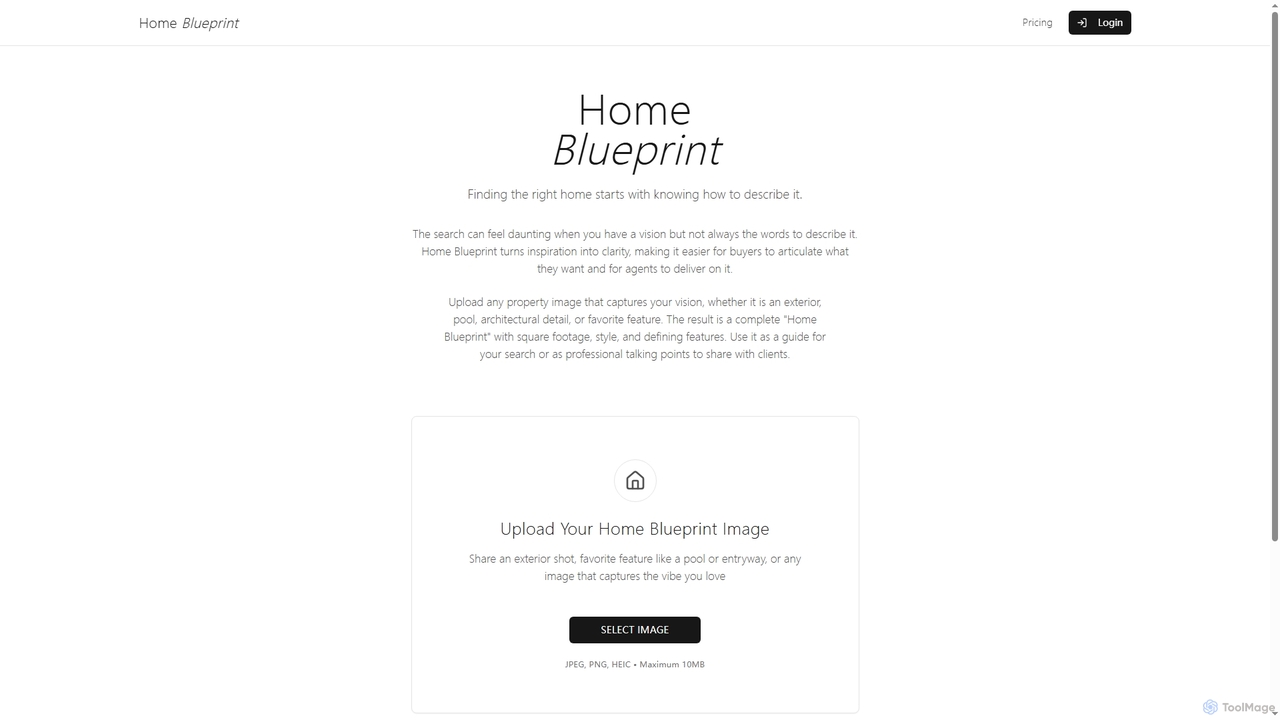
HomeBlueprint is an AI-powered tool that transforms property images into detailed descriptions, including square footage, style, and key features. It helps home seekers articulate their vision and real estate agents provide precise information, simplifying the home search process.

Architectural Planning
Visits 5.7KFavorites 142Likes 139
HomeScore
Freemium

HomeScore

HomeScore is an AI-powered homebuying assistant that provides step-by-step guidance from search to signature. It analyzes property documents, estimates repair costs, and offers personalized insights based on your lifestyle and preferences, helping you make smarter, stress-free purchasing decisions.

Investment
Visits 5.6KFavorites 118Likes 133
StrataReports
Paid

StrataReports

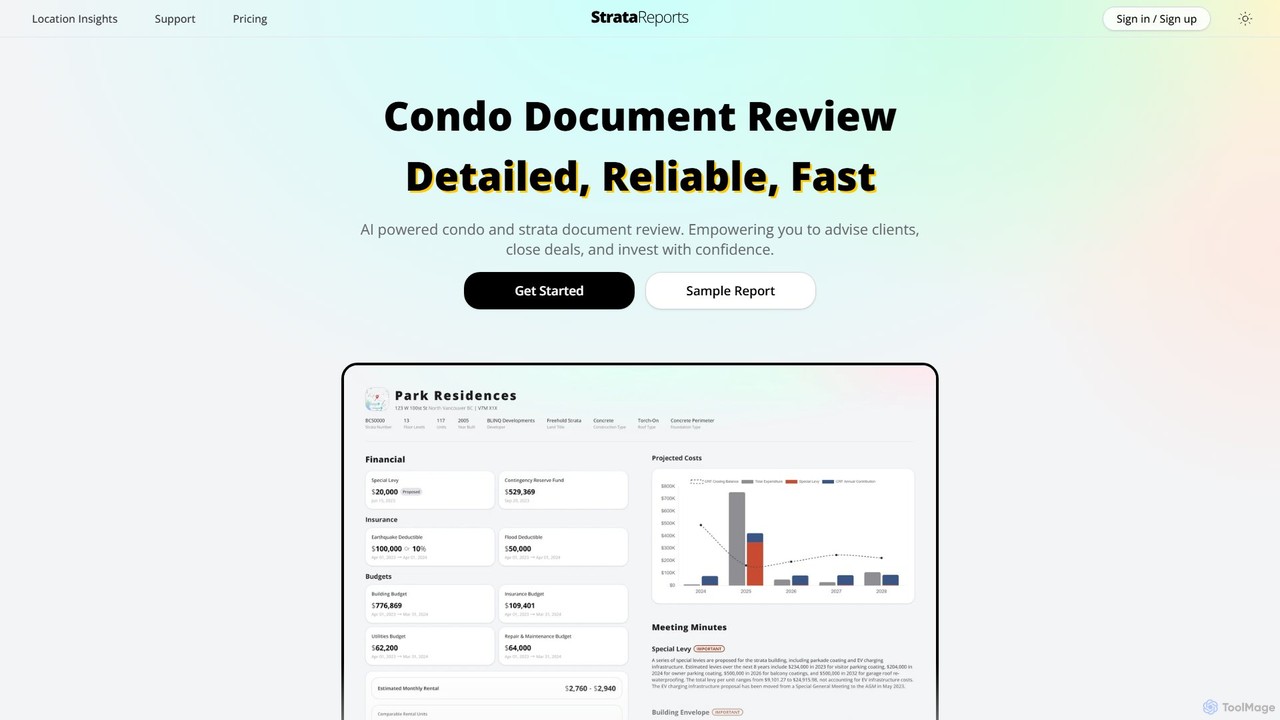
An AI-powered platform for the Canadian real estate market that analyzes condo and strata documents in minutes. It provides detailed, easy-to-understand reports, highlighting financial health, potential risks, and key insights to empower realtors, buyers, and enterprises to make confident property decisions.

Data Extraction
Visits 11.2KFavorites 128Likes 130

About Property Analysis

AI Property Analysis tools are specialized platforms that use machine learning to evaluate real estate investments and market conditions. They process vast datasets, including historical sales, property records, and economic indicators, to generate accurate valuations and forecast trends. This enables investors and agents to assess investment potential and property value with high precision. These tools empower users to make data-driven decisions, moving beyond traditional intuition-based approaches in the real estate sector.

Core Features

  • Automated Valuation Models (AVM): Generate instant, data-backed property value estimates based on market comparables and trends.
  • Investment ROI Analysis: Automatically calculate key financial metrics like cap rate, cash-on-cash return, and potential rental income.
  • Market & Neighborhood Insights: Analyze local market trends, school ratings, crime rates, and demographic data for a specific area.
  • Risk Assessment: Identify and quantify potential risks such as flood zones, market volatility, and property-specific issues.

Use Cases

These tools are primarily used by real estate investors to identify undervalued properties, real estate agents to create data-rich competitive market analyses (CMAs), and property developers to assess the financial viability of new projects.

How to Choose

When selecting a tool, consider the accuracy and update frequency of its data sources, the range of financial metrics it calculates, its ability to integrate with MLS or other platforms, and the clarity of its reporting and visualization features.

Property Analysis use cases

1

Evaluating a Fix-and-Flip Investment Opportunity

A real estate investor is considering a property for a fix-and-flip project. Using an AI Property Analysis tool, they input the property address and estimated renovation costs. The tool instantly provides an After Repair Value (ARV) based on comparable sales and market trends. It also calculates the potential profit margin, holding costs, and ROI, allowing the investor to quickly determine if the deal meets their financial criteria without spending days on manual research.

2

Creating a Data-Driven CMA for a Client

A real estate agent needs to prepare a Competitive Market Analysis (CMA) for a seller. Instead of manually pulling comps from the MLS, they use an analysis tool. The AI identifies the most relevant comparable properties, adjusting for differences in features, size, and condition. The tool generates a professional report with valuation ranges, market absorption rates, and neighborhood trends, helping the agent justify their recommended listing price with objective data.

3

Analyzing a Rental Property's Cash Flow

An individual looking to buy their first rental property uses an AI tool to analyze its long-term viability. They input the purchase price, loan details, and expected rent. The platform automatically factors in local property taxes, insurance estimates, vacancy rates, and property management fees. It generates a detailed cash flow projection for the next 10-20 years, helping the user understand the property's profitability and potential for passive income.

4

Identifying High-Growth Neighborhoods for Investment

A property investment firm aims to acquire assets in emerging markets. They use an AI analysis platform to screen entire cities for high-growth potential. The tool analyzes demographic shifts, job growth, new construction permits, and public infrastructure projects. It highlights specific zip codes or neighborhoods with strong appreciation forecasts, enabling the firm to focus its acquisition efforts on areas with the highest potential for long-term capital gains.

5

Performing Due Diligence for a Commercial Property

A commercial real estate analyst is evaluating a small office building. They utilize a specialized property analysis tool to assess its financial health. The tool analyzes tenant lease data, operating expenses, and local commercial market trends. It calculates the Net Operating Income (NOI), debt service coverage ratio (DSCR), and provides a valuation based on the income approach, streamlining the complex due diligence process for commercial investments.

6

Assessing Portfolio Risk and Diversification

A portfolio manager with multiple real estate assets uses an AI tool to get a holistic view of their investments. The platform aggregates data for all properties, analyzing geographic concentration, asset type diversification, and overall market risk exposure. It can simulate the impact of economic changes, such as interest rate hikes, on the portfolio's value and cash flow, providing critical insights for risk management and strategic adjustments.

Property Analysis FAQ

What are AI Property Analysis tools?

AI Property Analysis tools are software applications that use artificial intelligence to evaluate real estate assets. They analyze large datasets to provide property valuations, investment return calculations, and market trend forecasts. Unlike simple listing websites, these tools focus on delivering deep, data-driven insights for financial decision-making in real estate.

How do I choose the right Property Analysis tool?

To choose the right tool, consider these key factors:

  • Data Accuracy & Coverage: Ensure the tool uses up-to-date, comprehensive data sources like MLS, public records, and economic data.
  • Analysis Depth: Check if it provides the specific metrics you need, such as cap rate, cash flow, ARV, or neighborhood-level analytics.
  • User Interface: Select a tool with an intuitive interface and clear, easy-to-understand reports and visualizations.
  • Target User: Some tools are designed for individual investors, while others are built for professional agents or large firms.
What's the difference between AI Property Analysis and general real estate software (like a CRM)?

The primary difference is their core function. General real estate software, like a CRM, is designed to manage client relationships, track leads, and organize transactions. In contrast, AI Property Analysis tools are analytical platforms focused on evaluating the financial viability and market potential of a property. They answer 'what is this property worth?' and 'is this a good investment?', while a CRM answers 'who are my clients?'.

What key metrics can these tools calculate?

These tools can calculate a wide range of essential real estate metrics. Common calculations include Automated Valuation Models (AVM) for property worth, Capitalization Rate (Cap Rate) for profitability, Cash-on-Cash Return for investment efficiency, and Net Operating Income (NOI) for rental income analysis. Many also provide forecasted appreciation rates based on market trends.

Who should use AI Property Analysis tools?

These tools are valuable for a variety of users in the real estate ecosystem. This includes individual real estate investors seeking to find and analyze deals, real estate agents and brokers creating market analyses for clients, property developers assessing project feasibility, and financial institutions conducting due diligence for loans.