Finance Best in category 4 results Data Extraction AI Tool

Popular AI tools in the Data Extraction field of Finance include Base64.ai、Evolution AI、StrataReports、Bank Statement Converter, etc., helping you quickly improve efficiency.

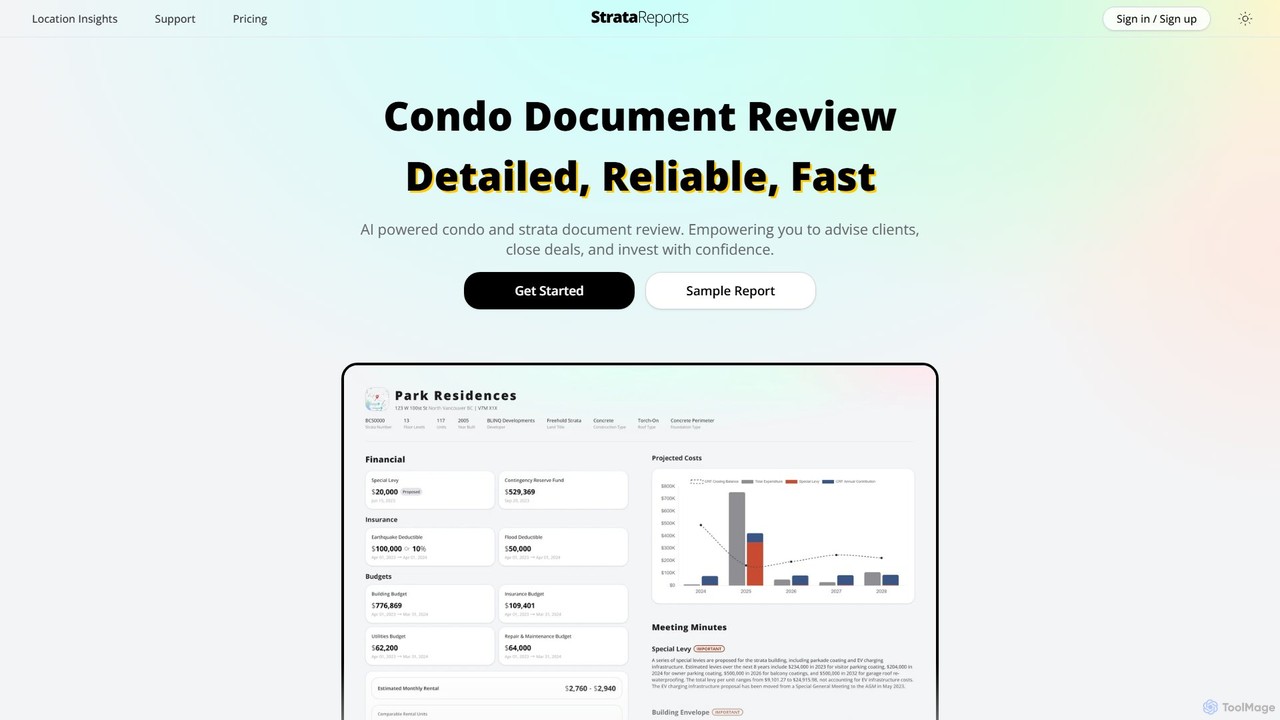
StrataReports

StrataReports

An AI-powered platform for the Canadian real estate market that analyzes condo and strata documents in minutes. It …

6.9K
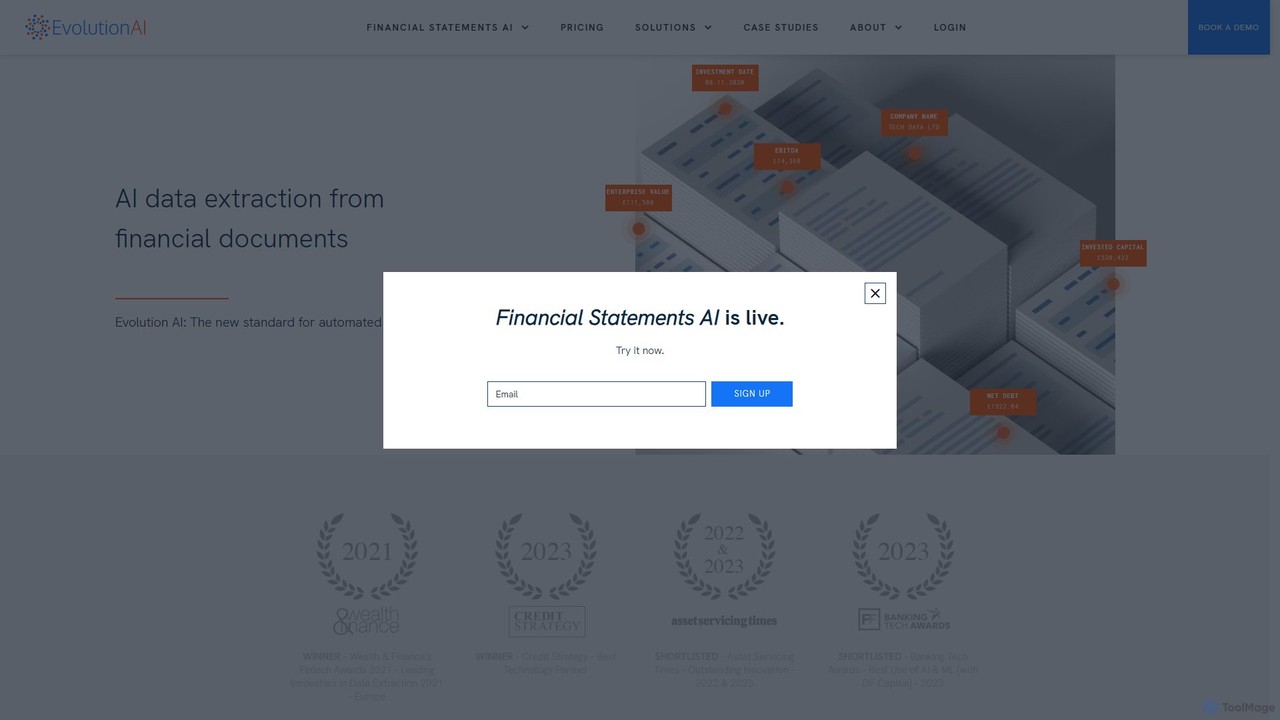
Evolution AI

Evolution AI

Evolution AI is an advanced platform for automated data extraction from complex documents. Using generative AI, it requires …

11.1K
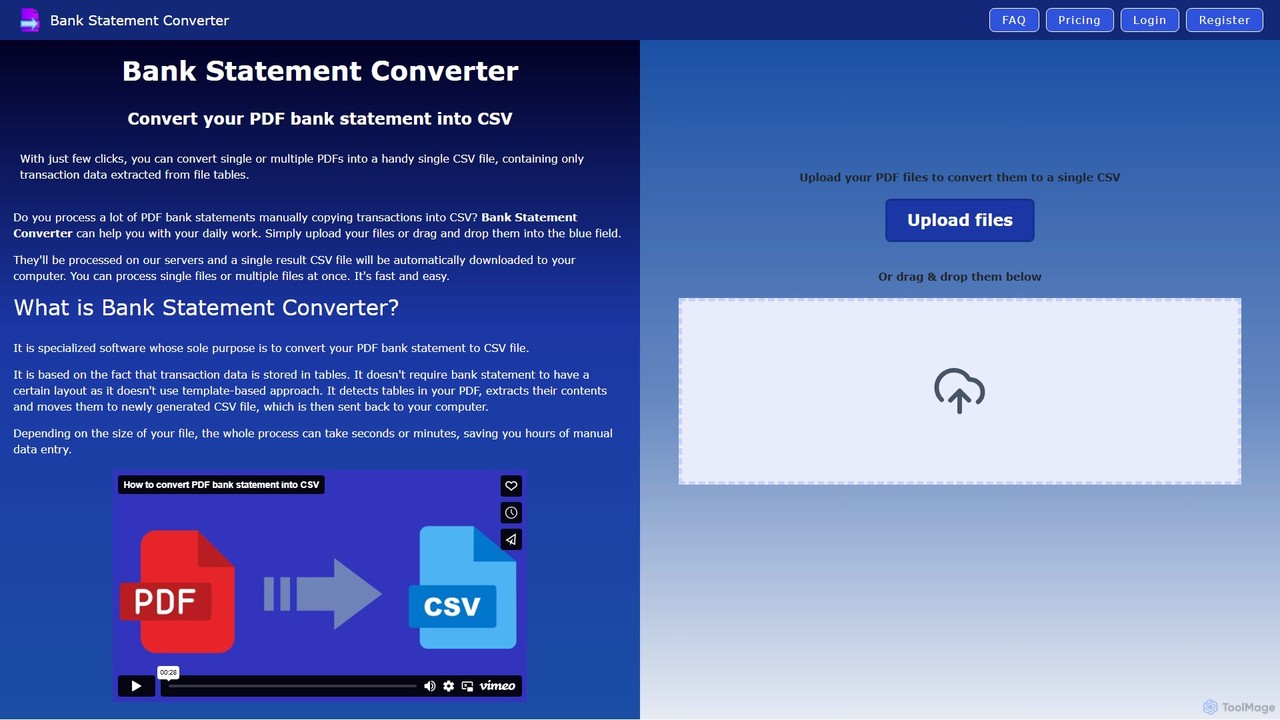
Bank Statement Converter

Bank Statement Converter

An AI-powered tool that automatically converts single or multiple PDF bank statements into a single, clean CSV file. …

2.9K
Base64.ai

Base64.ai

Base64.ai is an enterprise-grade, all-in-one Document Intelligence platform. It uses AI to automate data extraction and processing from …

20.5K

About Data Extraction

AI Data Extraction tools for finance are specialized solutions designed to automatically capture and structure financial information from diverse sources. These tools leverage technologies like Optical Character Recognition (OCR) and Natural Language Processing (NLP) to read documents, websites, and APIs. They transform unstructured data from invoices, bank statements, and market reports into organized, analysis-ready formats. This process is crucial for automating financial workflows, enhancing data accuracy, and enabling timely decision-making.

Core Features

  • Document Processing: Automatically extracts data points like invoice numbers, amounts, and line items from PDFs and scanned images.
  • Web & API Scraping: Gathers real-time market data, stock prices, and financial news from online sources.
  • Structured Output: Converts extracted information into structured formats such as JSON, CSV, or direct database entries.
  • NLP for Context: Understands financial terminology to accurately identify and categorize key figures and entities in reports.

Use Cases

In the financial sector, these tools are vital for automating accounts payable, conducting investment research by analyzing company filings (like 10-K reports), monitoring market sentiment, and performing due diligence. Financial analysts, accountants, and quantitative traders use them to streamline data collection and focus on analysis rather than manual entry.

How to Choose

When selecting a tool, consider its accuracy on your specific document types, the range of supported data sources (PDFs, websites, APIs), integration capabilities with your existing accounting or analytics software, and its scalability to handle your data volume. Security and compliance with financial regulations are also critical factors.

Data ExtractionUse Cases

1

Automate Invoice and Receipt Processing

An accounting team uses an AI data extraction tool to process hundreds of supplier invoices daily. The tool automatically scans PDF invoices received via email, extracts key fields like vendor name, invoice number, date, and total amount, and inputs the data directly into their accounting software. This eliminates manual data entry, reduces errors by over 95%, and accelerates the payment cycle.

2

Streamline Financial Statement Analysis

An investment analyst needs to compare the financial performance of 50 companies. Instead of manually reading each company's annual report (10-K), they use a data extraction tool to automatically pull key financial metrics like revenue, net income, and cash flow from the PDF reports. The tool outputs the data into a single spreadsheet, allowing the analyst to perform comparative analysis in hours instead of weeks.

3

Aggregate Real-Time Market Data

A quantitative trading firm requires up-to-the-minute data to power its trading algorithms. They deploy a data extraction tool to continuously scrape stock prices, trading volumes, and breaking financial news from multiple financial news websites and data portals. The structured data is fed directly into their models, enabling faster and more informed automated trading decisions.

4

Enhance Due Diligence for M&A

A corporate finance team conducting due diligence for a potential acquisition uses a data extraction tool to analyze thousands of documents in a virtual data room. The tool helps identify key clauses, financial obligations, and potential risks within contracts, legal agreements, and financial records. This significantly speeds up the review process and ensures no critical information is missed.

5

Automate Bank Statement Reconciliation

A bookkeeper needs to reconcile monthly bank statements with their accounting records. They use a data extraction tool to scan PDF bank statements and automatically extract every transaction, including date, description, and amount. This data is then imported into their bookkeeping software, automating the tedious process of manual reconciliation and identifying discrepancies quickly.

6

Monitor Competitor Pricing and Products

A financial services company wants to stay competitive by monitoring the rates and product features offered by rivals. They use a data extraction tool to regularly scrape competitor websites for information on loan interest rates, credit card fees, and investment product details. This provides them with structured, up-to-date market intelligence to inform their own pricing and product strategy.

Data ExtractionFrequently Asked Questions