Sales Best in category 9 results Personalization AI Tool

Popular AI tools in the Personalization field of Sales include Mutiny、BHuman、roojoom、Foqus、The Trip Boutique、Boutiq、zenor.ai、FolkTalk, etc., helping you quickly improve efficiency.

BHuman

BHuman

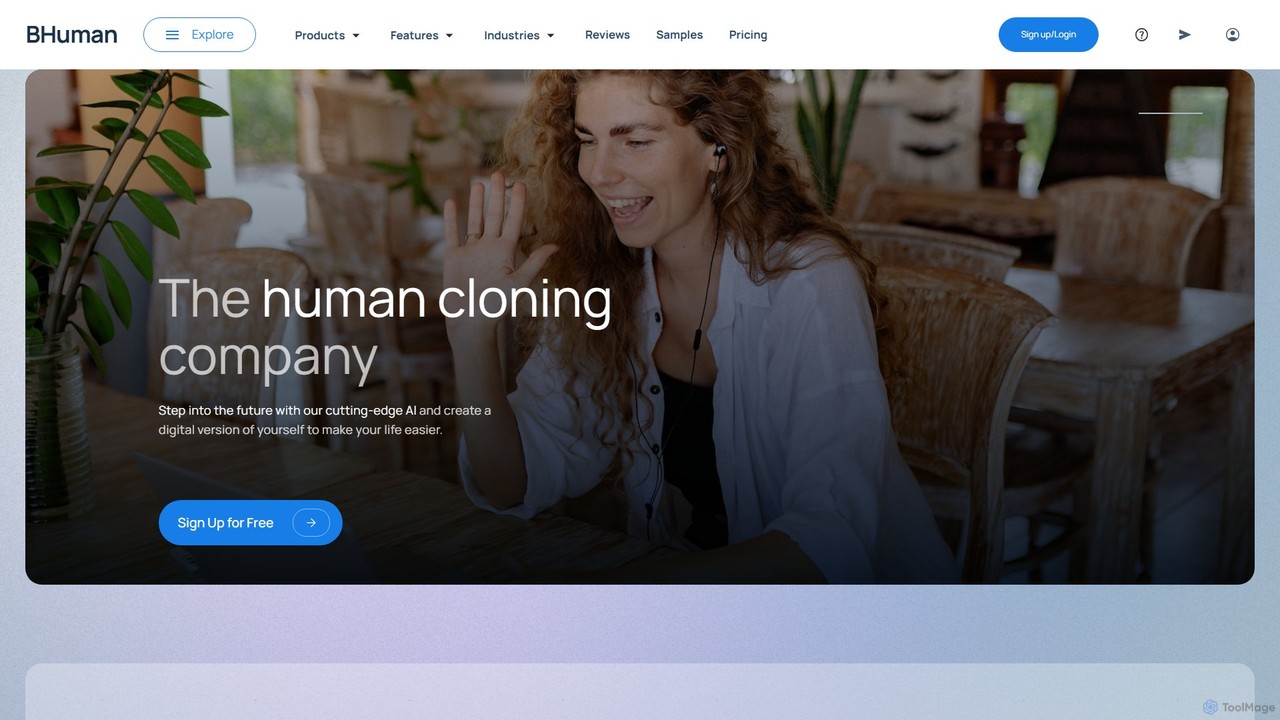
BHuman is an AI-powered platform that enables businesses to create and send hyper-personalized videos at scale. By cloning …

3.5K
BHuman

BHuman

BHuman is an AI-powered platform that enables users to create and send thousands of personalized videos at scale. …

12.5K
FolkTalk

FolkTalk

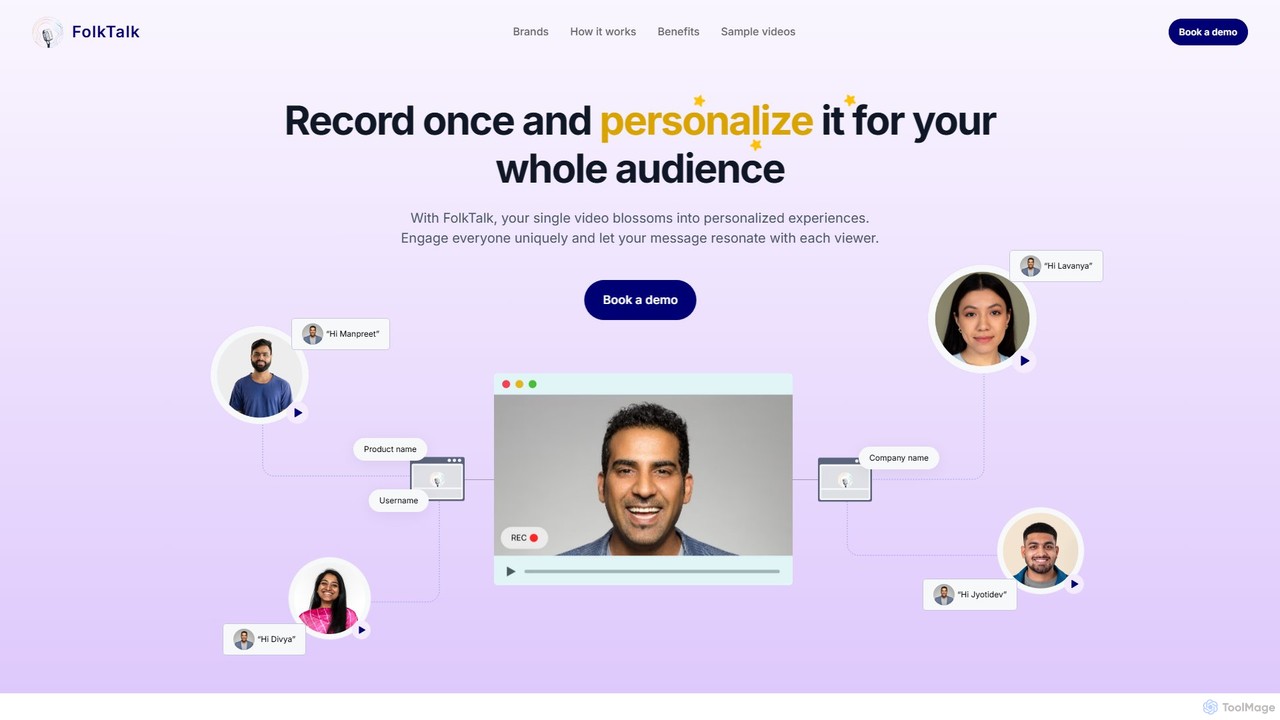
FolkTalk is an AI-powered platform that transforms a single video or audio recording into thousands of personalized versions. …

2.7K
The Trip Boutique

The Trip Boutique

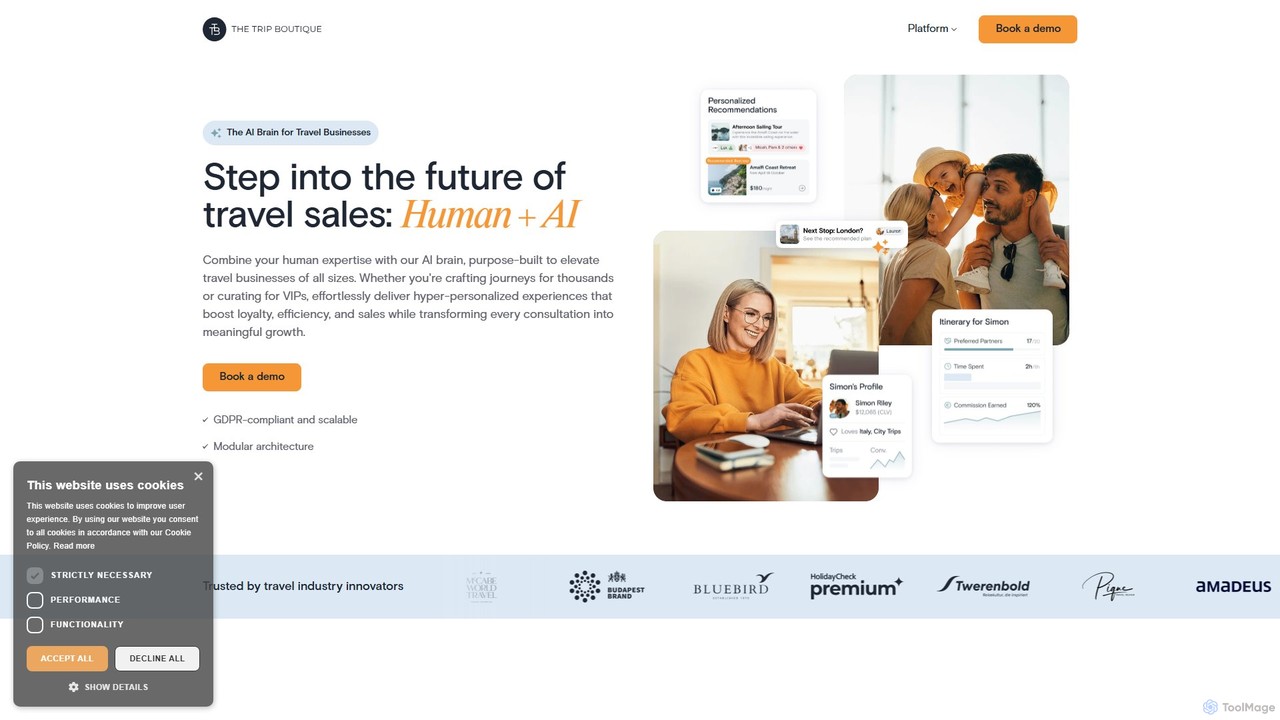
An AI-powered platform for travel businesses that combines human expertise with artificial intelligence to deliver hyper-personalized travel experiences, …

3.0K
Mutiny

Mutiny

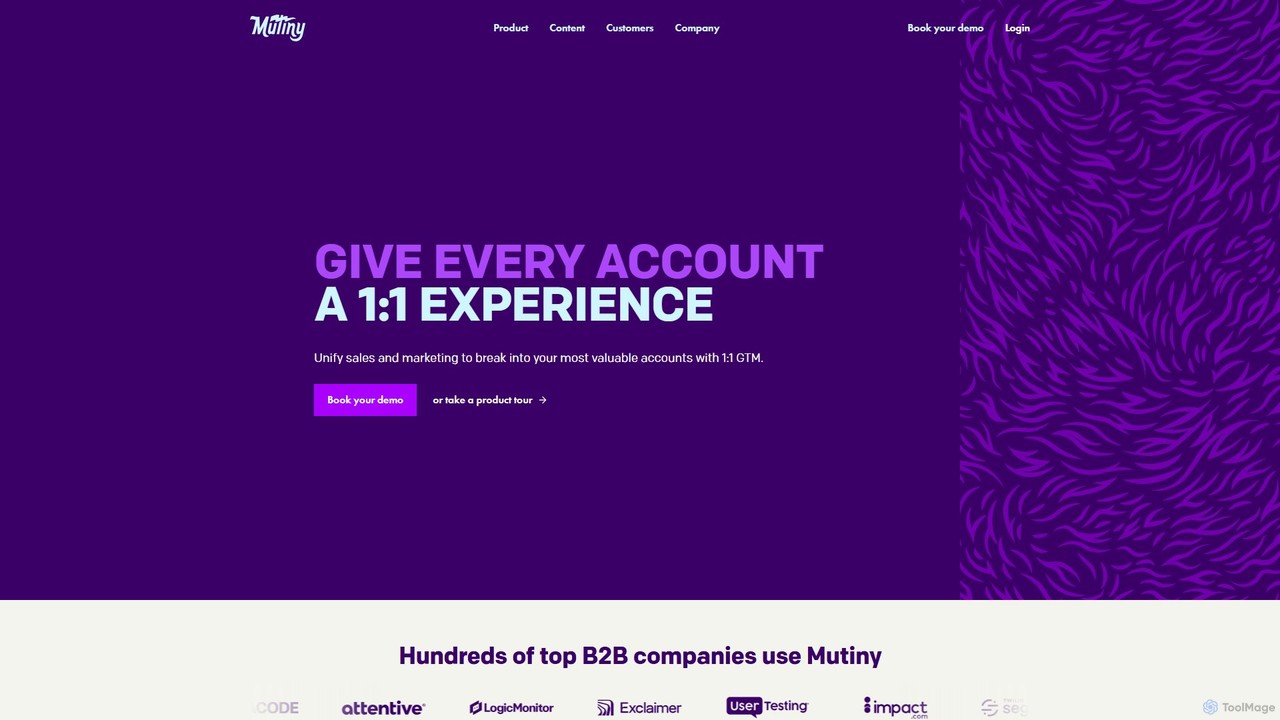
Mutiny is an AI-powered Account-Based Marketing (ABM) platform that enables B2B companies to deliver personalized 1:1 experiences to …

127.3K
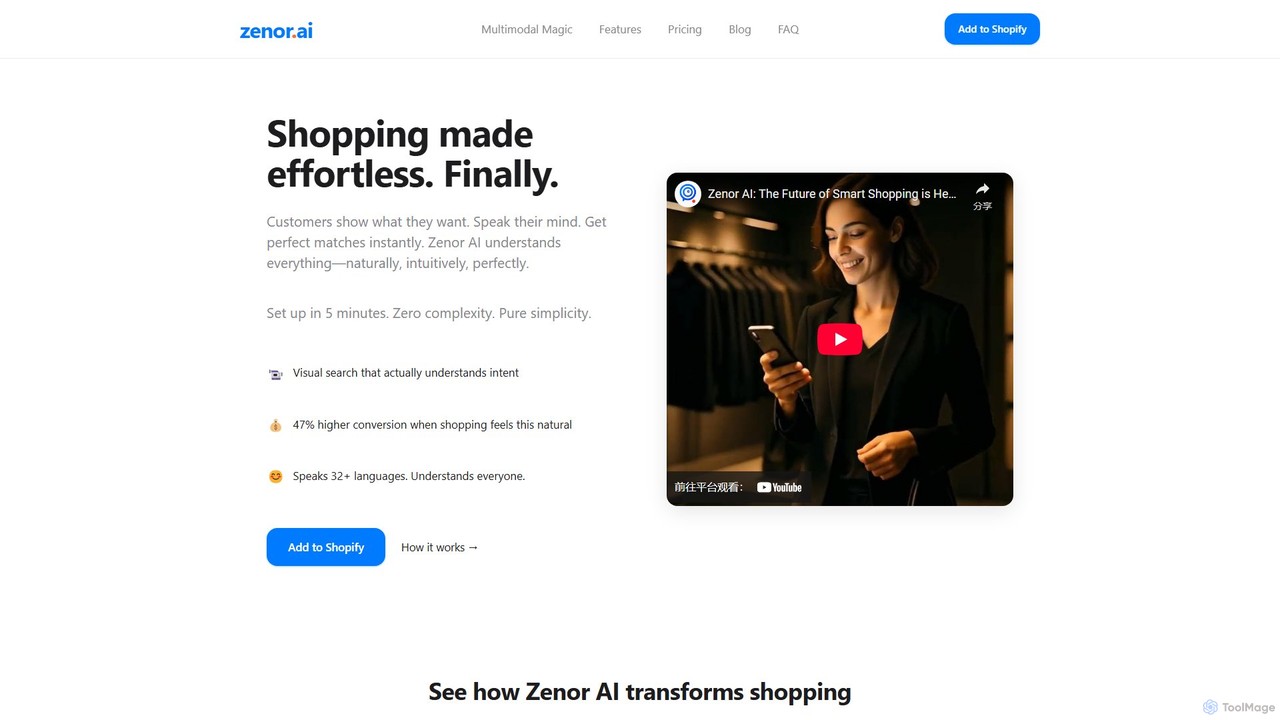
zenor.ai

zenor.ai

Zenor.ai is a revolutionary multimodal AI shopping assistant for Shopify stores. It empowers customers to find products by …

2.7K
Boutiq

Boutiq

Boutiq is an AI-powered video clienteling platform for Shopify stores. It bridges the gap between online and in-store …

2.8K
Foqus

Foqus

Foqus is an AI-powered behavioral intelligence platform designed for marketing teams. It provides deep customer profiling and automated …

4.5K
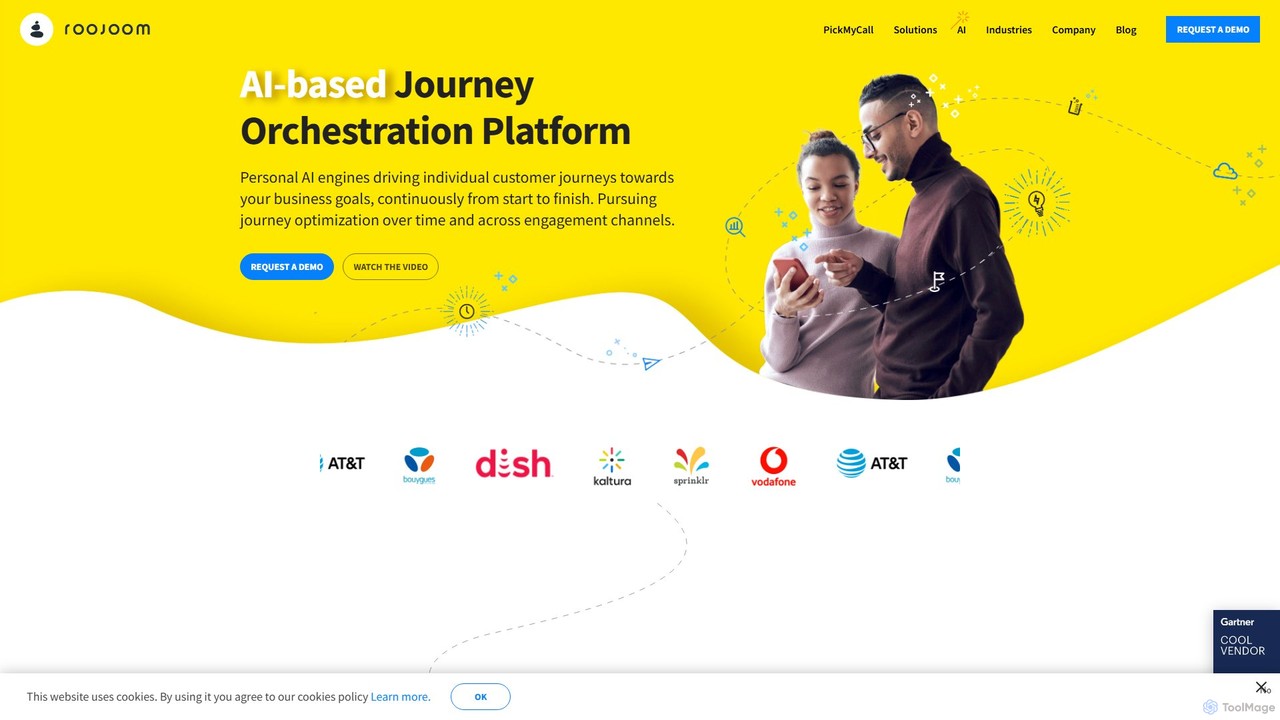
roojoom

roojoom

roojoom is an AI-powered journey orchestration platform that automates and personalizes customer journeys from start to finish. It …

5.8K

About Personalization

Personalization tools are a class of AI-powered software designed to create tailored experiences for individual users. These tools analyze user data—such as browsing behavior, purchase history, and demographic information—to dynamically deliver relevant content, product recommendations, and offers. Within the sales context, they enable businesses to move from generic mass communication to highly relevant one-to-one interactions at scale, significantly improving customer engagement and conversion rates.

Core Features

  • Dynamic Content Delivery: Automatically adapts website text, images, and promotions based on real-time user data and segments.
  • Predictive Recommendations: Utilizes machine learning algorithms to suggest products or content that a user is most likely to find appealing.
  • Behavioral Tracking and Profiling: Captures and analyzes user interactions across multiple touchpoints to build comprehensive, evolving customer profiles.
  • Automated Segmentation: Groups users into granular micro-segments based on complex behaviors and attributes for hyper-targeted campaigns.
  • A/B/n Testing and Optimization: Facilitates controlled experiments with different personalized variations to identify the most effective strategies.

Use Cases

These tools are widely used in e-commerce, digital marketing, SaaS, and media industries. For instance, an online retailer can display a unique homepage banner for returning customers, while a B2B software company can tailor website case studies to a visitor's specific industry, making the value proposition more immediate and compelling.

How to Choose

When selecting a Personalization tool, consider its integration capabilities with your existing CRM, e-commerce platform, and analytics stack. Evaluate the range of channels it supports (e.g., web, email, mobile app). Assess the sophistication of its AI models and the level of control you have over its logic. Finally, ensure it can scale to handle your data volume and traffic growth.

PersonalizationUse Cases

1

Dynamic Product Recommendations for E-commerce

An e-commerce manager for an online fashion retailer uses an AI personalization tool to enhance the shopping experience. The tool analyzes a visitor's real-time browsing behavior, past purchases, and items added to the cart. Based on this data, it dynamically populates 'You Might Also Like' and 'Frequently Bought Together' sections on product and checkout pages. This strategy leads to a measurable increase in average order value (AOV) and improves product discovery for customers, fostering repeat business.

2

Personalized Email Nurturing for SaaS Trials

A marketing operations specialist at a SaaS company implements a personalization tool to improve the trial-to-paid conversion rate. The tool integrates with their product analytics to track which features a trial user engages with most. It then triggers a series of automated emails with content tailored to that user's specific behavior, such as tips for an advanced feature they just tried or a case study relevant to their usage pattern. This hyper-relevant communication makes the user feel understood and demonstrates the product's value more effectively, boosting conversions.

3

Dynamic Website Content for B2B Lead Generation

A B2B technology company's marketing team uses a personalization platform to tailor its website for different visitor segments. By analyzing data like the visitor's industry (inferred from their IP address or form submissions) and the content they've engaged with, the website dynamically changes. For a visitor from the finance industry, the homepage hero section might feature a testimonial from a bank, while a visitor from healthcare sees a relevant case study. This immediate relevance captures attention, reduces bounce rates, and increases the number of qualified leads generated through the site.

4

Targeted On-Site Offers to Reduce Cart Abandonment

A direct-to-consumer (DTC) brand's growth marketer aims to decrease cart abandonment rates. They use a personalization tool to trigger specific on-site pop-ups based on user behavior. For example, if a user has items over a certain value in their cart and moves their cursor towards the exit button (exit-intent), a pop-up appears offering free shipping. For a first-time visitor, the offer might be a 10% discount. This targeted, timely intervention provides the final nudge needed to complete the purchase, directly recovering potentially lost sales.

5

Personalized Content Hub for Media Engagement

A product manager at a digital media company uses a personalization engine to create a unique homepage experience for each logged-in user. The engine tracks the topics, authors, and formats (e.g., articles, videos, podcasts) a user consumes. It then curates the homepage feed to feature more content aligned with these preferences, while also introducing new, related topics to encourage discovery. This leads to increased session duration, higher ad impressions per user, and a stronger sense of loyalty, making users more likely to subscribe.

6

Customized User Onboarding for Mobile Apps

A product team for a mobile fitness app leverages a personalization tool to improve user retention from day one. During signup, the app asks users about their goals (e.g., lose weight, build muscle) and fitness level. The personalization engine uses these inputs to generate a custom first-week workout plan and deliver tailored in-app messages and push notifications, such as a congratulatory message after their first workout. This guided, relevant onboarding experience helps users achieve early wins, understand the app's value quickly, and significantly reduces 7-day churn.

PersonalizationFrequently Asked Questions