TENET
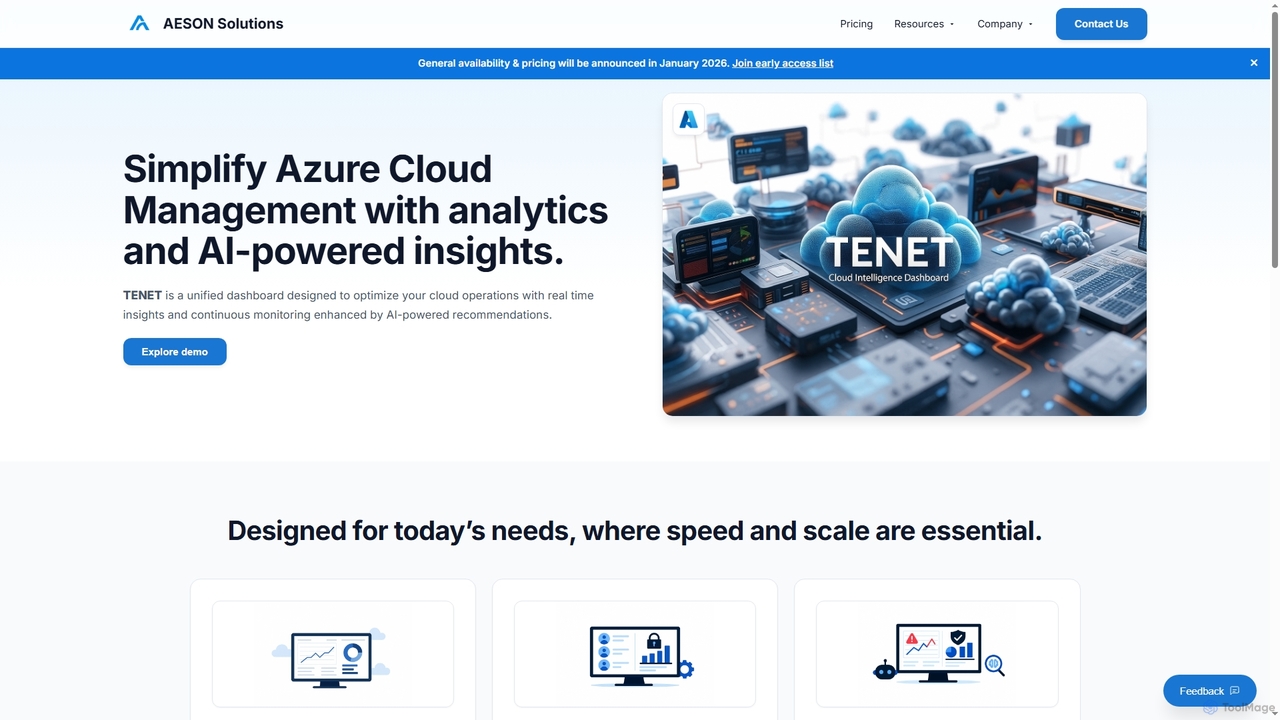
TENET is an AI-powered Azure Cloud Intelligence Platform by AESON Solutions, designed to simplify cloud management. It provides …
TENET is an AI-powered Azure Cloud Intelligence Platform by AESON Solutions, designed to simplify cloud management. It provides a unified dashboard with real-time analytics and continuous monitoring, enhanced by AI-driven insights and recommendations to optimize cloud operations, detect anomalies, and strengthen security.
Vectra AI
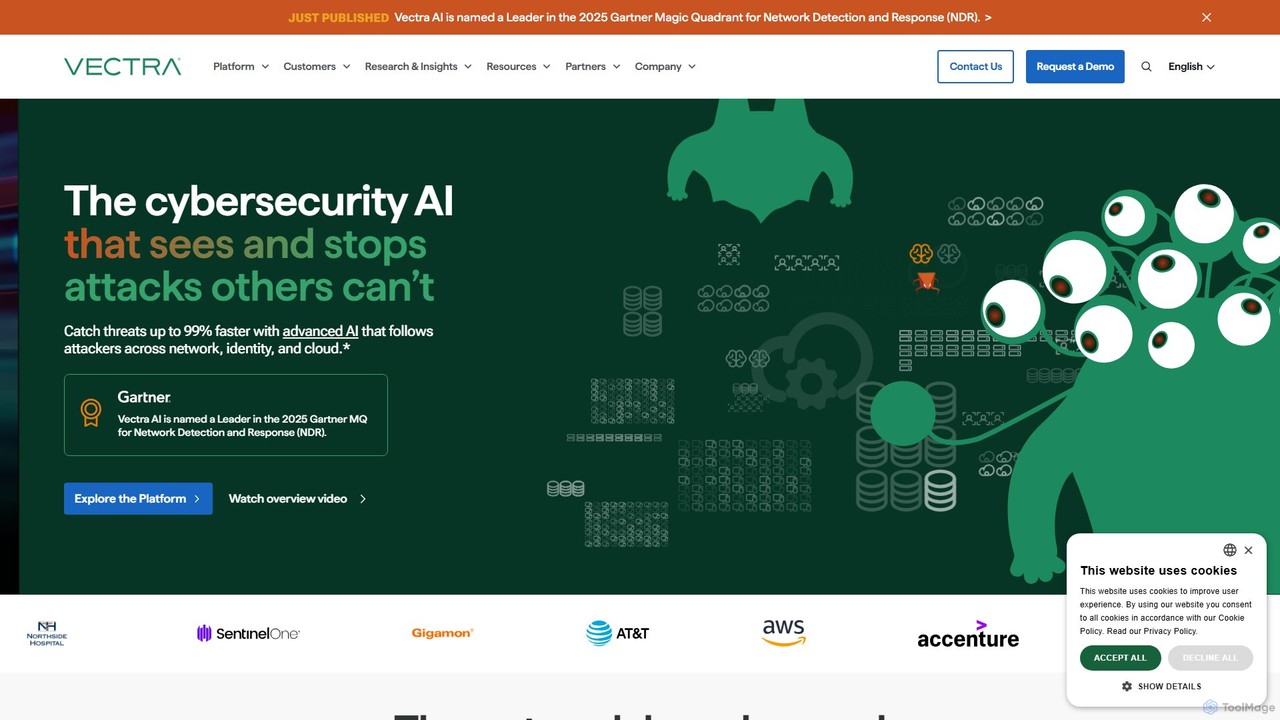
Vectra AI is an advanced cybersecurity platform that uses patented AI-driven Attack Signal Intelligence™ to detect and stop …
Vectra AI is an advanced cybersecurity platform that uses patented AI-driven Attack Signal Intelligence™ to detect and stop sophisticated cyberattacks across network, identity, cloud, and SaaS environments. It provides high-fidelity threat signals, reducing alert fatigue and enabling security teams to respond to real attacks up to 99% faster. Trusted by over 1,600 enterprises, Vectra AI offers unparalleled visibility and context to uncover hidden attacker behaviors that other tools miss.
CrowdStrike
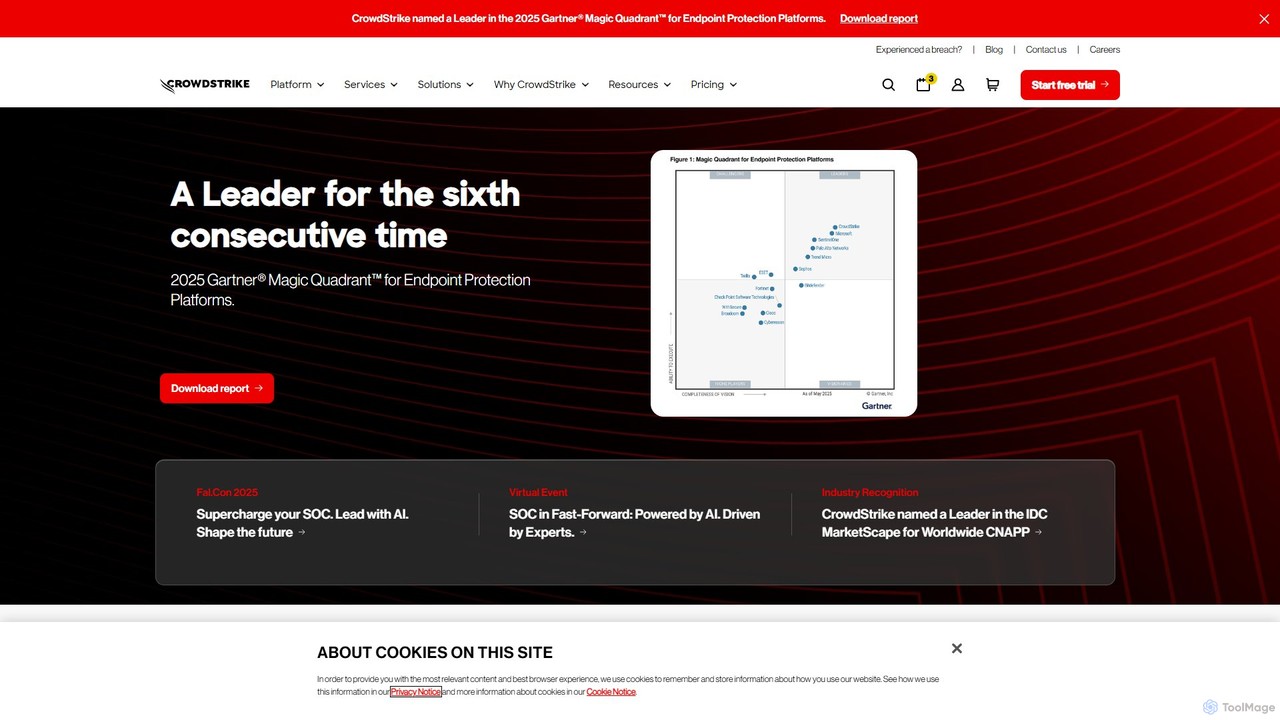
CrowdStrike is a global cybersecurity leader with its AI-native Falcon platform. It unifies endpoint security, cloud security, identity …
CrowdStrike is a global cybersecurity leader with its AI-native Falcon platform. It unifies endpoint security, cloud security, identity protection, and threat intelligence into a single, lightweight agent solution. By leveraging advanced AI and real-time threat data, CrowdStrike proactively stops breaches, providing comprehensive visibility and automated protection across the entire enterprise.
Censornet
Censornet is an autonomous, integrated cloud security platform that unifies Web Security, Email Security, and Cloud Application Security …
Censornet is an autonomous, integrated cloud security platform that unifies Web Security, Email Security, and Cloud Application Security (CASB). Powered by AI, it provides mid-market organizations and MSPs with a single, easy-to-manage solution to protect people, apps, and data from cyber threats without the complexity of multiple point products.
About Cloud Security
Cloud Security tools are AI-powered solutions designed to protect data, applications, and infrastructure hosted in cloud environments. These tools leverage advanced algorithms and machine learning to identify vulnerabilities, monitor threats, and enforce security policies across various cloud platforms like AWS, Azure, and Google Cloud. They help organizations maintain compliance, mitigate risks, and ensure the integrity and confidentiality of their cloud assets, addressing the unique challenges of distributed cloud architectures.
Core Features
- Cloud Security Posture Management (CSPM): Automatically identifies misconfigurations and compliance violations in cloud resources.
- Cloud Workload Protection (CWP): Secures virtual machines, containers, and serverless functions from runtime threats.
- Cloud Access Security Broker (CASB): Enforces security policies for cloud application access and data usage.
- Identity and Access Management (IAM) Governance: Manages and audits user and service identities and their permissions within the cloud.
- Threat Detection and Response: Uses AI to detect anomalous behavior and automate responses to potential security incidents.
Applicable Scenarios
Organizations use Cloud Security tools to ensure compliance with industry regulations like GDPR and HIPAA, protect sensitive customer data stored in the cloud, and prevent unauthorized access to critical cloud infrastructure. They are essential for businesses migrating to the cloud or operating hybrid cloud environments, providing continuous monitoring and proactive defense against evolving threats.
Selection Criteria
When selecting Cloud Security tools, consider the breadth of cloud platforms supported (e.g., multi-cloud vs. single-cloud), the specific security domains covered (e.g., CSPM, CWP, CASB), integration capabilities with existing security tools, and the level of automation and AI-driven insights provided. Scalability, compliance reporting features, and ease of deployment are also crucial factors for effective cloud protection.

Cloud SecurityUse Cases
Automate Cloud Compliance Audits
Cloud compliance officers use AI-driven Cloud Security Posture Management (CSPM) tools to continuously monitor their cloud environments against regulatory frameworks like GDPR, HIPAA, or PCI DSS. The tools automatically identify misconfigurations, policy violations, and generate detailed reports, significantly reducing manual audit efforts and ensuring adherence to security standards across thousands of cloud resources.
Real-time Threat Detection in Cloud Workloads
DevOps teams and security analysts deploy Cloud Workload Protection (CWP) platforms to safeguard virtual machines, containers, and serverless functions. These tools use behavioral analytics and machine learning to detect anomalous activities, malware, and zero-day exploits in real-time, providing immediate alerts and automated remediation actions to protect critical applications from compromise.
Secure SaaS Application Access and Data
IT security administrators implement Cloud Access Security Brokers (CASB) to enforce granular security policies for employees accessing SaaS applications like Office 365 or Salesforce. CASBs prevent data exfiltration, detect shadow IT, and ensure sensitive information is not shared inappropriately, providing visibility and control over data in sanctioned and unsanctioned cloud apps.
Manage Cloud Identity and Access Governance
Security operations teams utilize Cloud Identity and Access Management (IAM) governance tools to manage and audit user and service principal permissions across multi-cloud environments. These tools help identify excessive privileges, enforce least privilege principles, and detect suspicious access patterns, preventing unauthorized lateral movement and privilege escalation attacks.
Prevent Data Loss in Cloud Storage
Data protection officers deploy Cloud Data Loss Prevention (DLP) solutions to scan and classify sensitive data stored in cloud object storage (e.g., S3 buckets) and databases. These tools automatically identify PII, financial data, or intellectual property, and enforce policies to prevent accidental exposure or malicious exfiltration, ensuring data confidentiality.
Automated Vulnerability Management for Cloud Assets
Security engineers leverage Cloud Security tools with integrated vulnerability scanning capabilities to continuously assess their cloud infrastructure for known weaknesses. These tools prioritize vulnerabilities based on exploitability and business impact, and often suggest automated remediation steps, streamlining the patching process and reducing the attack surface.