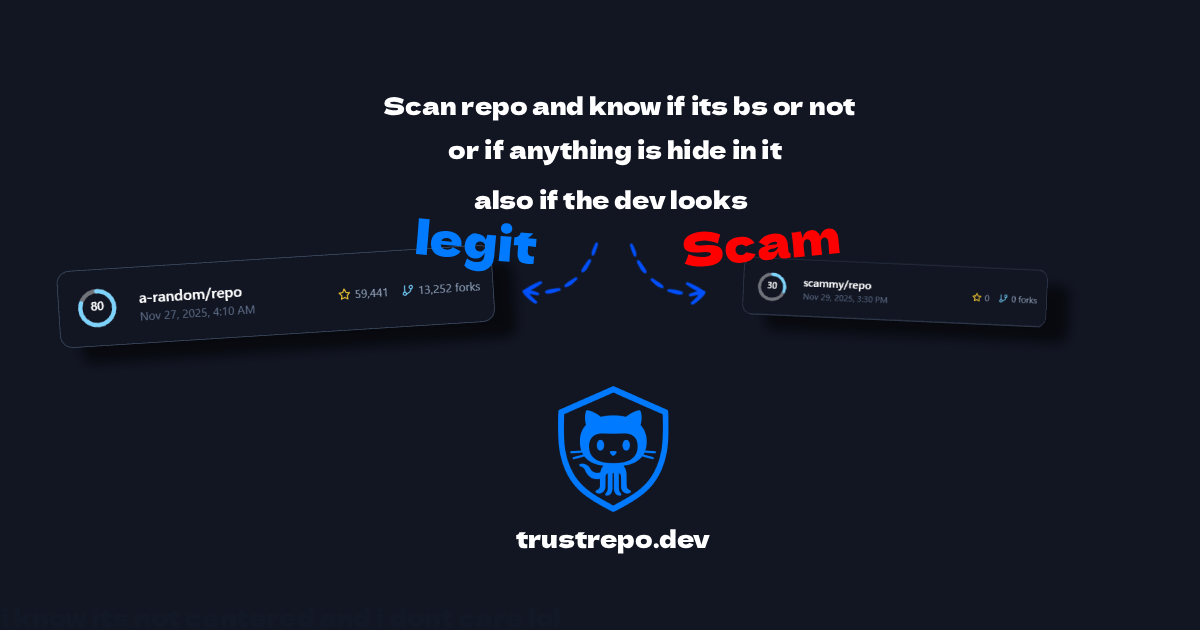
Code Security tools are AI-powered solutions designed to identify, prevent, and mitigate vulnerabilities in software code throughout the entire development lifecycle. Leveraging advanced static and dynamic analysis, these tools automatically scan source code, binaries, and running applications to detect security flaws, compliance issues, and potential exploits. They empower developers and security teams to build more resilient software, reduce risks, and ensure adherence to security best practices from the earliest stages of development, integrating seamlessly into modern DevOps workflows.
Core Features
- Static Application Security Testing (SAST): Analyzes source code or compiled versions for vulnerabilities without executing the code, identifying issues like SQL injection, cross-site scripting, and insecure direct object references early in the development process.
- Dynamic Application Security Testing (DAST): Tests running applications for vulnerabilities by simulating attacks and monitoring responses, uncovering runtime issues such as authentication bypasses, session management flaws, and server misconfigurations.
- Software Composition Analysis (SCA): Identifies and manages open-source components and third-party libraries used in applications, detecting known vulnerabilities (CVEs) and licensing issues that could pose legal or security risks.
- Interactive Application Security Testing (IAST): Combines aspects of SAST and DAST by analyzing code during runtime from within the application, offering precise vulnerability detection with context and reducing false positives.
- Secrets Detection: Scans codebases, configuration files, and commit histories for hardcoded credentials, API keys, tokens, and other sensitive information that could lead to unauthorized access if exposed.
- Security Misconfiguration Detection: Identifies common security misconfigurations in application settings, cloud environments, and infrastructure-as-code templates that could create exploitable weaknesses.
Applicable Scenarios
Code Security tools are indispensable for software development teams, DevOps engineers, and security professionals across various industries, from fintech to healthcare. They are primarily used in continuous integration/continuous deployment (CI/CD) pipelines to automate security checks, ensuring that every new code commit and build is scanned for critical vulnerabilities before deployment. This proactive approach helps prevent security defects from reaching production. Furthermore, these tools assist organizations in achieving and maintaining compliance with stringent industry regulations like GDPR, HIPAA, PCI DSS, and SOC 2 by enforcing security standards, providing comprehensive audit trails of security assessments, and generating compliance reports.
How to Choose
When selecting Code Security tools, consider the specific types of vulnerabilities you need to detect, the programming languages and frameworks predominantly used in your projects, and the tool's integration capabilities with your existing CI/CD pipeline, IDEs, and issue trackers. Evaluate the accuracy of its findings, aiming for solutions that minimize false positives while effectively identifying critical threats. Assess the clarity and actionability of its remediation guidance, which should help developers quickly understand and fix issues. Scalability to grow with your codebase and team size, along with comprehensive reporting features for compliance and auditing, are also crucial. Finally, consider the vendor's reputation, support, and the tool's community adoption.