ToolMage
Sign in

Best 10 Video Surveillance AI tools for Security

Popular Video Surveillance AI tools in Security include Ambient.ai, Omnilert, YiIotCloud, livepatrol, icetana, Oosto, AI Bot Eye, ipsotek, Realcoderz, and S3cura, helping you work more efficiently.

Realcoderz

Realcoderz

Realcoderz offers AI-powered workforce automation solutions, including advanced attendance tracking, comprehensive HRMS with LMS, and intelligent CCTV surveillance. Trusted by diverse industries, it streamlines operations, enhances security, and optimizes talent management through hardware-agnostic, flexible deployment options.

Recruitment
Visits 5.7KFavorites 87Likes 80
S3cura
Freemium

S3cura

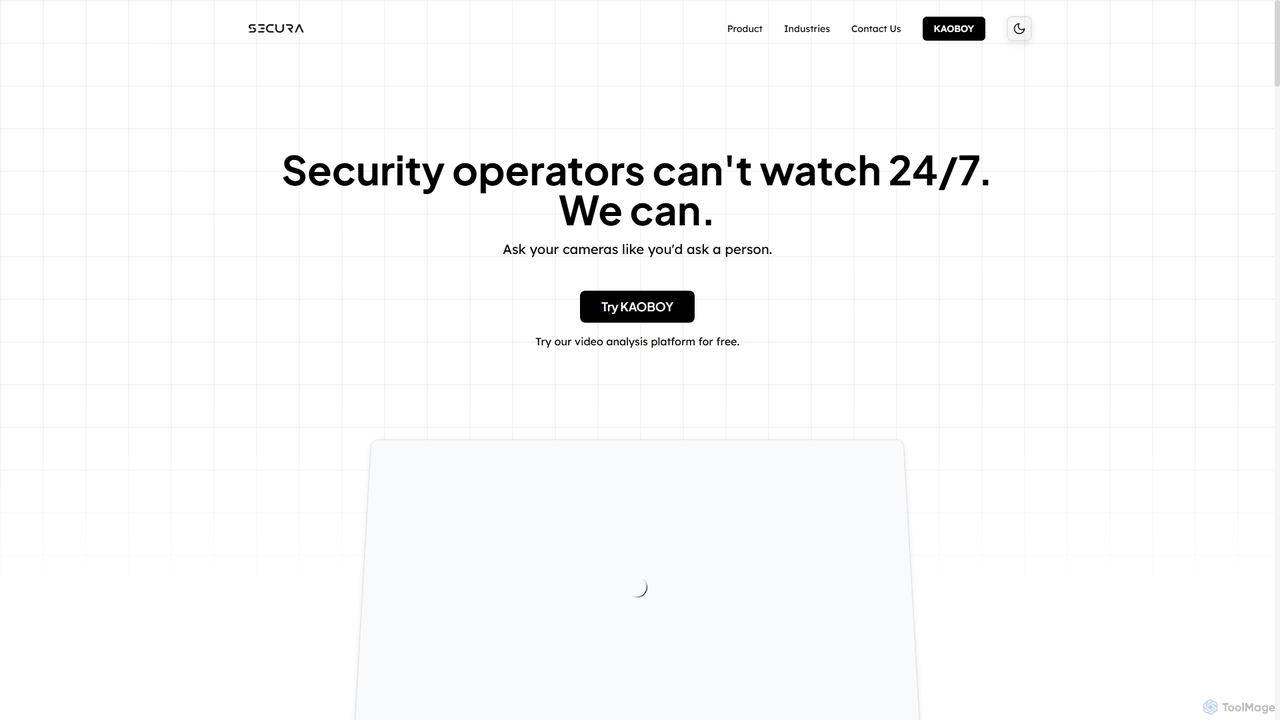
S3cura is an advanced AI-powered video surveillance platform designed to upgrade existing security systems. It leverages generative AI to understand events, enabling natural language queries across multiple cameras. The system provides sub-30-second threat alerts, significantly reduces false alarms, and delivers verifiable, forensic-ready evidence for enhanced security operations.

Generative Ai
Visits 5.7KFavorites 121Likes 130
YiIotCloud
Paid

YiIotCloud

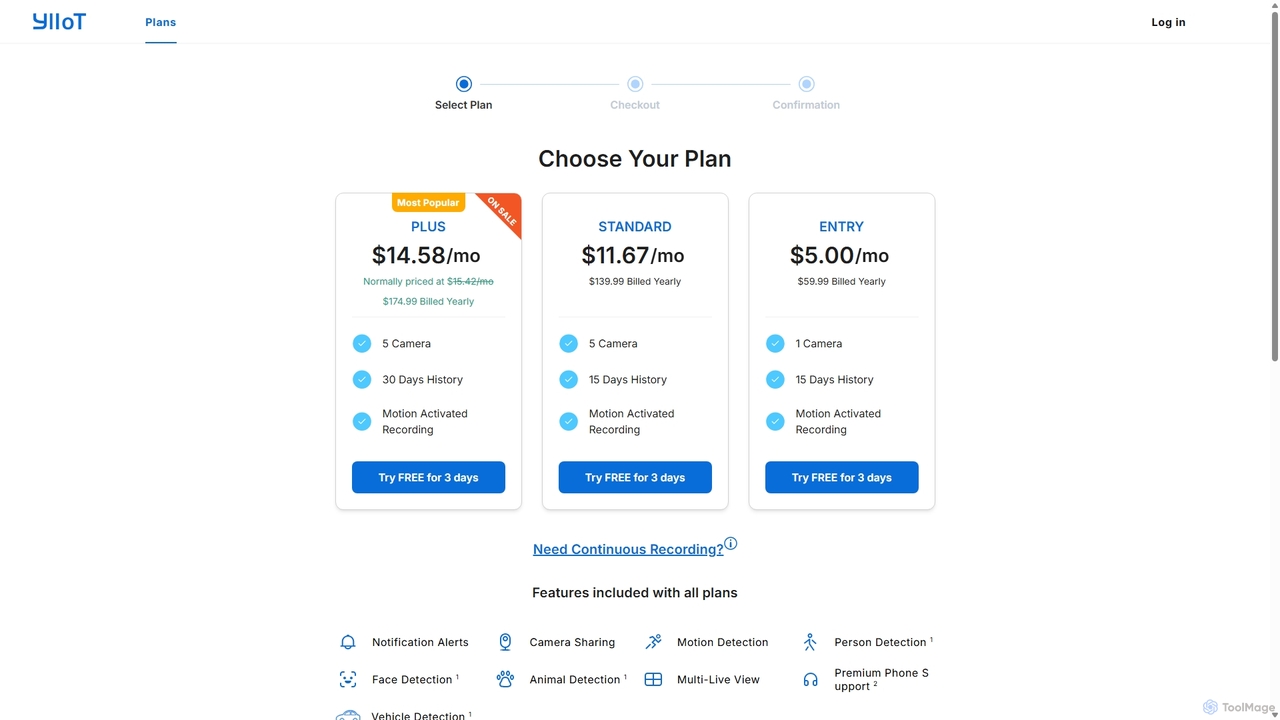
YiIotCloud is an intelligent cloud storage and management platform for YI and Kami security cameras. It enhances home and business security with secure cloud recording, real-time alerts, and advanced AI-powered detection for people, faces, vehicles, and animals, ensuring you only receive notifications that matter.

Smart Home
Visits 32.2KFavorites 100Likes 121
Omnilert
Paid

Omnilert

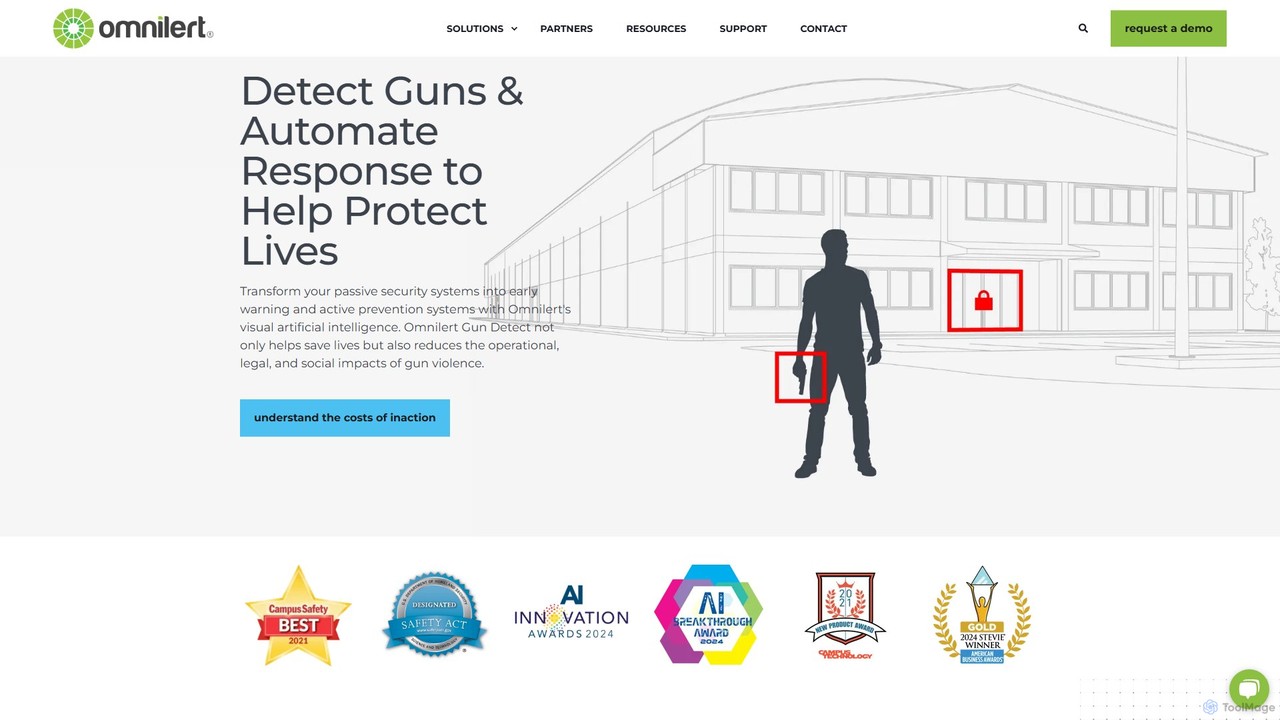
Omnilert is a leader in AI-powered visual gun detection and emergency notification systems. It transforms existing security cameras into proactive threat detection tools, capable of identifying firearms in real-time. The system combines AI monitoring with human verification to ensure accuracy, triggering automated responses like lockdowns and alerting first responders. This provides critical early warnings to help protect lives and mitigate the impact of gun violence across various industries.

Risk Management
Visits 34.9KFavorites 152Likes 151
icetana
Paid

icetana

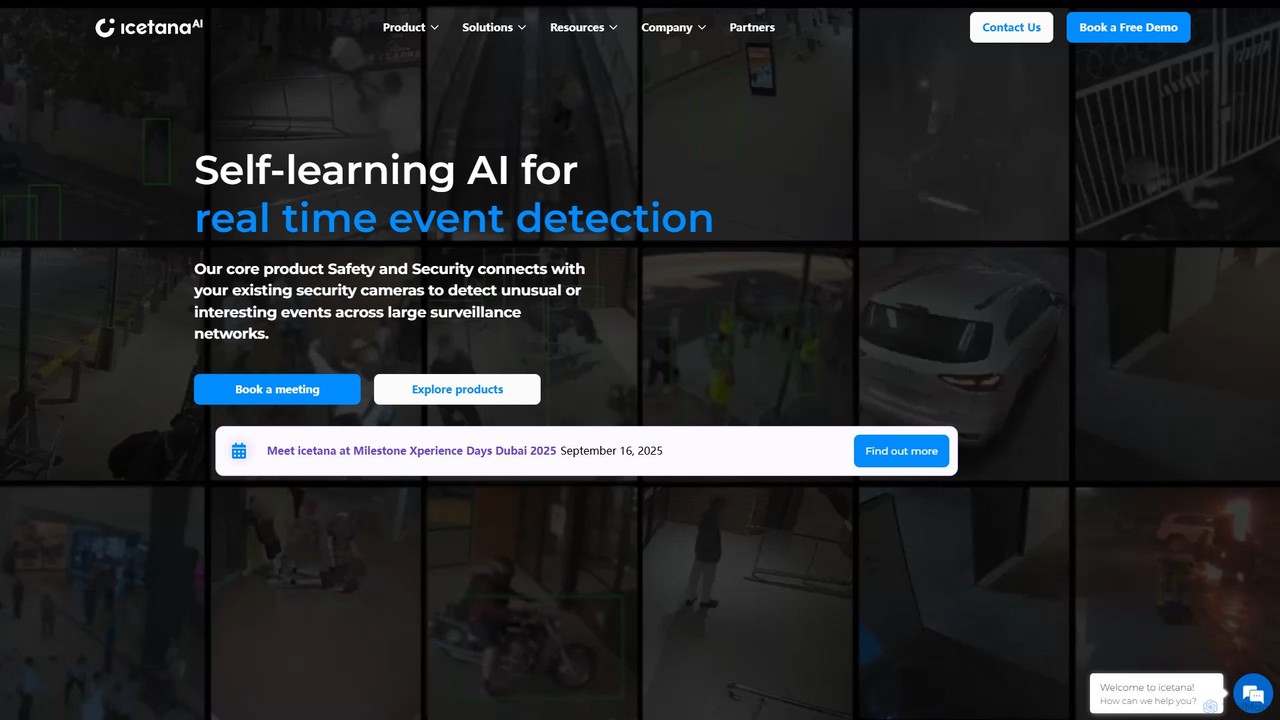
icetana is an AI-powered video analytics platform that enhances existing CCTV systems by automatically detecting anomalies and unusual events. It uses self-learning AI to identify threats in real-time, helping security teams monitor large-scale camera networks proactively and efficiently, reducing operator workload and improving response times.

Analytics
Visits 13.6KFavorites 149Likes 156
Oosto
Paid

Oosto

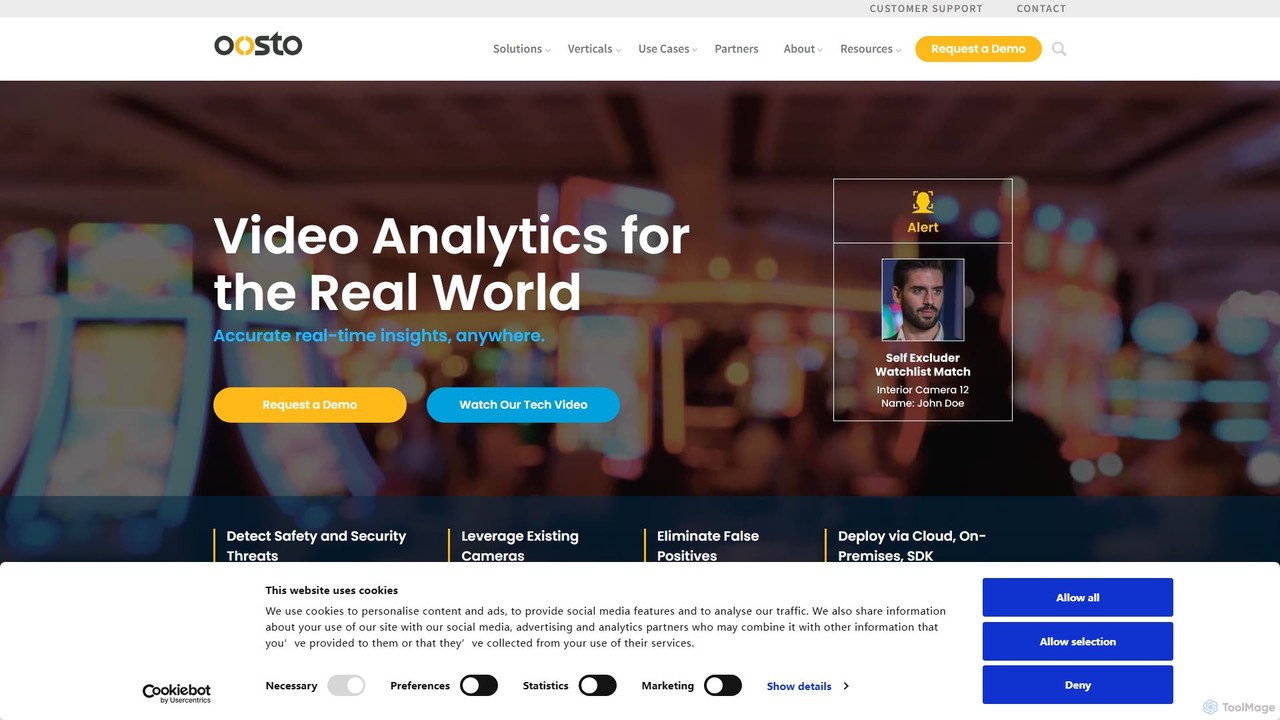
Oosto (formerly AnyVision) is a leading Vision AI platform specializing in real-time facial recognition and video analytics for enterprise security. It enhances physical security by identifying persons of interest, automating access control, and providing actionable operational intelligence from existing video streams.

Vision Ai
Visits 9.6KFavorites 133Likes 135
AI Bot Eye
Paid

AI Bot Eye

AI Bot Eye is an advanced AI-powered video surveillance platform that upgrades existing CCTV systems. It provides intelligent features like real-time intrusion detection, fire and smoke monitoring, face recognition, and license plate detection to enhance security and operational efficiency for businesses and residential communities.

Safety Management
Visits 7.4KFavorites 140Likes 146
Ambient.ai
Paid

Ambient.ai

Ambient.ai is an AI-powered physical security platform that uses computer vision to transform existing security cameras into a proactive threat detection system. It automates monitoring 24/7, identifies hundreds of threats in real-time, reduces false alarms by 95%, and accelerates investigations by 20x. By unifying camera and access control data, it provides complete situational awareness and enables security teams to prevent incidents before they escalate, significantly improving operational efficiency and safety.

Risk Management
Visits 75.4KFavorites 116Likes 131
ipsotek
Paid

ipsotek

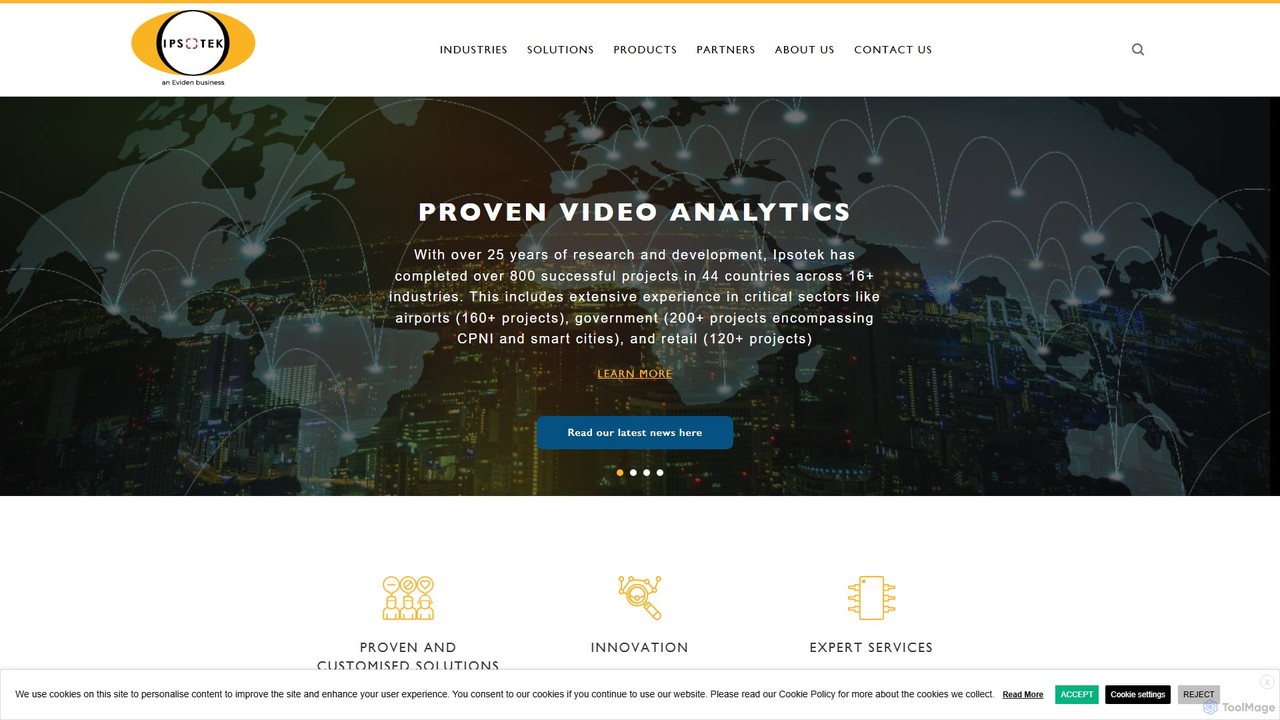
ipsotek is an advanced AI-powered video analytics platform that provides real-time threat detection and forensic video analysis. It transforms standard CCTV systems into proactive security solutions, enhancing safety, security, and operational efficiency for various industries.

Analytics
Visits 7.4KFavorites 134Likes 151
livepatrol
Paid

livepatrol

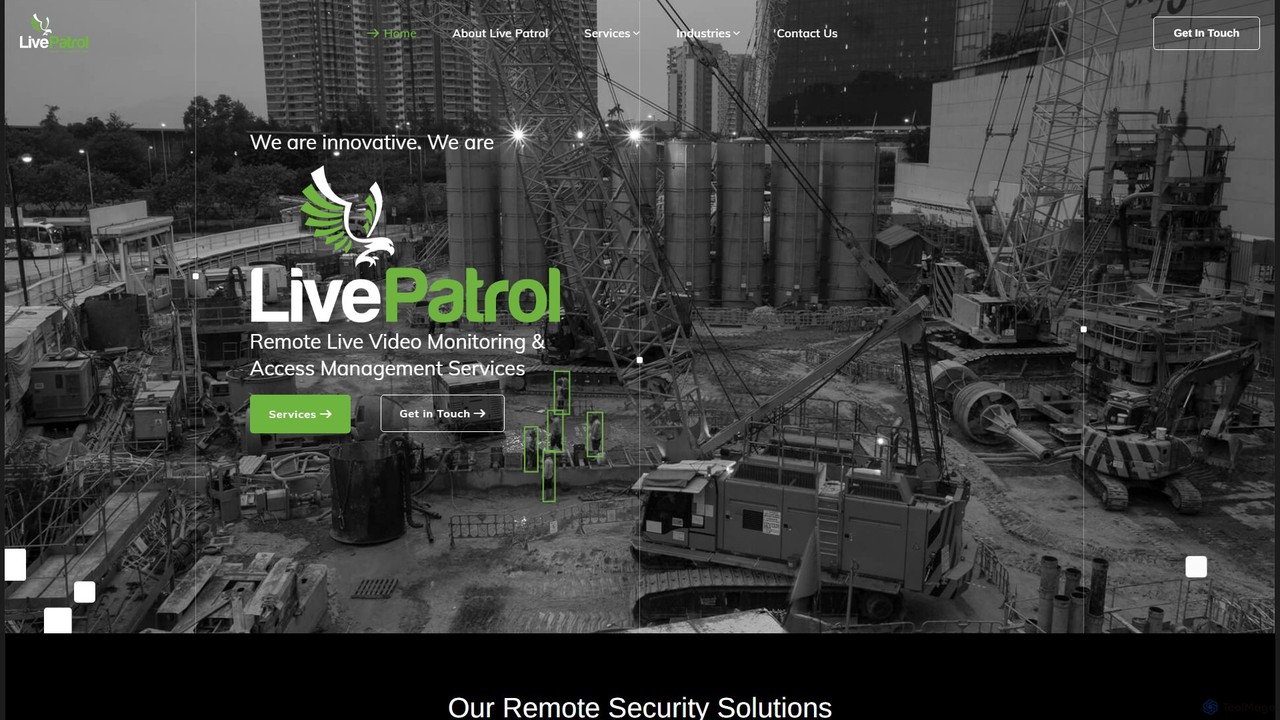
Live Patrol offers AI-powered live video monitoring and remote security solutions. It combines advanced AI for real-time threat detection with 24/7 human oversight to protect properties. Services include remote access control, virtual concierge, and detailed reporting, tailored for industries like construction, retail, and property management to prevent crime and reduce costs.

Operations Management
Visits 19.4KFavorites 126Likes 132

About Video Surveillance

AI Video Surveillance tools are advanced systems that use artificial intelligence to automatically analyze video streams in real-time. By leveraging computer vision and machine learning algorithms, these tools can identify objects, detect specific events, and recognize behavioral patterns without human intervention. This transforms traditional passive monitoring into a proactive security and operational intelligence solution. AI Video Surveillance is widely applied to enhance safety, prevent losses, and optimize processes in commercial, public, and residential environments by providing actionable alerts and searchable video data.

Core Features

  • Real-time Event Detection: Automatically identifies specific actions such as intrusion, loitering, falls, or objects left behind.
  • Object Recognition and Classification: Distinguishes between people, vehicles, animals, and other specific items within the video feed.
  • Behavioral Analysis: Analyzes movement and interaction patterns to detect anomalies like fighting, vandalism, or unusual crowd formations.
  • Intelligent Video Search: Enables rapid searching through hours of footage using filters like object type, color, or time of appearance.
  • License Plate and Facial Recognition: Identifies registered vehicles and individuals for access control, security alerts, or forensic analysis.

Use Cases

These tools are crucial for various sectors. In retail, they help with loss prevention and customer traffic analysis. For smart cities, they are used for traffic management and public safety monitoring. Industrial facilities deploy them to enforce safety protocols, such as ensuring personal protective equipment (PPE) is worn. In corporate and residential settings, they provide intelligent access control and enhanced perimeter security.

How to Choose

When selecting an AI Video Surveillance tool, consider its detection accuracy and the rate of false positives. Evaluate its integration capabilities with your existing camera hardware and security systems. Assess the scalability of the platform to support future expansion. Also, compare deployment models (cloud, on-premise, or hybrid) and scrutinize the provider's data privacy policies and compliance with regulations like GDPR.

Featured tool rankings

Video Surveillance use cases

1

Retail Loss Prevention and Analytics

A retail store manager uses an AI video surveillance system to reduce theft and understand customer behavior. The system is configured to detect suspicious activities in real-time, such as individuals loitering near high-value merchandise or 'shelf-sweeping' (taking many items at once). When such an event is detected, an alert is sent to security personnel's mobile devices, allowing for immediate intervention. Additionally, the system generates heatmaps of customer traffic, showing which aisles and displays are most popular, helping the manager optimize store layout and product placement for increased sales.

2

Smart City Traffic Management

A city's traffic control center implements an AI video surveillance network to optimize traffic flow and improve public safety. Cameras at major intersections analyze vehicle and pedestrian density in real-time. The system automatically detects traffic jams, accidents, and illegally parked vehicles, instantly notifying operators. Based on the real-time data, it can dynamically adjust traffic light timings to ease congestion. The intelligent search feature also allows law enforcement to quickly locate vehicles involved in incidents by searching for specific attributes like color, type, and license plate number, drastically reducing investigation time.

3

Industrial Safety and Compliance Monitoring

A manufacturing plant safety officer uses AI video surveillance to enforce safety protocols automatically. Cameras positioned in production areas and warehouses monitor for compliance with Personal Protective Equipment (PPE) policies, such as wearing hard hats and safety vests. The system sends an alert if an employee enters a designated area without the required PPE. It also monitors for safety hazards like blocked emergency exits or spills on the floor. This proactive monitoring helps prevent accidents, ensures compliance with industry regulations, and creates a safer working environment without requiring constant manual supervision.

4

Automated Access Control for Facilities

A corporate campus enhances its security by integrating AI video surveillance with its access control system. Using facial recognition, the system automatically grants access to registered employees at building entrances and restricted zones, eliminating the need for physical key cards. It logs every entry and exit with a video snapshot for audit purposes. If an unrecognized person or a former employee attempts to enter, the system denies access and instantly alerts the security team with the person's image and location. This creates a seamless and highly secure access experience while reducing administrative overhead.

5

Intelligent Home and Property Security

A homeowner installs an AI-powered camera system to secure their property. Unlike traditional motion detectors that trigger false alarms from pets or swaying trees, this system uses object recognition to differentiate between people, animals, and vehicles. The user can set up custom rules, such as receiving an alert only when a person is detected in the backyard after 10 PM or when a package is delivered to the front porch. This level of specific, intelligent alerting provides genuine peace of mind and reduces notification fatigue, ensuring that the user only pays attention to events that truly matter.

6

Public Event Crowd Management

Organizers of a large music festival use AI video surveillance to ensure public safety. The system monitors crowd density in real-time across the venue, identifying potential bottlenecks or overcrowding at stages and exits. It can also detect anomalies in crowd behavior, such as sudden mass movements that could indicate a panic or fights breaking out. Security teams receive live updates and alerts on a central dashboard, allowing them to proactively dispatch personnel to manage situations before they escalate. This technology provides critical situational awareness, helping to create a safer and more enjoyable experience for all attendees.

Video Surveillance FAQ

What is AI Video Surveillance?

AI Video Surveillance is a technology that uses artificial intelligence, primarily computer vision and machine learning, to analyze video footage automatically and in real-time. Instead of simply recording video for later review, these systems actively interpret what is happening. They can identify objects (people, vehicles), detect specific events (intrusions, falls), and recognize patterns (loitering, crowd formation). This transforms video cameras from passive recorders into proactive security sensors that provide immediate, actionable insights and alerts.

How does AI Video Surveillance differ from traditional CCTV?

The primary difference lies in intelligence and proactivity. Traditional CCTV systems are passive; they record footage that must be manually reviewed by a human operator, usually after an incident has occurred. AI Video Surveillance is proactive. It analyzes video streams in real-time and automatically generates alerts for specific events. Key distinctions include:

  • Analysis: AI performs real-time analysis, while CCTV requires manual, post-event review.
  • Alerts: AI provides instant, specific alerts (e.g., 'Person detected in restricted area'), whereas CCTV relies on operators noticing an event.
  • Search: AI allows for intelligent search (e.g., 'Find all blue cars'), while finding an event in CCTV footage requires manually scrubbing through hours of video.
What are the key features to look for in an AI Video Surveillance tool?

When evaluating AI Video Surveillance tools, focus on features that deliver accuracy, flexibility, and actionable intelligence. Key features include:

  • High Detection Accuracy: The ability to correctly identify objects and events with a low rate of false alarms is critical.
  • Integration Capabilities: The tool should easily integrate with your existing infrastructure, including various camera models (IP, analog) and other security systems (e.g., access control).
  • Scalability: Ensure the system can handle an increasing number of cameras and data volume as your needs grow.
  • Customizable Rules and Alerts: The ability to define specific rules for your environment and customize how you receive alerts (e.g., mobile push, email).
  • Data Security and Privacy: Look for features like end-to-end encryption, data anonymization options, and compliance with privacy regulations like GDPR or CCPA.
Can AI Video Surveillance work with my existing cameras?

In many cases, yes. A significant advantage of modern AI video surveillance platforms is their ability to work with a wide range of existing camera hardware. Many solutions are designed to be camera-agnostic, meaning they can process video streams from most standard IP cameras. Some systems can also integrate with older analog cameras through devices like video encoders. Before choosing a tool, it's essential to verify its compatibility with your specific camera models and your network video recorder (NVR) or video management system (VMS) to ensure a smooth integration.

What are the privacy implications of AI Video Surveillance?

Privacy is a significant consideration for AI video surveillance. Technologies like facial recognition and constant monitoring raise valid concerns about data collection and personal freedom. Reputable providers address these concerns through several measures:

  • Data Encryption: Securing video data both in transit and at rest to prevent unauthorized access.
  • Anonymization Features: Tools that can blur faces or redact personal information from footage to protect the privacy of non-subjects.
  • Access Controls: Strict user permission systems that limit who can view live or recorded video.
  • Compliance and Transparency: Adherence to privacy regulations like GDPR and clear policies on how data is collected, used, and stored. When implementing a system, it's crucial to have a transparent policy and to use the technology ethically and responsibly.