ToolMage
Sign in

Best 3 Personal Growth AI tools for Self Improvement

Popular Personal Growth AI tools in Self Improvement include Karmic Tail, Bookshelf, and Numerology Calculators, helping you work more efficiently.

Karmic Tail
Free

Karmic Tail

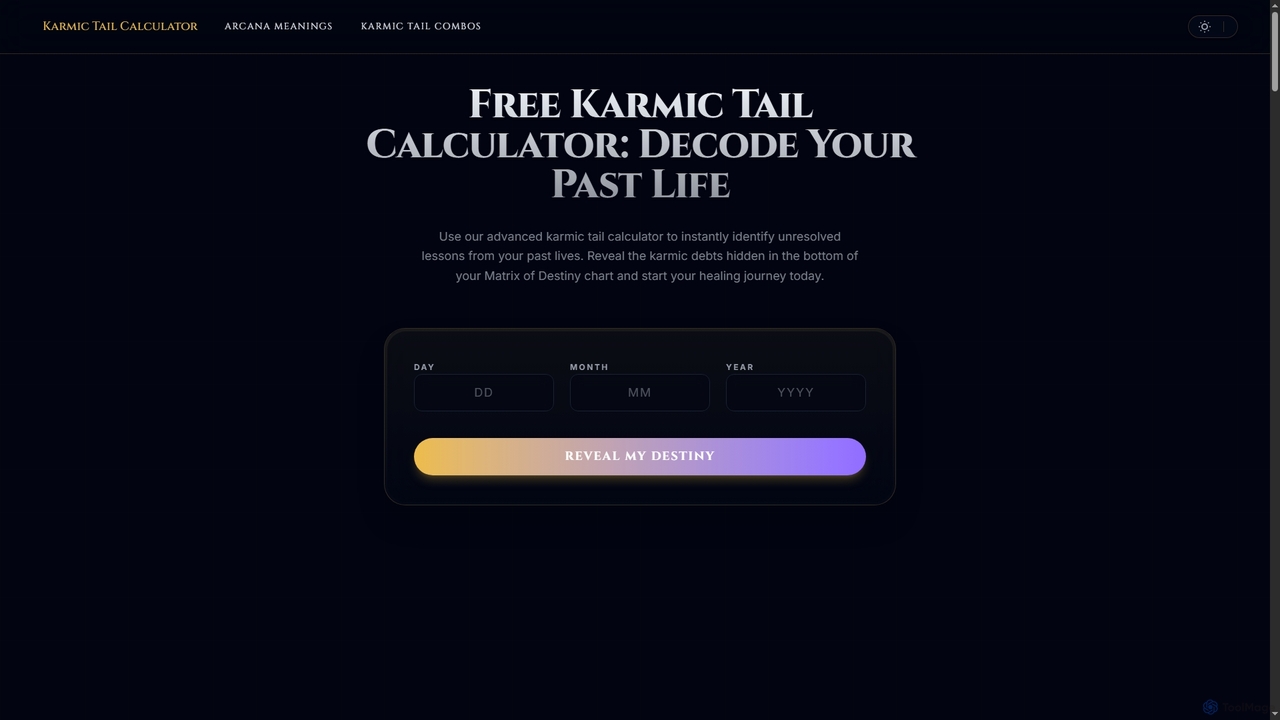
Karmic Tail is a free online calculator that decodes your past life lessons and karmic debts using the Matrix of Destiny and 22 Major Arcana numerology. It offers instant calculations and personalized spiritual insights to help you understand recurring life challenges and unlock your full potential.

Destiny Reading
Visits 14.5KFavorites 55Likes 49
Numerology Calculators
Freemium

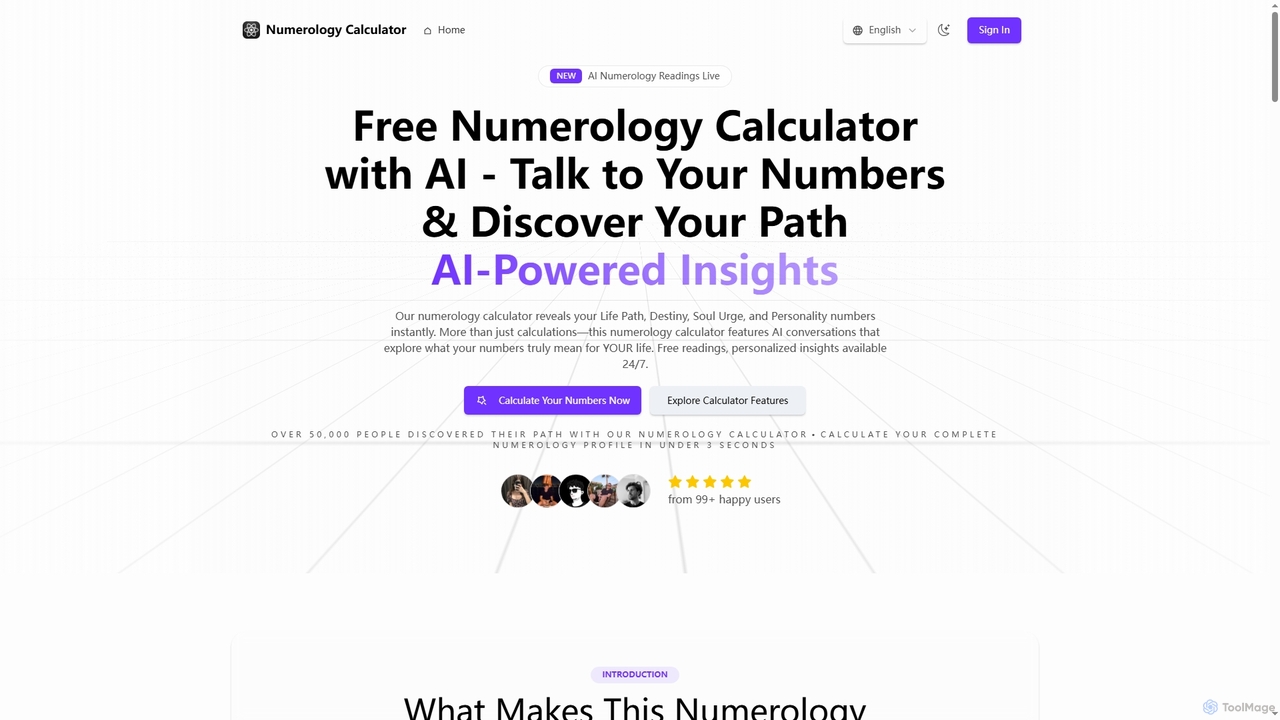
Numerology Calculators

Numerology Calculators is an AI-powered tool that provides instant, personalized insights into your numerology profile. It calculates core numbers like Life Path, Destiny, Soul Urge, and Personality, offering AI-driven interpretations, relationship compatibility analysis, and future forecasts to guide self-discovery and decision-making.

Guidance
Visits 6.6KFavorites 29Likes 31
Bookshelf
Freemium

Bookshelf

Bookshelf is an AI-powered learning platform that provides concise, 15-minute summaries of over 10,000 non-fiction books, podcasts, and articles. It transforms complex ideas into clear, actionable insights, offering expert-distilled knowledge in audio, PDF, and EPUB formats. Designed for busy individuals, Bookshelf enables efficient learning on the go and fosters deeper understanding through practical exercises and community engagement.

Professional Development
Visits 11.2KFavorites 120Likes 135

About Personal Growth

AI Personal Growth tools are applications that leverage artificial intelligence to create structured, personalized plans for skill development, habit formation, and mindset improvement. These tools analyze your goals and performance data to offer tailored learning paths, real-time feedback, and adaptive challenges. They serve as digital mentors, helping users learn new languages, improve public speaking, build consistent habits, or master technical skills more effectively. Unlike broader self-improvement apps, they focus specifically on measurable progress and active skill acquisition through data-driven guidance.

Core Features

  • Personalized Learning Paths: Generates custom-tailored curricula based on user goals, current skill level, and learning pace.
  • Real-time Performance Feedback: Provides instant analysis and actionable advice on tasks like speaking, writing, or coding.
  • Habit Tracking & Reinforcement: Uses intelligent reminders, progress tracking, and motivational prompts to help build consistency.
  • Adaptive Difficulty: Automatically adjusts the complexity of tasks and lessons to keep users challenged but not overwhelmed.
  • Goal Decomposition: Helps break down large, long-term goals into smaller, manageable, and trackable steps.

Use Cases

These tools are ideal for individuals seeking structured self-development, including students, professionals, and lifelong learners. They are applied in corporate training for upskilling employees, in education to supplement traditional learning, and by individuals aiming to acquire specific skills like coding, a new language, or improving soft skills like communication and leadership.

How to Choose

When selecting an AI Personal Growth tool, first identify your specific goal (e.g., learning Python, building a meditation habit). Evaluate the tool's feedback mechanism—does it provide detailed, actionable insights? Consider its personalization capabilities and how well it adapts to your progress. Finally, review its data privacy policy and check if the pricing model aligns with your budget and commitment level.

Personal Growth use cases

1

Master a New Language with an AI Tutor

A professional aiming for an international assignment uses an AI language learning tool to achieve fluency in Spanish. The AI assesses their initial proficiency and creates a personalized curriculum focusing on business vocabulary and conversational skills. It provides interactive exercises, real-time pronunciation feedback by analyzing voice input, and adaptive quizzes that target weak areas. The user can practice simulated business negotiations with an AI chatbot, significantly accelerating their practical language acquisition compared to traditional methods.

2

Improve Public Speaking with an AI Coach

A team manager needs to improve their presentation skills for quarterly reviews. They use an AI public speaking coach by recording their practice speeches. The tool analyzes the recordings for metrics like pace, tone variation, filler words (e.g., 'um', 'ah'), and body language via webcam. It generates a detailed report with specific, actionable feedback, such as 'try pausing between key points' or 'reduce filler word usage by 15%'. This allows for targeted, private practice and measurable improvement without the need for a human coach.

3

Build a Consistent Daily Reading Habit

A user wants to read 30 books in a year but struggles with consistency. They use an AI habit-building app to set a goal of reading for 20 minutes daily. The AI helps by scheduling reading sessions into their calendar, sending intelligent reminders at optimal times, and tracking their progress with streaks and milestones. To maintain motivation, the app's AI can generate quick summaries of completed chapters or suggest related books based on their reading history, turning a daunting goal into a manageable and rewarding daily routine.

4

Accelerate Coding Skills with an AI Mentor

A junior developer wants to master Python for data science. They use an AI-powered coding platform that provides a structured learning path with interactive challenges. When they get stuck on a problem, the AI mentor doesn't give the answer directly but offers Socratic hints and explains the underlying concepts. It also reviews their submitted code, identifying inefficiencies and suggesting more 'Pythonic' ways to write it, providing a level of personalized, on-demand mentorship that accelerates their learning curve significantly.

5

Develop Emotional Intelligence through AI Journaling

An individual looking to improve self-awareness and manage stress uses an AI-powered journaling app. Each day, they write about their experiences and feelings. The AI analyzes the text using Natural Language Processing to identify recurring emotional patterns, triggers, and cognitive distortions. It then provides gentle prompts for reflection, such as 'It seems you often feel anxious after team meetings. What might be causing that?'. It also suggests personalized mindfulness exercises or reframing techniques based on Cognitive Behavioral Therapy (CBT) principles, offering a private space for guided emotional growth.

6

Plan a Career Path with an AI Mentor

A recent graduate feels uncertain about their career direction. They use an AI career planning tool, inputting their skills, interests, and long-term aspirations. The AI analyzes this data against current job market trends to suggest several potential career paths. For each path, it outlines the required skills, identifies potential skill gaps, and recommends specific online courses, certifications, or projects to build a competitive profile. The tool acts as a personalized career counselor, providing a clear, data-driven roadmap for professional development.

Personal Growth FAQ

What are AI Personal Growth tools?

AI Personal Growth tools are specialized applications that use artificial intelligence to provide structured and personalized guidance for self-improvement. Unlike general wellness apps, they focus on active skill acquisition and measurable progress. Key features often include personalized learning paths, real-time performance feedback, and adaptive goal tracking to help users master new skills, build habits, or improve their mindset effectively.

How do I choose the right AI Personal Growth tool?

To choose the right tool, consider these factors:

  • Specific Goal: Select a tool specialized for your objective, whether it's learning a language, coding, or improving communication.
  • Feedback Mechanism: Look for tools that provide clear, actionable, and data-driven feedback on your performance.
  • Personalization Level: A good tool should adapt its content and difficulty based on your progress and learning style.
  • Data Privacy: Review the tool's privacy policy, especially if you'll be sharing sensitive personal information.
  • Cost vs. Value: Evaluate if the subscription cost aligns with the features offered and your commitment to using the tool.
What's the difference between AI Personal Growth and general wellness apps?

The main difference lies in their focus. AI Personal Growth tools are geared towards active skill acquisition and structured development. They help you learn, practice, and master specific abilities with measurable outcomes. General wellness apps, such as meditation or sleep trackers, typically focus on improving your state of being or mental well-being through guided sessions or passive monitoring. Personal growth tools are about 'doing' and 'improving', while wellness apps are often about 'being' and 'maintaining'.

Can AI tools really help with personal development?

Yes, AI tools can be highly effective for personal development by providing access to personalized, data-driven coaching at scale. They offer several advantages over traditional methods:

  • Accessibility: They provide on-demand support anytime, anywhere.
  • Objectivity: AI feedback is based on data, removing potential human bias.
  • Personalization: They can create unique learning paths for millions of users simultaneously.
  • Consistency: They offer consistent tracking and motivation to help users stay on course.
While they don't replace human connection, they serve as powerful supplements for structured learning and habit formation.

What are some key features of AI Personal Growth tools?

Key features to look for in AI Personal Growth tools include:

  • Personalized Learning Paths: AI-generated curricula that adapt to your specific goals and progress.
  • Real-time Feedback: Instant analysis of your performance, such as pronunciation correction in language apps or code suggestions in programming tutors.
  • Habit Tracking and Analytics: Intelligent tracking of your consistency with visual progress reports and motivational nudges.
  • Goal Decomposition: The ability to break down large goals into smaller, actionable steps with deadlines and reminders.
  • Simulated Practice Environments: AI-powered scenarios to practice skills, like mock interviews or business negotiation chatbots.