ToolMage
Sign in

Best 2 Coaching AI tools for Self Improvement

Popular Coaching AI tools in Self Improvement include Marcus Aurelius AI and Insight Journal, helping you work more efficiently.

Insight Journal
Freemium

Insight Journal

Insight Journal is an AI-powered platform that transforms best-selling non-fiction books into interactive personal mentors. It distills key insights, principles, and actionable advice, allowing users to 'chat' with the book's core ideas to gain deeper understanding and personalized guidance for their personal and professional challenges.

Learning
Visits 4.3KFavorites 125Likes 109
Marcus Aurelius AI
Freemium

Marcus Aurelius AI

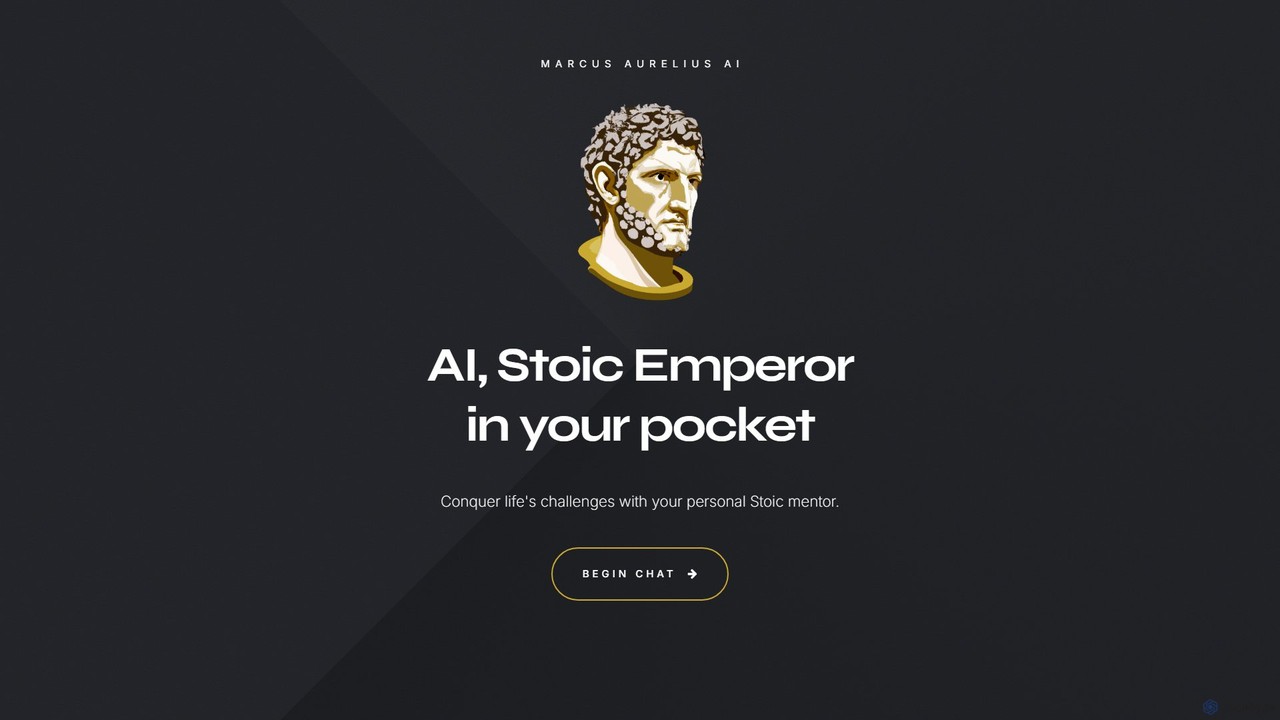
Marcus Aurelius AI is a personal Stoic mentor in your pocket. Engage in conversations with an AI embodiment of the Stoic Emperor to gain wisdom, build resilience, and navigate life's challenges. It offers daily lessons, quizzes, and personalized guidance based on Stoic philosophy.

Philosophy
Visits 4.3KFavorites 128Likes 103

About Coaching

AI Coaching tools are intelligent platforms designed to provide personalized guidance and support for personal and professional development. Leveraging advanced AI, including natural language processing and machine learning, these tools analyze user input, track progress, and offer tailored feedback and recommendations. They serve as accessible, on-demand companions within the broader Self Improvement category, helping individuals achieve goals, develop new skills, and enhance overall well-being with data-driven insights.

Core Features

  • Personalized Goal Setting: Assists users in defining clear, achievable objectives across various life domains.
  • Progress Tracking & Analytics: Monitors user activities and provides data-driven insights into performance and growth.
  • AI-driven Feedback & Recommendations: Offers constructive criticism and actionable advice based on user interactions and progress.
  • Skill Development Modules: Provides structured learning paths and exercises to build specific competencies.
  • Emotional Intelligence Support: Helps users understand and manage emotions, improving interpersonal communication.

Use Cases

AI Coaching tools are utilized by individuals seeking structured support for personal growth, career advancement, and habit formation. They are particularly valuable for busy professionals needing flexible development options, students aiming to improve study habits, and anyone looking for unbiased, consistent guidance in areas like leadership, wellness, or communication skills.

How to Choose

When selecting an AI Coaching tool, consider its level of personalization, the specific coaching methodologies it employs, and its data privacy policies. Evaluate the breadth of its features, such as goal tracking, feedback mechanisms, and integration capabilities with other productivity apps. Also, assess the cost-effectiveness and the tool's ability to adapt to your evolving needs and learning style.

Featured tool rankings

Coaching use cases

1

Achieve Personal Milestones with AI-Guided Coaching

Individuals aiming to achieve personal goals, such as fitness targets, learning a new language, or writing a book, can leverage AI coaching. The tool helps define SMART goals, breaks them into manageable steps, tracks daily progress, and provides motivational nudges or strategy adjustments based on performance data. This ensures consistent effort and helps overcome common hurdles, making ambitious personal objectives more attainable.

2

Enhance Career Skills and Prepare for Promotions

Professionals seeking to advance their careers or acquire new skills can use AI coaching for targeted development. For instance, an AI coach can simulate interview scenarios, provide feedback on public speaking presentations, or guide through leadership development modules. It offers personalized learning paths, identifies skill gaps, and suggests relevant resources, enabling users to build competencies crucial for career growth and promotion opportunities.

3

Develop Effective Leadership and Management Abilities

Managers and team leaders can utilize AI coaching to refine their leadership style, improve team communication, and enhance decision-making skills. The AI analyzes communication patterns, provides feedback on delegation strategies, and offers insights into conflict resolution. This continuous, private coaching environment allows leaders to practice new approaches, receive objective assessments, and build confidence in managing teams and driving organizational success.

4

Cultivate Positive Habits and Improve Overall Wellness

For those looking to establish healthier habits like regular exercise, mindfulness practices, or improved sleep hygiene, AI coaching offers structured support. The tool helps design personalized routines, sends timely reminders, and tracks adherence. It provides encouragement, identifies triggers for unhealthy patterns, and suggests coping mechanisms, fostering sustainable changes that contribute to long-term physical and mental well-being.

5

Boost Emotional Intelligence and Communication Skills

Individuals aiming to improve their emotional intelligence and interpersonal communication can benefit from AI coaching. The tool offers exercises for active listening, empathy building, and conflict resolution. It analyzes written or spoken interactions (if integrated) to provide feedback on tone, clarity, and impact, helping users better understand and manage their own emotions while more effectively connecting with others in personal and professional settings.

6

Optimize Study Habits and Academic Performance

Students at any level can use AI coaching to improve their study habits, time management, and academic performance. The AI helps create personalized study schedules, tracks progress on assignments, and provides strategies for effective learning and exam preparation. It can identify areas where a student struggles and suggest alternative learning approaches or resources, fostering discipline and enhancing overall academic success.

Coaching FAQ

What are AI Coaching tools?

AI Coaching tools are software applications that leverage artificial intelligence to provide personalized guidance, feedback, and support for individuals' personal and professional development. They analyze user data, goals, and interactions to offer tailored advice, track progress, and suggest actionable steps, acting as a virtual mentor or guide within the Self Improvement domain. These tools often utilize natural language processing (NLP) to understand user input and machine learning to adapt coaching strategies over time.

How to choose the right AI Coaching tool?

To choose the right AI Coaching tool, consider its specialization (e.g., career, wellness, leadership), the level of personalization it offers, and its underlying coaching methodology. Evaluate data privacy and security features, as you'll be sharing personal information. Look for robust progress tracking, actionable feedback mechanisms, and compatibility with your existing digital ecosystem. Finally, assess the pricing model and ensure it aligns with your budget and long-term development goals.

How do AI Coaching tools differ from human coaches?

AI Coaching tools differ from human coaches primarily in their delivery and nature of interaction. AI coaches offer 24/7 availability, consistent, unbiased feedback, and often a lower cost, making them highly scalable and accessible. They excel at data analysis, pattern recognition, and structured guidance. Human coaches, however, provide empathy, nuanced emotional understanding, complex situational judgment, and the ability to build deep personal rapport, which AI currently cannot fully replicate. AI tools complement, rather than fully replace, human coaching.

What specific areas can AI Coaching help with?

AI Coaching tools can assist across a wide range of personal and professional development areas. This includes setting and achieving personal goals (e.g., fitness, learning), enhancing career skills (e.g., public speaking, leadership), improving mental well-being (e.g., stress management, mindfulness), fostering positive habits (e.g., productivity, sleep), and refining communication and emotional intelligence. They provide structured support for measurable progress in these diverse domains.

Are AI Coaching tools effective, and what are their limitations?

AI Coaching tools can be highly effective for users who are self-motivated and benefit from structured, data-driven guidance and consistent accountability. Their effectiveness often depends on user engagement and the quality of the AI's algorithms. However, their limitations include a lack of genuine human empathy, inability to handle highly complex emotional or psychological issues, and a potential for generic advice if not sufficiently personalized. They are best suited for well-defined goals and structured development rather than deep therapeutic support.