Seo Best in category 8 results Content Analysis AI Tool

Popular AI tools in the Content Analysis field of Seo include Winston AI、ContentDetector.ai、ZeroGPT、Xdetector、detectordeia.org、GPTKit、tinq.ai、siteexplainer, etc., helping you quickly improve efficiency.

Xdetector

Xdetector

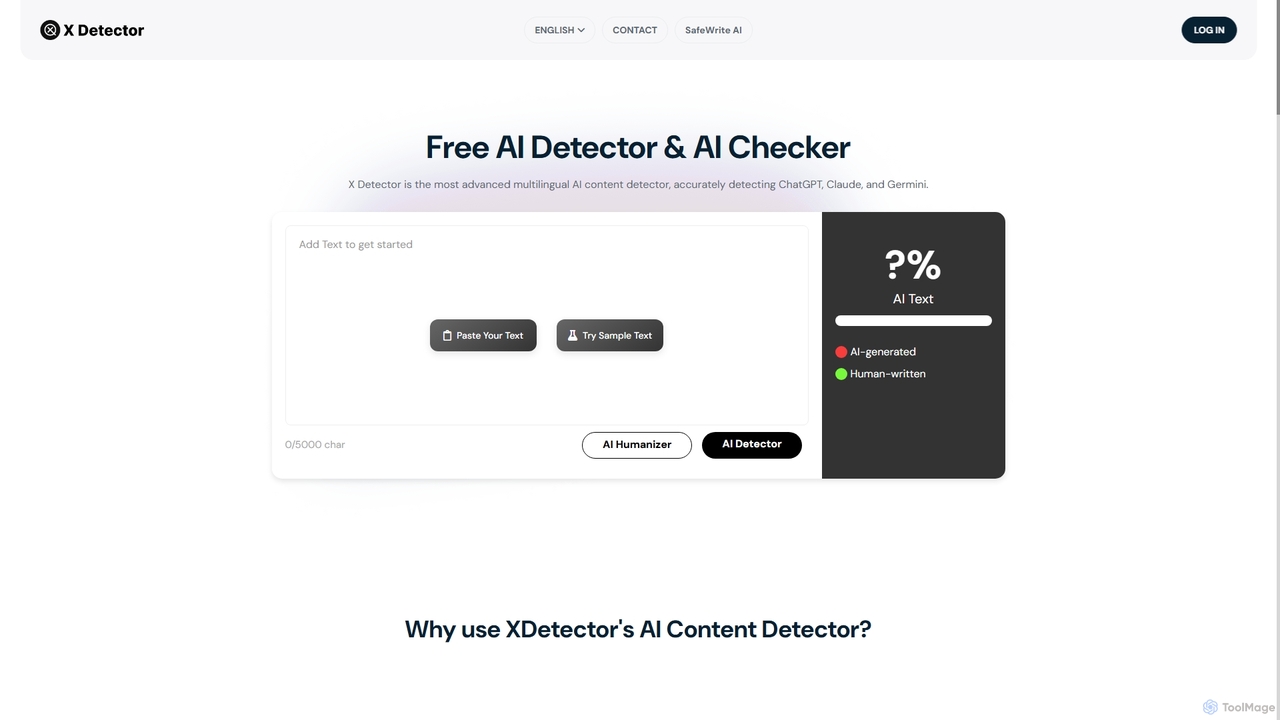
Xdetector is a free, advanced multilingual AI content detector designed to accurately identify text generated by models like …

42.9K
Free
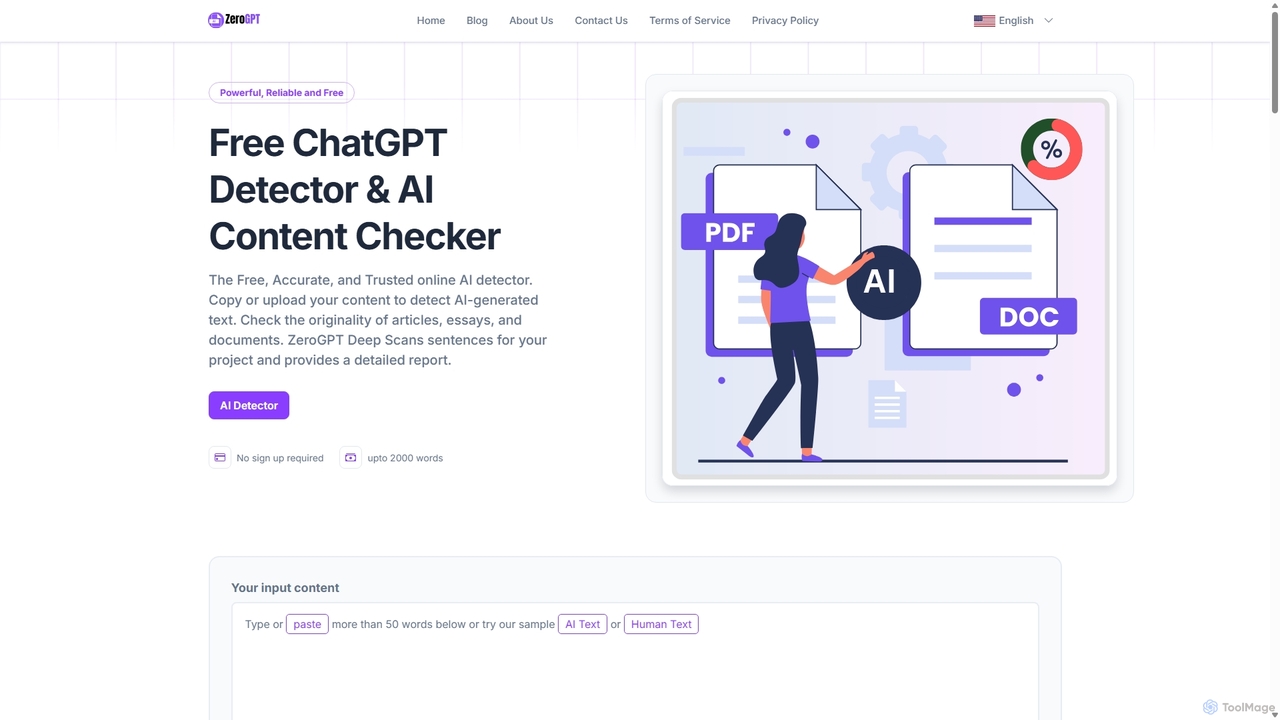
ZeroGPT

ZeroGPT

ZeroGPT is a free, powerful, and reliable AI content detector and plagiarism checker. It accurately identifies text generated …

84.7K
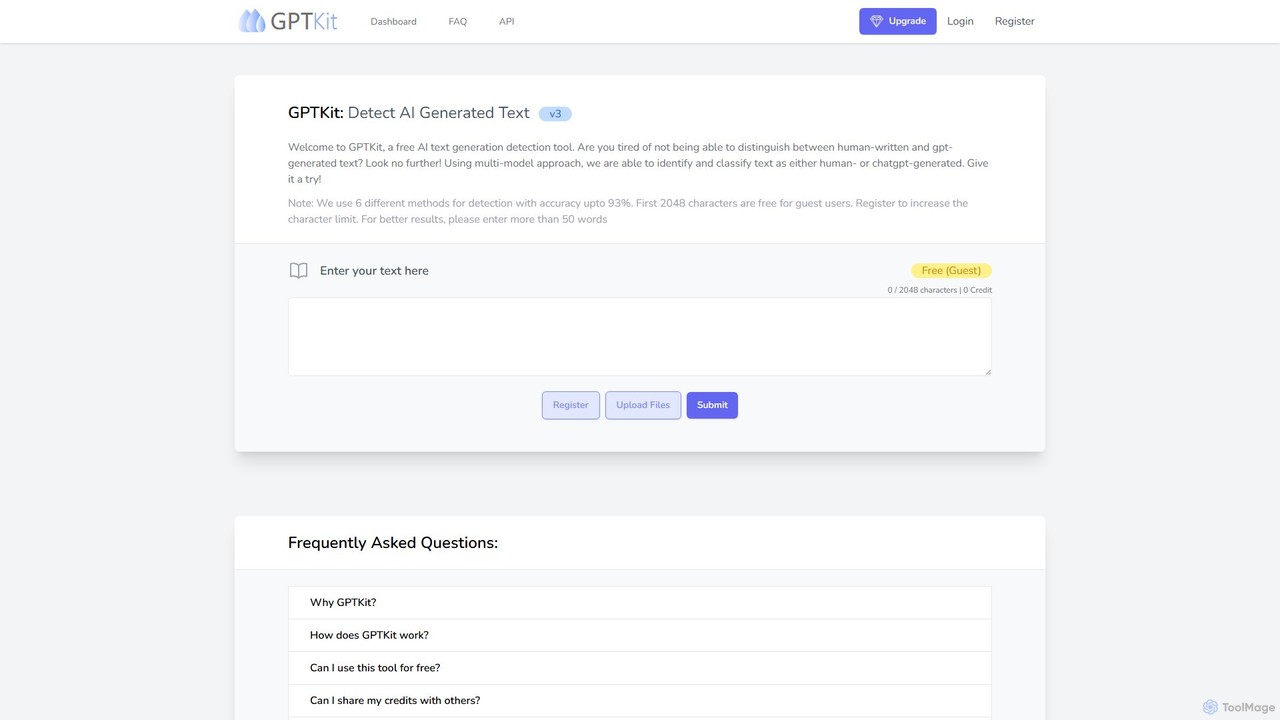
GPTKit

GPTKit

GPTKit is an advanced AI text detection tool designed to distinguish between human-written and AI-generated content. It utilizes …

6.4K
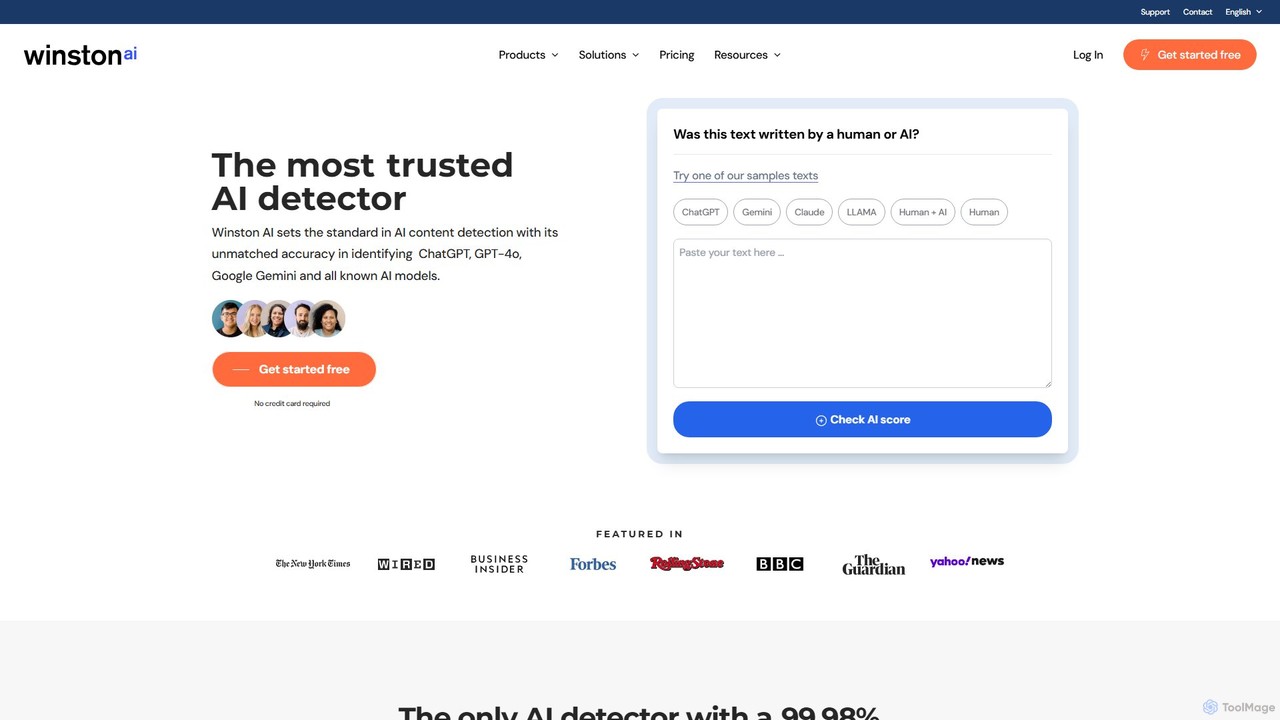
Winston AI

Winston AI

Winston AI is the most trusted AI detector, offering 99.98% accuracy in identifying content from ChatGPT, GPT-4o, Gemini, …

862.0K
ContentDetector.ai

ContentDetector.ai

A real-time AI content detector that identifies text generated by models like ChatGPT, Gemini, and Claude. It helps …

99.8K
tinq.ai

tinq.ai

Tinq.ai is a comprehensive, developer-friendly NLP API toolkit that provides a full suite of text analysis tools. It …

4.7K
detectordeia.org

detectordeia.org

A powerful and free AI content detector that helps you distinguish between human-written and AI-generated text. Ideal for …

16.5K
siteexplainer

siteexplainer

Siteexplainer is an AI-powered tool that instantly analyzes any website and generates a comprehensive explanation. Simply enter a …

2.4K

About Content Analysis

Content Analysis tools are AI-powered solutions designed to extract meaningful insights from textual content, crucial for optimizing digital strategies, especially in SEO. Leveraging natural language processing (NLP) and machine learning, these tools go beyond basic keyword checks to understand sentiment, topic relevance, and readability. They empower content creators and marketers to refine their messaging, identify content gaps, and enhance overall online visibility and engagement.

Core Features

  • Sentiment Analysis: Automatically detects and quantifies the emotional tone (positive, negative, neutral) within text.
  • Keyword Gap Analysis: Identifies relevant keywords that competitors rank for but are missing from your content.
  • Readability Scoring: Evaluates content complexity and suggests improvements to make it more accessible to the target audience.
  • Topic Modeling: Discovers abstract topics within a collection of documents, helping to understand content themes.
  • Competitor Content Insights: Analyzes competitor articles, pages, and strategies to uncover their content strengths and weaknesses.

Applicable Scenarios

Content marketers use these tools to optimize blog posts for search engines and user engagement. SEO specialists leverage them to identify new keyword opportunities and analyze competitor strategies. PR teams monitor brand mentions and public sentiment across various media channels.

How to Choose

Consider the depth of analysis offered (e.g., sentiment, topic modeling), the range of languages supported, integration capabilities with existing SEO or content management platforms, and the clarity of the insights and reporting features. Evaluate the tool's accuracy and its ability to scale with your content volume.

Content AnalysisUse Cases

1

Optimizing Existing Blog Content for SEO

Content marketers can utilize AI content analysis tools to review their published blog posts. By inputting an article, the tool identifies keyword gaps, assesses readability scores, and suggests improvements for on-page SEO. This helps in repurposing and updating older content to rank higher, attract more organic traffic, and ensure the content remains relevant and engaging for the target audience, ultimately boosting the website's authority.

2

Analyzing Competitor Content Strategies

SEO specialists and competitive intelligence teams can leverage content analysis tools to dissect competitor content. These tools can identify top-performing topics, keyword usage patterns, content structure, and even the sentiment associated with competitor brands. This deep dive provides actionable insights to refine one's own content strategy, discover untapped niches, and develop content that effectively competes for search engine visibility and audience engagement.

3

Monitoring Brand Sentiment Across Channels

Public relations and marketing teams use AI content analysis to monitor how their brand is perceived across various online channels, including social media, news articles, and review sites. By analyzing the sentiment of mentions, they can quickly identify positive trends to amplify or negative issues that require immediate attention. This proactive approach helps in managing brand reputation, understanding public perception, and responding effectively to customer feedback or crises.

4

Extracting Audience Insights from User-Generated Content

Product managers and market researchers can analyze vast amounts of user-generated content, such as customer reviews, forum discussions, and social media comments, using AI content analysis. These tools can identify recurring themes, common pain points, feature requests, and overall satisfaction levels. This provides invaluable data for product development, service improvement, and understanding customer needs at scale, leading to more informed business decisions and enhanced user experience.

5

Identifying Content Gaps for SEO Strategy

SEO managers and content strategists use content analysis tools to systematically identify gaps in their existing content portfolio. By comparing their content against top-ranking competitors or comprehensive topic clusters, these tools highlight areas where content is missing or under-optimized for specific keywords and user intent. This enables a data-driven approach to content planning, ensuring that new content addresses relevant search queries and strengthens the website's topical authority.

6

Improving Content Readability and Engagement

Writers, editors, and content teams utilize content analysis tools to enhance the clarity and impact of their writing. These tools provide metrics on readability scores (e.g., Flesch-Kincaid), sentence length, use of passive voice, and even emotional tone. By receiving data-driven suggestions, creators can refine their content to be more engaging, easier to understand, and better aligned with the communication style preferred by their target audience, leading to higher time-on-page and lower bounce rates.

Content AnalysisFrequently Asked Questions