Seo Best in category 7 results Content Automation AI Tool

Popular AI tools in the Content Automation field of Seo include WPAutoBlog、Contentbase、Spreadbot、Articly、Wizard Writer、Postwhale, etc., helping you quickly improve efficiency.

Articly

Articly

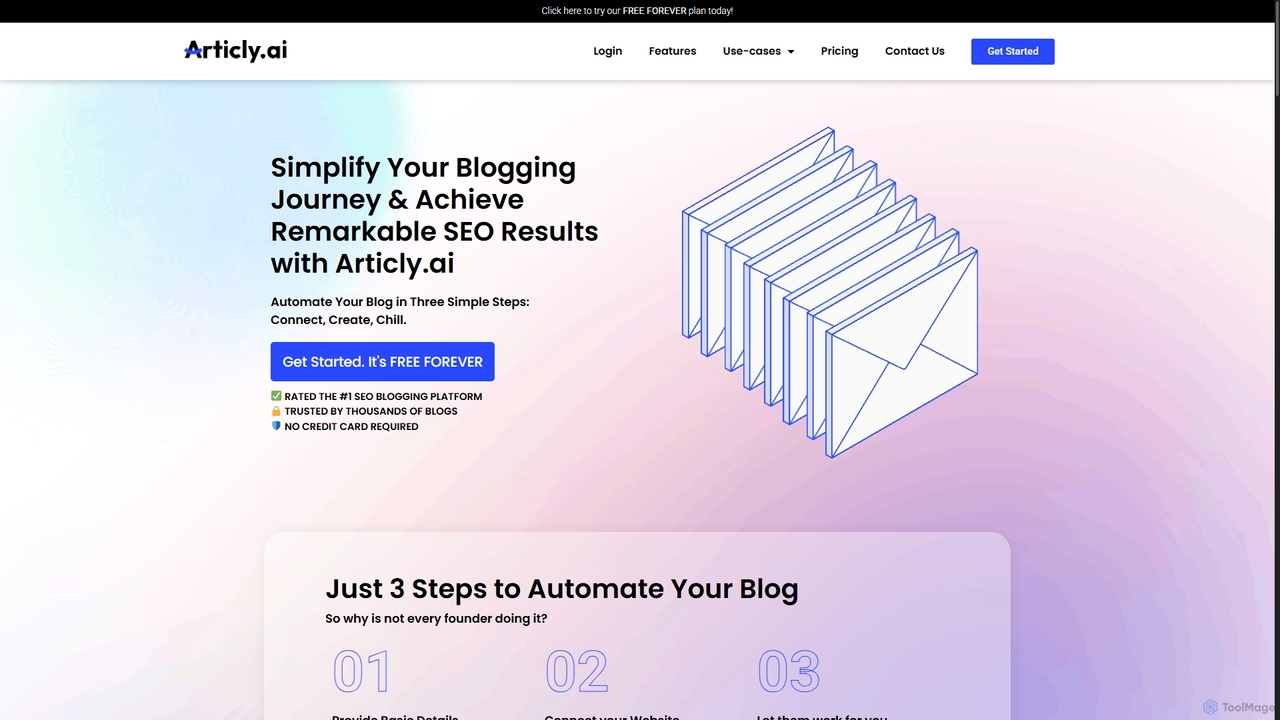
Articly is an AI-powered platform that fully automates your blogging journey. It connects to your website, generates SEO-optimized …

3.0K
Postwhale

Postwhale

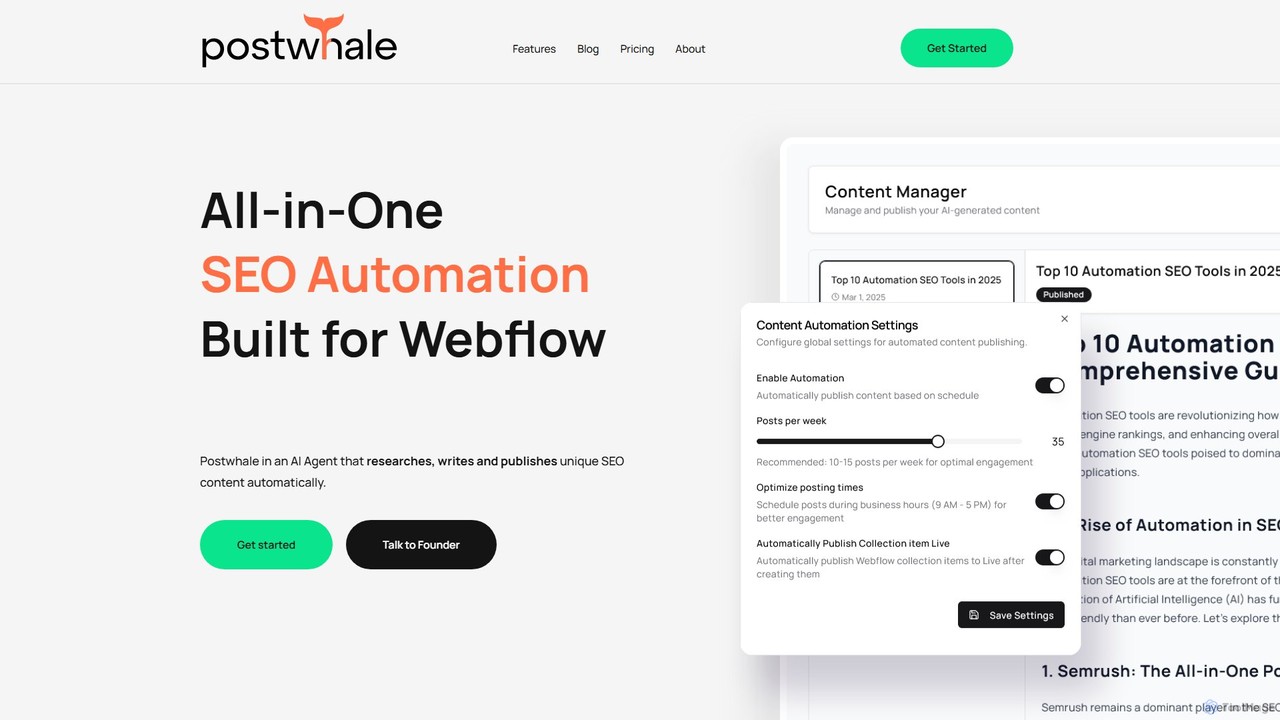
Postwhale is an all-in-one AI SEO automation tool built specifically for Webflow. It acts as an autonomous AI …

2.9K
Contentbase

Contentbase

Contentbase is an AI-powered SEO agent that fully automates your blog. It handles everything from keyword research and …

7.7K
Spreadbot

Spreadbot

Spreadbot is a fully automated AI content creation and publishing platform. It autonomously generates topic ideas, writes expert-level, …

3.6K
Articly

Articly

Articly is an AI-powered platform that completely automates your blogging process. From keyword research and content creation to …

3.0K
Wizard Writer

Wizard Writer

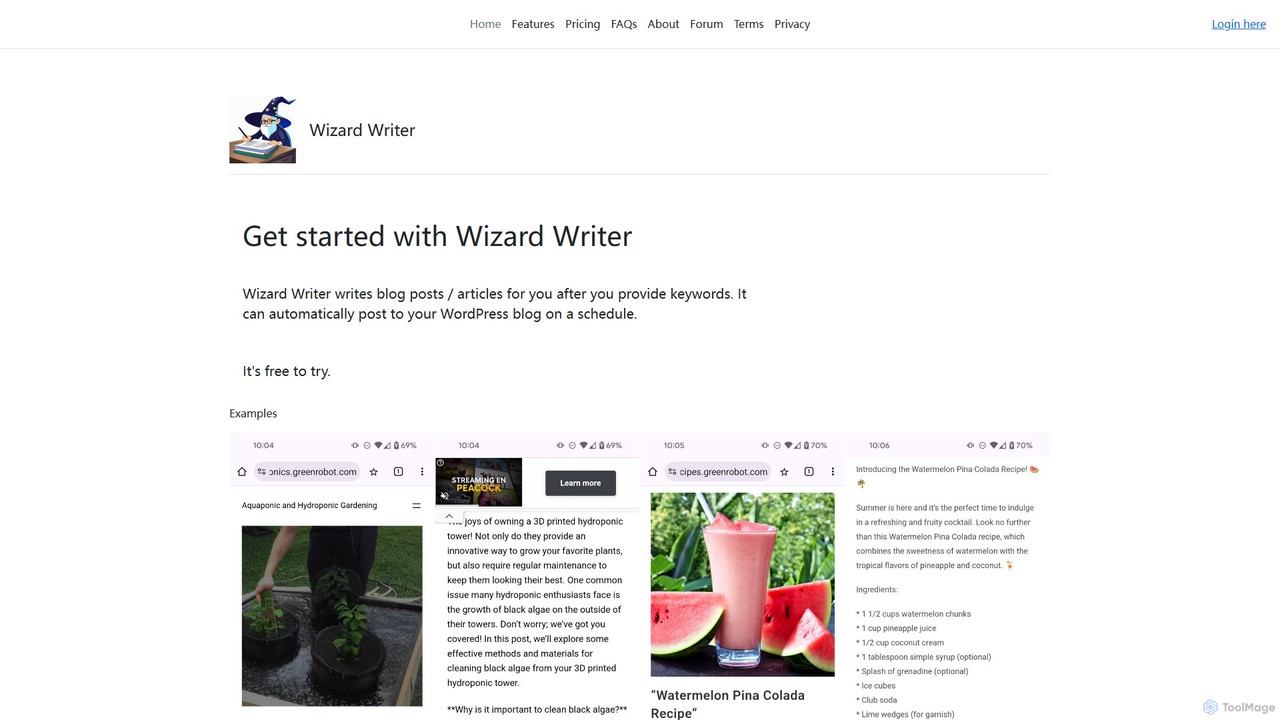
Wizard Writer is an AI-powered content creation tool that automatically generates blog posts and articles from keywords. It …

2.9K
WPAutoBlog

WPAutoBlog

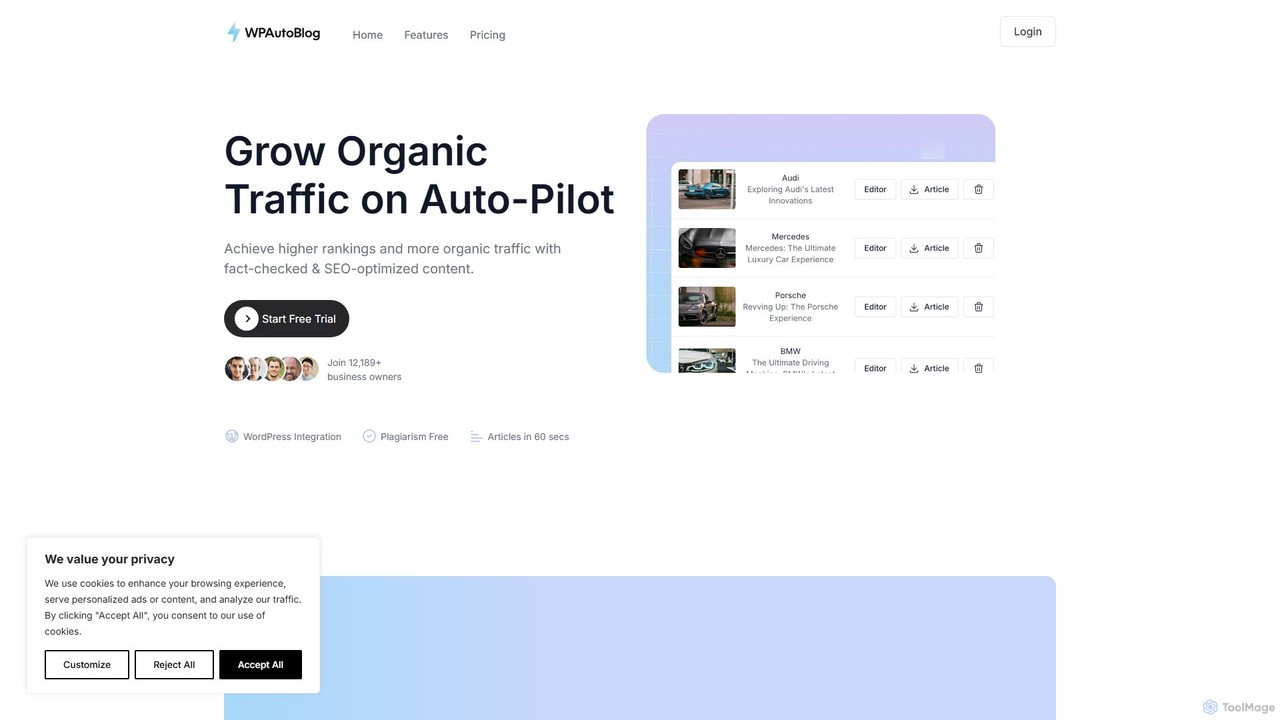
WPAutoBlog is an AI-powered article writer designed to fully automate content creation for WordPress websites. It seamlessly integrates …

15.9K

About Content Automation

Content Automation tools are a specialized category of AI platforms designed to streamline and scale the entire SEO content lifecycle. They leverage artificial intelligence to automate tasks from keyword research and brief creation to writing, optimization, and even content refreshing. This approach enables marketing teams and SEO professionals to produce high-quality, search-engine-optimized content at a velocity that is difficult to achieve manually. These tools often integrate SERP analysis and NLP to ensure the generated content aligns with search intent and ranking factors.

Core Features

  • Automated Content Briefs: Generates detailed outlines and SEO guidelines based on top-ranking competitor analysis.
  • Keyword-Driven Generation: Creates drafts or full articles optimized for target keywords and related semantic terms.
  • Real-time SEO Optimization: Provides on-page SEO scores and suggestions for improvement as you write or edit.
  • Content Refreshing & Repurposing: Identifies underperforming content and suggests or automates updates and variations.
  • Programmatic SEO (pSEO) Support: Facilitates the bulk creation of templated pages for large-scale sites like directories or e-commerce stores.

Use Cases

Content Automation is widely used by digital marketing agencies, in-house SEO teams, and large-scale publishers. It is particularly effective for businesses that need to maintain a high-volume content calendar, such as affiliate marketing sites, e-commerce platforms creating thousands of product descriptions, or SaaS companies building extensive knowledge bases to establish topical authority.

How to Choose

When selecting a tool, evaluate the depth of its SEO features—does it just write, or does it analyze SERPs and build briefs? Consider its integration capabilities with your existing CMS (like WordPress) and analytics tools. Also, assess the quality and coherence of the AI-generated text and the level of customization available for tone and style. Finally, compare pricing models based on your expected content volume.

Content AutomationUse Cases

1

Scaling SEO Blog Content Production

A content marketing manager for a SaaS company needs to publish five SEO-optimized blog posts per week. Using a Content Automation tool, they generate detailed content briefs based on top SERP results for each target keyword in minutes. The AI then produces a first draft for each topic, which a human editor refines for brand voice and accuracy. This process reduces the time from ideation to publication from days to hours, enabling the team to consistently meet its content velocity goals and build topical authority faster.

2

Automating Programmatic SEO (pSEO) Pages

An online marketplace needs to create thousands of unique landing pages for every city and service combination. An SEO specialist uses a Content Automation platform with pSEO capabilities. They create a master template and connect a data source (like a CSV file with city names). The tool then programmatically generates thousands of optimized pages, each with unique-sounding text, meta titles, and descriptions, massively expanding the site's organic search footprint.

3

Generating Unique E-commerce Product Descriptions

An e-commerce manager oversees a store with over 2,000 products, many with generic manufacturer descriptions that hurt SEO. They use a Content Automation tool to bulk-generate unique, keyword-rich product descriptions. By inputting key product features and target keywords for each item, the AI creates compelling and varied descriptions. This helps avoid duplicate content penalties and improves the ranking of individual product pages in search results.

4

Standardizing Content Briefs for Writing Teams

A content director at a large agency manages a team of freelance writers with varying levels of SEO knowledge. To ensure consistency and quality, they use a Content Automation tool to generate standardized briefs. The tool analyzes the target keyword, pulls data from top-ranking articles, and outlines the required headings, word count, and related keywords. This provides writers with a clear, data-driven roadmap, reducing revision cycles and improving the final content's SEO performance.

5

Refreshing Underperforming Website Content

An SEO analyst identifies a dozen important blog posts that have lost significant traffic over the past year. Instead of manually re-optimizing each one, they use a Content Automation tool's content refresh feature. The tool re-analyzes the current SERP for the target keyword, identifies content gaps, suggests new sections, and updates outdated information. This allows the analyst to efficiently improve the relevance and ranking potential of existing assets with minimal manual effort.

6

Building Topic Clusters for Topical Authority

A content strategist aims to establish their company's website as an authority on a broad topic like 'project management.' They use a Content Automation tool to first identify a pillar topic and then generate ideas for a dozen related cluster articles. The platform can then create briefs and drafts for the entire cluster, ensuring proper internal linking between the pillar page and the supporting articles. This systematic approach helps search engines recognize the site's expertise, leading to better rankings for the entire topic group.

Content AutomationFrequently Asked Questions