ToolMage
Sign in

Best 194 Content Optimization AI tools for Seo

Popular Content Optimization AI tools in Seo include Humanize AI, Duplichecker, Undetectable AI, StealthWriter, AI Humanize, Originality.ai, aiforcontents, Prepostseo, Jasper, and aceessay, helping you work more efficiently.

Carpio
Paid

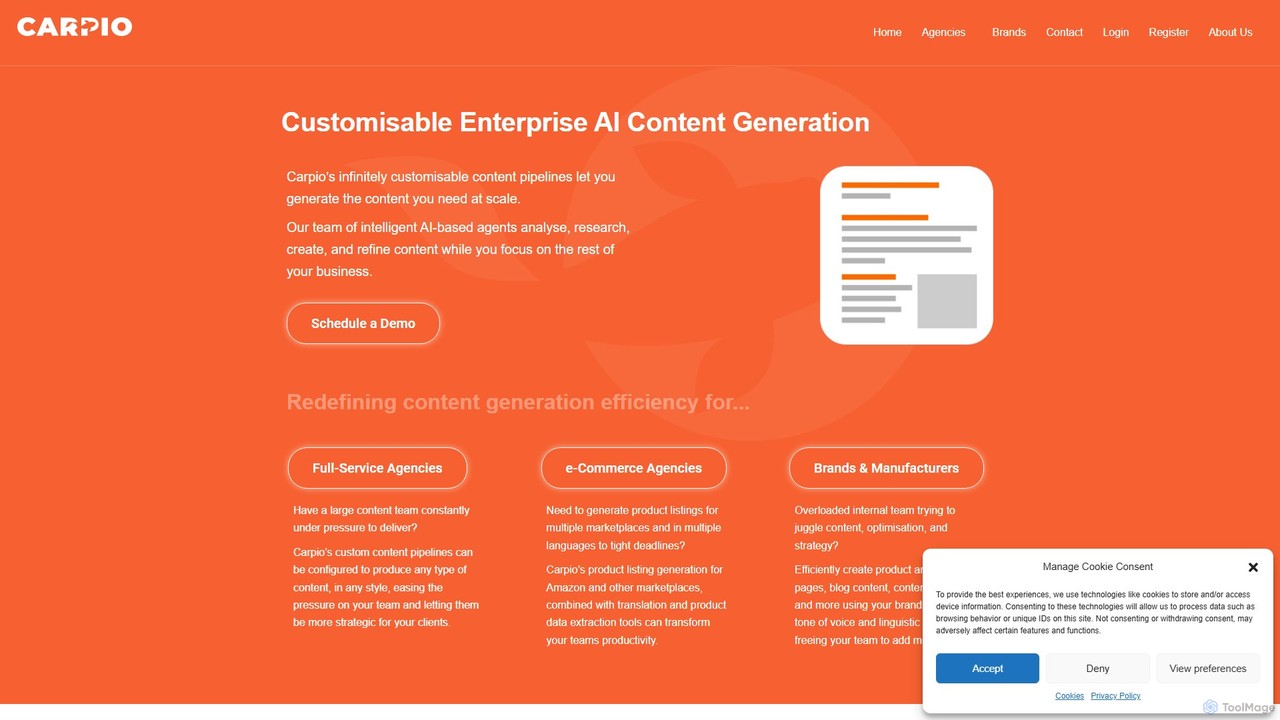
Carpio

Carpio is an advanced enterprise AI platform designed for brands and agencies to generate high-quality, scalable content. It utilizes customizable, multi-agent pipelines to research, create, optimize, and translate content, streamlining workflows for e-commerce, marketing, and product information management.

Product Descriptions
Visits 6.6KFavorites 116Likes 121
Humanize AI
Freemium

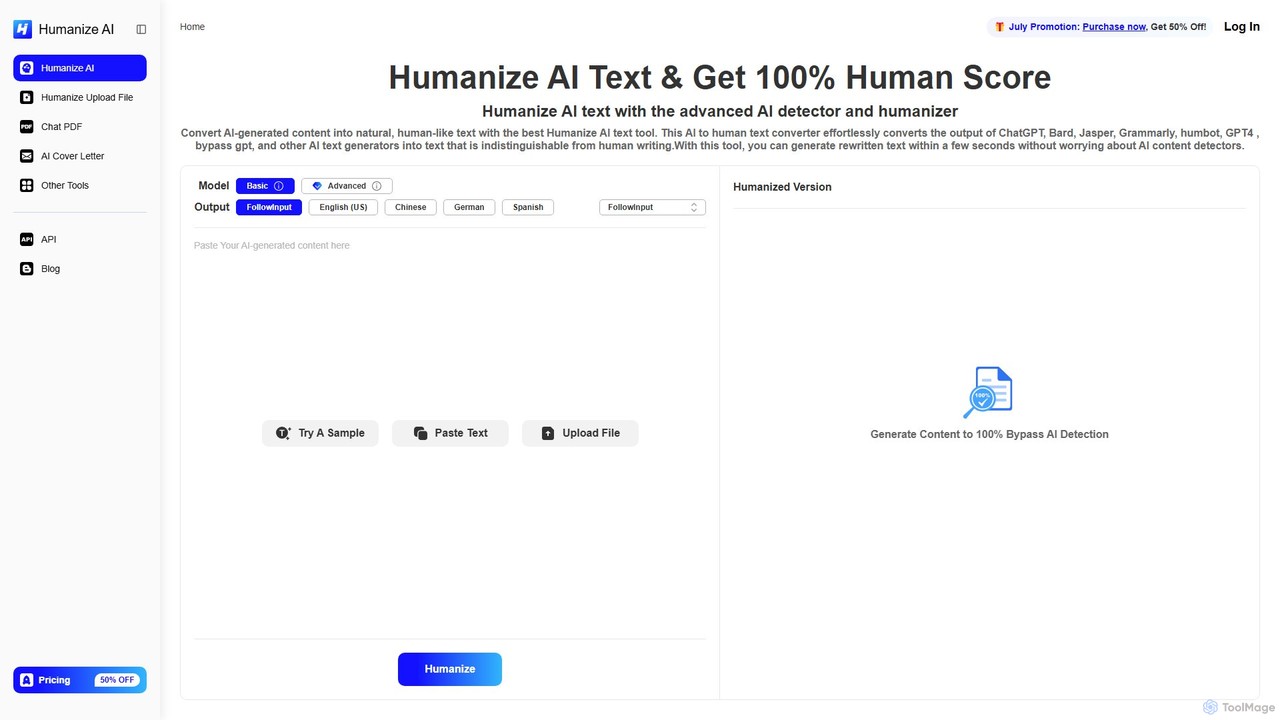
Humanize AI

Humanize AI is an advanced AI text humanizer that converts AI-generated content into natural, human-like writing. It's designed to bypass all major AI detectors, including GPTZero and Originality.ai, ensuring your content achieves a 100% human score. The tool helps writers, students, and marketers produce undetectable, plagiarism-free, and high-quality content without losing the original meaning.

Academic Writing
Visits 32.2KFavorites 123Likes 142

About Content Optimization

Content Optimization tools are AI-powered solutions designed to enhance the quality, relevance, and search engine performance of digital content. These tools leverage advanced natural language processing (NLP) and machine learning to analyze text, identify optimization opportunities, and provide actionable recommendations. Their primary value lies in helping content creators, marketers, and SEO specialists improve content visibility, drive organic traffic, and increase user engagement within the broader SEO strategy.

Core Features

  • Keyword Density & Relevance Analysis: Evaluates keyword usage and suggests improvements for better search engine understanding.
  • Readability & Engagement Score: Assesses content clarity, sentence structure, and overall user experience.
  • SEO Performance Audit: Provides a comprehensive score and recommendations for on-page SEO elements like meta tags, headings, and image alt text.
  • Content Gap & Competitor Analysis: Identifies missing topics or keywords compared to top-ranking competitors.
  • Internal Linking Suggestions: Recommends relevant internal links to improve site structure and user navigation.

Applicable Scenarios

Content Optimization tools are indispensable for content marketers aiming to rank higher on SERPs, SEO specialists conducting detailed content audits, and bloggers seeking to improve their articles' reach. They are also widely used by e-commerce managers to optimize product descriptions and by agencies managing multiple client content strategies.

How to Choose

When selecting a Content Optimization tool, consider its AI accuracy in understanding content context, the breadth of its SEO recommendations (on-page, technical, semantic), integration capabilities with existing CMS or SEO platforms, and the clarity of its reporting. Evaluate the tool's ability to support various content types and its pricing model relative to the features offered.

Featured tool rankings

Content Optimization use cases

1

Optimizing Existing Blog Posts for SEO

A content marketer needs to improve the search engine ranking of their company's older blog posts. They use an AI content optimization tool to analyze each article against target keywords, readability scores, and competitor content. The tool provides specific recommendations for keyword placement, heading structure, internal linking, and content length, allowing the marketer to quickly revise and republish posts for significant gains in organic traffic and search visibility.

2

Optimizing Blog Posts for Higher Rankings

A content writer drafts a new blog post and uses a Content Optimization tool to analyze its SEO potential. The tool suggests relevant keywords to include, improves readability by highlighting complex sentences, and recommends internal links to related articles, ensuring the post is well-optimized before publishing.

3

Crafting SEO-Friendly Product Descriptions

An e-commerce manager needs to write hundreds of unique, SEO-optimized product descriptions for new inventory. Instead of manual research, they input product specifications into an AI content optimization tool. The tool generates multiple description variants, incorporating relevant long-tail keywords, addressing common customer questions, and ensuring a consistent brand voice, significantly reducing time-to-market and improving product page visibility in search results.

4

Enhancing E-commerce Product Descriptions

An e-commerce manager needs to update hundreds of product descriptions to improve their search visibility and conversion rates. The Content Optimization tool helps by suggesting high-volume keywords, ensuring descriptions are concise and persuasive, and optimizing meta titles and descriptions for each product page.

5

Improving Content Readability and Engagement

A content creator wants to ensure their articles are not only SEO-friendly but also highly engaging and easy to read for their target audience. They use a content optimization tool to analyze sentence complexity, paragraph length, use of jargon, and overall tone. The tool provides a readability score and suggests alternative phrasing, simpler vocabulary, and structural adjustments, helping the creator produce content that retains readers longer and encourages sharing.

6

Conducting Competitor Content Analysis

An SEO specialist wants to understand why a competitor's article ranks higher for a target keyword. They input the competitor's URL into the tool, which then identifies content gaps, keyword variations, and structural elements that the competitor uses effectively, providing actionable insights for their own content strategy.

7

Analyzing Competitor Content for Gaps

An SEO strategist is launching a new content campaign and needs to understand what top-ranking competitors are doing. They use a content optimization tool's competitor analysis feature to identify keywords, topics, and content structures that competitors are leveraging successfully. This insight helps the strategist pinpoint content gaps, discover new angles, and create a superior content brief that is more likely to outperform existing content in search results.

8

Auditing Existing Website Content for SEO Performance

A marketing team performs a quarterly audit of their website's content. Using a Content Optimization tool, they can quickly identify underperforming pages, pinpoint specific SEO issues like missing alt text or low readability scores, and prioritize which content pieces need immediate revision to boost organic traffic.

9

Generating SEO-Optimized Meta Descriptions and Titles

A webmaster is updating hundreds of old web pages and needs to create compelling meta descriptions and titles that attract clicks from search results. Using an AI content optimization tool, they input the main content of each page. The tool then generates several optimized options for meta titles and descriptions, ensuring they include target keywords, adhere to character limits, and convey a clear value proposition, saving significant manual effort and improving organic click-through rates.

10

Crafting SEO-Friendly Meta Titles and Descriptions

A webmaster is responsible for ensuring all new and existing pages have optimized meta titles and descriptions. The Content Optimization tool provides real-time feedback on character limits, keyword inclusion, and click-through rate potential, helping them write compelling snippets that attract users from search results.

11

Improving Content Readability and User Engagement

A copywriter aims to make complex technical documentation more accessible to a broader audience. The Content Optimization tool analyzes the text for jargon, sentence length, and paragraph structure, offering suggestions to simplify language and improve the overall flow, leading to better user comprehension and engagement.

12

Adapting Content for Multi-Platform Distribution

A social media manager needs to repurpose a long-form blog post into engaging snippets for various platforms like Twitter, LinkedIn, and email newsletters, while maintaining SEO value. They use a content optimization tool to extract key points, summarize sections, and suggest platform-specific keywords and hashtags. This ensures consistent messaging and optimization across all channels, maximizing reach and engagement without manual re-writing for each platform.

Content Optimization FAQ

What are AI Content Optimization tools?

AI Content Optimization tools are software applications that use artificial intelligence, primarily natural language processing (NLP) and machine learning, to analyze and improve digital content. Their core purpose is to enhance content for better search engine visibility, higher organic traffic, and improved user engagement. They typically feature capabilities like keyword analysis, readability checks, and competitor content insights to guide content creators and marketers.

What are AI Content Optimization tools?

AI Content Optimization tools are specialized software that use artificial intelligence, primarily natural language processing (NLP), to analyze and improve digital content for search engine visibility and user engagement. They go beyond basic keyword checks, offering deep insights into content relevance, readability, and overall SEO performance, making them a crucial part of a comprehensive SEO strategy.

How do Content Optimization tools improve search rankings?

These tools improve search rankings by ensuring content aligns with search engine algorithms and user intent. They help optimize on-page elements like keywords, headings, meta descriptions, and image alt text. By enhancing content relevance, readability, and authority, they signal to search engines that your content is high-quality and valuable, leading to better organic visibility and higher positions in search results.

How do AI Content Optimization tools improve SEO?

AI Content Optimization tools improve SEO by providing data-driven insights and recommendations across several key areas. They help identify relevant keywords and optimize their placement, ensure content aligns with search intent, enhance readability for better user experience (a ranking factor), and analyze competitor strategies. By addressing these factors, the tools help content rank higher, attract more organic traffic, and reduce bounce rates, directly contributing to improved search engine performance.

What specific features should I look for in a Content Optimization tool?

When choosing a Content Optimization tool, prioritize features such as comprehensive keyword analysis (density, relevance, LSI keywords), readability scoring (e.g., Flesch-Kincaid), on-page SEO audits (meta tags, headings, internal links), content gap analysis against competitors, and integration capabilities with your CMS or other SEO platforms. User-friendly interfaces and clear, actionable recommendations are also key.

What are the key features to look for in a Content Optimization tool?

When evaluating Content Optimization tools, prioritize features that offer comprehensive analysis and actionable insights. Look for robust keyword research and integration capabilities, including long-tail keyword suggestions. Essential features also include readability and engagement scoring, competitor content analysis, and the ability to generate meta descriptions and titles. Advanced tools may offer content brief generation, plagiarism checks, and integration with popular CMS platforms, streamlining your content workflow.

What's the difference between Content Optimization tools and general SEO tools?

General SEO tools offer a broad suite of functionalities covering technical SEO, backlink analysis, keyword research, and rank tracking. Content Optimization tools, while part of the larger SEO ecosystem, specifically focus on the content itself. They delve into the quality, structure, and relevance of text, images, and other on-page elements to maximize their search performance and user experience, rather than broader site health or off-page factors.

Who benefits most from using Content Optimization tools?

Content Optimization tools are highly beneficial for a wide range of professionals and businesses. Digital marketers and SEO specialists use them to improve search rankings and organic traffic. Content creators, bloggers, and copywriters leverage them to enhance readability and engagement. E-commerce businesses find value in optimizing product descriptions, while agencies utilize them to scale content production and ensure client content meets high SEO standards. Essentially, anyone involved in creating or managing online content can benefit.

Who benefits most from using Content Optimization tools?

Content Optimization tools are highly beneficial for anyone involved in digital content creation and marketing. This includes content writers, bloggers, SEO specialists, digital marketing agencies, e-commerce managers, and small business owners. They empower users to create high-performing content that attracts organic traffic, engages audiences, and ultimately drives business goals without needing deep technical SEO expertise.

What is the difference between Content Optimization and general SEO tools?

While Content Optimization is a subset of SEO, the tools differ in focus. General SEO tools offer a broader suite of functionalities, including technical SEO audits, backlink analysis, site speed checks, and overall keyword tracking. Content Optimization tools, however, specialize in the on-page and content-specific aspects of SEO. They delve deeper into text analysis, readability, semantic relevance, and competitor content insights to directly improve the quality and performance of the written content itself, rather than the technical infrastructure or off-page factors.