Seo Best in category 3 results Content AI Tool

Popular AI tools in the Content field of Seo include Copyleaks、Essaycheck、epagestore.ai, etc., helping you quickly improve efficiency.

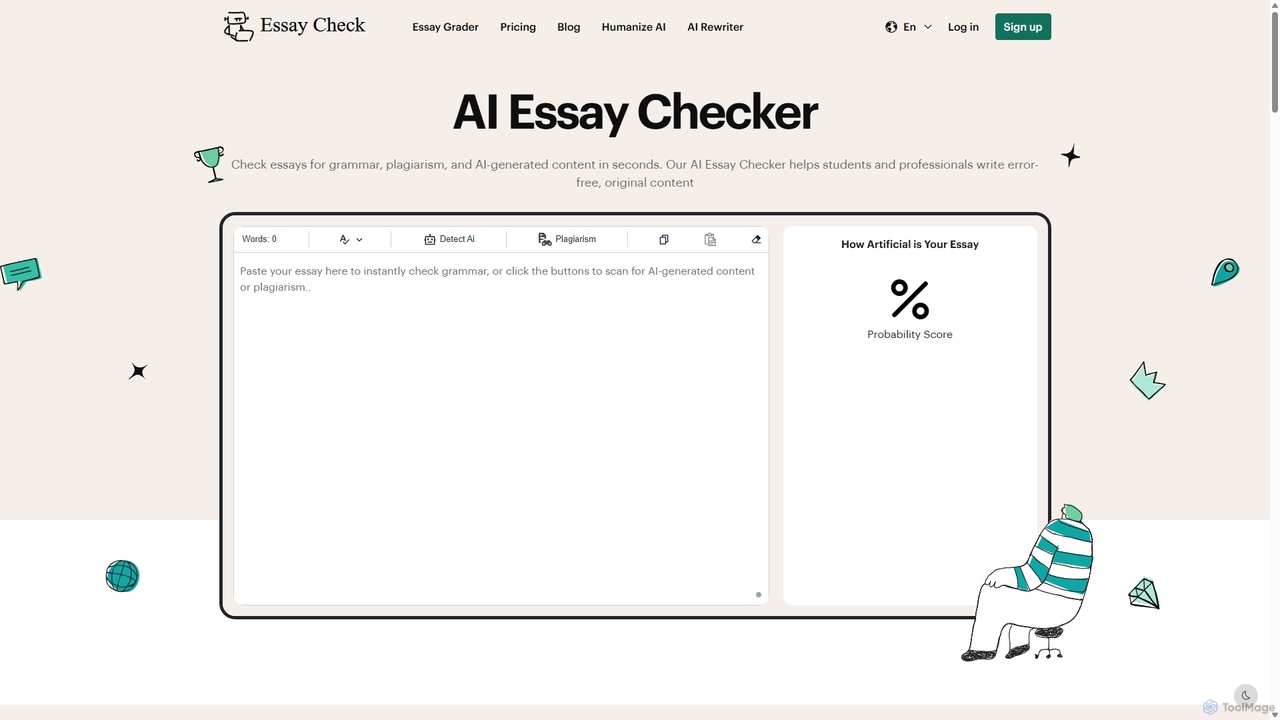
Essaycheck

Essaycheck

An all-in-one AI-powered writing assistant that offers an AI content detector, grammar checker, plagiarism scanner, and essay grader. …

6.4K
Copyleaks

Copyleaks

Copyleaks is an advanced AI-powered platform for detecting plagiarism and AI-generated content. It serves educational institutions, businesses, and …

3.6M
Free
epagestore.ai

epagestore.ai

epagestore.ai is a comprehensive suite of over 100 free AI-powered tools designed to boost productivity and creativity. It …

2.6K

About Content

Content AI tools are specialized solutions that leverage artificial intelligence to automate and enhance various aspects of content creation, optimization, and management. These tools utilize advanced natural language processing (NLP) and machine learning algorithms to generate text, summarize information, rewrite existing content, and ensure it aligns with SEO best practices. They empower content creators, marketers, and businesses to produce high-quality, engaging, and search-engine-friendly content at scale, significantly streamlining workflows within the broader SEO strategy.

Core Features

  • AI Text Generation: Automatically produces articles, blog posts, product descriptions, and marketing copy based on prompts and keywords.
  • Content Rewriting & Paraphrasing: Transforms existing text into unique versions while maintaining meaning, aiding in avoiding plagiarism and refreshing old content.
  • Summarization: Condenses long documents, articles, or reports into concise, digestible summaries.
  • SEO Optimization Integration: Suggests keywords, analyzes readability, and ensures content structure is optimized for search engines.
  • Topic Clustering & Outline Generation: Helps identify related topics and build comprehensive content outlines for thorough coverage.

Use Cases

Content AI tools are indispensable for content marketers needing to scale their output, bloggers looking to overcome writer's block, and SEO specialists aiming to improve content relevance and ranking. They are used to quickly draft initial content, optimize existing articles for better search performance, and generate diverse content formats for various platforms.

How to Choose

When selecting an AI content tool, consider its language support and generation quality, ensuring it produces natural-sounding and grammatically correct text. Evaluate its integration capabilities with your existing SEO platforms and content management systems. Assess the range of content types it can generate and its customization options for tone and style. Finally, compare pricing models and the level of human oversight required to refine the AI-generated output.

ContentUse Cases

1

Generating SEO-Optimized Blog Posts

A content marketer needs to publish multiple blog posts weekly to maintain search engine visibility. Using an AI content tool, they input target keywords and a brief outline. The tool generates a draft article, incorporating relevant keywords naturally, suggesting internal links, and ensuring a logical structure, significantly reducing the time spent on initial drafting and research.

2

Automating Social Media Content Creation

A social media manager struggles to consistently create engaging captions and posts across various platforms. They use an AI content tool to generate multiple variations of social media updates from a single blog post or product announcement. This allows them to quickly populate their content calendar with diverse, platform-specific copy, saving hours of manual writing.

3

Rewriting & Refreshing Existing Articles

An SEO specialist identifies old blog posts with declining traffic that need updating. Instead of manually rewriting, they feed the articles into an AI content tool. The tool paraphrases sections, suggests new angles, and integrates fresh keywords, transforming outdated content into unique, re-optimized versions that can regain search ranking without duplicate content issues.

4

Crafting Compelling Product Descriptions at Scale

An e-commerce business launches hundreds of new products monthly, requiring unique and persuasive descriptions. Product managers use an AI content tool by providing product features and target audience. The tool generates engaging, benefit-driven descriptions tailored for conversion, ensuring consistency in brand voice across a vast product catalog and accelerating time-to-market.

5

Summarizing Long Reports for Quick Insights

A business analyst needs to quickly grasp the key findings from lengthy industry reports or research papers. They use an AI content summarization tool to extract the most critical information and condense it into bullet points or a short paragraph. This enables rapid comprehension and efficient sharing of insights with stakeholders, saving significant reading time.

6

Developing Content Outlines and Topic Clusters

A content strategist plans a comprehensive content campaign around a core topic. They utilize an AI content tool to identify related sub-topics, generate potential headlines, and structure detailed content outlines. This helps in building robust topic clusters, ensuring thorough coverage of a subject, and improving overall website authority and SEO performance.

ContentFrequently Asked Questions