Seo Best in category 2 results E Commerce Seo AI Tool

Popular AI tools in the E Commerce Seo field of Seo include wthere、AI Listing, etc., helping you quickly improve efficiency.

AI Listing

AI Listing

AI Listing is an advanced AI tool designed for Amazon sellers to rapidly generate high-converting product listings and …

3.1K
wthere

wthere

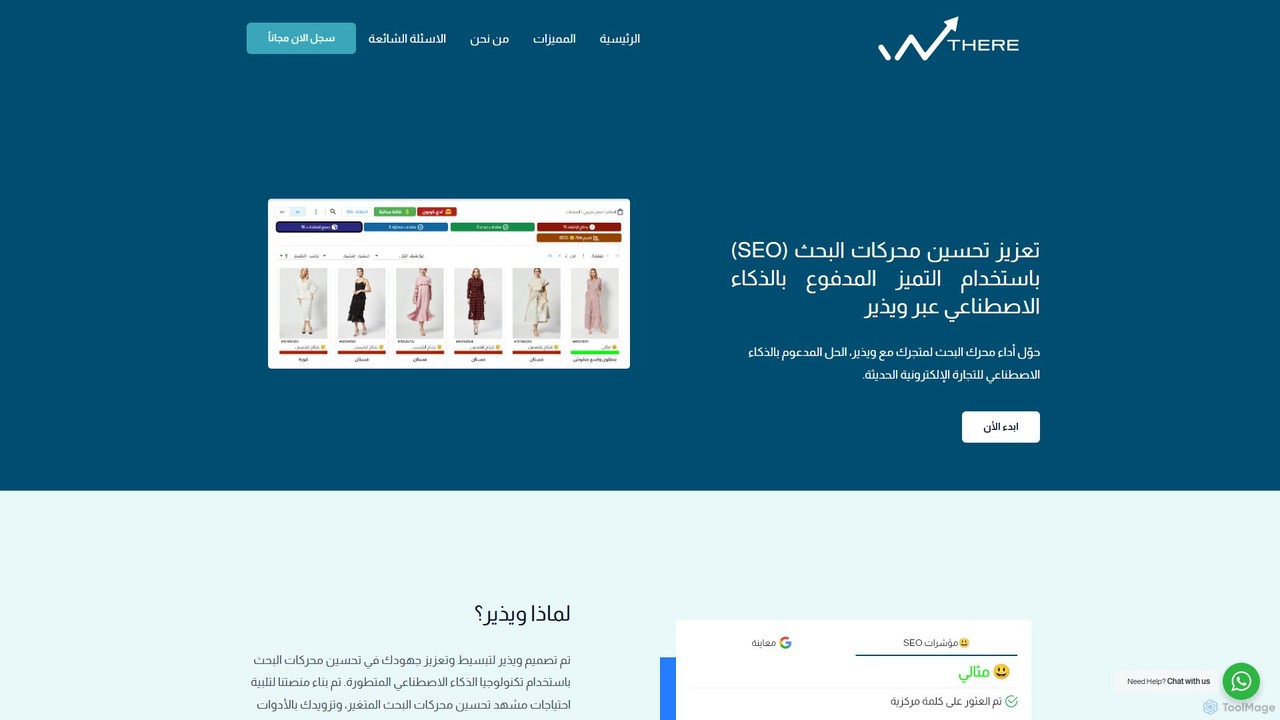
wthere is an AI-powered SEO solution designed specifically for e-commerce businesses. It simplifies and enhances search engine optimization …

3.3K

About E Commerce Seo

E Commerce SEO tools are a specialized category of AI-powered software designed to optimize online stores for search engines. These tools utilize machine learning to analyze product pages, category structures, and user behavior, automating complex SEO tasks specific to retail websites. They help increase organic traffic, improve product visibility in search results, and ultimately drive sales. Unlike general SEO platforms, E Commerce SEO tools focus on unique challenges like managing product variants, generating structured data (schema), and optimizing for transactional keywords.

Core Features

  • Automated Product Page Optimization: Analyzes and suggests improvements for product titles, descriptions, and image alt text based on target keywords and competitor data.
  • E-commerce Schema Generation: Automatically creates and implements structured data for products, reviews, and pricing, enhancing search engine result snippets.
  • Technical SEO for Large Catalogs: Identifies and helps fix issues common to e-commerce sites, such as duplicate content from product variants, crawl budget waste, and faceted navigation problems.
  • Transactional Keyword Research: Discovers high-intent keywords that shoppers use when they are ready to buy, moving beyond general informational queries.
  • Internal Linking Automation: Recommends strategic internal links between products, categories, and blog content to distribute link equity and improve site architecture.

Use Cases

These tools are essential for e-commerce managers, digital marketing specialists, and online store owners. They are used to streamline the process of optimizing thousands of product pages, a task that is manually unfeasible. Common applications include launching a new product line with SEO-ready pages from day one, or auditing an existing large-scale retail site to uncover hidden ranking opportunities and technical errors.

How to Choose

When selecting an E Commerce SEO tool, consider its integration capabilities with your platform (e.g., Shopify, Magento, WooCommerce). Evaluate its scalability to handle your current and future product catalog size. Assess the depth of its e-commerce-specific features, such as schema markup automation and variant handling. Finally, consider the user interface and the level of technical expertise required to use the tool effectively.


E Commerce SeoUse Cases

1

Automate SEO for New Product Launches

An e-commerce manager for a fashion brand is preparing to launch a new collection of 50+ items. Manually writing unique, keyword-optimized titles and descriptions for each product is time-consuming. Using an E Commerce SEO tool, they can bulk-generate descriptions based on product attributes like material, style, and color. The AI ensures each description is unique to avoid duplicate content issues and includes relevant long-tail keywords, significantly speeding up the go-to-market process and ensuring new products are visible on search engines from day one.

2

Fix Technical SEO Issues in a Large Catalog

An online electronics retailer with over 10,000 products notices their organic traffic has stagnated. An SEO specialist uses an E Commerce SEO tool to perform a site-wide audit. The tool quickly identifies thousands of pages with duplicate content caused by product variants (e.g., different storage sizes for the same phone) and missing canonical tags. It also flags issues with faceted navigation creating infinite URL combinations. The specialist uses the tool's recommendations to implement fixes, consolidating ranking signals and improving the site's overall SEO health.

3

Discover High-Intent Product Keywords

A small business owner selling handmade leather goods wants to attract customers who are ready to buy. Instead of targeting broad keywords like "leather bag," they use an E Commerce SEO tool's keyword research feature. The tool identifies long-tail, transactional keywords such as "full grain leather messenger bag for 15-inch laptop" or "buy handmade leather wallet with RFID blocking." By optimizing their product pages for these specific phrases, they attract a more qualified audience, leading to higher conversion rates and a better return on their SEO efforts.

4

Enhance Product Visibility with Schema Markup

An online gourmet food store wants its products to stand out in search results with rich snippets, showing ratings, price, and availability. A marketing specialist uses an E Commerce SEO tool to automatically generate and inject the correct JSON-LD schema markup into all product pages. As a result, their search listings become more eye-catching, leading to a higher click-through rate (CTR) from organic search. This process, which would require significant developer resources to implement manually, is completed in a fraction of the time.

5

Optimize Internal Linking for Better Site Architecture

The SEO team for a large home goods retailer wants to improve how search engines crawl their site and distribute authority. They use an E Commerce SEO tool that analyzes their entire site structure. The AI identifies "orphan" product pages with no internal links and suggests relevant linking opportunities from high-traffic blog posts and category pages to important product pages. By implementing these automated suggestions, they strengthen their site's internal linking structure, helping both users and search engine bots navigate the site more effectively and improving rankings for key pages.

6

Monitor Competitor Product SEO Strategies

A digital marketing agency managing several e-commerce clients needs to stay ahead of the competition. They use an E Commerce SEO tool to track the keyword rankings of their clients' key products against top competitors. The tool provides alerts when a competitor launches a new product that starts ranking for target keywords or when they make significant on-page SEO changes. This allows the agency to react quickly, analyze the competitor's strategy, and adjust their own clients' product pages to maintain or improve their search visibility.

E Commerce SeoFrequently Asked Questions