ToolMage
Sign in

Best 2 Hashtag Optimization AI tools for Seo

Popular Hashtag Optimization AI tools in Seo include Flick and IQ Hashtags, helping you work more efficiently.

Flick
Paid

Flick

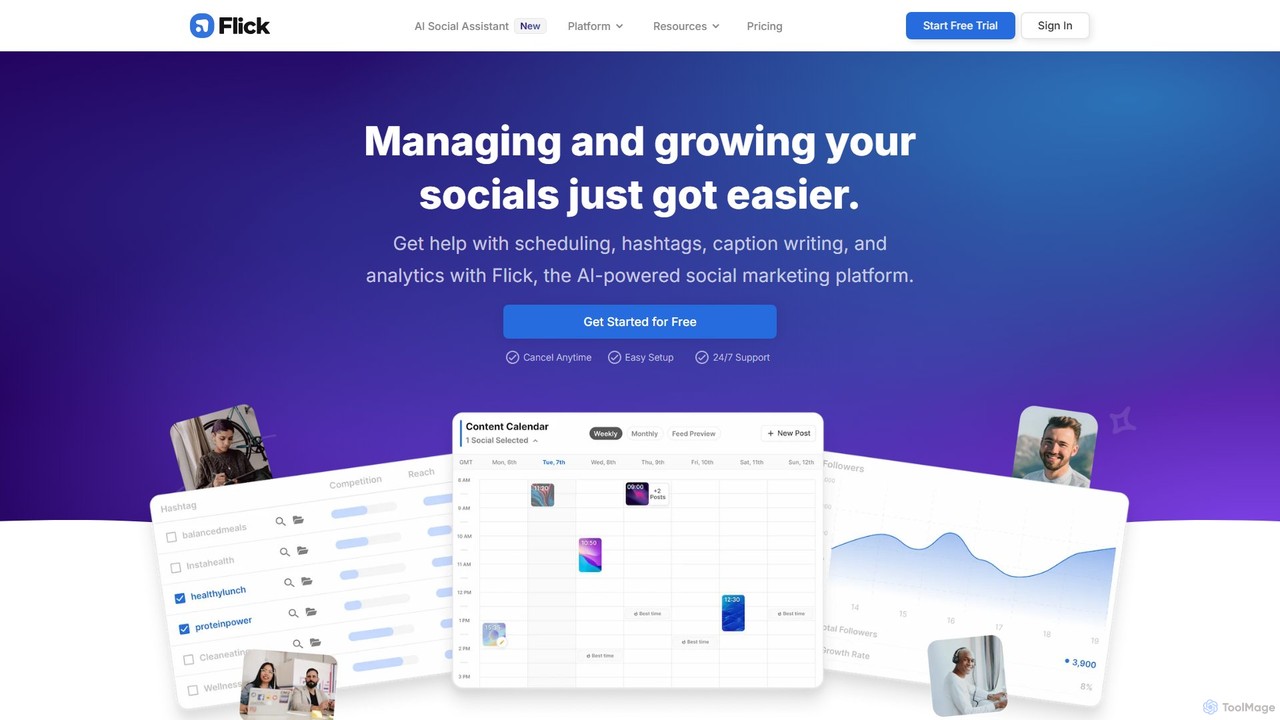
Flick is an all-in-one social media marketing platform designed to help creators, brands, and social media managers save time and improve results. It combines an AI-powered content assistant, advanced hashtag research, intuitive post scheduling, and in-depth analytics to streamline your entire social media workflow. From generating content ideas to tracking performance, Flick provides the tools you need to grow your online presence effectively.

Social Media
Visits 215.4KFavorites 162Likes 191
IQ Hashtags
Freemium

IQ Hashtags

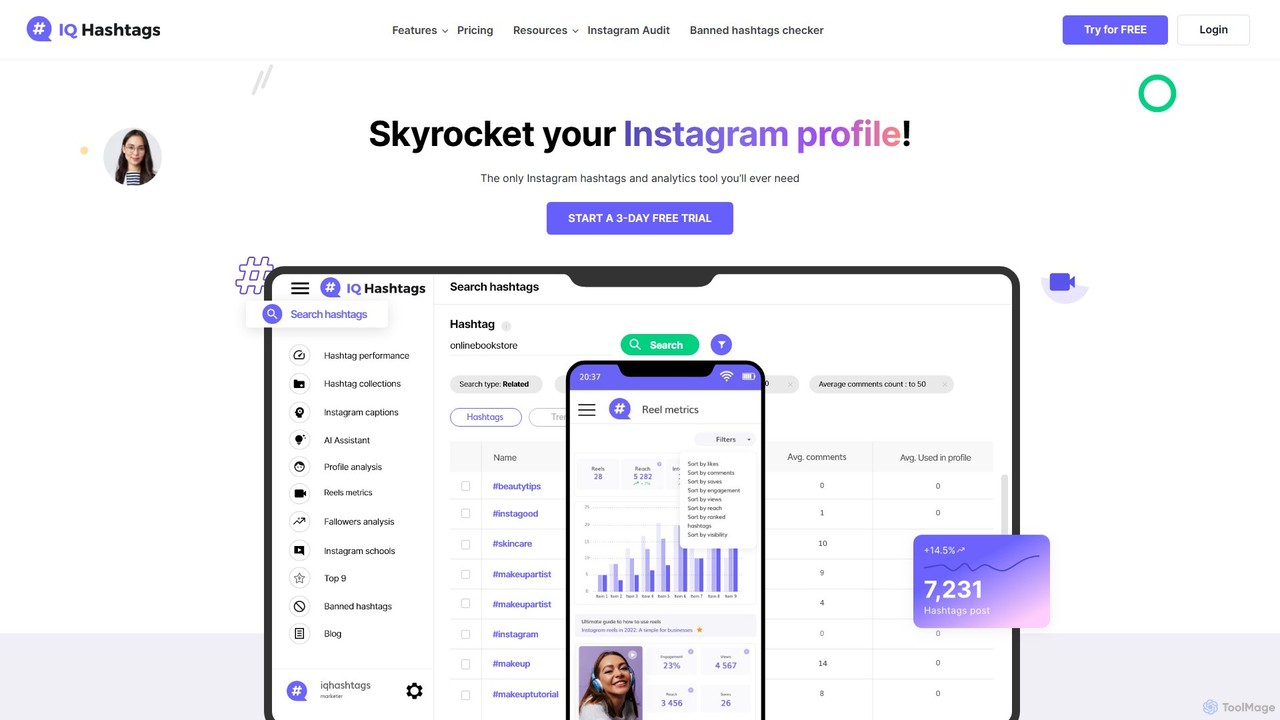
IQ Hashtags is an AI-powered Instagram marketing suite designed to boost your profile's growth. It offers advanced hashtag research, AI content generation, performance analytics, and a shadowban checker to increase your reach, engagement, and follower count. It's the all-in-one tool for creators, marketers, and businesses aiming to succeed on Instagram.

Content Creation
Visits 99.1KFavorites 120Likes 114

About Hashtag Optimization

Hashtag Optimization tools are AI-powered platforms designed to help users identify, generate, and manage the most effective hashtags for their social media content. These tools leverage advanced algorithms to analyze trends, competitor strategies, and audience engagement data, ensuring your posts achieve maximum visibility and reach across various platforms. By strategically selecting relevant and trending hashtags, content creators and marketers can significantly boost their content's discoverability, attract target audiences, and drive higher engagement rates, ultimately enhancing their overall digital presence.

Core Features

  • AI-Powered Hashtag Generation: Automatically suggests relevant and trending hashtags based on content, keywords, and target audience.
  • Trend Analysis & Prediction: Identifies current and emerging hashtag trends to capitalize on timely topics and maximize reach.
  • Competitor Hashtag Insights: Analyzes hashtags used by competitors to uncover successful strategies and identify new opportunities.
  • Performance Tracking & Analytics: Monitors the reach, engagement, and overall effectiveness of used hashtags, providing data-driven insights for optimization.
  • Multi-Platform Compatibility: Supports hashtag optimization across major social media platforms like Instagram, TikTok, X (Twitter), LinkedIn, and Facebook.

Applicable Scenarios

Hashtag Optimization tools are invaluable for social media managers, digital marketers, content creators, and brands aiming to amplify their online presence. They are used when launching new products, promoting campaigns, increasing brand awareness, or simply trying to expand the organic reach of daily posts. These tools streamline the process of finding the right hashtags, moving beyond guesswork to a data-driven approach for better social media performance.

How to Choose

When selecting a Hashtag Optimization tool, consider its platform compatibility to ensure it supports your primary social channels. Evaluate the depth of its analytics, looking for features like real-time trend analysis and detailed performance reports. Ease of use and integration with existing social media management tools are also crucial. Finally, assess the accuracy of its AI suggestions and its ability to adapt to niche-specific or rapidly changing trends to ensure long-term effectiveness.

Hashtag Optimization use cases

1

Boost Social Media Post Visibility

Social media managers utilize AI-powered tools to identify a mix of trending, niche, and evergreen hashtags, ensuring their daily posts reach a wider, more relevant audience and significantly increase organic impressions. This data-driven approach moves beyond guesswork, allowing for precise targeting and improved content discoverability across platforms like Instagram and TikTok.

2

Optimize Brand Campaign Hashtag Strategy

Marketing teams leverage these tools to analyze competitor hashtag performance and audience engagement for specific keywords, enabling them to craft highly effective and unique hashtags for product launches or seasonal campaigns. This ensures campaigns resonate with the target market and stand out in crowded social feeds, leading to better brand recall and conversion rates.

3

Cross-Platform Hashtag Management for Creators

Content creators and influencers use these tools to generate tailored hashtag sets for different platforms (e.g., Instagram, TikTok, X), maximizing discoverability while adhering to each platform's unique algorithm and user behavior. This ensures their content reaches the right audience on each channel, boosting engagement and follower growth efficiently.

4

Targeted Hashtag Discovery for E-commerce Products

E-commerce businesses employ Hashtag Optimization to uncover specific, high-intent hashtags that resonate with potential buyers, driving targeted traffic to product listings and increasing conversion rates. By analyzing product descriptions and audience demographics, these tools help identify niche tags that attract ready-to-buy customers, optimizing product visibility on social shopping platforms.

5

Real-time Trend Monitoring for PR & News

Public relations professionals and news outlets use these tools to monitor real-time trending hashtags, allowing them to quickly join relevant conversations, disseminate information, and boost their brand's topical relevance and visibility. This proactive approach ensures timely engagement with public discourse and maximizes the impact of their communications.

6

Data-Driven Hashtag Performance Refinement

Digital marketers track the performance of various hashtag combinations through integrated analytics, gaining insights into which tags drive the most engagement and reach, thereby continuously refining their future content strategies for optimal results. This iterative process ensures that hashtag usage evolves with audience preferences and platform algorithm changes, maintaining peak effectiveness.

Hashtag Optimization FAQ

What are Hashtag Optimization tools?

Hashtag Optimization tools are AI-driven platforms that help users discover, generate, and manage the most effective hashtags for their social media content. They leverage data analytics and machine learning to identify trending, relevant, and high-performing hashtags, aiming to maximize content visibility, engagement, and reach across various social media platforms.

How do Hashtag Optimization tools work?

These tools typically work by analyzing vast amounts of social media data, including current trends, popular keywords, competitor strategies, and audience engagement patterns. Using AI and natural language processing, they suggest hashtags that are most likely to perform well for specific content, helping users avoid generic or overused tags and instead focus on those that attract their target audience.

What are the key benefits of using Hashtag Optimization tools?

The primary benefits include significantly increased content discoverability and organic reach, higher engagement rates due to targeting relevant audiences, and improved brand visibility. By taking the guesswork out of hashtag selection, these tools save time, provide data-backed insights, and help users stay competitive by leveraging current trends and effective strategies.

How do Hashtag Optimization tools differ from general SEO keyword research tools?

While both involve keyword research, Hashtag Optimization tools are specifically tailored for social media platforms. They focus on short, trending, and community-driven tags, often with platform-specific nuances (e.g., Instagram's explore page algorithm). General SEO keyword tools, conversely, focus on search engine rankings, long-tail keywords, and website content, aiming for organic search visibility on platforms like Google.

What should I consider when choosing a Hashtag Optimization tool?

When choosing a tool, prioritize its compatibility with your main social media platforms and the accuracy of its AI-driven suggestions. Look for robust analytics features that track hashtag performance, trend prediction capabilities, and the ability to analyze competitor strategies. User-friendliness, integration options with other marketing tools, and pricing models are also important factors to ensure it meets your specific needs and budget.