ToolMage
Sign in

Best 6 Image Optimization AI tools for Seo

Popular Image Optimization AI tools in Seo include AltText.ai, Image Describer, ForVoyez, ImageSEOAI, alttextgenerator, and ImageComply, helping you work more efficiently.

AltText.ai
Freemium

AltText.ai

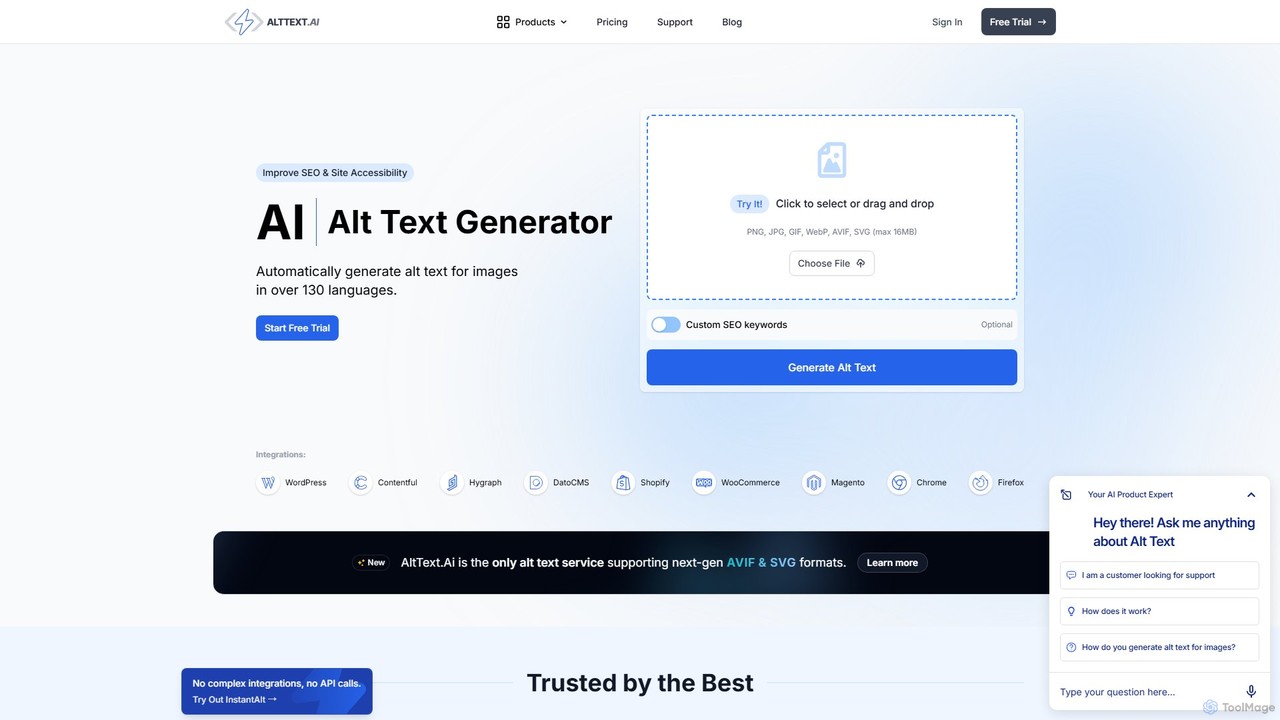
AltText.ai is an AI-powered tool that automatically generates accurate alt text for images in over 130 languages. It's designed to significantly improve website SEO and accessibility with minimal effort. Through seamless integrations with platforms like WordPress and Shopify, a developer API, and browser extensions, it automates the tedious task of writing image descriptions, saving users hundreds of hours while ensuring compliance and boosting search engine visibility.

Web Tools
Visits 57.2KFavorites 110Likes 121
ForVoyez
Freemium

ForVoyez

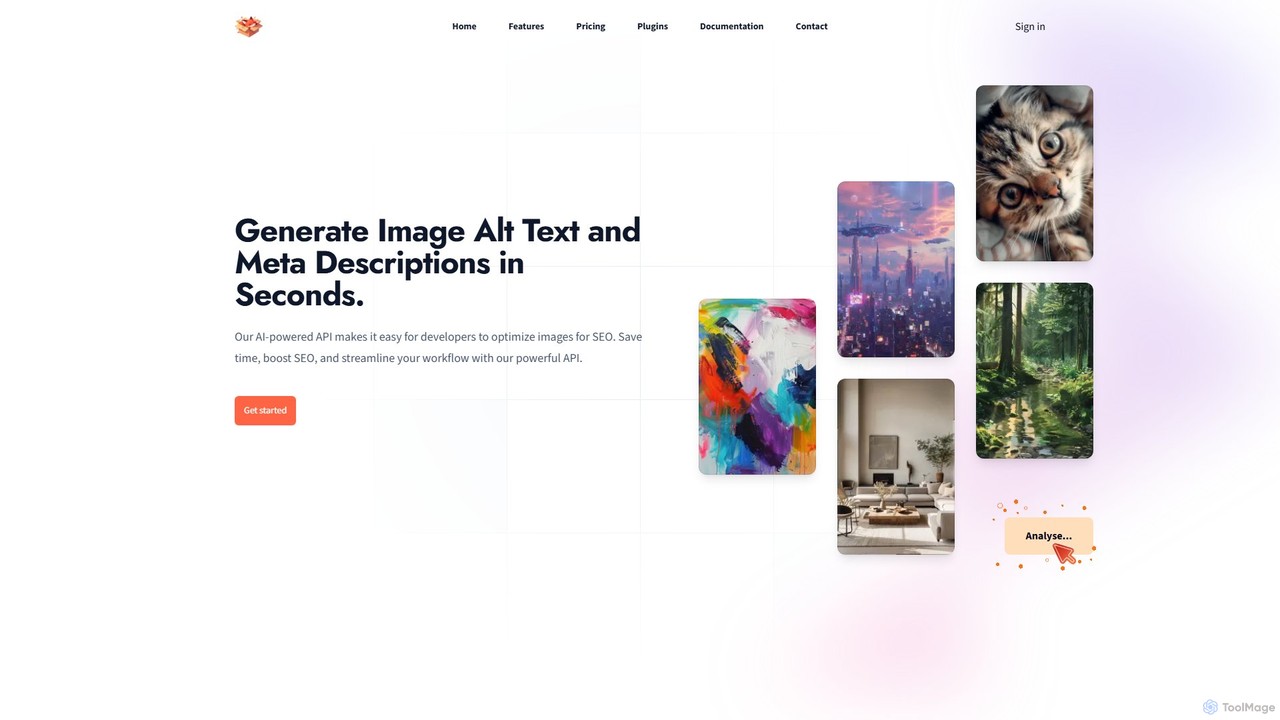
ForVoyez is an AI-powered tool that automatically generates SEO-optimized image metadata, including alt text, titles, and captions. It's designed for developers, marketers, and website owners to save time, improve search engine rankings, and enhance web accessibility. It offers a RESTful API for integration and a user-friendly WordPress plugin for easy implementation.

Api
Visits 4KFavorites 82Likes 97
Image Describer
Freemium

Image Describer

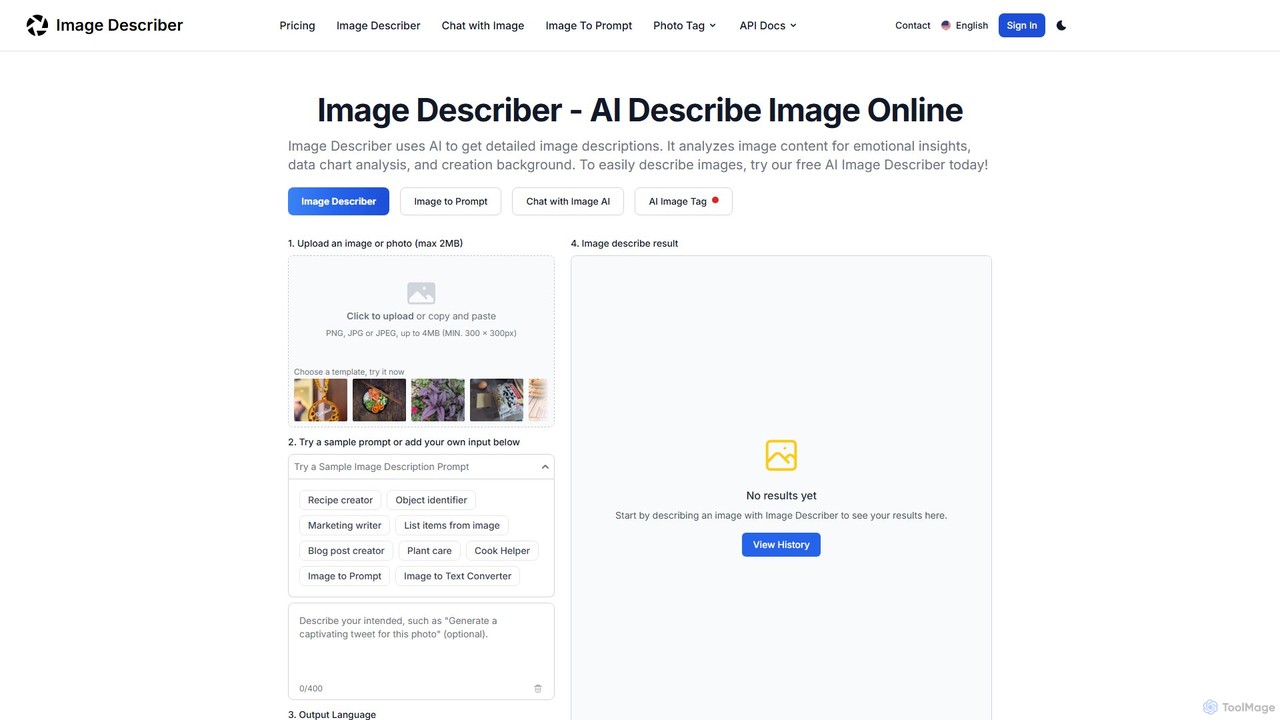
Image Describer is a versatile AI tool that generates detailed descriptions, alt text, and creative content from any image. It can analyze data charts, create recipes, generate marketing copy, and even produce prompts for AI art generators like Midjourney. It's designed for marketers, researchers, artists, and content creators to unlock insights and enhance efficiency.

Prompt Engineering
Visits 28.6KFavorites 119Likes 113
ImageComply
Freemium

ImageComply

ImageComply is an AI-powered WordPress plugin that automatically generates descriptive alt text for your website's images. It helps improve website accessibility, ensures ADA and WCAG compliance, and boosts SEO rankings. The tool offers a seamless, cost-effective solution for web developers, agencies, and businesses to make their visual content inclusive and optimized for everyone.

Writing
Visits 3.3KFavorites 107Likes 112
ImageSEOAI
Paid

ImageSEOAI

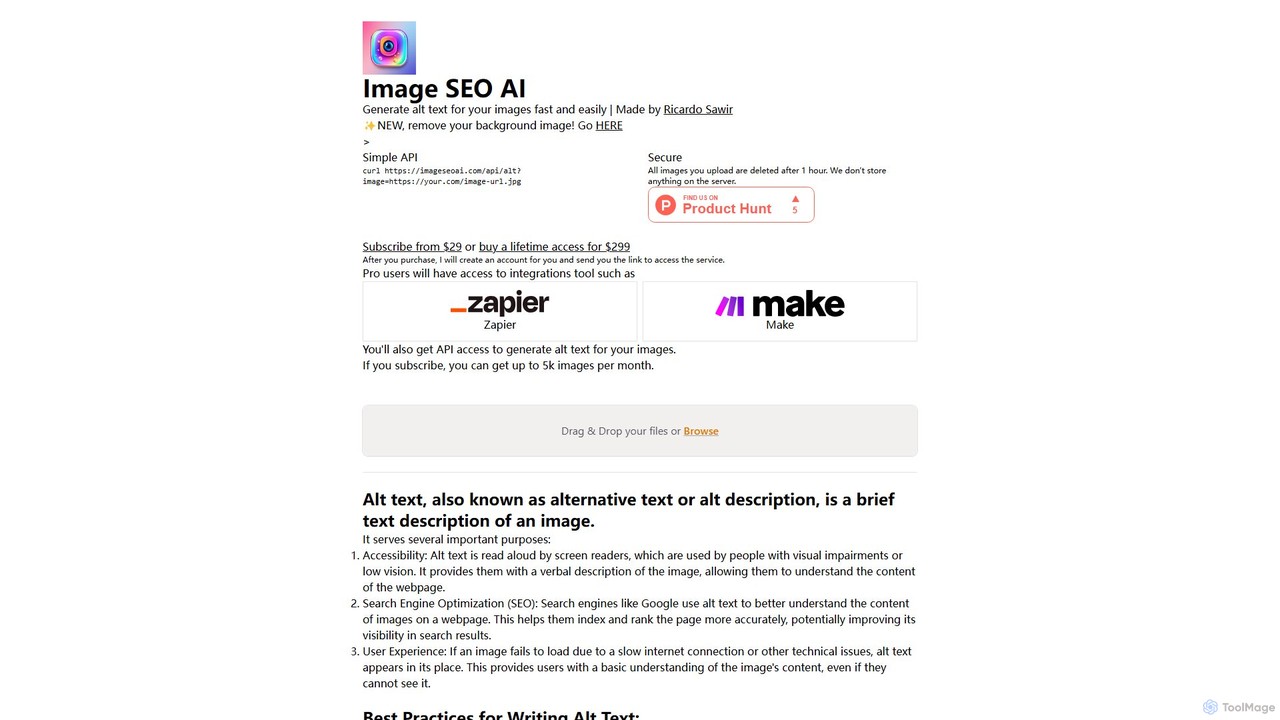
ImageSEOAI is an AI-powered tool designed to streamline image optimization. It automatically generates SEO-friendly alt text for images to improve accessibility and search engine rankings. Additionally, it features a powerful background removal tool, perfect for creating professional product photos and marketing visuals.

Api
Visits 3.9KFavorites 117Likes 114
alttextgenerator
Freemium

alttextgenerator

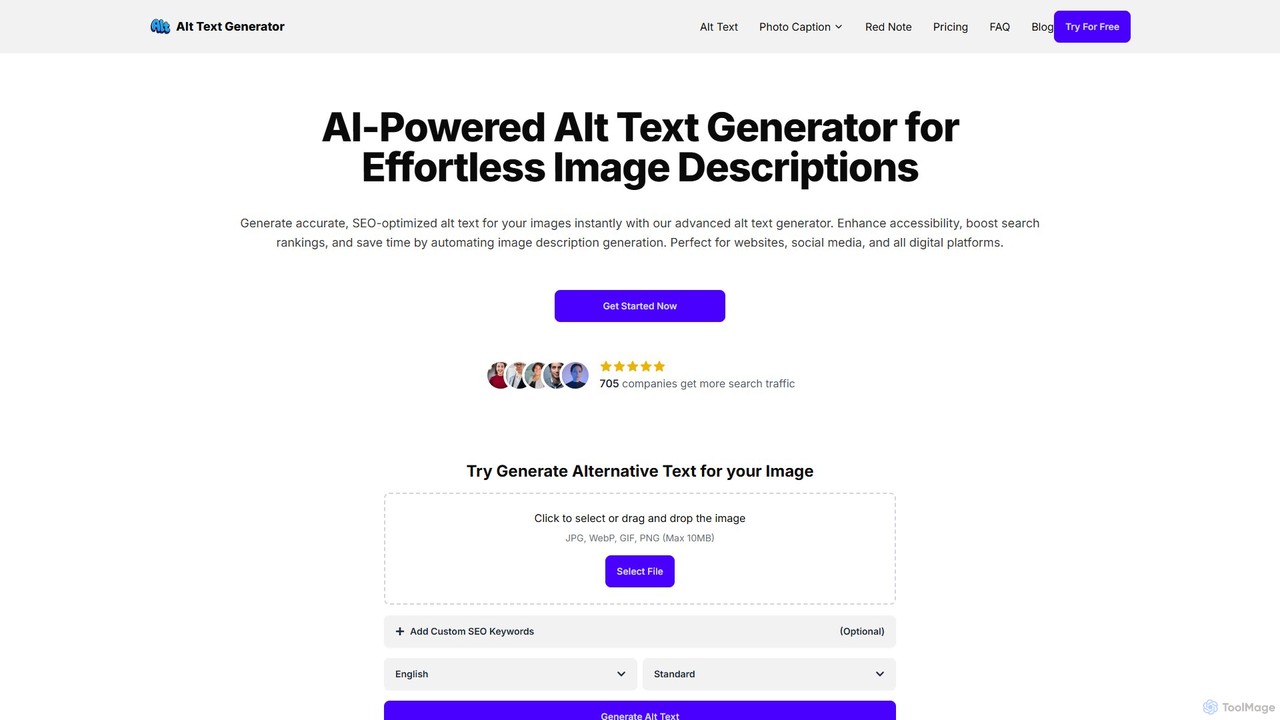
alttextgenerator is an AI-powered tool designed to instantly generate accurate, SEO-optimized alt text and engaging captions for images. It helps enhance website accessibility, boost search engine rankings, and save time by automating the image description process. Ideal for bloggers, marketers, and e-commerce sites, it supports multiple languages and customization options to align with your content strategy.

Content Creation
Visits 3.4KFavorites 87Likes 99

About Image Optimization

Image Optimization tools are AI-powered solutions designed to reduce image file sizes while maintaining or improving visual quality. These tools leverage advanced algorithms to compress, resize, and convert images efficiently, playing a crucial role in enhancing website loading speed and overall user experience. By optimizing images, businesses and content creators can significantly improve their website's SEO performance, reduce bandwidth consumption, and ensure faster content delivery across all devices.

Core Features

  • Intelligent Compression: Automatically reduces file size without noticeable quality loss using various compression algorithms (lossy/lossless).
  • Automated Resizing & Cropping: Dynamically adjusts image dimensions to fit specific display requirements or responsive designs.
  • Format Conversion: Converts images to modern, web-friendly formats like WebP or AVIF for superior compression and browser compatibility.
  • Lazy Loading Integration: Prepares images for deferred loading, improving initial page load times.
  • Metadata Stripping: Removes unnecessary EXIF data to further decrease file size.

Use Cases

Image Optimization tools are essential for anyone managing web content where performance and visual quality are critical. They are widely adopted by e-commerce platforms to speed up product page loads, by bloggers and publishers to enhance article readability and SEO, and by web developers to meet core web vitals standards. These tools streamline the process of preparing high-quality visuals for online use, ensuring fast delivery and a smooth browsing experience.

How to Choose

When selecting an Image Optimization tool, consider its compression efficiency and quality preservation capabilities, ensuring images remain sharp and clear. Evaluate the range of supported formats (e.g., WebP, AVIF) and integration options with your existing CMS or workflow. Look for features like bulk processing, API access, and real-time optimization. Finally, assess the pricing model, scalability, and ease of use to match your specific project requirements and technical expertise.

Featured tool rankings

Image Optimization use cases

1

Accelerating E-commerce Product Page Loads

An e-commerce manager needs to upload hundreds of product images daily. Using an AI image optimization tool, they can automatically compress and resize these images to web-friendly formats like WebP, significantly reducing file sizes. This ensures product pages load almost instantly, improving conversion rates and reducing bounce rates for online shoppers.

2

Enhancing Blog & News Website SEO

A content creator for a news website publishes articles with numerous high-resolution images. By integrating an image optimization solution, all images are automatically optimized upon upload, reducing their impact on page load times. This helps the website achieve better Core Web Vitals scores, leading to higher search engine rankings and improved reader engagement.

3

Optimizing Mobile App Image Assets

A mobile app developer aims to minimize app download size and improve in-app performance. They utilize image optimization tools to compress all UI elements, icons, and background images. This results in a smaller app package, faster asset loading within the app, and a smoother user experience, especially for users on slower networks.

4

Improving Social Media Content Delivery

A social media marketer frequently posts visually rich content across various platforms. An image optimization tool helps them quickly prepare images that meet platform-specific size and format requirements while ensuring fast loading. This guarantees that their visual content loads quickly for followers, maximizing reach and engagement.

5

Streamlining Web Development Workflows

A web developer is building a new website with a large number of visual assets. Instead of manually optimizing each image, they integrate an image optimization API into their build process. This automates the compression, resizing, and format conversion of all images, saving development time and ensuring optimal performance from the outset.

6

Reducing Bandwidth Costs for Large-Scale Websites

A large media portal hosts millions of images and experiences high traffic. By implementing advanced image optimization, they drastically reduce the total data transferred for each page view. This leads to substantial savings on bandwidth costs and improves the overall efficiency of their content delivery network (CDN), providing a faster experience globally.

Image Optimization FAQ

What are Image Optimization tools?

Image Optimization tools are software or services that use AI and advanced algorithms to reduce the file size of images without compromising their visual quality. Their primary goal is to make images load faster on websites and applications, which is crucial for improving user experience, SEO performance, and reducing bandwidth consumption.

How do Image Optimization tools improve SEO?

Image Optimization tools improve SEO by directly impacting page load speed, a key ranking factor for search engines. Faster loading pages lead to better user experience, lower bounce rates, and higher engagement. Additionally, optimized images contribute to better Core Web Vitals scores, which Google uses to evaluate page experience, thus boosting search rankings.

What's the difference between lossy and lossless compression?

Lossy compression permanently removes some image data to achieve smaller file sizes, which can result in a slight, often imperceptible, reduction in quality. It's ideal for web images where maximum compression is needed. Lossless compression reduces file size by removing redundant data without discarding any information, ensuring perfect quality preservation but with less aggressive file size reduction. It's suitable for images where absolute fidelity is critical.

Which image formats are best for web optimization?

For web optimization, modern formats like WebP and AVIF are highly recommended due to their superior compression capabilities compared to older formats like JPEG and PNG. WebP offers excellent quality at significantly smaller file sizes, while AVIF provides even better compression and wider color gamut support. JPEG is still widely used for photographic images, and PNG for images requiring transparency.

Can Image Optimization tools handle bulk processing?

Yes, most professional Image Optimization tools are designed to handle bulk processing, allowing users to optimize hundreds or even thousands of images simultaneously. This feature is essential for websites with extensive image libraries, e-commerce platforms, and content management systems, significantly saving time and effort compared to manual optimization.