ToolMage
Sign in

Best 100 Keyword Research AI tools for Seo

Popular Keyword Research AI tools in Seo include digimarkai, Netus AI Headline Generator, Glimpse, ryrob, RankWatch, Senuto, ASOMobile, TubeMagic, RankHero, and StoryChief, helping you work more efficiently.

Contentmaps AI
Freemium

Contentmaps AI

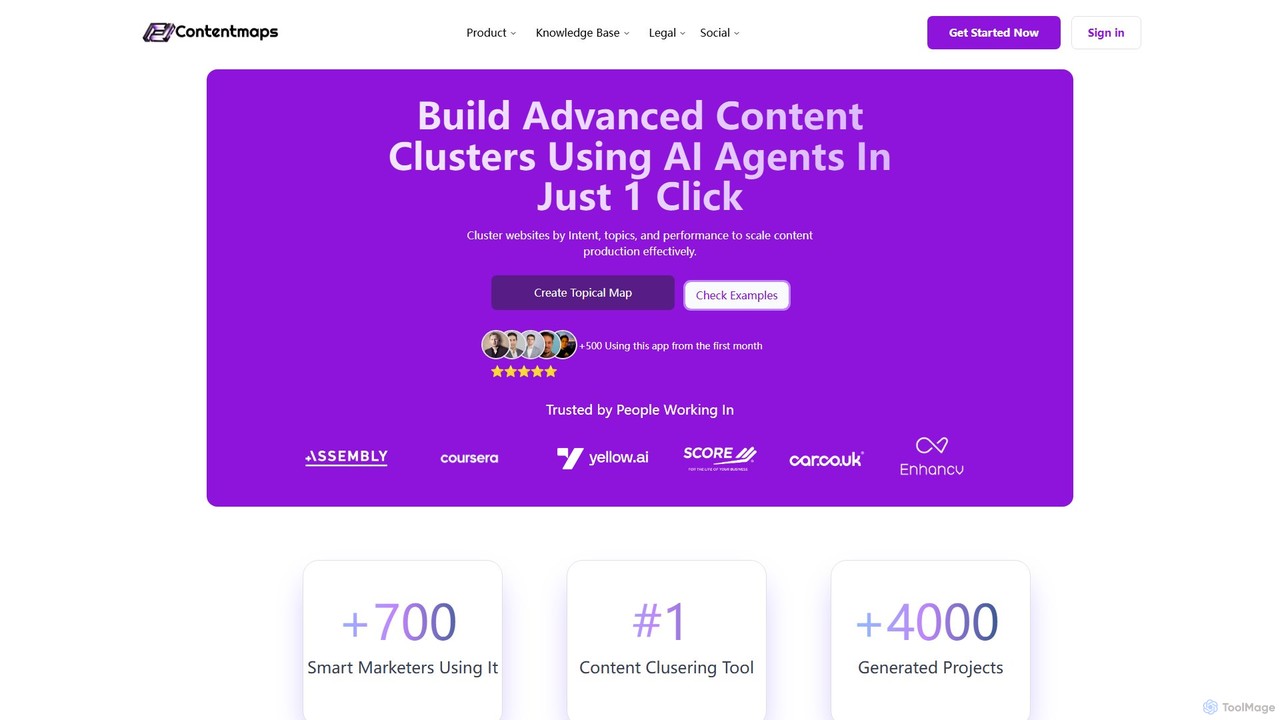
Contentmaps AI is an advanced SEO platform that uses AI agents to build comprehensive content clusters and topical maps at scale. It helps marketers and SEOs analyze domains, SERPs, and Reddit to discover content gaps, establish topical authority, and create data-driven content strategies to outrank competitors.

Content Marketing
Visits 6.1KFavorites 143Likes 126

XHSPlus
Freemium

XHSPlus

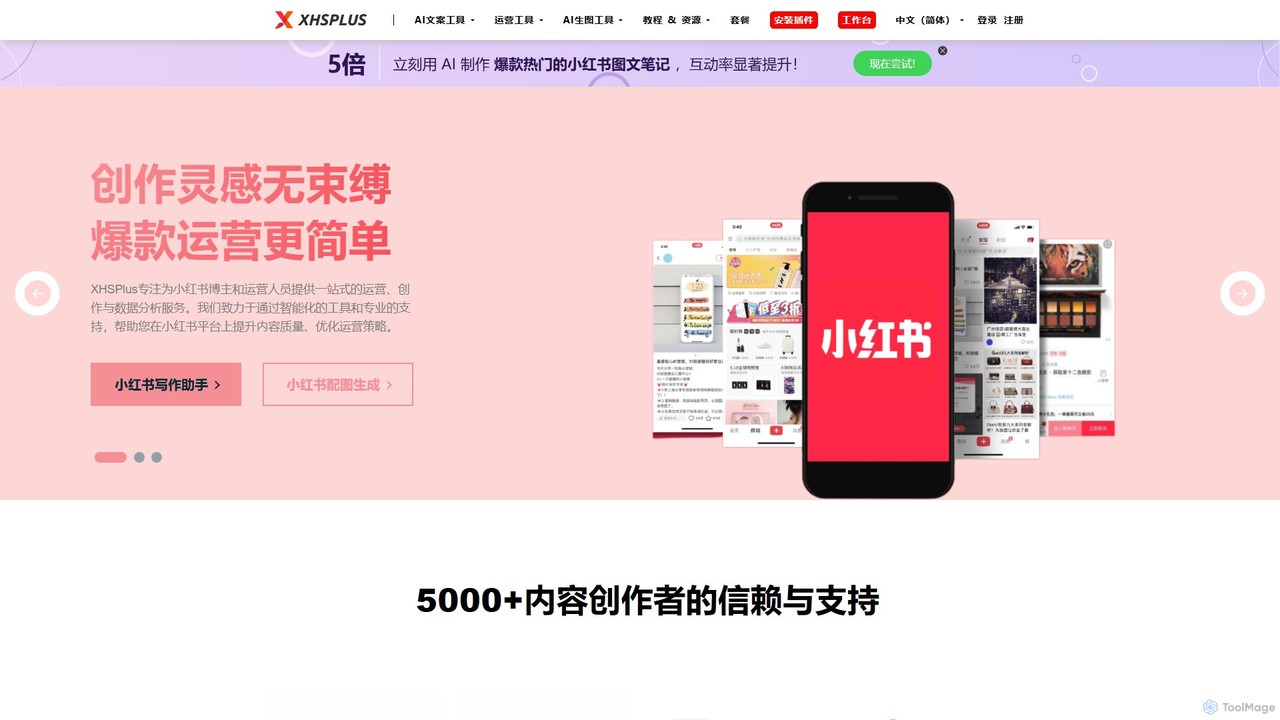
XHSPlus is an AI-powered, all-in-one toolkit for Xiaohongshu (Little Red Book) creators and marketers. It boosts content creation efficiency by up to 5x, helping you generate viral posts, analyze trending topics, and optimize your marketing strategy to significantly increase engagement.

Writing
Visits 14.2KFavorites 137Likes 152
orchard.ink
Freemium

orchard.ink

orchard.ink is an AI-powered content cultivation platform for marketers, creators, and SEO specialists. It streamlines the entire content lifecycle, from data-driven strategy and ideation to collaborative writing, intelligent repurposing, and performance analytics. Grow your digital presence by turning single ideas into a thriving content ecosystem.

Content Marketing
Visits 6.9KFavorites 147Likes 143
BlogTopics
Freemium

BlogTopics

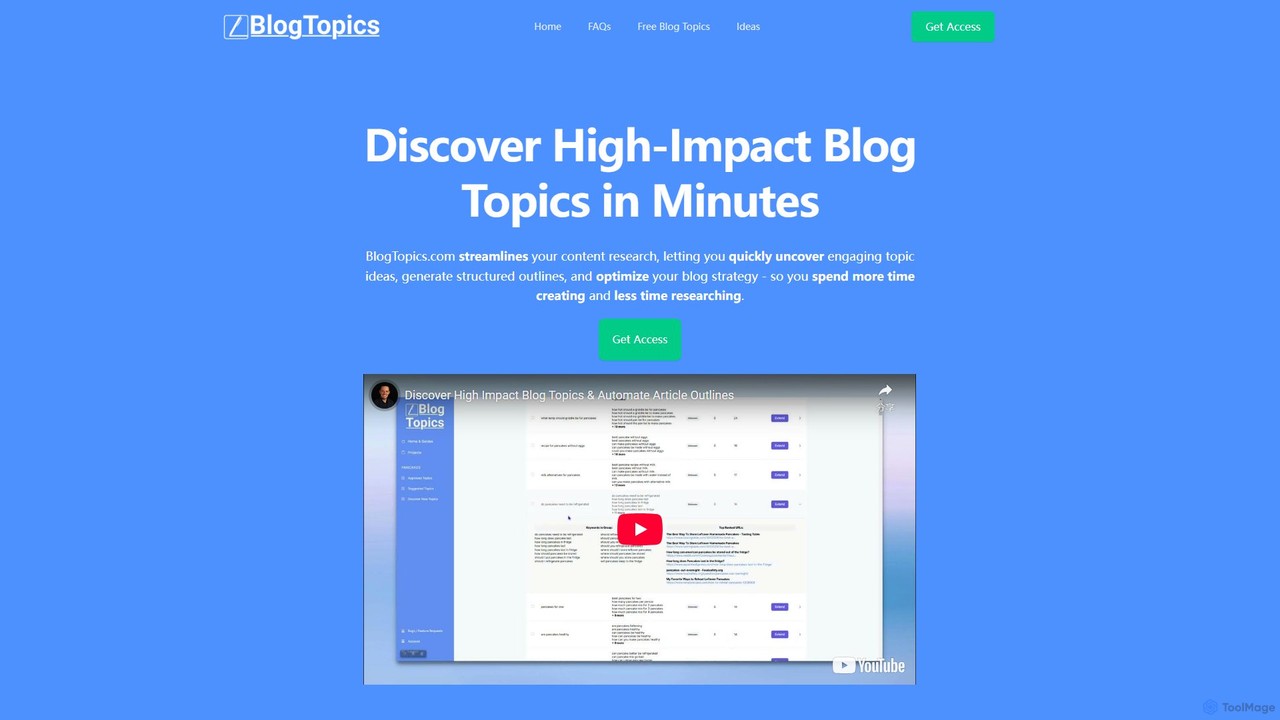
BlogTopics is an AI-powered tool designed to streamline content research. It helps users discover high-impact blog topics, find ranking keywords, and generate structured outlines in minutes. By analyzing SERP data and grouping keywords, it eliminates guesswork and saves hours of manual work for bloggers, marketers, and SEO specialists.

Content Marketing
Visits 5.9KFavorites 124Likes 135

About Keyword Research

AI Keyword Research tools are specialized applications for discovering, analyzing, and prioritizing search terms that audiences use online. These tools utilize data analysis and machine learning to estimate search volume, assess ranking difficulty, and uncover user intent behind queries. By using these platforms, marketers and content creators can build effective SEO and content strategies based on solid data, ensuring their efforts attract relevant organic traffic. They form the critical first step in any successful search engine optimization campaign.

Core Features

  • Keyword Discovery: Generates a broad list of relevant keyword ideas from a single seed term, including questions, long-tail variations, and semantic terms.
  • Search Volume Analysis: Provides estimated monthly search volume for keywords, often filterable by country or region, to gauge topic popularity.
  • Keyword Difficulty Score: Calculates a metric to estimate how difficult it would be to rank on the first page of search results for a specific keyword.
  • SERP Analysis: Displays the current top-ranking pages for a keyword, allowing for analysis of competitors, content types, and search intent.
  • Keyword Clustering: Groups semantically related keywords together, helping to structure content and build topic authority.

Use Cases

Primarily used by SEO specialists, content marketers, and digital advertising professionals. For instance, an SEO specialist will use these tools to map out a website's entire organic search strategy. A content writer uses them to find topics for blog posts that match user intent. A PPC manager relies on them to discover valuable keywords for paid search campaigns.

How to Choose

When selecting an AI Keyword Research tool, consider the accuracy and source of its data (e.g., clickstream vs. Google Keyword Planner data). Evaluate the range of metrics provided, such as click-through rate (CTR) estimates and SERP feature analysis. Also, consider the size of the keyword database, language and country support, and whether its feature set and pricing align with your team's scale and specific SEO needs.

Featured tool rankings

Keyword Research use cases

1

Planning a Content Marketing Strategy

A content marketer for a B2B SaaS company needs to create an editorial calendar for the next quarter. They use an AI Keyword Research tool to input their core product features as seed keywords. The tool generates hundreds of related long-tail keywords and questions, such as 'how to improve team collaboration with software' or 'best project management tool for remote teams'. By filtering for low difficulty and high search volume, the marketer identifies a dozen high-potential blog post topics that directly address customer pain points, ensuring the content strategy is data-driven and aligned with search demand.

2

Optimizing E-commerce Product Pages

An e-commerce manager is launching a new line of 'eco-friendly yoga mats'. To maximize visibility, they use a keyword tool to analyze this term. The tool reveals high-intent variations like 'non-toxic cork yoga mat' and 'biodegradable TPE yoga mat for sale'. It also shows what questions users are asking, such as 'are TPE mats better than PVC?'. The manager uses this data to optimize product titles, write detailed descriptions that answer user questions, and create category pages targeting these specific, high-conversion keywords, leading to better organic rankings and sales.

3

Identifying a Niche for a New Website

An entrepreneur wants to start a new affiliate marketing website but is unsure of the niche. They use a keyword research tool to explore broad topics like 'home fitness', 'gardening', and 'pet care'. By analyzing the keyword difficulty and search volume of sub-topics, they discover that 'indoor vertical gardening for apartments' has a significant search volume but relatively low competition. The tool helps them validate the niche's potential before investing time and money, providing a clear, data-backed direction for their new business venture.

4

Performing Competitor Content Gap Analysis

An SEO analyst for an established blog wants to find new content opportunities. They use a keyword research tool's 'Content Gap' or 'Keyword Gap' feature. They enter their own domain and the domains of three main competitors. The tool generates a list of keywords that their competitors rank for, but their own site does not. By analyzing this list, the analyst quickly identifies valuable topics their audience is interested in but which they haven't covered, allowing them to create targeted content to capture that missing traffic.

5

Optimizing YouTube Video Discoverability

A YouTube creator specializing in tech reviews wants their new video on the 'latest gaming laptops' to perform well. They use a keyword research tool with a YouTube-specific search function. The tool provides data on what users are searching for on YouTube itself, revealing popular queries like 'best gaming laptop under $1500' and 'RTX 4070 laptop review'. The creator incorporates these exact phrases into their video title, description, and tags. This targeted optimization helps the YouTube algorithm understand the video's content, increasing its chances of appearing in search results and suggested videos.

6

Building a Targeted PPC Campaign

A digital marketing agency is setting up a Google Ads campaign for a client selling 'custom mechanical keyboards'. Using a keyword research tool, they identify high commercial intent keywords like 'buy custom 60% keyboard' and 'hot-swappable keyboard builder'. The tool also provides estimated Cost-Per-Click (CPC) data, allowing them to forecast the budget. They discover negative keywords like 'free' or 'DIY' to exclude from the campaign, ensuring ad spend is focused only on users actively looking to make a purchase, thereby maximizing the return on investment (ROI).

Keyword Research FAQ

What are AI Keyword Research tools?

AI Keyword Research tools are advanced software applications that help users find and analyze the terms people use in search engines. Unlike traditional tools that rely on historical data, AI-powered versions use machine learning to identify semantic relationships between keywords, uncover emerging trends, and group terms by user intent. This allows for a more sophisticated understanding of a topic, helping creators build content that covers a subject comprehensively rather than just targeting a single keyword.

How to choose the right Keyword Research tool?

Choosing the right tool depends on your specific needs. Consider the following factors:

  • Data Source and Accuracy: Does the tool use Google's data, clickstream data, or a combination? The data source impacts the reliability of search volume and difficulty metrics.
  • Feature Set: Do you need basic keyword discovery, or advanced features like SERP analysis, keyword clustering, and content gap analysis?
  • User Interface: Is the tool intuitive for beginners, or is it designed for experienced SEO professionals with complex filtering options?
  • Budget: Prices can range from free tools with limited functionality to expensive enterprise-level subscriptions. Determine your budget and find a tool that offers the best value for its price.
What's the difference between Keyword Research tools and all-in-one SEO platforms?

The main difference is specialization versus scope. A dedicated Keyword Research tool focuses exclusively on providing deep, comprehensive data for keyword discovery, analysis, and strategy. An all-in-one SEO platform, while including a keyword research module, also offers a broad range of other SEO functions like rank tracking, site audits, backlink analysis, and reporting. For teams deeply focused on content strategy, a specialized keyword tool might offer more granular data. For those needing a complete overview of their SEO performance, an all-in-one platform is often more suitable.

What key metrics should I look for in a Keyword Research tool?

While tools offer many metrics, four are fundamental for most users:

  • Search Volume: An estimate of how many times a keyword is searched for per month. It helps gauge the potential traffic for a topic.
  • Keyword Difficulty (KD): A score (often 0-100) that estimates how hard it is to rank on the first page of Google. Higher scores mean more competition.
  • Cost Per Click (CPC): The average amount advertisers are paying for a click on ads targeting that keyword. It's a strong indicator of commercial intent.
  • Search Intent: Many modern tools categorize keywords by intent (Informational, Navigational, Commercial, Transactional), helping you align content with what users want to do.
Can I use free keyword research tools for professional SEO?

Yes, free tools can be a great starting point, especially for beginners or those with a limited budget. Tools like Google Keyword Planner provide valuable data directly from the source. However, they often have limitations, such as providing broad search volume ranges instead of exact numbers or lacking advanced competitive analysis features. For professional, in-depth SEO work that requires precise data, competitor insights, and strategic planning features, investing in a paid, more comprehensive tool is generally recommended for better results.