ToolMage
Sign in

Best 869 Seo AI tools

Popular Seo AI tools include QuillBot, ZeroGPT, GPTZero, Humanize AI, digimarkai, Duplichecker, vidiq, JustDone, Undetectable AI, and Copyleaks, helping you work more efficiently.

Carpio
Paid

Carpio

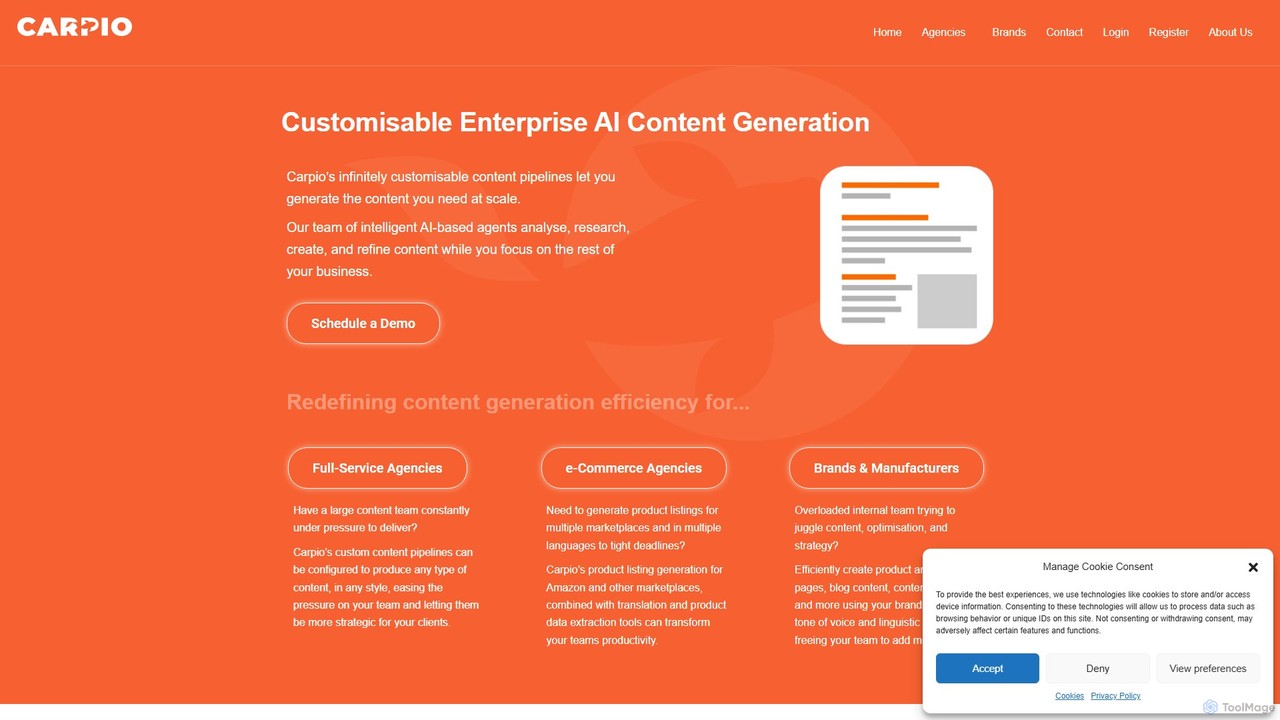
Carpio is an advanced enterprise AI platform designed for brands and agencies to generate high-quality, scalable content. It utilizes customizable, multi-agent pipelines to research, create, optimize, and translate content, streamlining workflows for e-commerce, marketing, and product information management.

Product Descriptions
Visits 6.9KFavorites 117Likes 123
swiftbrief
Freemium

swiftbrief

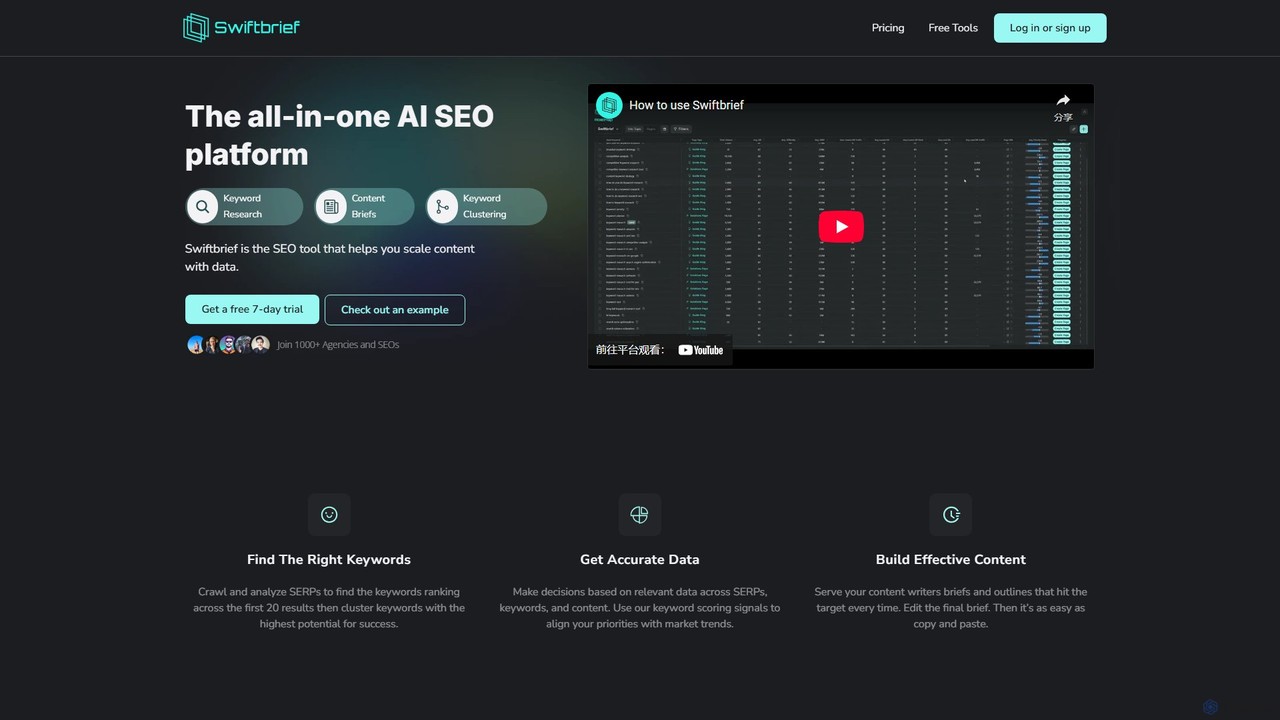
swiftbrief is an all-in-one AI-powered SEO platform designed for content marketers and editors. It streamlines the entire content creation workflow, from strategic keyword research and topic clustering to generating comprehensive content briefs and high-quality, AI-written articles, ensuring every piece of content is optimized for top search engine rankings.

Content Marketing
Visits 9.1KFavorites 166Likes 146
Humanize AI
Freemium

Humanize AI

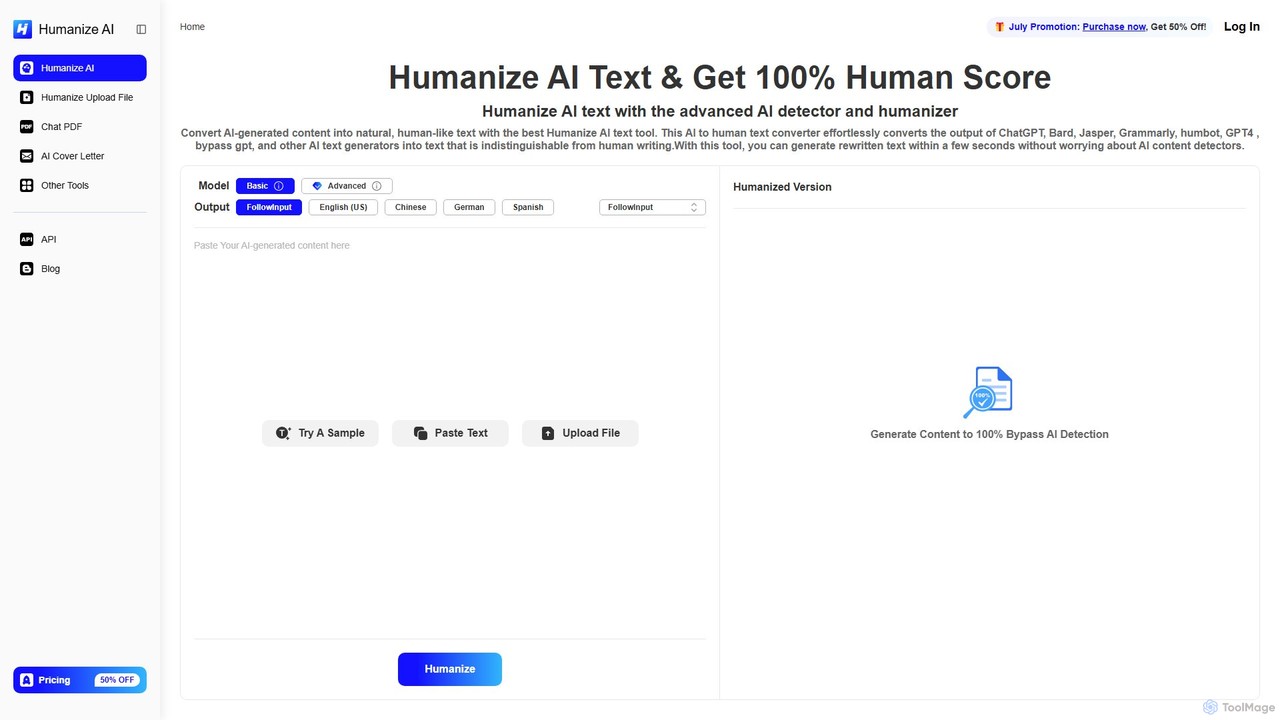
Humanize AI is an advanced AI text humanizer that converts AI-generated content into natural, human-like writing. It's designed to bypass all major AI detectors, including GPTZero and Originality.ai, ensuring your content achieves a 100% human score. The tool helps writers, students, and marketers produce undetectable, plagiarism-free, and high-quality content without losing the original meaning.

Academic Writing
Visits 32.5KFavorites 127Likes 145
gmbapi
Freemium

gmbapi

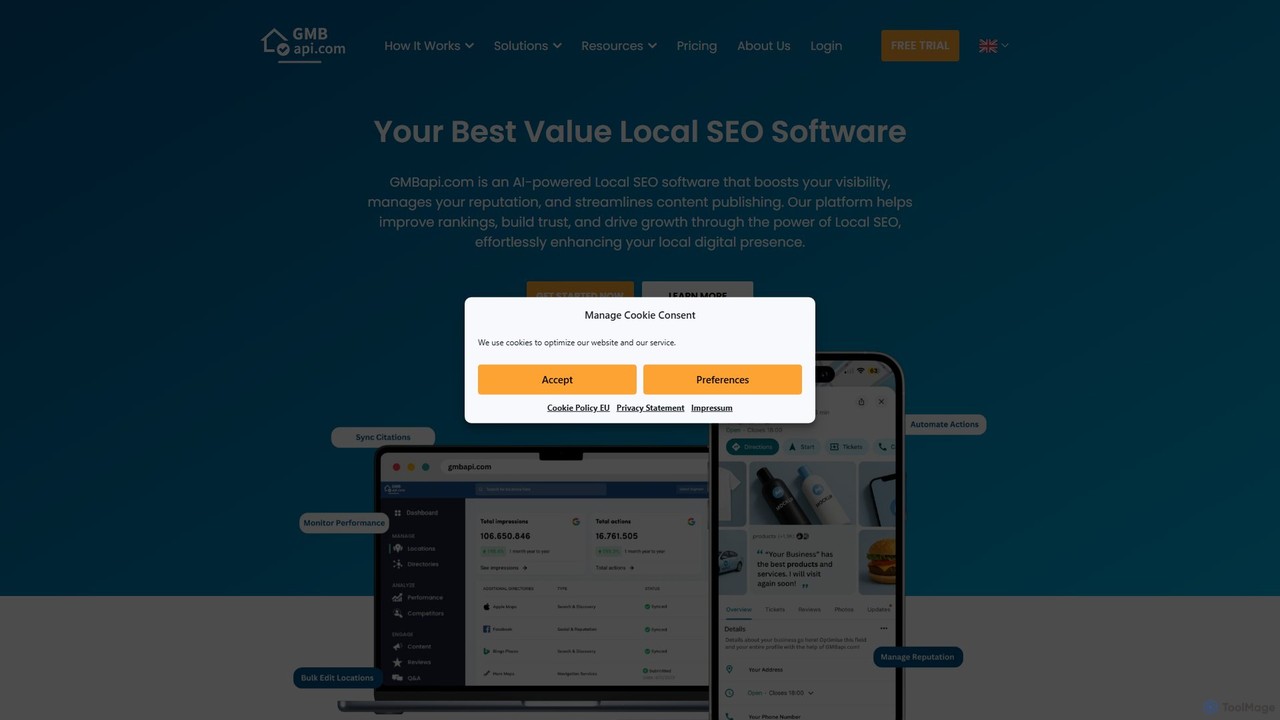
gmbapi is an AI-powered Local SEO platform designed for multi-location businesses and agencies. It streamlines Google Business Profile management, automates review responses with AI, enables bulk content publishing, and provides in-depth competitor and keyword tracking. Recognized for its value and user-friendly interface, gmbapi helps businesses enhance local visibility, manage online reputation, and drive customer growth efficiently.

Reputation Management
Visits 45.2KFavorites 151Likes 162
RewriterPro
Freemium

RewriterPro

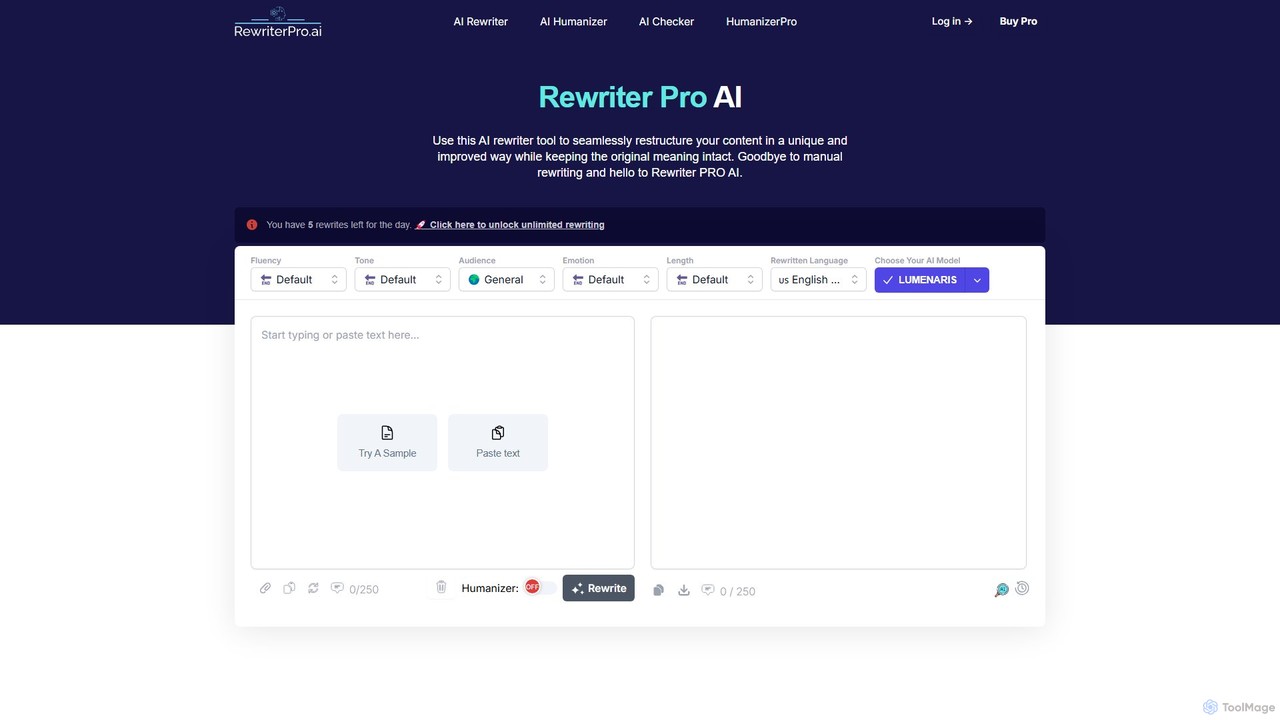
RewriterPro is an advanced AI-powered tool designed to paraphrase, rewrite, and humanize text. It helps users restructure content to be unique and engaging while preserving the original meaning. Key features include tone adjustment, fluency control, multi-language support, and a built-in AI humanizer to bypass detection.

Academic Writing
Visits 16KFavorites 97Likes 103

About Seo

AI SEO tools are a class of software that leverages artificial intelligence to automate and optimize search engine optimization tasks. They utilize machine learning and natural language processing to analyze data, generate content, and identify strategic opportunities. These tools help marketers and businesses improve website visibility, drive organic traffic, and gain a competitive edge in search rankings. Their primary advantage is processing vast datasets at a scale and speed unattainable through manual methods.

Core Features

  • Keyword Research & Clustering: Automatically discovers relevant keywords, analyzes user intent, and groups them into semantic clusters for targeted content creation.
  • AI Content Generation & Optimization: Creates SEO-friendly articles, product descriptions, and meta tags, while providing real-time suggestions to improve existing content.
  • Technical SEO Auditing: Continuously scans websites to identify technical issues like broken links, slow page speed, or crawl errors, and provides actionable recommendations.
  • Backlink Analysis & Outreach: Analyzes competitor backlink profiles to find new opportunities and helps streamline the outreach process for link building.

Use Cases

AI SEO tools are widely used by digital marketing agencies, in-house SEO teams, content creators, and e-commerce businesses. They are applied throughout the entire SEO workflow, from initial strategy and keyword planning to content creation, technical auditing, and performance tracking.

How to Choose

When selecting an AI SEO tool, consider the scope of its features (all-in-one suite vs. specialized tool), its integration capabilities with platforms like Google Analytics or a CMS, the accuracy of its data and AI models, and its pricing structure (e.g., per user, per project, or credit-based).

Featured tool rankings

Seo use cases

1

Automating Keyword Strategy for a New Website

A marketing manager for a startup uses an AI SEO tool to analyze competitors and identify core 'topic clusters.' The tool generates hundreds of long-tail keyword ideas and groups them semantically based on user intent. This provides a clear, data-driven content roadmap for the first six months, saving weeks of manual research and ensuring every piece of content targets a specific audience need, accelerating the site's initial organic growth.

2

Scaling Content Creation for an E-commerce Store

An e-commerce team needs unique, SEO-optimized product descriptions for over 1,000 items. Using an AI content generator, they input product attributes (e.g., material, size, features) into a template. The tool then generates distinct, engaging descriptions for each product in minutes. This process avoids duplicate content penalties from search engines and significantly improves the visibility of individual product pages in search results.

3

Performing a Comprehensive Technical SEO Audit

An SEO agency consultant uses an AI-powered site auditor for a large corporate client. The tool crawls thousands of pages, identifying critical errors like orphan pages, incorrect canonical tags, and Core Web Vitals issues. It presents these findings in a prioritized dashboard with clear, actionable instructions for the development team, turning a process that would take days into a matter of hours and ensuring no critical issue is missed.

4

Optimizing Blog Posts for Higher Rankings

A content writer uses an AI writing assistant integrated into their editor. As they write, the tool provides real-time feedback on keyword density, readability, and semantic relevance by analyzing top-ranking competitor content. It suggests internal linking opportunities and relevant LSI keywords to include, significantly improving the article's on-page SEO score before it's even published and increasing its chances of ranking on the first page.

5

Identifying High-Value Backlink Opportunities

A link-building specialist uses an AI tool to analyze the backlink profiles of the top three competitors in a niche. The tool identifies high-authority domains that link to multiple competitors but not their own client, a pattern known as a 'link gap.' This generates a prioritized list of high-potential outreach targets, allowing the specialist to focus their efforts on websites that are already proven to link to similar content, increasing the campaign's success rate.

6

Monitoring Rank Fluctuations and Algorithm Updates

An in-house SEO manager sets up daily rank tracking for 500 critical keywords. The AI tool not only tracks positions but also correlates any significant drops or gains with known Google algorithm updates or competitor activities. When a sudden drop is detected, the tool provides diagnostic insights, such as identifying specific pages that lost rankings, helping the manager to react quickly and effectively to protect their organic traffic.

Seo FAQ

What are AI SEO tools?

AI SEO tools are software applications that use artificial intelligence, particularly machine learning and natural language processing, to enhance and automate search engine optimization tasks. Unlike traditional tools that provide raw data, AI tools analyze complex patterns to offer strategic recommendations, predict trends, and generate human-like content. Key functions include advanced keyword research, content optimization, technical site audits, and competitive analysis.

How do I choose the right AI SEO tool?

To choose the right tool, consider these factors:

  • Primary Need: Identify your main goal. Are you focused on content creation, technical SEO, link building, or all-in-one management?
  • Data Accuracy: Evaluate the reliability of the tool's data sources for keywords, traffic estimates, and competitor analysis.
  • Integration: Check if it integrates with your existing workflow, such as your CMS (e.g., WordPress), Google Analytics, or Google Search Console.
  • Pricing Model: Compare pricing structures. Some offer all-in-one subscriptions, while others use a credit-based system for specific tasks like content generation.
What's the difference between AI SEO tools and traditional SEO tools?

The main difference is in automation and insight generation. Traditional SEO tools (like basic rank trackers or keyword finders) provide raw data that requires extensive manual analysis. AI SEO tools process that data to provide actionable insights, such as grouping keywords by user intent, predicting a topic's ranking potential, or automatically generating optimized content briefs. They shift the user's focus from data collection to strategic implementation.

Can AI SEO tools replace human SEO experts?

AI SEO tools are designed to augment, not replace, human experts. They excel at data processing, pattern recognition, and executing repetitive tasks at a scale humans cannot match. However, human expertise remains crucial for strategic planning, understanding nuanced market context, creative problem-solving, and building genuine relationships for link building. The most effective approach combines AI's analytical power with a skilled SEO professional's strategic oversight.

Who should use AI SEO tools?

A wide range of users can benefit from AI SEO tools. This includes:

  • Digital Marketing Agencies: To manage multiple clients efficiently and scale their services.
  • In-house SEO Teams: To automate data analysis and focus on high-level strategy at large companies.
  • Small Business Owners: To improve their online presence without a large marketing team.
  • Content Creators & Bloggers: To optimize articles for higher search rankings and attract more readers.
  • E-commerce Managers: To optimize thousands of product listings at scale.