Shopping Best in category 1 results Smart Spending AI Tool

Popular AI tools in the Smart Spending field of Shopping include Cartinel, etc., helping you quickly improve efficiency.

Cartinel

Cartinel

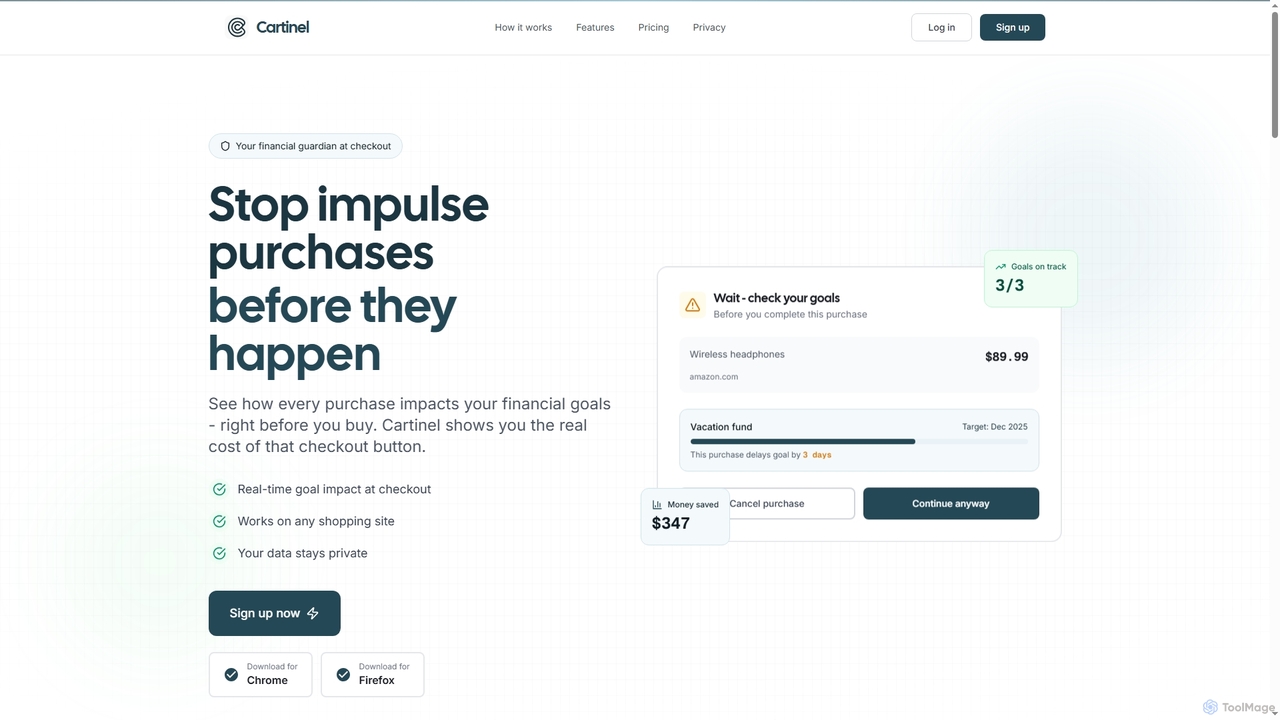
Cartinel is an AI-powered browser extension for Chrome and Firefox that acts as a financial guardian, preventing impulse …

3.0K

About Smart Spending

Smart Spending tools are AI-powered assistants designed to optimize your purchasing decisions within the broader shopping experience. They leverage data analysis, price tracking algorithms, and machine learning to identify the best value for your money. These tools go beyond simple price comparison, offering insights into price history, summarizing user reviews, and automatically finding applicable discounts. The primary goal is to empower consumers to make informed, cost-effective choices and avoid impulsive buys.

Core Features

  • Intelligent Price Tracking: Monitors prices across multiple retailers over time and alerts you to significant drops or historical lows.
  • Automated Coupon & Deal Discovery: Automatically scans and applies the best available coupon codes and cashback offers at checkout.
  • Product Review Analysis: Uses NLP to summarize thousands of customer reviews, highlighting common pros, cons, and key themes.
  • Personalized Spending Insights: Analyzes your shopping habits to provide budget tracking, identify potential savings, and suggest smarter alternatives.

Use Cases

These tools are ideal for frequent online shoppers, families managing a household budget, and individuals planning significant purchases like electronics or appliances. They are also valuable for bargain hunters and anyone seeking to gain better control over their discretionary spending by making data-driven decisions rather than emotional ones.

How to Choose

When selecting a Smart Spending tool, consider its integration capabilities (e.g., browser extension, mobile app), the range of supported retailers, the depth of its analytical features (e.g., price history vs. current price), and its data privacy policy. Also, evaluate whether its focus is on deals, budgeting, or a combination of both to best match your personal finance goals.

Smart SpendingUse Cases

1

Optimizing a Major Electronics Purchase

A tech enthusiast plans to buy a new high-end laptop. Instead of manually checking multiple retail sites daily, they use a Smart Spending tool. They set a price alert for their desired model. The tool tracks the price across ten different stores, analyzes its historical price data to predict the best time to buy, and summarizes user reviews to confirm there are no widespread hardware issues. When the price drops during a flash sale, the user gets an instant notification and completes the purchase, saving over 15% and ensuring they bought a reliable product.

2

Automating Weekly Grocery Savings

A family uses a Smart Spending app to manage their weekly grocery budget. Before shopping, they upload their shopping list to the app. The AI scans the list, compares current prices for each item at three nearby supermarkets, and identifies available digital coupons. It also suggests cost-effective alternatives, like a store brand of pasta that is 30% cheaper but has similar user ratings. At checkout, the app automatically applies all clipped coupons. This process consistently saves the family 10-20% on their grocery bill each week without the hassle of manual coupon clipping.

3

Finding and Canceling Unused Subscriptions

A user feels their monthly expenses are too high but can't pinpoint the cause. They connect their bank accounts to a Smart Spending tool with a subscription management feature. The AI scans their transaction history and identifies all recurring payments, including a streaming service they forgot they had and a premium app subscription they no longer use. The tool presents a clear list of all subscriptions, their costs, and usage frequency. With one click, the user instructs the tool to initiate the cancellation process for two unused services, saving them $30 per month.

4

Making an Informed Fashion Purchase

A shopper is looking for a new winter coat and is overwhelmed by the options. They use a Smart Spending browser extension. While browsing a product page, the extension's AI summarizes hundreds of reviews, highlighting that while the coat is warm, many users complain about a faulty zipper. It also shows the coat's price history, revealing it was 25% cheaper just two weeks ago. Finally, it suggests three similar, higher-rated coats from other brands in the same price range. The shopper avoids a potentially poor purchase and finds a better alternative, feeling confident in their decision.

5

Tracking Spending Against a Monthly Budget

A recent graduate wants to manage their finances better. They set a monthly budget for different categories like 'Dining Out', 'Shopping', and 'Entertainment' within a Smart Spending app. As they make purchases with their linked card, the app automatically categorizes each expense and updates the remaining budget for each category in real-time. If they are close to exceeding their 'Shopping' budget, the app sends a push notification as a gentle reminder. This proactive tracking helps them stay within their financial limits and develop healthier spending habits.

6

Comparing Travel Deals for a Vacation

A couple is planning a vacation and wants the best deal on flights and hotels. They use a Smart Spending tool focused on travel. The AI compares prices across hundreds of booking sites, airlines, and hotel chains simultaneously. It doesn't just show the cheapest option, but also the 'best value' option, factoring in layover times, hotel ratings, and included amenities. It also predicts whether prices are likely to rise or fall in the coming week, advising them to book now or wait. This comprehensive analysis allows them to book a well-rated hotel and convenient flights, saving hundreds of dollars compared to booking separately.

Smart SpendingFrequently Asked Questions