ToolMage
Sign in

Best 32 Analytics AI tools for Social Media

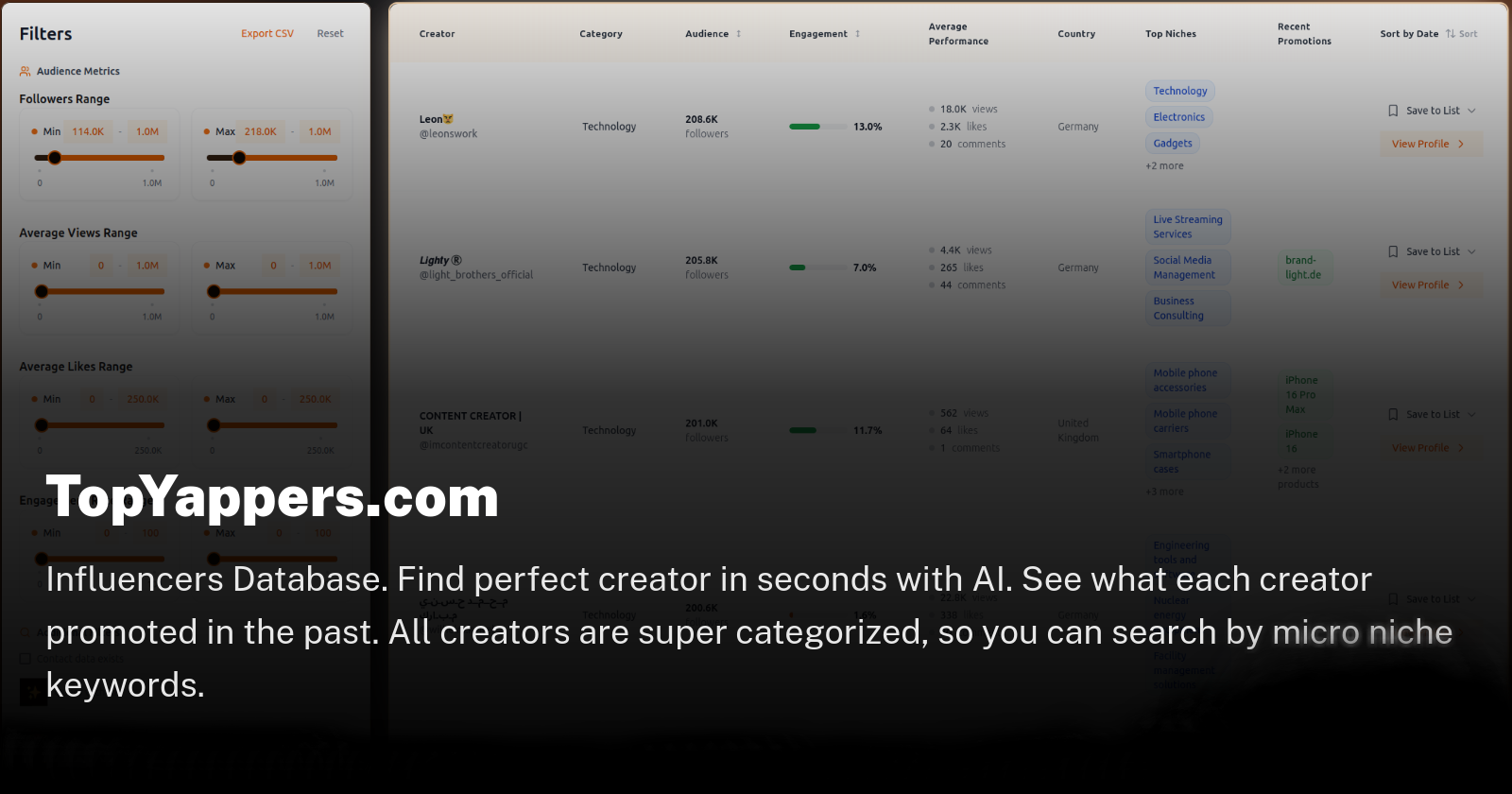
Popular Analytics AI tools in Social Media include Favikon, PicSee, topyappers, Unfollow Tracker & Followers, SocialBook, impulze.ai, Competitors App, insightiq, Monetize, and Twitter Personality, helping you work more efficiently.

instracker
Freemium

instracker

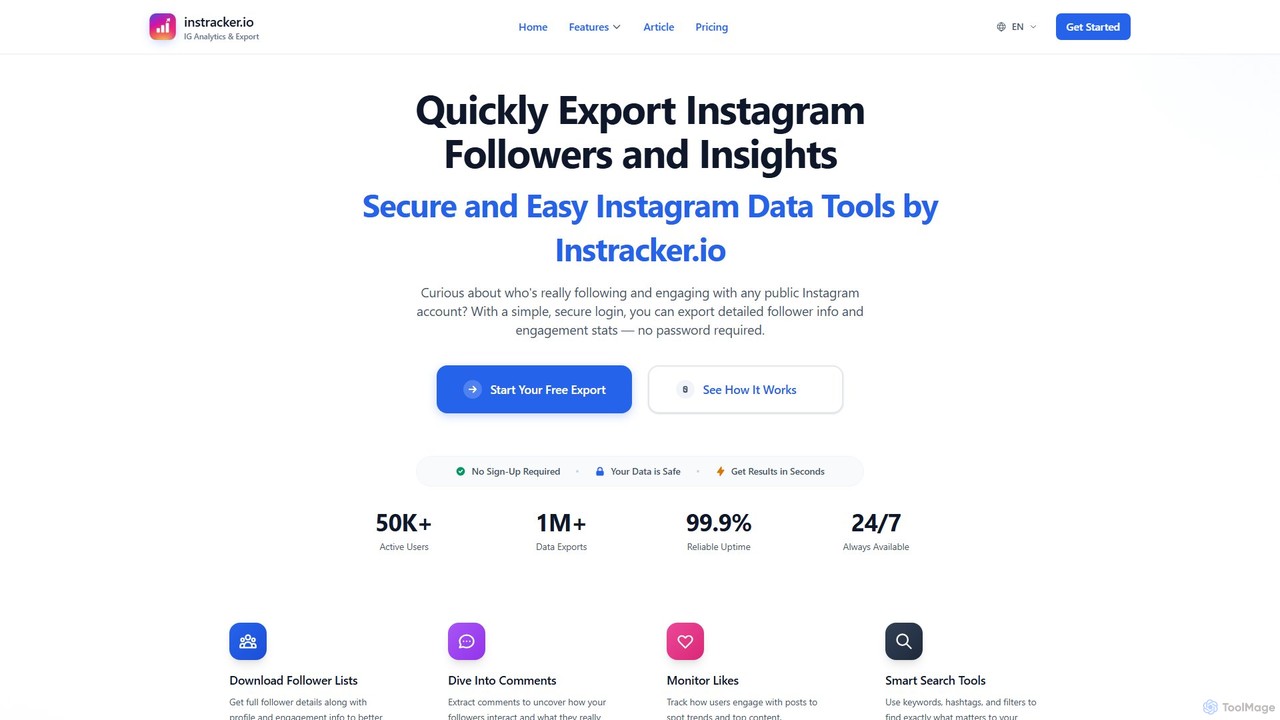
Instracker is a powerful Instagram data export and analysis tool for marketers, agencies, and creators. It securely exports follower/following lists, comments, likes, and profile data from any public Instagram account without requiring a password. Get detailed insights in CSV, Excel, or JSON formats to understand your audience, track engagement, and refine your social media strategy.

Data Extraction
Visits 6.6KFavorites 126Likes 127
Comment Explorer
Freemium

Comment Explorer

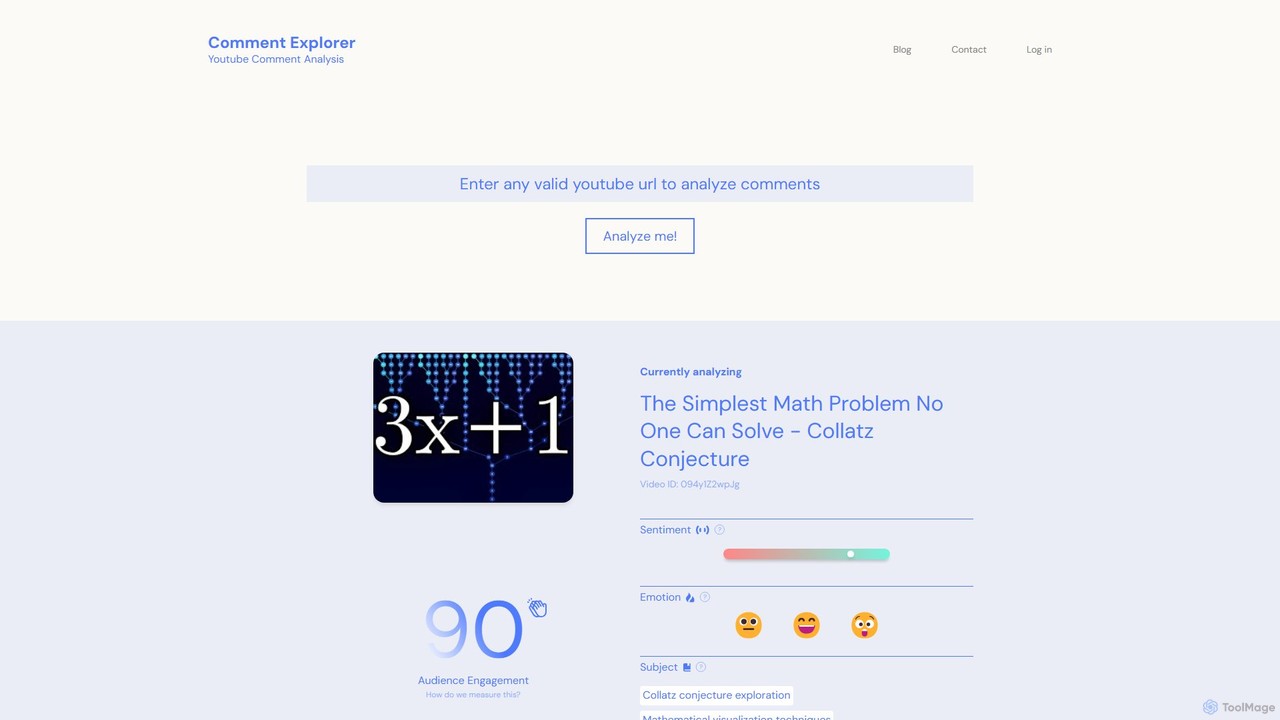
An AI-powered tool for YouTube creators and marketers to analyze video comments for free. It extracts deep insights, including sentiment, emotions, and key topics, helping you understand your audience and refine your content strategy.

Audience Research
Visits 6.6KFavorites 124Likes 130
Favikon
Freemium

Favikon

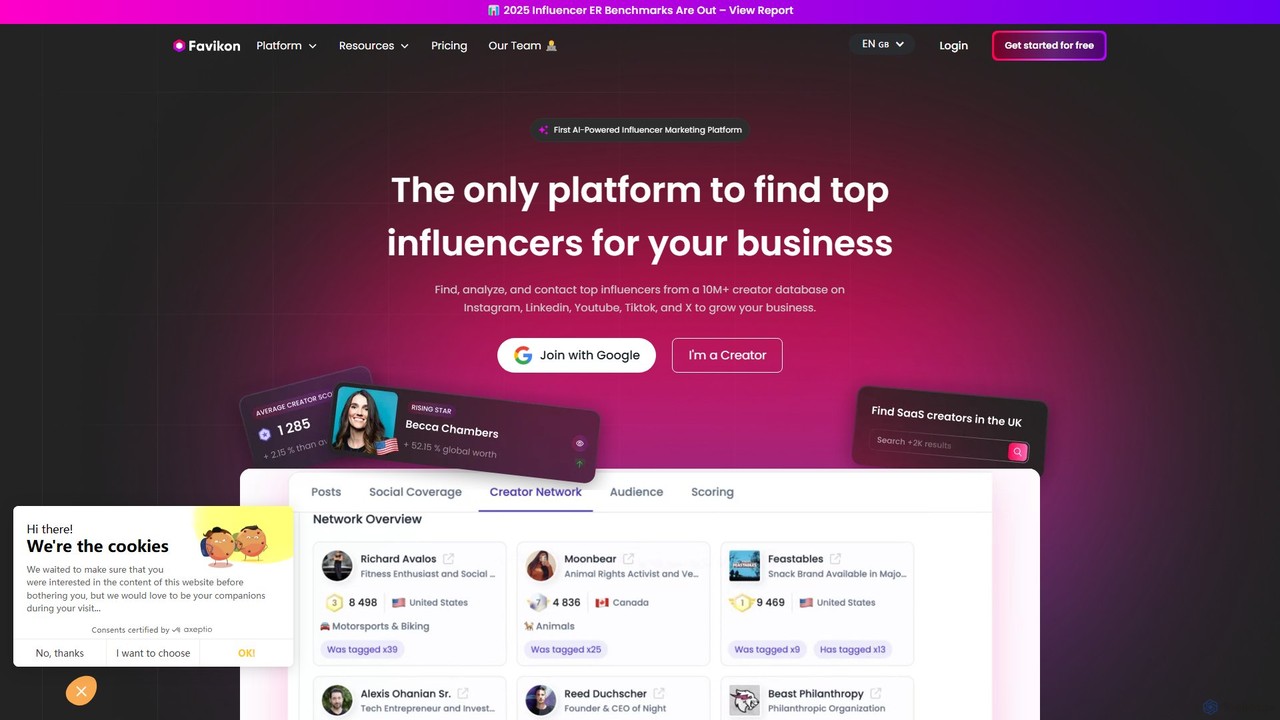
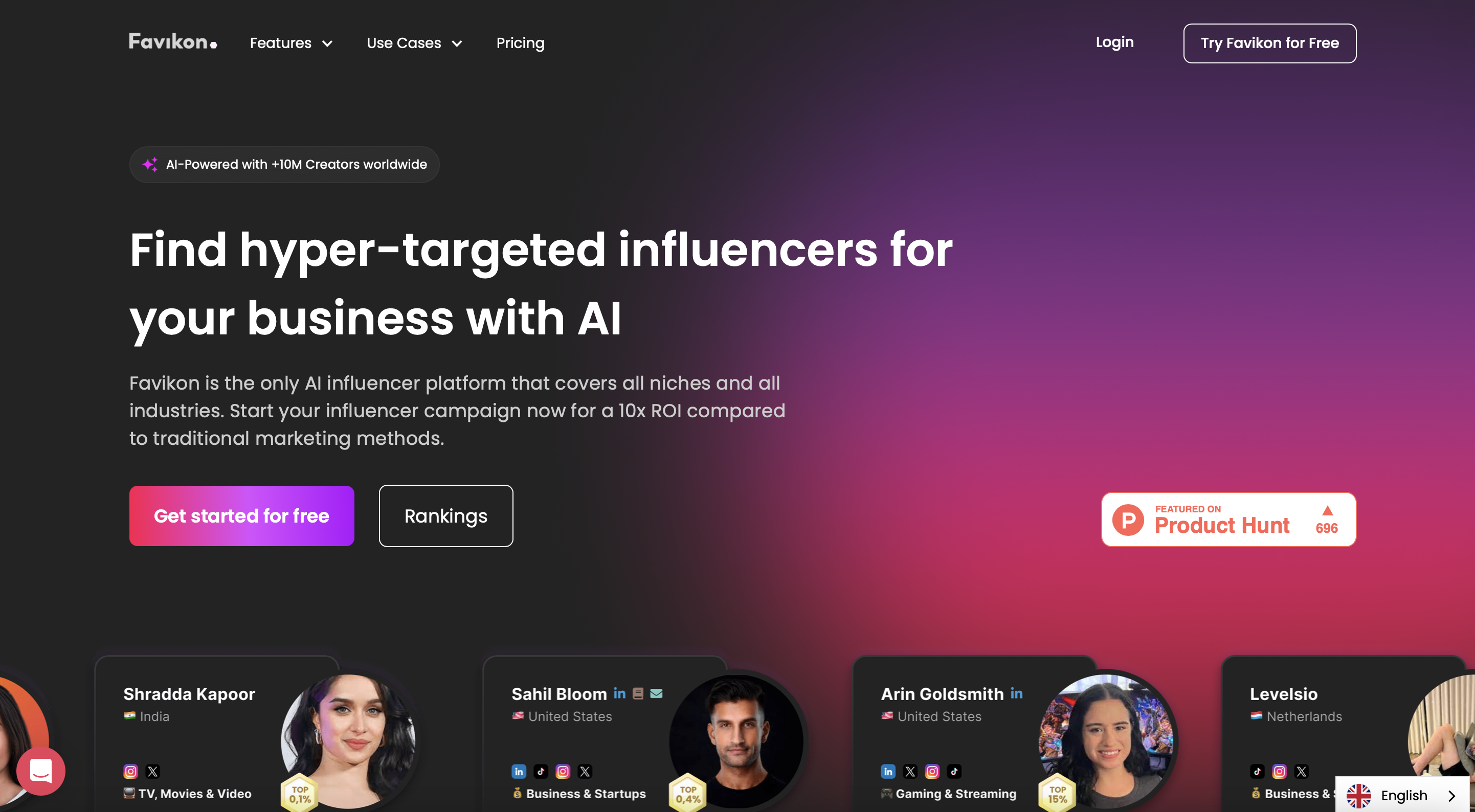
Favikon is an AI-powered influencer marketing platform designed for brands, agencies, and creators. It offers a comprehensive suite of tools to discover, analyze, and manage influencers across major social media platforms like Instagram, TikTok, YouTube, and LinkedIn. With a database of over 10 million creators, Favikon uses AI to provide in-depth analytics, authenticity scores, and campaign management features to maximize marketing ROI.

Analytics
Visits 463.6KFavorites 130Likes 135
Trendly
Freemium

Trendly

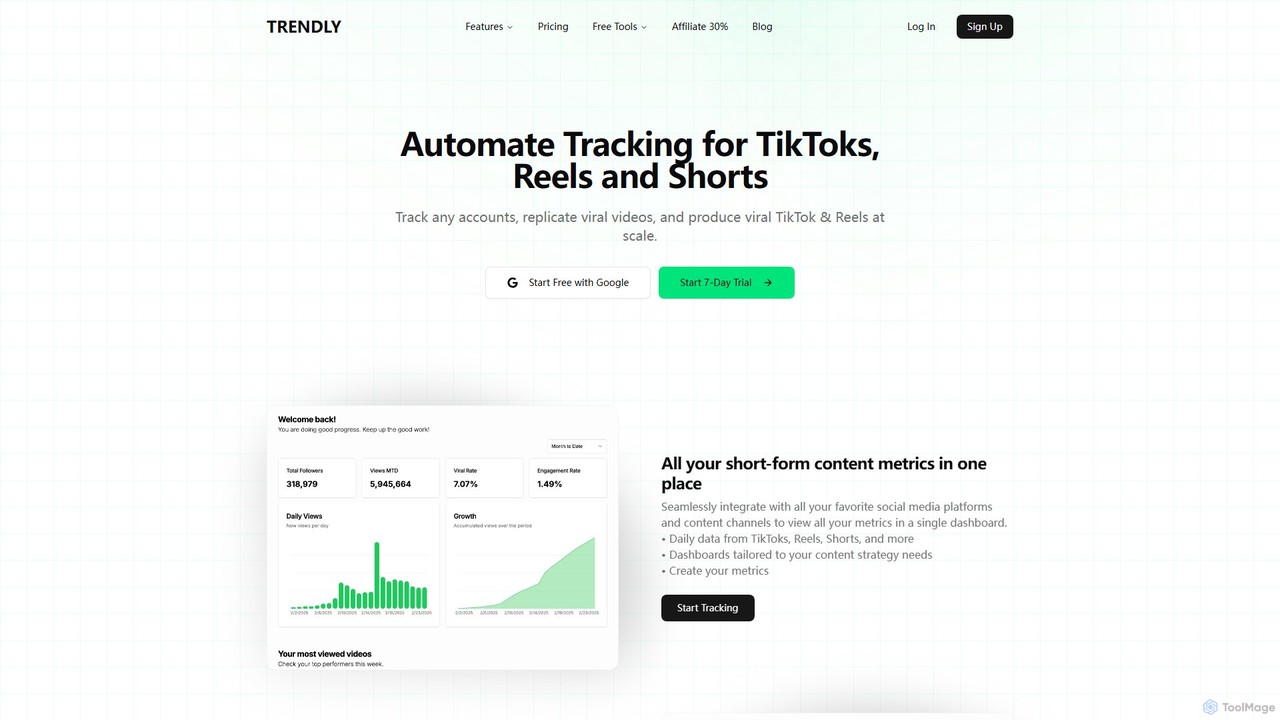
Trendly is an AI-powered analytics platform designed to track short-form video content across TikTok, Instagram Reels, and YouTube Shorts. It helps creators, marketers, and agencies automate tracking, analyze viral trends, and spy on competitors to produce high-performing content at scale.

Content Creation
Visits 7.1KFavorites 144Likes 126
StarScout
Freemium

StarScout

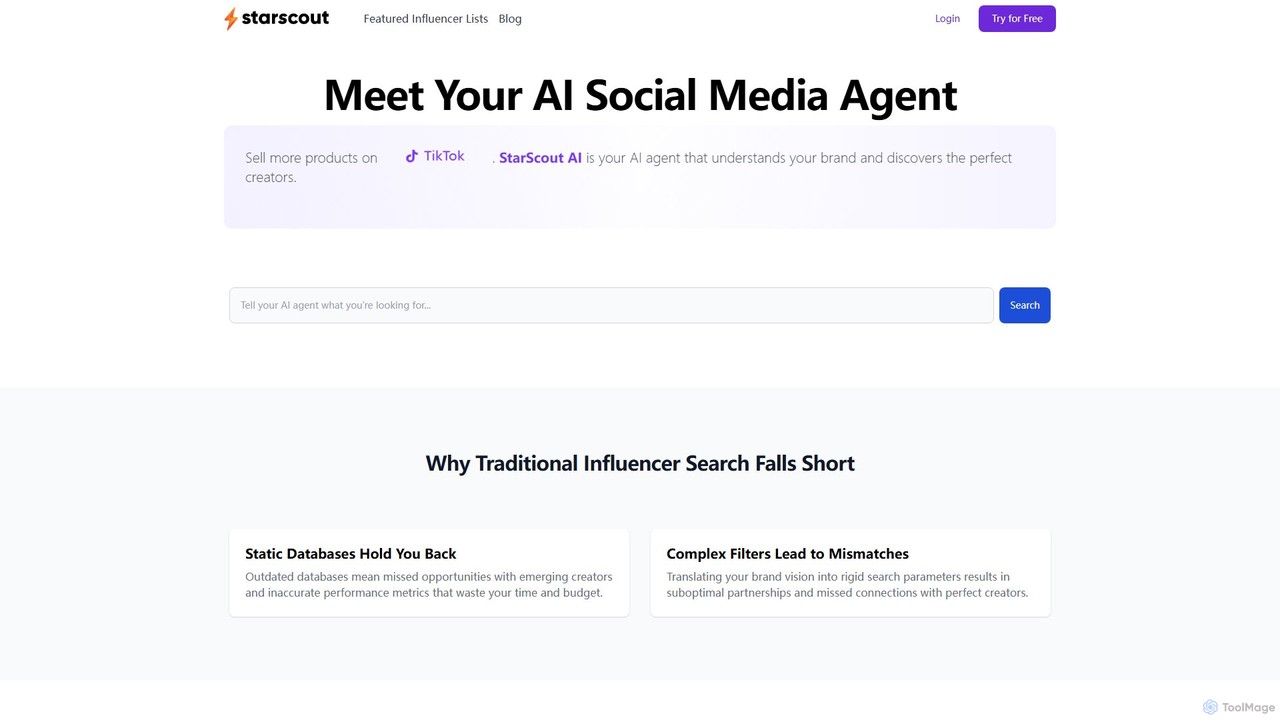
StarScout is an AI-powered influencer discovery and campaign management platform. It acts as your personal AI agent, using natural language understanding to find the perfect creators on YouTube, Twitter, Instagram, and TikTok. It provides real-time discovery, holistic creator evaluation, and an intelligent campaign hub to streamline your marketing efforts.

Influencer Marketing
Visits 5.8KFavorites 127Likes 127
Autogather
Freemium

Autogather

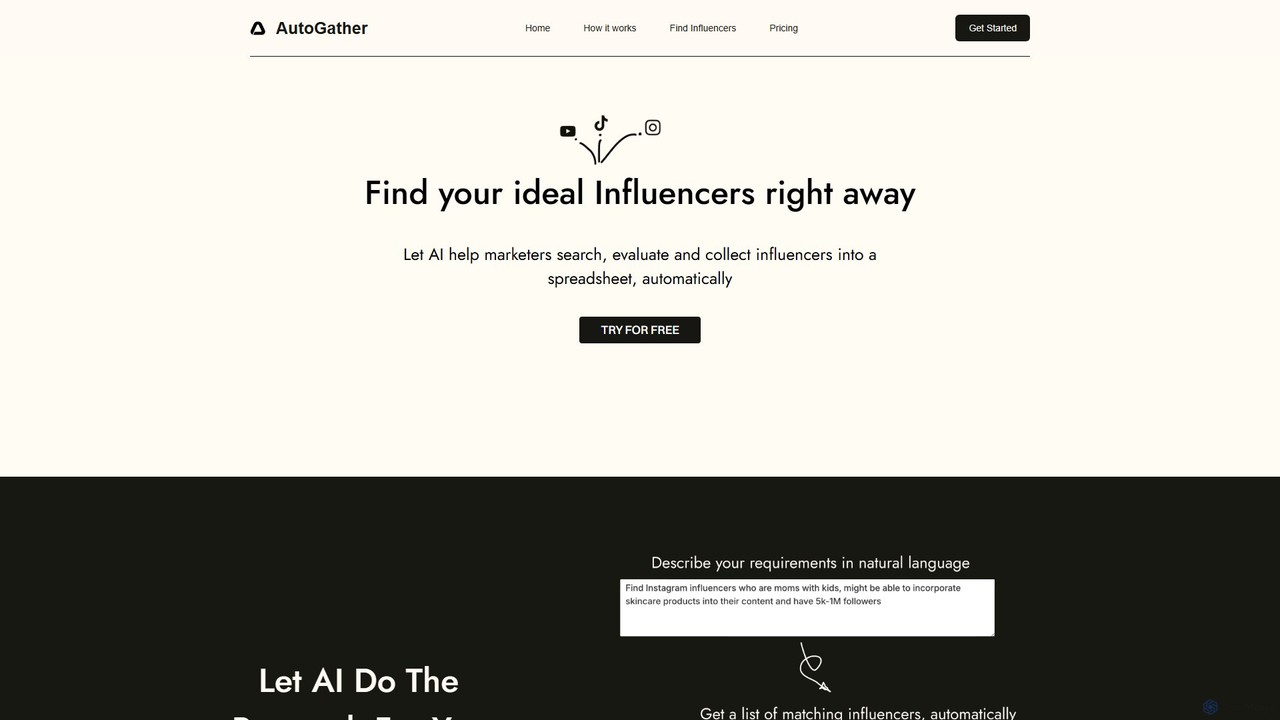
Autogather is an AI-powered platform that revolutionizes influencer discovery. Using natural language search, it scours Instagram, YouTube, and TikTok in real-time to find, evaluate, and collect ideal influencers for your brand. It saves marketers hours of manual research by providing detailed assessments and curated lists, streamlining the entire influencer marketing workflow.

Influencer Marketing
Visits 7.1KFavorites 114Likes 103
Unfollow Tracker & Followers
Freemium

Unfollow Tracker & Followers

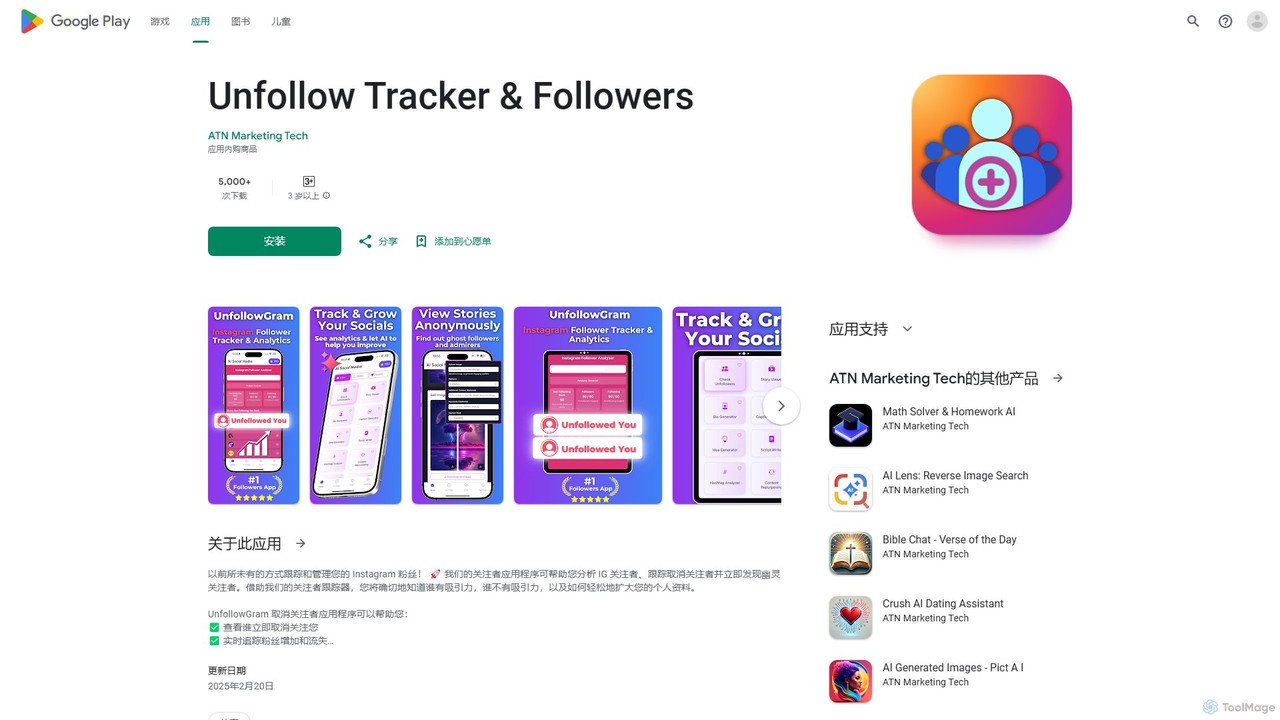
An AI-powered Instagram management tool to track followers and unfollowers, analyze engagement, and generate content. Get real-time insights on story viewers, ghost followers, and use AI to create compelling bios, captions, and hashtags for growth.

Social Media Marketing
Visits 58.2KFavorites 155Likes 178
SocialBook
Freemium

SocialBook

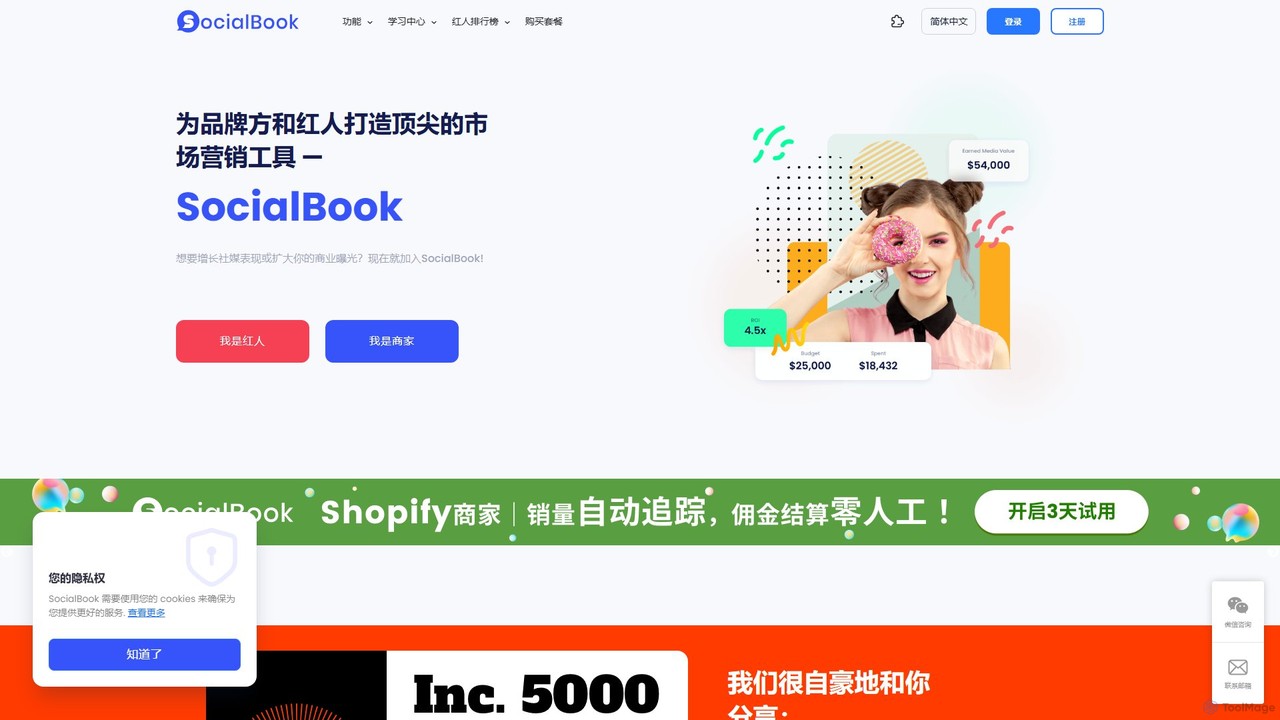
SocialBook is an all-in-one, AI-powered influencer marketing platform for brands and creators. It enables brands to find, vet, and manage influencers from a database of over 200 million profiles. The platform streamlines campaign management with real-time analytics, secure payments, and ROI tracking. For creators, SocialBook offers a suite of tools for channel growth, content enhancement, and securing brand collaborations.

Influencer Marketing
Visits 56.4KFavorites 130Likes 128

About Analytics

Social Media Analytics tools are AI-powered platforms designed to collect, process, and interpret vast amounts of data from social media channels. These tools leverage advanced algorithms, including natural language processing and machine learning, to provide actionable insights into audience behavior, content performance, and brand sentiment. Their primary value lies in transforming raw social data into strategic intelligence, enabling businesses and individuals to optimize their social media strategies, enhance engagement, and measure the true impact of their online presence.

Core Features

  • Audience Insights: Analyze demographic data, interests, and online behavior of your social media followers to understand who your audience is.
  • Performance Tracking: Monitor key metrics like reach, impressions, engagement rates, and follower growth across various platforms to assess content effectiveness.
  • Sentiment Analysis: Gauge public perception and brand reputation by analyzing the emotional tone of mentions, comments, and reviews.
  • Competitor Benchmarking: Compare your social media performance against industry peers and competitors to identify strengths and weaknesses.
  • Content Optimization: Identify top-performing content formats, topics, and posting times to refine your content strategy for maximum impact.

Use Cases

These tools are indispensable for marketing teams aiming to optimize campaign ROI, brand managers monitoring public perception, and content creators seeking to understand audience preferences. They enable data-driven decision-making, from refining ad targeting to identifying trending topics for new content, ensuring social media efforts are both effective and efficient.

How to Choose

When selecting a Social Media Analytics tool, consider its data source coverage (e.g., Facebook, Instagram, X, LinkedIn), the depth of insights offered (descriptive vs. predictive), reporting and visualization capabilities, and integration with other marketing platforms. Scalability, ease of use, and pricing models are also crucial factors to ensure the tool aligns with your specific needs and budget.

Featured tool rankings

Analytics use cases

1

Optimizing Social Media Ad Campaigns

Digital marketers use AI analytics to scrutinize the performance of social media advertisements across platforms. By analyzing metrics like click-through rates, conversions, and cost-per-acquisition, they can identify the most effective creatives, refine targeting parameters, and allocate budget more efficiently. This leads to a significant improvement in campaign ROI and reduced ad spend waste.

2

Brand Reputation Monitoring

Brand managers and PR specialists leverage these tools to continuously track mentions, sentiment, and public discourse surrounding their brand. Through advanced natural language processing, they can quickly detect shifts in public perception, identify potential crises early, and respond proactively to maintain a positive brand image and mitigate negative impacts.

3

Understanding Audience Demographics & Behavior

Content strategists and community managers utilize social media analytics to gain deep insights into their audience's characteristics and online habits. By analyzing demographic data, engagement patterns, and content preferences, they can tailor their content strategies, personalize messaging, and build stronger, more relevant connections with their community.

4

Competitor Performance Benchmarking

Marketing analysts employ analytics tools to compare their social media presence and performance against key industry competitors. By tracking competitor engagement rates, follower growth, content strategies, and campaign successes, businesses can identify competitive advantages, uncover market gaps, and refine their own strategies to stay ahead.

5

Identifying Trending Topics for Content Creation

Content creators and social media managers use these tools to discover emerging trends, popular hashtags, and hot topics relevant to their niche. By analyzing real-time data on discussions and engagement, they can create timely, relevant, and highly shareable content that resonates with their audience, boosting visibility and engagement.

6

Measuring Influencer Campaign Effectiveness

Influencer marketing specialists rely on social media analytics to evaluate the true impact and ROI of their collaborations with influencers. They track metrics such as reach, engagement rates, audience sentiment, and conversion data generated by influencer posts, enabling data-driven decisions for optimizing current campaigns and selecting future partners.

Analytics FAQ

What are Social Media Analytics tools?

Social Media Analytics tools are AI-powered platforms designed to collect, analyze, and report on data from social media channels. Their primary purpose is to provide actionable insights into audience behavior, content performance, and brand sentiment, helping businesses and individuals understand the effectiveness of their social media strategies and make data-driven decisions for optimization.

How do Social Media Analytics tools work?

These tools typically work by integrating with social media platforms via APIs to collect vast amounts of data, including posts, comments, likes, shares, and user demographics. They then use artificial intelligence, such as natural language processing (NLP) for sentiment analysis and machine learning for pattern recognition, to process this raw data and present it through dashboards, reports, and visualizations, making complex information easily digestible.

What key metrics do Social Media Analytics tools track?

Social Media Analytics tools track a wide array of metrics crucial for understanding performance. Key metrics include: Engagement Rate (likes, comments, shares per post), Reach (unique users who saw content), Impressions (total times content was displayed), Follower Growth, Audience Demographics, Sentiment Score (positive/negative mentions), Click-Through Rate (CTR), and Conversions (e.g., website visits, leads generated).

How can Social Media Analytics improve marketing ROI?

Social Media Analytics significantly improves marketing ROI by providing data-driven insights that optimize strategies. By understanding which content resonates most, who the target audience truly is, and which platforms yield the best results, marketers can refine their content creation, ad targeting, and posting schedules. This leads to more effective campaigns, reduced wasted ad spend, and ultimately, a higher return on investment from social media efforts.

What's the difference between Social Media Analytics and general web analytics?

While both involve data analysis, Social Media Analytics specifically focuses on data generated from social media platforms (e.g., engagement, sentiment, follower demographics). General web analytics, conversely, tracks user behavior on websites (e.g., page views, bounce rate, conversion funnels). Social media analytics helps optimize social presence and campaigns, whereas web analytics focuses on website performance and user journeys, though they often complement each other for a holistic view of digital marketing.