ToolMage
Sign in

Best 4 Whatsapp AI tools for Social Media

Popular Whatsapp AI tools in Social Media include ChatChit AI, DialogAi, Whisperize, and GPT Hotline, helping you work more efficiently.

Whisperize
Freemium

Whisperize

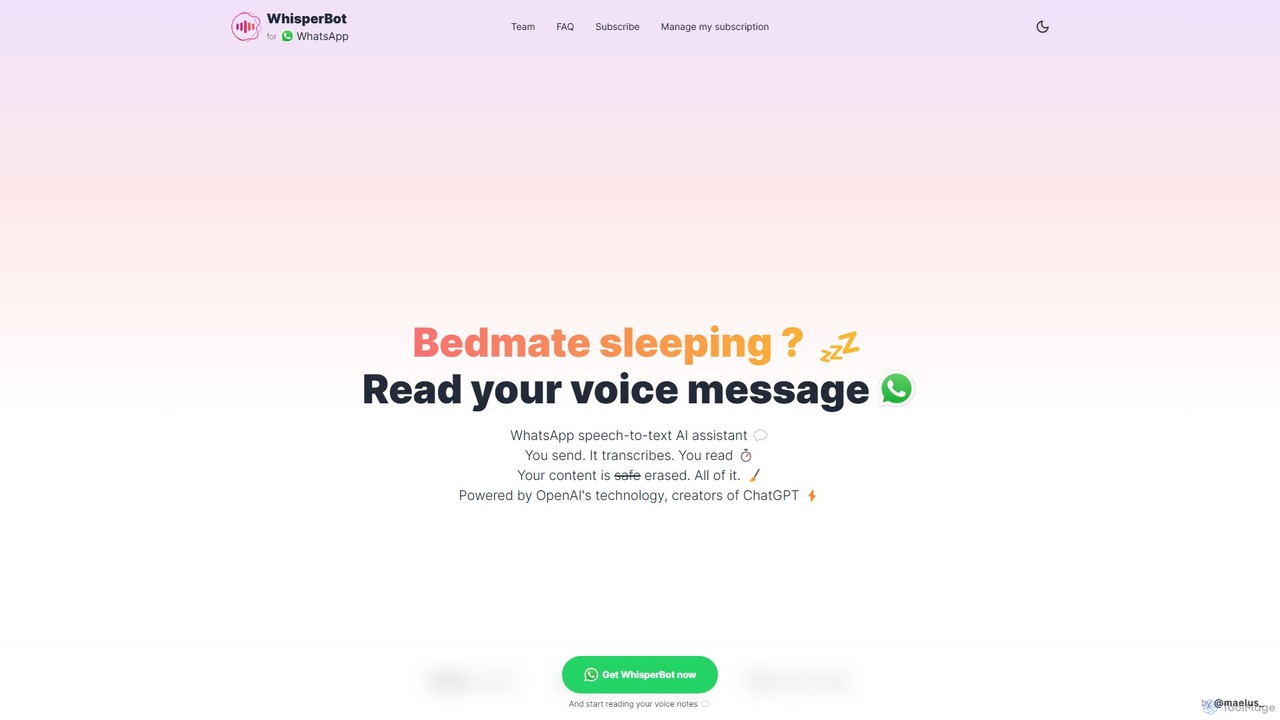
Whisperize is an AI-powered WhatsApp assistant, also known as WhisperBot, that instantly transcribes voice messages into text. It supports over 57 languages, provides summaries of long messages, and works directly within WhatsApp, ensuring privacy and convenience. No separate app installation is required.

Messaging
Visits 7KFavorites 142Likes 135
DialogAi
Freemium

DialogAi

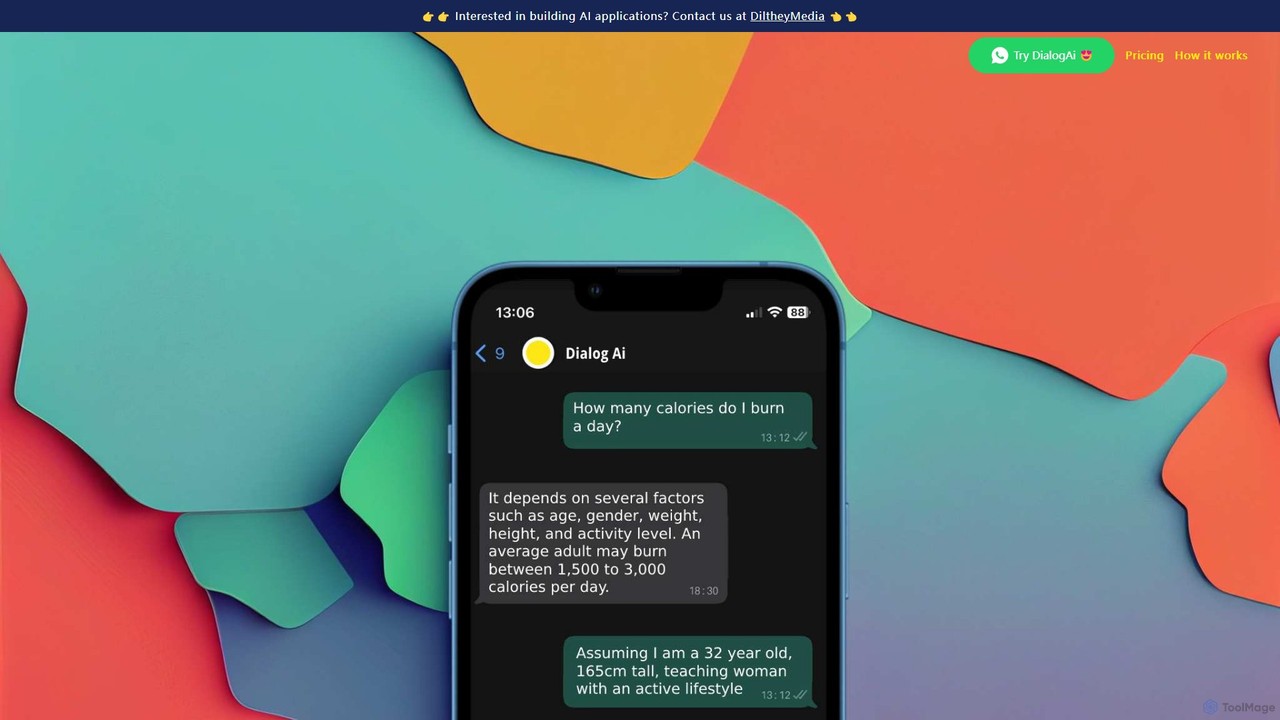
DialogAi is an AI-powered assistant integrated directly into WhatsApp. It transcribes voice notes into text, answers questions using ChatGPT, summarizes long messages, and helps formulate replies. It's a convenient personal and professional assistant designed to enhance productivity and communication within your favorite messaging app.

Transcription
Visits 7.9KFavorites 112Likes 120
GPT Hotline
Paid

GPT Hotline

GPT Hotline integrates a powerful AI assistant directly into your WhatsApp. Chat about any topic, create and edit images with text commands, get personalized news updates, search for videos, and set reminders, all within your favorite messaging app. It's a versatile, multi-modal AI companion designed for ultimate convenience and productivity on the go.

Image Generation
Visits 6.2KFavorites 133Likes 115
ChatChit AI
Freemium

ChatChit AI

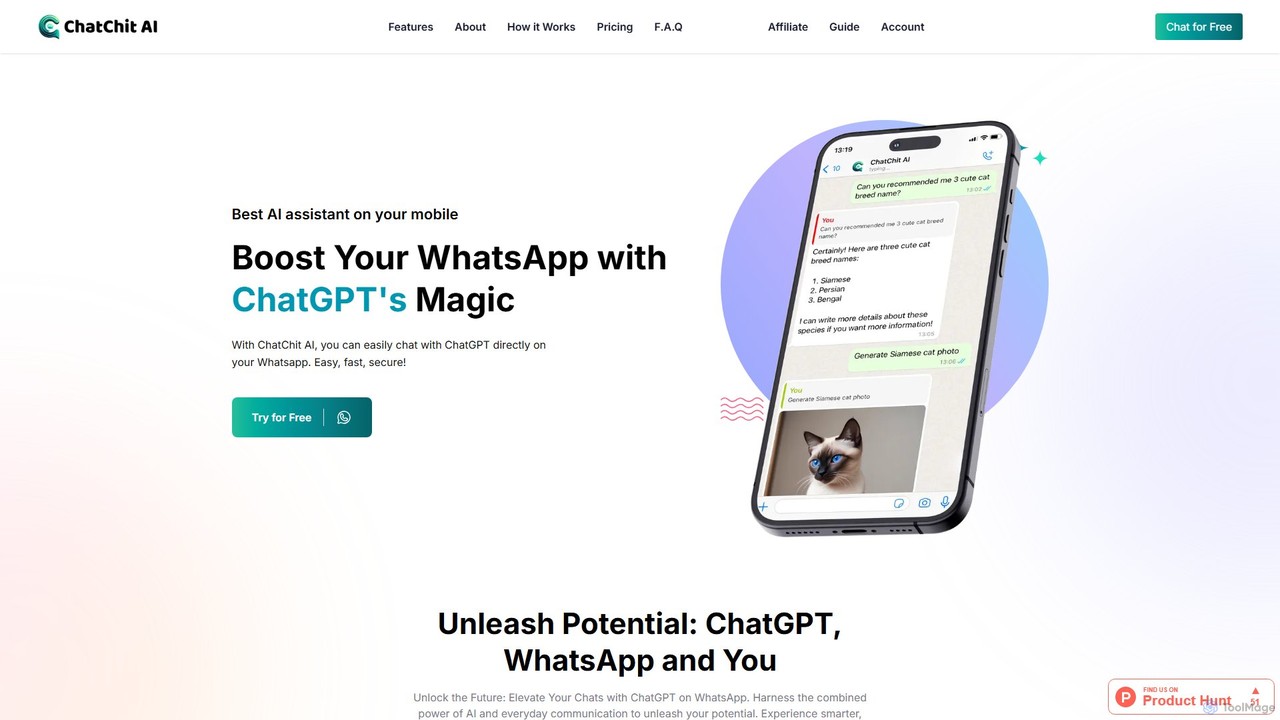
ChatChit AI integrates ChatGPT directly into your WhatsApp, transforming it into a powerful AI assistant. Get instant answers, generate stunning AI images, transcribe voice notes, download social media videos, and more, all within your favorite chat app. Supporting over 100 languages, it's designed for seamless productivity and creativity on the go.

Image Generator
Visits 8.4KFavorites 149Likes 152

About Whatsapp

AI WhatsApp tools are specialized applications that use artificial intelligence to automate and enhance interactions on the WhatsApp platform. These tools typically leverage Natural Language Processing (NLP) to power chatbots, analyze customer sentiment, and manage automated messaging campaigns. They enable businesses to scale their customer support, marketing, and sales engagement through personalized, real-time conversations. Unlike general social media managers, these tools are specifically designed for the conversational and encrypted nature of WhatsApp, often integrating directly with the WhatsApp Business API.

Core Features

  • AI Chatbot Automation: Deploy intelligent chatbots to answer common questions, qualify leads, and handle support requests 24/7.
  • Campaign Management: Send targeted and personalized broadcast messages, promotions, and notifications to segmented customer lists.
  • Shared Team Inbox: Allows multiple agents to manage customer conversations from a single WhatsApp number with features like assignments and internal notes.
  • CRM & E-commerce Integration: Sync conversation data, contacts, and order information with systems like Salesforce, HubSpot, or Shopify.
  • Conversation Analytics: Provides dashboards to track key metrics such as response times, conversation volume, customer sentiment, and agent performance.

Use Cases

These tools are widely adopted in e-commerce for post-purchase support, in service industries for appointment booking and reminders, and in marketing for running promotional campaigns. Businesses use them to build automated sales funnels, conduct surveys, and provide instant, interactive customer service directly within the app their customers use daily.

How to Choose

When selecting an AI WhatsApp tool, consider its integration capabilities with your existing software stack (CRM, helpdesk). Evaluate the sophistication of its chatbot builder—whether it's rule-based or powered by true NLP. Also, check its compliance with WhatsApp's commerce policies, its pricing model (often based on message volume or active contacts), and the level of analytics and reporting it provides.

Whatsapp use cases

1

Automated E-commerce Order Support

An e-commerce store manager uses an AI WhatsApp tool to provide instant, 24/7 customer support. When a customer sends a message asking, "Where is my order?", the AI chatbot, integrated with the store's Shopify platform, automatically retrieves the order status and tracking information. It then provides a direct tracking link and estimated delivery date to the customer within seconds. This process deflects a significant volume of repetitive support tickets, freeing up human agents to handle more complex issues and improving overall customer satisfaction with immediate responses.

2

Lead Qualification for Service Businesses

A marketing agency uses a WhatsApp AI tool to qualify inbound leads from their website. When a potential client scans a QR code and starts a chat, the AI bot initiates a conversation, asking key qualifying questions such as company size, marketing budget, and specific needs. Based on the responses, the bot either schedules a meeting directly in a sales representative's calendar or, if the lead is not a good fit, provides them with helpful resources. This automates the top of the sales funnel, ensuring that the sales team only spends time on high-potential prospects.

3

Sending Personalized Promotional Broadcasts

A retail brand's marketing team launches a flash sale. Using an AI WhatsApp tool, they create a broadcast message template that includes personalized fields like the customer's first name and a unique discount code. They then segment their audience based on past purchase history stored in their CRM. The tool sends the personalized message to thousands of customers simultaneously. This approach achieves significantly higher open and click-through rates compared to email marketing, driving a surge in sales and strengthening customer relationships through direct, relevant communication.

4

Automated Appointment Reminders and Confirmations

A dental clinic administrator implements an AI WhatsApp tool to reduce patient no-shows. The system, integrated with the clinic's scheduling software, automatically sends a personalized reminder message to patients 24 hours before their appointment. The message includes the date, time, and doctor's name, and asks the patient to confirm by replying with '1' or reschedule with '2'. The AI bot processes the replies, updates the appointment status in the calendar, and alerts staff if a rescheduling request requires manual intervention. This automation significantly decreases missed appointments and streamlines front-desk operations.

5

Collecting Customer Feedback and Reviews

A SaaS company wants to increase its volume of user reviews. They set up an automated workflow using their AI WhatsApp tool. Three days after a customer successfully resolves a support ticket, the tool sends a friendly WhatsApp message asking about their experience and requesting them to leave a review on a platform like G2 or Capterra, providing a direct link. The conversational nature of WhatsApp makes this request feel more personal than an email, leading to a higher response rate. The collected feedback is then analyzed for sentiment to identify areas for product improvement.

6

Managing Internal Team Communications

An operations manager for a logistics company uses a WhatsApp AI tool for critical internal alerts. When a delivery route is changed due to traffic, the manager triggers an automated broadcast to the specific drivers' group on WhatsApp. The message contains the new route details and a map link. The tool can also be used to send automated shift reminders or collect daily check-ins from field staff. This centralizes urgent communications on a platform that employees already use frequently, ensuring high visibility and quick acknowledgment without relying on email or separate apps.

Whatsapp FAQ

What are AI WhatsApp tools?

AI WhatsApp tools are software applications designed to automate and enhance business communications on the WhatsApp platform. They use artificial intelligence, particularly Natural Language Processing (NLP), to power features like 24/7 chatbots for customer support, automated marketing campaigns, and intelligent conversation routing. These tools help businesses manage a high volume of chats, personalize interactions at scale, and integrate WhatsApp conversations with other business systems like CRMs and e-commerce platforms.

How to choose the right AI WhatsApp tool?

To choose the right tool, evaluate these key factors:

  • Integration Capabilities: Ensure it connects seamlessly with your essential business systems, such as your CRM, helpdesk, or e-commerce platform.
  • Automation Features: Assess the power and ease of use of the chatbot builder. Does it support simple rule-based flows or advanced NLP for more natural conversations?
  • API Access: Determine if you need to bring your own WhatsApp Business API (WABA) account or if the provider offers an integrated solution.
  • Scalability and Pricing: Consider the pricing model (per user, per conversation, or tiered plans) and ensure it can scale with your business growth.
  • Analytics and Reporting: Check for robust dashboards that provide insights into conversation volume, agent performance, and customer satisfaction.
What's the difference between AI WhatsApp tools and general social media tools?

The primary difference lies in their focus and functionality. General social media tools (like schedulers) are built for one-to-many public broadcasting across multiple platforms (Facebook, Instagram, Twitter). They excel at content scheduling and brand monitoring. In contrast, AI WhatsApp tools are specialized for one-to-one or one-to-few private, conversational interactions. They focus on automating dialogue, managing customer support queues, and facilitating sales conversations within the encrypted, personal environment of WhatsApp, often requiring integration with the WhatsApp Business API.

Do I need a WhatsApp Business API account to use these tools?

Yes, in most cases, you do. Professional AI WhatsApp tools that offer automation, chatbots, and multi-agent support require access to the official WhatsApp Business API (WABA). Some tool providers will help you with the application process or even manage the API account on your behalf. Others may require you to have an approved WABA account before you can use their platform. It's a crucial point to clarify with any provider, as the API is what enables scalable and compliant business communication on WhatsApp.

What are the main benefits of using AI for WhatsApp marketing?

Using AI for WhatsApp marketing offers several key advantages:

  • High Engagement Rates: WhatsApp messages have exceptionally high open rates (often over 90%), ensuring your marketing messages are seen.
  • Personalization at Scale: AI tools can send thousands of personalized messages simultaneously, using customer data to tailor content for each recipient.
  • 24/7 Lead Nurturing: AI chatbots can engage with potential customers anytime, answering questions, qualifying leads, and moving them through the sales funnel automatically.
  • Rich Media Campaigns: Go beyond text with images, videos, product catalogs, and interactive buttons to create more engaging and effective marketing campaigns.