Social Best in category 3 results Messaging AI Tool

Popular AI tools in the Messaging field of Social include CandyCall、Rizzai、Empai, etc., helping you quickly improve efficiency.

Rizzai

Rizzai

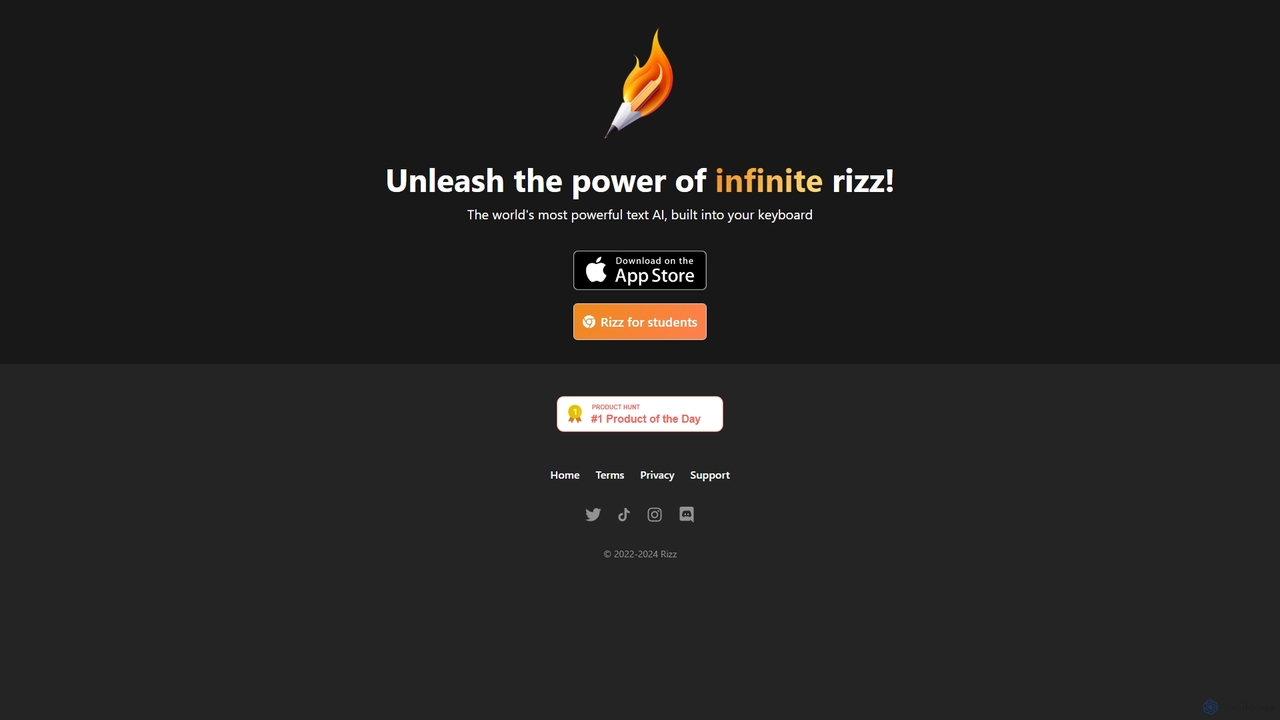
Rizz AI is an AI-powered keyboard that acts as your personal wingman, helping you craft witty, charming, and …

3.2K
Empai

Empai

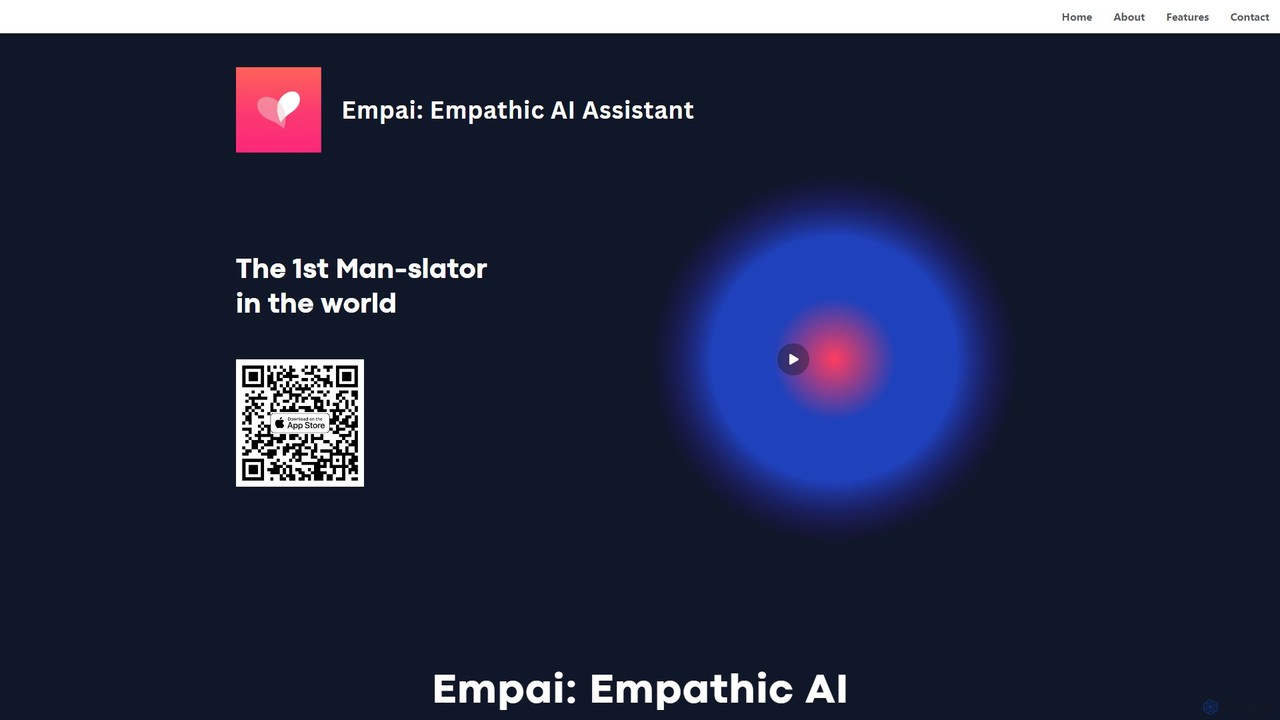
Empai is an empathic AI assistant designed to improve communication by decoding the true meaning behind words. It …

2.6K
CandyCall

CandyCall

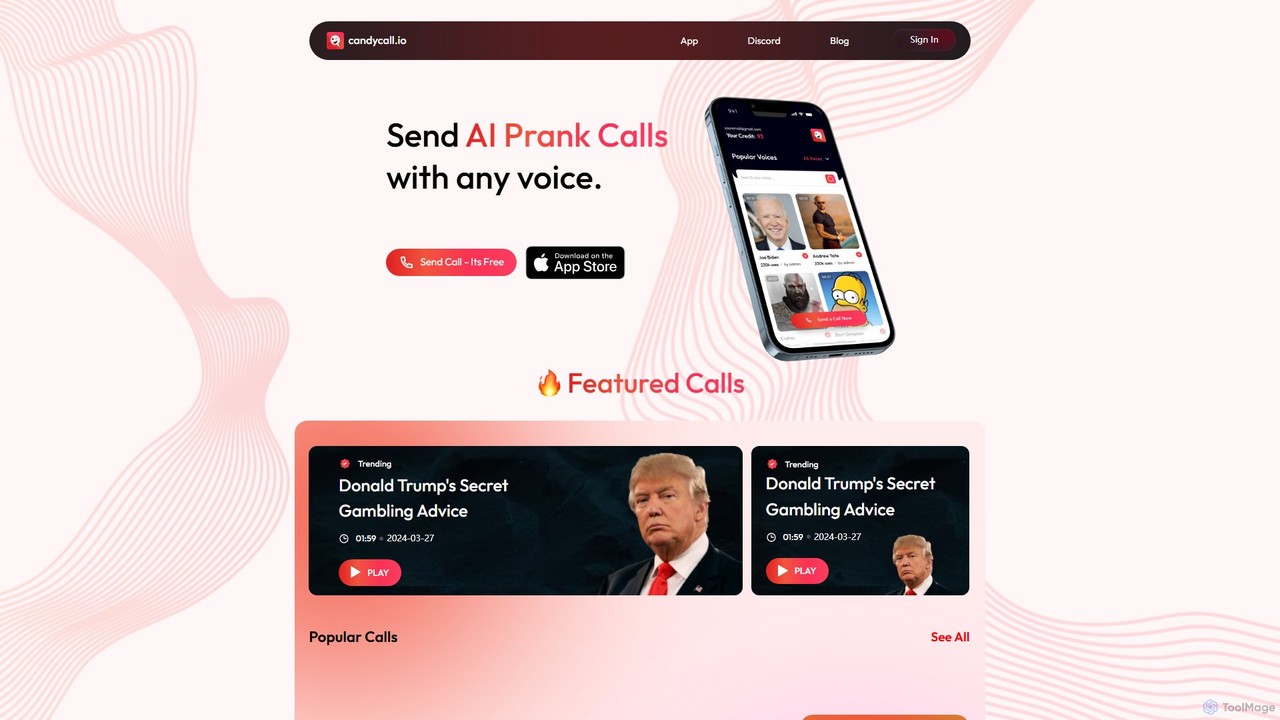
CandyCall is an AI-powered entertainment platform that lets you send hilarious prank calls using a library of over …

15.8K

About Messaging

AI Messaging tools are applications that use artificial intelligence to automate, analyze, and enhance text-based conversations. These tools leverage Natural Language Processing (NLP) to understand user intent, sentiment, and context, enabling them to generate human-like responses. They are primarily used to streamline communication, provide instant support, and personalize interactions across various platforms like social media DMs, websites, and team collaboration apps. This technology allows businesses to manage high volumes of messages efficiently while improving user engagement.

Core Features

  • AI Chatbots: Deploy automated conversational agents to handle inquiries, qualify leads, and provide 24/7 support.
  • Sentiment Analysis: Automatically analyze the emotional tone of incoming messages to prioritize urgent issues and gauge customer satisfaction.
  • Automated Response Suggestions: Provide human agents with AI-generated reply suggestions to ensure faster and more consistent communication.
  • Conversation Summarization: Condense long chat histories into concise summaries for quick review and context transfer between agents.
  • Personalized Message Generation: Craft tailored outreach messages for sales or marketing campaigns based on user data and behavior.

Use Cases

These tools are widely adopted in customer service, sales, and marketing departments. For instance, e-commerce companies use AI chatbots to answer order status questions, while B2B sales teams use them to personalize outreach on platforms like LinkedIn. They are also valuable for internal communication, such as an HR bot answering employee questions.

How to Choose

When selecting an AI Messaging tool, consider its integration capabilities with your existing platforms (e.g., Facebook Messenger, Slack, CRM). Evaluate the sophistication of its NLP model for understanding complex queries. Also, assess the level of customization available for the chatbot's personality and workflows, and review the analytics features for tracking performance and user insights.

MessagingUse Cases

1

Automate 24/7 Customer Support with Chatbots

An e-commerce store manager can deploy an AI chatbot on their website and Facebook Messenger. The chatbot is trained on product information, shipping policies, and common FAQs. When a customer asks 'Where is my order?' or 'What is your return policy?' outside of business hours, the chatbot instantly provides an accurate answer. This reduces response times, frees up human agents for complex issues, and improves overall customer satisfaction by offering immediate assistance anytime.

2

Personalize Sales Outreach at Scale

A B2B sales development representative (SDR) uses an AI messaging tool to draft personalized connection requests and follow-up messages on LinkedIn. The tool analyzes a prospect's profile, recent activity, and company information to suggest unique opening lines and relevant talking points. The SDR can then generate hundreds of customized messages in a fraction of the time it would take manually, significantly increasing their outreach volume and response rates by making each interaction feel personal and well-researched.

3

Analyze Customer Feedback from Direct Messages

A product manager wants to understand user sentiment about a new feature. Instead of manually reading through hundreds of DMs and support chats, they use an AI messaging tool with sentiment analysis. The tool automatically processes all incoming messages, categorizes them by topic (e.g., 'bug report', 'feature request'), and assigns a sentiment score (positive, negative, neutral). This provides the manager with a high-level dashboard of customer feedback, allowing them to quickly identify major pain points and popular requests without hours of manual work.

4

Draft and Optimize Responses for Community Managers

A community manager for a large online brand is responsible for responding to dozens of user comments and questions daily. They use an AI messaging tool that suggests replies based on the context of the conversation and the brand's tone of voice. The tool can draft multiple response options, from empathetic acknowledgments to detailed explanations. This allows the manager to maintain a consistent, high-quality brand voice across all interactions while significantly speeding up their workflow, enabling them to engage with more community members.

5

Automate Internal HR and IT Support

An HR department implements an AI messaging bot on the company's internal communication platform like Slack or Microsoft Teams. Employees can ask the bot questions such as 'How many vacation days do I have left?' or 'How do I reset my password?'. The bot, integrated with HR and IT systems, provides instant, accurate answers. This reduces the number of repetitive tickets for HR and IT staff, allowing them to focus on more strategic tasks while providing employees with a convenient, self-service support channel.

6

Qualify Leads Through Conversational Forms

A marketing team replaces a static 'Contact Us' form on their website with a conversational AI bot. Instead of filling out fields, visitors engage in a natural conversation. The bot asks qualifying questions like 'What is your company size?' and 'What is your main challenge?'. Based on the answers, the bot can instantly route high-value leads to a sales representative's calendar for a demo, or provide helpful resources to lower-priority leads. This creates a more engaging user experience and ensures the sales team only spends time on the most qualified prospects.

MessagingFrequently Asked Questions