ToolMage
Sign in

Best 9 Lesson Planning AI tools for Teacher Tools

Popular Lesson Planning AI tools in Teacher Tools include Quizgecko, Quizbot, QuizWhiz, PrepAI, Quiz Wizard, LoveHeart, essay_grader, teachr, and Coursezy, helping you work more efficiently.

PrepAI
Freemium

PrepAI

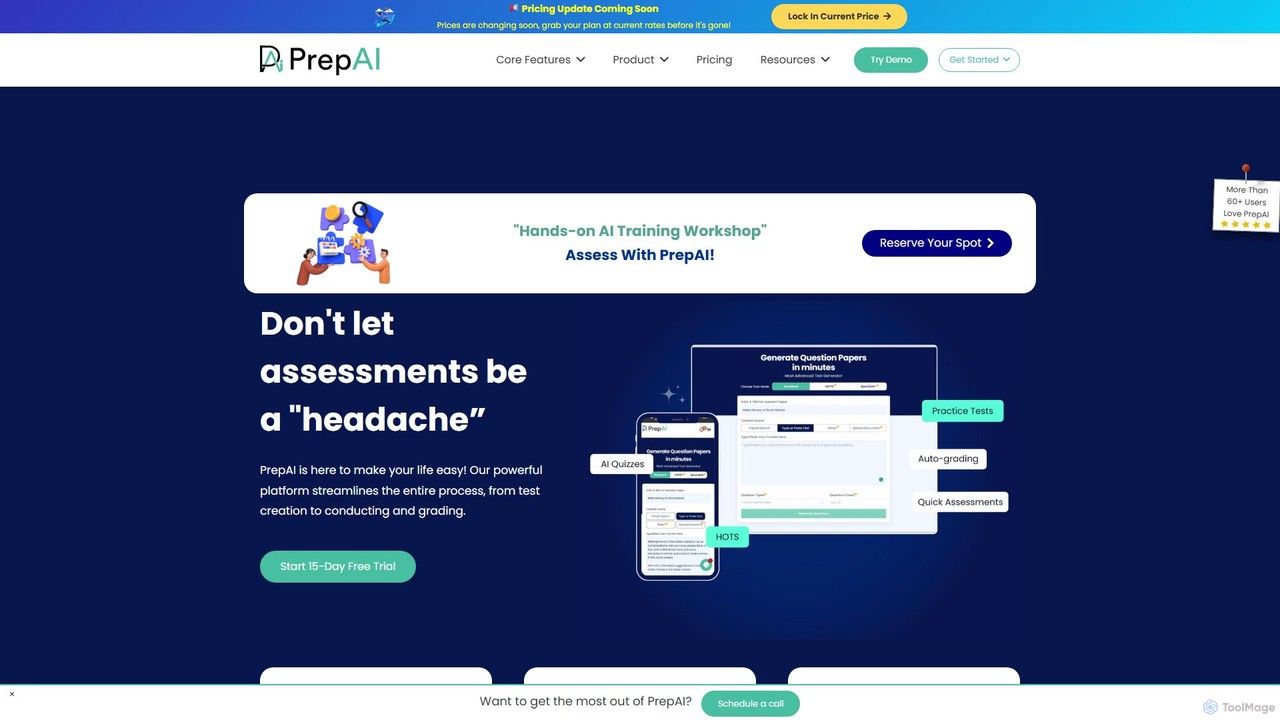
PrepAI is an advanced AI-powered test generator that helps educators, students, and ed-tech companies create, conduct, and grade assessments effortlessly. By inputting text, documents, or videos, users can instantly generate diverse question types, including those based on Bloom's Taxonomy, to enhance critical thinking and save significant time.

Assessment
Visits 31.8KFavorites 124Likes 121
teachr

teachr

teachr is an AI-powered platform designed for educators and course creators to streamline the process of building engaging online courses. It automates curriculum design, content generation, and assessment creation, transforming a topic idea into a structured, ready-to-teach course in minutes.

Course Creation
Visits 6.2KFavorites 161Likes 153
Quizgecko
Freemium

Quizgecko

Quizgecko is an AI-powered learning platform that transforms any content—such as PDFs, text, YouTube videos, or webpages—into interactive study materials. It instantly generates quizzes, flashcards, study notes, and even podcasts, making learning more efficient and personalized for students, educators, and businesses.

Assessment
Visits 250.7KFavorites 118Likes 117
LoveHeart
Freemium

LoveHeart

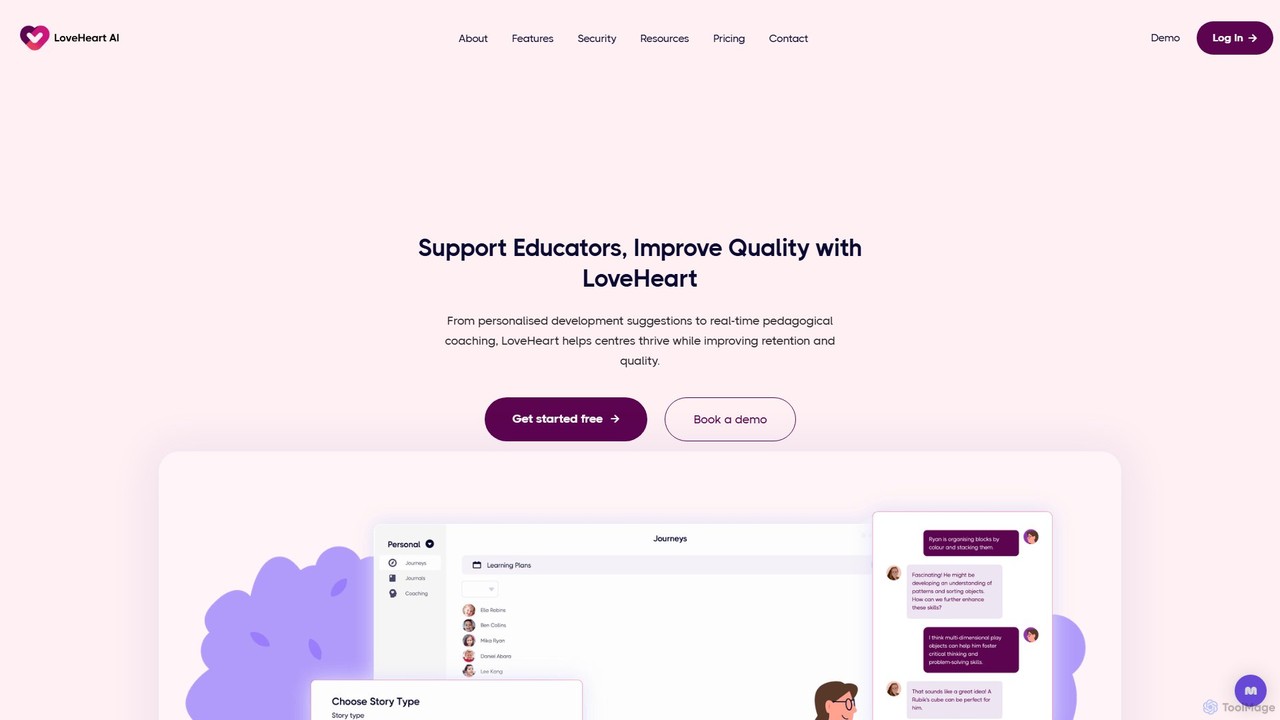
LoveHeart (now Mana) is an AI-powered platform designed for Early Childhood Education (ECE). It acts as an educator's aide, automating documentation, generating personalized learning plans, and providing pedagogical coaching. It saves time, improves quality, and supports educators in creating better outcomes for children.

Early Childhood
Visits 16.1KFavorites 113Likes 113
Quizbot
Freemium

Quizbot

Quizbot is a powerful AI-driven platform designed for educators, students, and professionals. It automatically generates a wide variety of questions and learning materials, such as quizzes, flashcards, and lesson plans, from any text, link, video, or document. It supports advanced educational frameworks like Bloom's Taxonomy to create differentiated assessments, saving hours of preparation time.

Assessment
Visits 96.6KFavorites 117Likes 101
essay_grader
Freemium

essay_grader

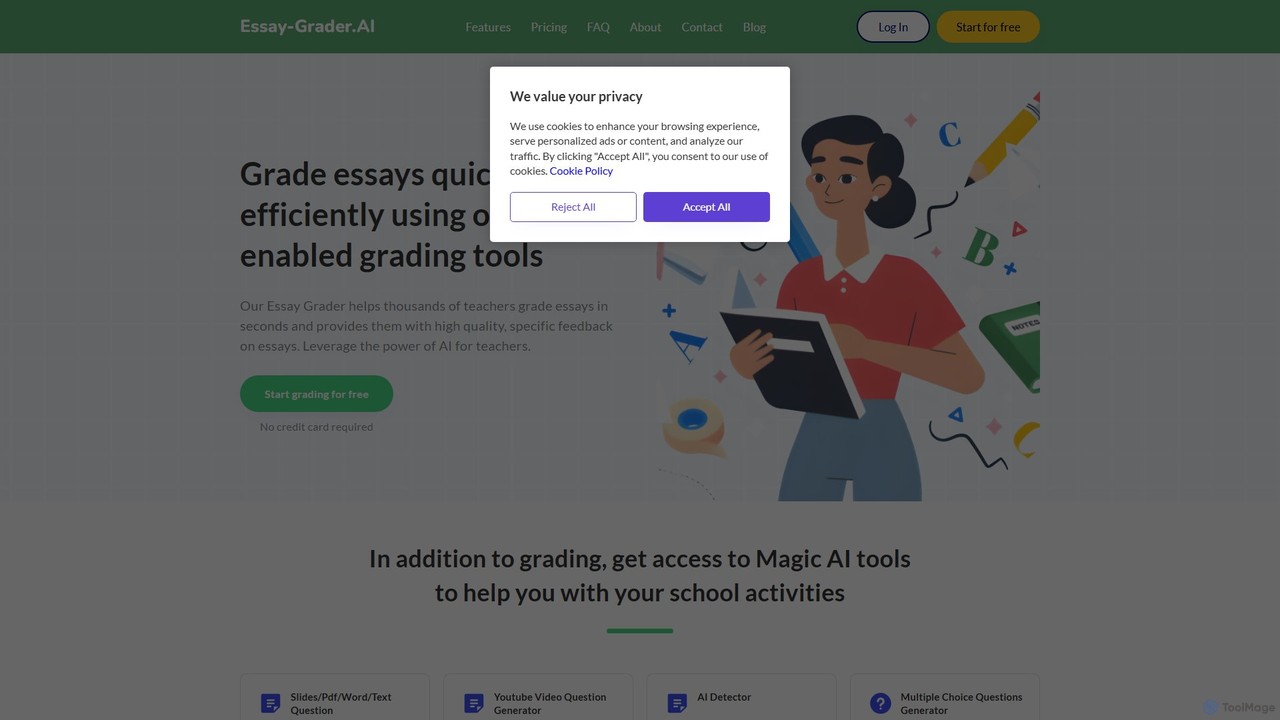
An AI-powered platform for educators to grade essays instantly, providing detailed, constructive feedback. It features customizable rubrics, an AI content detector, and a comprehensive suite of 'Magic School AI Tools' for lesson planning, question generation, and classroom activities, saving teachers valuable time.

Grading
Visits 7.7KFavorites 156Likes 150
Quiz Wizard
Freemium

Quiz Wizard

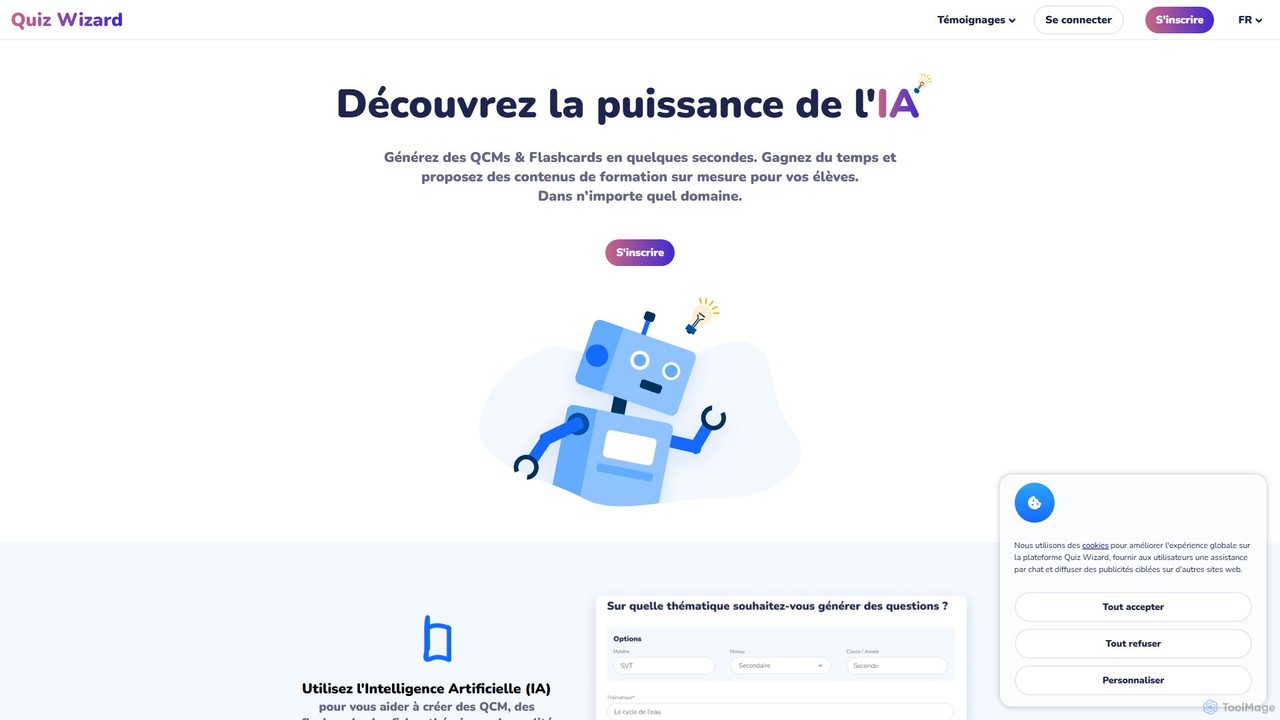
Quiz Wizard is an AI-powered platform designed for educators and trainers to instantly generate multiple-choice questions (MCQs), flashcards, and theory sheets on any topic. Save hours of preparation time and create customized learning materials in seconds.

Assessment
Visits 27.4KFavorites 139Likes 119
QuizWhiz
Freemium

QuizWhiz

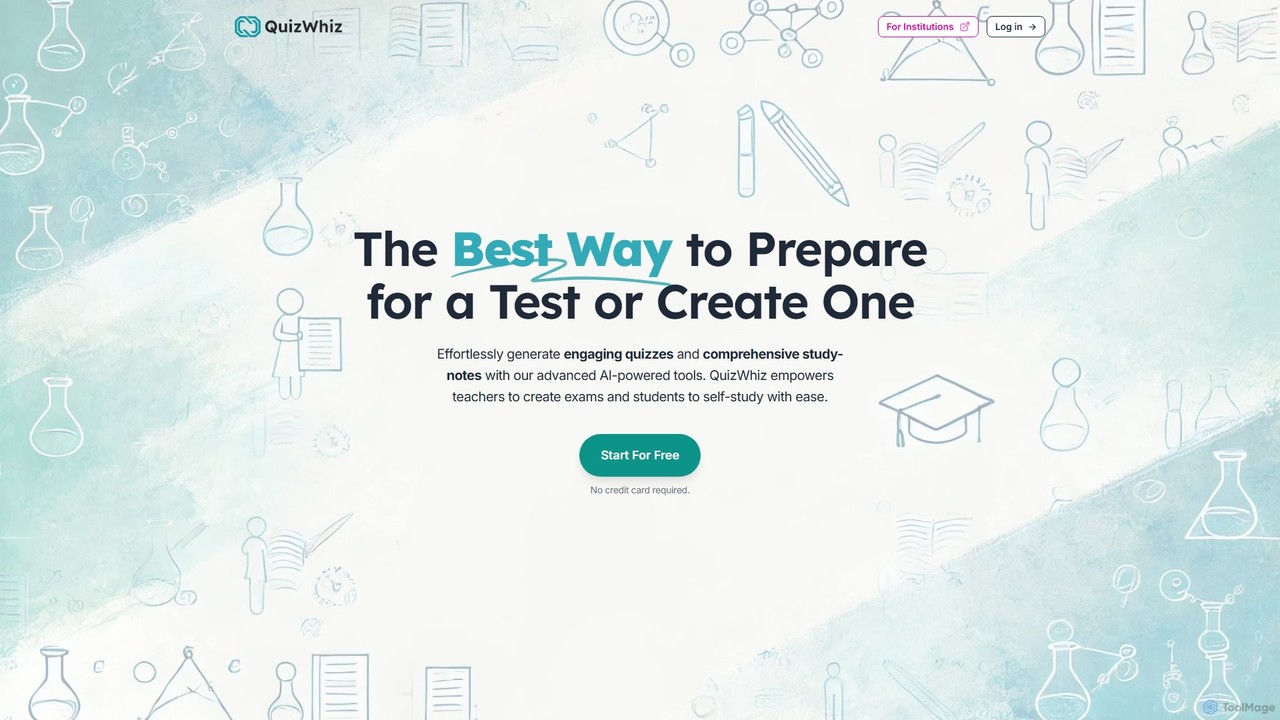
QuizWhiz is an AI-powered educational platform designed for teachers and students. It effortlessly generates engaging quizzes, comprehensive study notes, and detailed performance analytics from any text, PDF, or URL. Supporting various question types and integrations like Google Classroom, it streamlines test creation for educators and personalizes the study experience for learners, making test preparation more efficient and effective.

Assessment
Visits 42.3KFavorites 127Likes 124
Coursezy
Freemium

Coursezy

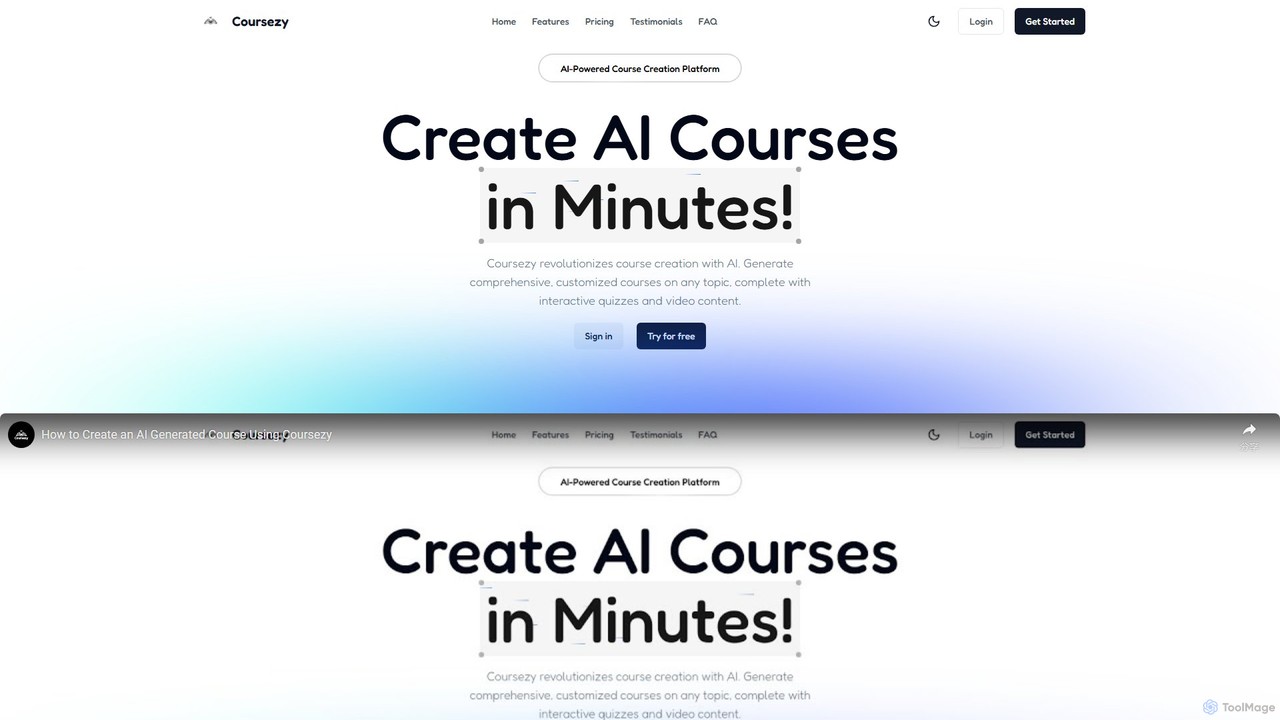
Coursezy is an AI-powered platform that revolutionizes course creation. It enables educators, trainers, and creators to generate comprehensive, customized courses on any topic in minutes. The platform automatically builds curricula, interactive quizzes, and supports video integration, streamlining the entire content development process for a more engaging learning experience.

Course Creation
Visits 5.3KFavorites 122Likes 129

About Lesson Planning

AI Lesson Planning tools are specialized applications designed to assist educators in automatically generating, structuring, and customizing lesson plans. These tools utilize artificial intelligence, often powered by large language models, to process inputs like learning objectives, subject matter, and grade levels. They streamline the preparation process by suggesting activities, creating assessments, and aligning content with curriculum standards. This allows teachers to save significant time, ensure pedagogical consistency, and easily differentiate instruction for diverse student needs.

Core Features

  • Objective-Driven Generation: Automatically create complete lesson plans based on specified learning goals and topics.
  • Curriculum Alignment: Map lesson content to specific educational standards (e.g., Common Core, NGSS) to ensure compliance.
  • Differentiated Content: Generate varied activities and materials tailored to different student learning levels and styles.
  • Resource Curation: Suggest relevant external resources such as videos, articles, and interactive simulations to enrich lessons.
  • Assessment Creation: Instantly produce quizzes, discussion prompts, and rubrics to measure student understanding.

Use Cases

These tools are widely used by K-12 teachers to prepare daily lessons, university professors to design course syllabi, and corporate trainers to develop training modules. Curriculum developers also use them to rapidly prototype and standardize educational content across districts or organizations.

How to Choose

When selecting an AI Lesson Planning tool, consider its subject and grade-level coverage, its ability to align with your specific curriculum standards, and the level of customization available for templates. Also, evaluate its integration capabilities with your existing Learning Management System (LMS) and the quality of the resources it suggests.

Lesson Planning use cases

1

Design Differentiated Lessons for a Mixed-Ability Classroom

A middle school science teacher needs to plan a unit on ecosystems for a class with diverse learning needs. Using an AI Lesson Planner, they input the core learning objective. The tool generates a foundational lesson plan. The teacher then prompts the AI to create enrichment activities for advanced learners, such as designing a complex food web model, and scaffolding materials for struggling students, like a simplified vocabulary guide. This process reduces planning time by hours and ensures every student has an accessible entry point to the content.

2

Rapidly Develop a University Course Syllabus

A university lecturer is tasked with creating a new undergraduate course on 'Digital Ethics.' Instead of starting from scratch, they provide the AI tool with the course title, a list of key topics, and the desired learning outcomes. The AI generates a complete 15-week syllabus, including weekly reading suggestions, lecture outlines, discussion questions, and milestone deadlines for a final research paper. The lecturer can then review and refine the detailed structure, saving days of foundational research and organization.

3

Create Engaging Corporate Training Modules

A human resources manager needs to develop a mandatory one-hour training session on new data privacy policies. They use an AI Lesson Planner to outline the key policy points. The tool structures the session with an introduction, real-world case studies, and interactive quiz questions to check for understanding. It also suggests a role-playing activity to help employees apply the policies in practical scenarios, transforming a potentially dry topic into an engaging and effective training module.

4

Generate Emergency Substitute Teacher Plans

An elementary school teacher wakes up feeling unwell and needs to prepare lesson plans for a substitute teacher on short notice. They access an AI Lesson Planning tool on their phone, select the grade level, and input the subjects to be covered. The AI instantly generates clear, step-by-step instructions for the substitute, including links to printable worksheets, a short educational video, and a simple art activity. This ensures that student learning continues uninterrupted, even in the teacher's absence, without the stress of last-minute planning.

5

Adapt Curriculum for Homeschooling Environments

A homeschooling parent is planning a history block on Ancient Rome for their 12-year-old child. They use an AI tool to generate a series of project-based learning ideas that go beyond textbook reading. The AI suggests activities like building a model aqueduct, creating a 'day in the life' journal of a Roman citizen, and cooking a simple Roman-era recipe. It provides a structured plan for each project, including required materials and assessment criteria, making the curriculum more interactive and tailored to a one-on-one learning setting.

6

Align Lesson Plans with State Curriculum Standards

A new high school English teacher is preparing a unit on Shakespeare's 'Macbeth' and needs to ensure all lessons meet state-mandated curriculum standards. They input the unit topic and specify the relevant state standards. The AI generates a series of lesson plans that explicitly connect activities, such as character analysis essays and thematic discussions, to the required standards. The tool highlights which part of each lesson fulfills a specific standard, simplifying documentation for administrative review and ensuring comprehensive curriculum coverage.

Lesson Planning FAQ

What are AI Lesson Planning tools?

AI Lesson Planning tools are software applications that use artificial intelligence to help educators create, organize, and customize lesson plans. They function by taking inputs like a topic, grade level, and learning objectives, and then automatically generating structured content. Key features often include suggesting learning activities, creating assessments, finding relevant resources, and aligning the plan with educational standards. They are designed to significantly reduce the administrative workload for teachers.

How do I choose the right AI Lesson Planning tool?

To choose the right tool, consider these factors:

  • Curriculum Alignment: Does the tool support your specific state, national, or international standards?
  • Subject & Grade Specificity: Is it optimized for the subjects and age groups you teach?
  • Customization: How easily can you edit and adapt the generated plans to fit your teaching style and student needs?
  • Integration: Can it connect with your Learning Management System (LMS) like Google Classroom or Canvas?
  • Output Quality: Evaluate the relevance and creativity of the suggested activities and resources.
What is the difference between an AI Lesson Planner and a general AI writer?

The primary difference lies in specialization. A general AI writer (like ChatGPT) can generate text on any topic but lacks educational context. An AI Lesson Planner is specifically trained on pedagogical frameworks and curriculum data. It includes built-in features for education, such as aligning content to learning standards, suggesting age-appropriate activities, creating rubrics, and structuring plans according to established teaching models. This specialized focus results in more relevant, structured, and pedagogically sound outputs for educators.

What key features should I look for in an AI Lesson Planner?

Look for features that directly support the teaching workflow. Essential features include the ability to generate plans from simple prompts, alignment with specific curriculum standards, tools for creating differentiated instruction for various learning levels, and automatic generation of quizzes or discussion prompts. Additionally, high-quality tools will offer curation of external resources (videos, articles) and integration with common classroom platforms like Google Classroom.

Who can benefit from using AI Lesson Planning tools?

A wide range of education professionals can benefit. K-12 teachers use them to save time on daily and weekly planning. University professors and lecturers can quickly draft syllabi and lecture outlines. Curriculum developers can standardize and scale content creation. Corporate trainers can design structured training programs. Even homeschooling parents find them useful for creating engaging and structured learning experiences at home.