ToolMage
Sign in

Best 28 Trip Planner AI tools for Travel

Popular Trip Planner AI tools in Travel include mindtrip, TravelPal, RoutePerfect, Guide, Holiwise, LavieTaste.AI, aitravel, Nowy, Travelicious, and getaipal, helping you work more efficiently.

aitravel
Freemium

aitravel

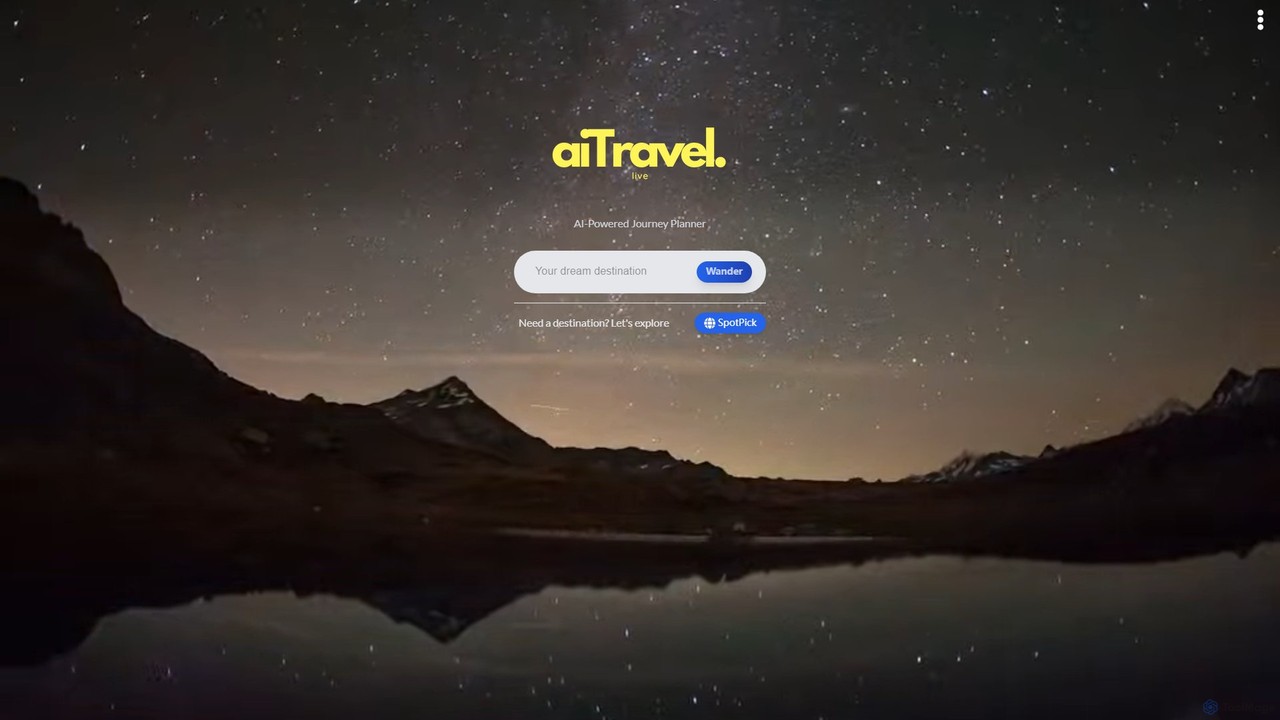
aitravel is an AI-powered trip planner that creates personalized travel itineraries in seconds. Simply input your destination, interests, and budget, and let the AI design a detailed, day-by-day journey for you. It's perfect for discovering new destinations and organizing your vacation, business trip, or weekend getaway effortlessly.

Travel
Visits 9.1KFavorites 153Likes 132

LavieTaste.AI
Free

LavieTaste.AI

LavieTaste.AI is an AI-powered food discovery platform specializing in restaurant recommendations for Singapore and Japan. Simply enter your desired cuisine or location, and it provides a curated list of top-rated restaurants, complete with detailed reviews, photos, and booking information to guide your culinary journey.

Restaurant Finder
Visits 9.2KFavorites 156Likes 139
yourjourney.ai
Free

yourjourney.ai

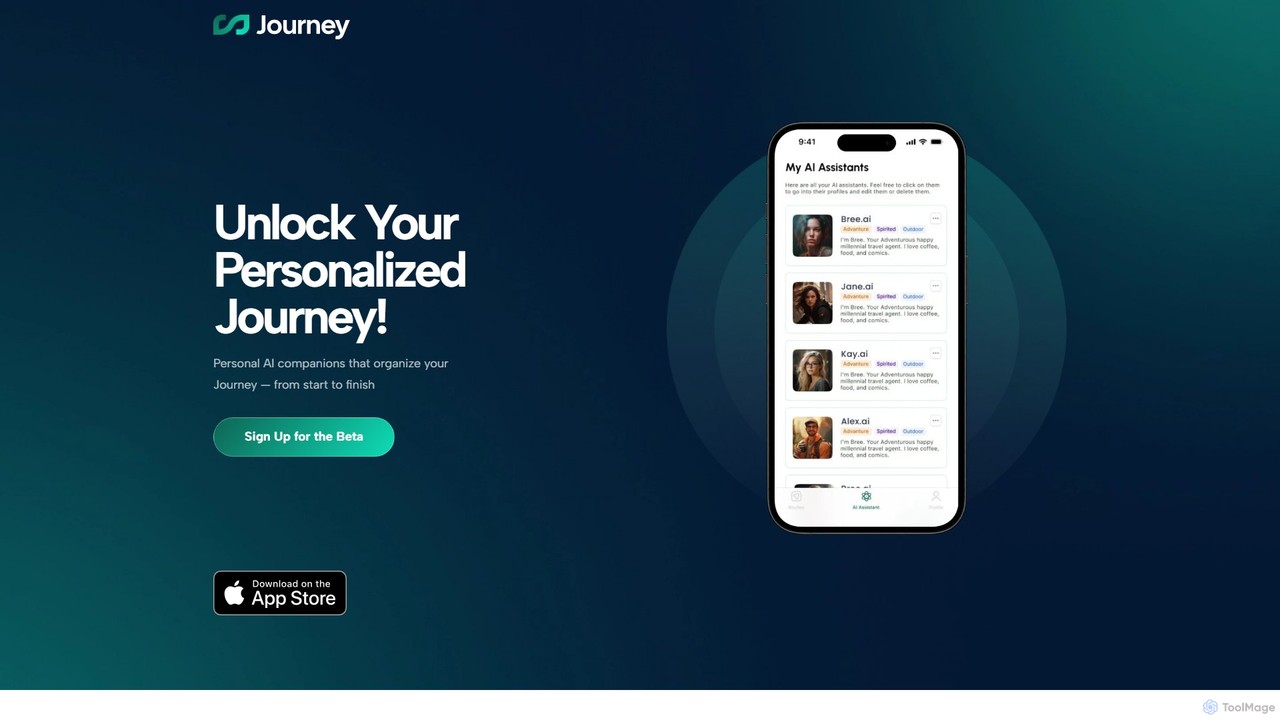
yourjourney.ai is a revolutionary travel app that lets you build a custom AI travel companion with a unique personality. Get tailored recommendations and dynamic trip plans from an AI that understands your travel style, from adventurous to thrifty. Redefine your travel planning experience.

App
Visits 5.9KFavorites 137Likes 132
easytrip.ai
Freemium

easytrip.ai

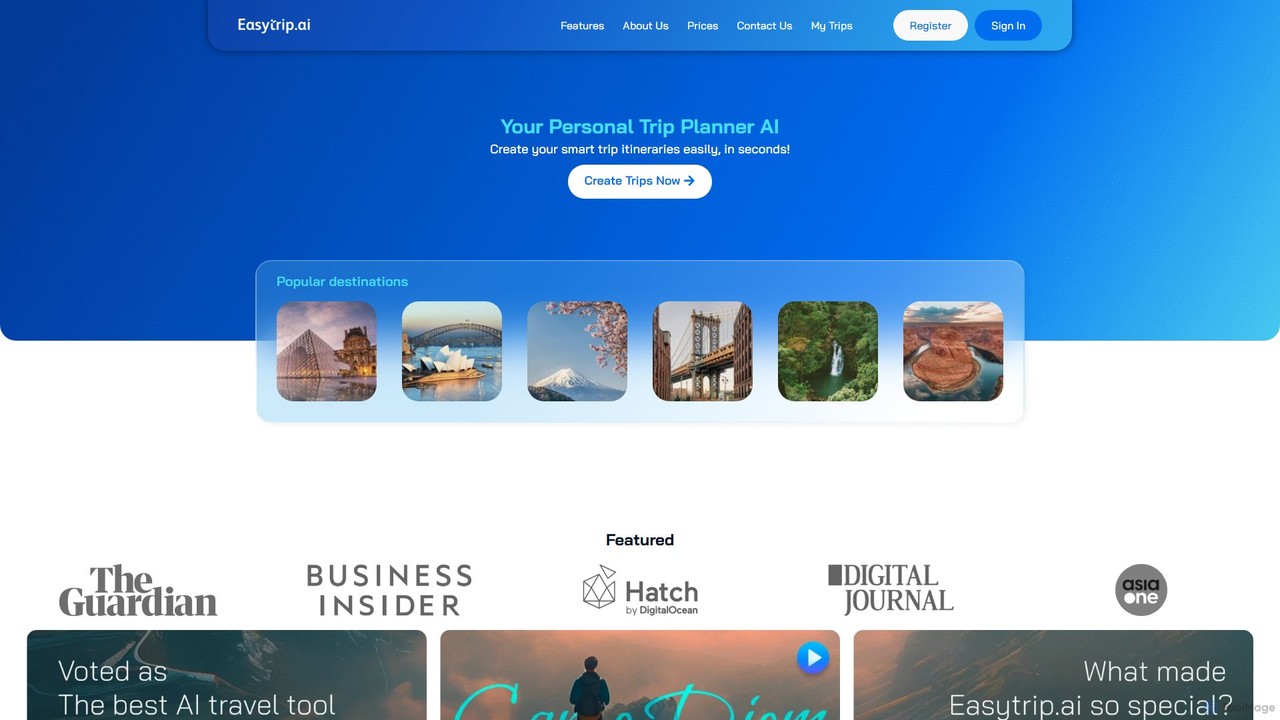
easytrip.ai is a free AI-powered trip planner that creates personalized, smart, and eco-friendly travel itineraries in seconds. It helps users plan trips with budget considerations, discover hidden gems, and travel sustainably. The platform offers customizable plans, real-time activity suggestions, and sharing options, making travel planning fast and hassle-free.

Sustainability
Visits 6.3KFavorites 113Likes 95

About Trip Planner

AI Trip Planners are intelligent tools that automate and personalize the creation of travel itineraries. They utilize machine learning algorithms to analyze user preferences, budget constraints, and interests to generate optimized and detailed travel plans. This technology transforms complex planning into a streamlined process, offering customized suggestions for destinations, activities, and routes. The primary value lies in saving users significant time on research while discovering experiences tailored to their specific tastes.

Core Features

  • Personalized Itinerary Generation: Creates custom daily schedules based on user inputs like interests (e.g., art, food, history), travel pace, and budget.
  • Route Optimization: Calculates the most efficient travel paths between attractions, considering transport options and opening hours to save time.
  • Real-time Suggestions: Provides dynamic recommendations for nearby restaurants, events, or points of interest based on the user's current location and time.
  • Budget Management: Helps users track expenses and suggests flights, accommodations, and activities that align with their financial plan.
  • Collaborative Planning: Enables multiple users to contribute to and edit a shared travel plan in real-time, ideal for group trips.

Use Cases

AI Trip Planners are ideal for individual travelers seeking unique, off-the-beaten-path experiences, families needing to coordinate complex schedules with varied interests, and business travelers aiming to optimize multi-stop journeys. They are also valuable for travel agents looking to quickly generate initial drafts for clients or for anyone feeling overwhelmed by the sheer volume of travel information online.

How to Choose

When selecting an AI Trip Planner, consider the depth of its personalization options—does it understand nuanced preferences? Evaluate its integration with booking platforms for flights, hotels, and tours. Check the accuracy and freshness of its data, especially for maps and opening times. Finally, assess the user interface and whether it offers offline access for use during travel.

Featured tool rankings

Trip Planner use cases

1

Crafting a Multi-City European Backpacking Trip

A solo backpacker planning a month-long trip across Europe uses an AI Trip Planner to streamline the process. They input their total budget, preferred travel pace ('relaxed'), and interests like 'historical sites' and 'local breweries'. The AI generates a logical travel sequence, suggesting travel from Berlin to Prague to Vienna, optimizing train routes. It then populates each city's itinerary with highly-rated hostels, free walking tours, and specific breweries, creating a day-by-day plan that balances sightseeing with leisure time, all within the specified budget.

2

Planning a Family Vacation with Diverse Interests

A family of four, with two young children, wants to plan a week-long trip to a major city. The parents are interested in museums, while the kids want theme parks and playgrounds. Using an AI Trip Planner, they input everyone's preferences. The tool generates a balanced itinerary that includes a morning at a science museum (engaging for all), an afternoon at a large city park with a playground, and a full day dedicated to a nearby theme park. It also optimizes routes using public transport suitable for strollers and suggests family-friendly restaurants near each location.

3

Optimizing a Complex Business Trip Itinerary

A sales executive needs to attend three meetings in different parts of a sprawling city and catch a flight in the evening. They input the meeting addresses, times, and their flight details into an AI Trip Planner. The AI calculates the most efficient travel sequence, recommending specific subway lines and ride-sharing estimates to minimize transit time. It also identifies a suitable cafe for a working lunch near the second meeting location and schedules an alert to leave for the airport, accounting for typical rush-hour traffic patterns, ensuring a stress-free and productive day.

4

Discovering a Themed Food Tour Itinerary

A food enthusiast wants to explore the culinary scene of a city known for its street food. Instead of generic travel guides, they use an AI Trip Planner with a 'foodie' focus. They specify 'authentic street food' and 'dessert spots' as primary interests, along with a dietary restriction. The AI curates a multi-day walking tour that connects famous food markets, hidden local eateries, and acclaimed dessert cafes. The plan includes notes on must-try dishes at each stop and avoids tourist traps, providing a genuinely local and delicious experience.

5

Adapting a Travel Plan in Real-Time

A couple is exploring a city when they discover their planned museum visit is cancelled due to an unexpected closure. Instead of scrambling to find an alternative, they open their AI Trip Planner app. The app, aware of their location and original interest in 'modern art', instantly suggests three nearby alternatives: a smaller contemporary art gallery, an outdoor sculpture park, and a neighborhood known for its vibrant street art. They choose the street art tour, and the app immediately updates their itinerary and provides a new walking route, seamlessly salvaging their afternoon.

6

Organizing a Spontaneous Weekend Getaway

Two friends decide on a Friday afternoon that they want to go on a weekend trip. They have no destination in mind, only a budget and a desire for 'outdoor adventure'. They use an AI Trip Planner's 'Inspire Me' feature. Based on their current location, the tool suggests three nearby destinations known for hiking and nature. They select a national park area, and the AI instantly finds available last-minute lodging, outlines two full-day hiking trails of moderate difficulty, and suggests a well-regarded local pub for dinner, turning a vague idea into a concrete, bookable plan in minutes.

Trip Planner FAQ

What is an AI Trip Planner?

An AI Trip Planner is a digital tool that uses artificial intelligence to create personalized and optimized travel itineraries. Unlike traditional planning methods, it analyzes your specific interests, budget, and preferred travel pace to automatically generate a detailed day-by-day schedule. Key features often include route optimization to save travel time, real-time suggestions for activities, and integrations with booking systems for flights and hotels. The main goal is to simplify the complex process of travel planning, saving you hours of research and helping you discover experiences tailored to you.

How do AI Trip Planners differ from Google Maps or booking sites?

AI Trip Planners offer a more holistic and integrated planning experience. While tools like Google Maps are excellent for navigation and booking sites are for transactions, an AI Trip Planner combines these functions and adds a layer of personalization and curation.

  • Google Maps tells you how to get from point A to B, but an AI Trip Planner helps you decide what A and B should be based on your interests and then optimizes the entire day's route.
  • Booking sites (like Expedia or Booking.com) help you reserve flights and hotels, but they don't typically build a cohesive daily itinerary of activities for you.

In essence, an AI Trip Planner acts as a smart travel assistant, building a complete, end-to-end travel plan, not just handling individual components of the trip.

How do I choose the right AI Trip Planner?

Choosing the right AI Trip Planner depends on your specific travel style and needs. Consider these factors:

  • Level of Customization: Look for a tool that allows you to input detailed preferences, not just a destination. Can you specify interests, budget, pace, and dietary needs?
  • Integration: Does the planner integrate with booking platforms for flights, hotels, or car rentals? A seamless booking process saves time.
  • User Interface (UI): The tool should be intuitive and easy to use, both on a desktop for initial planning and on a mobile device for use during your trip.
  • Data Quality and Freshness: Check if the tool uses up-to-date information for things like museum opening hours, restaurant reviews, and public transport schedules.
  • Offline Capabilities: A planner with offline maps and itinerary access is crucial for traveling in areas with poor or expensive internet connectivity.
What are the key features of a good AI Trip Planner?

A high-quality AI Trip Planner typically includes a combination of intelligent and practical features. The most important ones are:

  • Personalized Itinerary Generation: The core ability to create a unique travel plan based on your specific inputs like interests, budget, and travel style.
  • Dynamic Route Optimization: It should not just list places, but also organize them into the most efficient daily route to minimize travel time.
  • Real-time Adaptability: The ability to adjust the plan on the go. If a place is closed or you want to change plans, it should offer relevant alternatives nearby.
  • Collaborative Tools: For group travel, features that allow multiple people to view, edit, and comment on the itinerary are highly valuable.
  • Booking Integration: Direct links or integrated systems to book flights, accommodations, and tours directly from the generated plan.
Who can benefit most from using an AI Trip Planner?

While almost any traveler can find value in an AI Trip Planner, certain groups benefit the most:

  • Inexperienced or Overwhelmed Planners: For those new to travel planning or who find the amount of online information daunting, these tools provide a structured and simplified starting point.
  • Time-Constrained Travelers: Busy professionals or parents can save dozens of hours of research by letting the AI handle the initial legwork of creating a draft itinerary.
  • Travelers Seeking Personalization: Individuals who want to go beyond generic tourist trails and find experiences that match their niche interests (like specific types of architecture, food, or hiking) will find these tools highly effective.
  • Group Coordinators: Anyone planning a trip for a group with diverse interests can use the tool to create a balanced itinerary that caters to everyone, simplifying coordination.