ToolMage
Sign in

Best 201 Travel AI tools

Popular Travel AI tools include Expedia, OpenTable, KAYAK, ixigo, Wanderlog, mindtrip, Mindtrip, Citymapper, roamaround, and Layla, helping you work more efficiently.

sommel_ai
Paid

sommel_ai

sommel_ai is your personal AI sommelier. Simply snap a photo of any restaurant menu, and this intelligent tool analyzes the dishes and drinks. Tell it what you're considering, and it instantly recommends the perfect wine, beer, or cocktail pairing from the available options, elevating your dining experience.

Food & Drink
Visits 5.8KFavorites 155Likes 163
bettertravel
Free

bettertravel

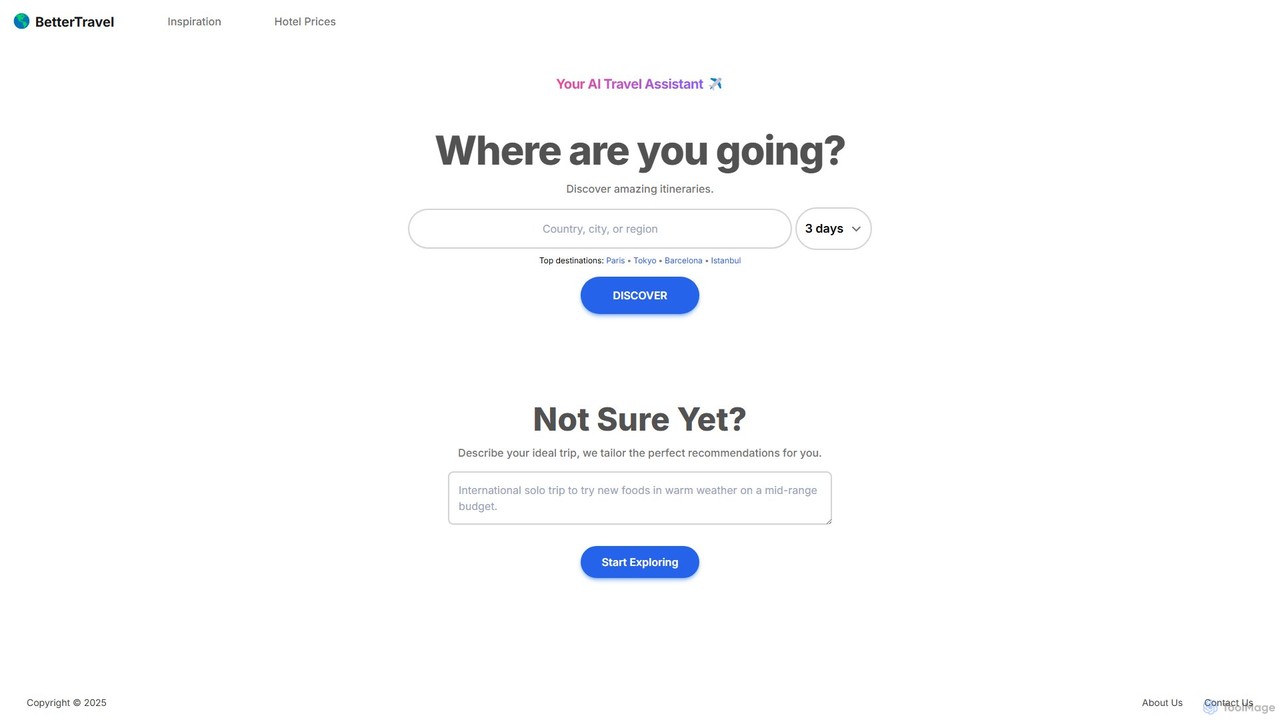
BetterTravel is an AI-powered trip planner that acts as your personal travel assistant. It crafts personalized, day-by-day itineraries based on your destination, trip duration, or a description of your ideal vacation. Save hours of research and discover unique travel experiences tailored to your preferences, from top attractions to hidden gems.

Leisure
Visits 6.1KFavorites 114Likes 126
Wanderlog
Freemium

Wanderlog

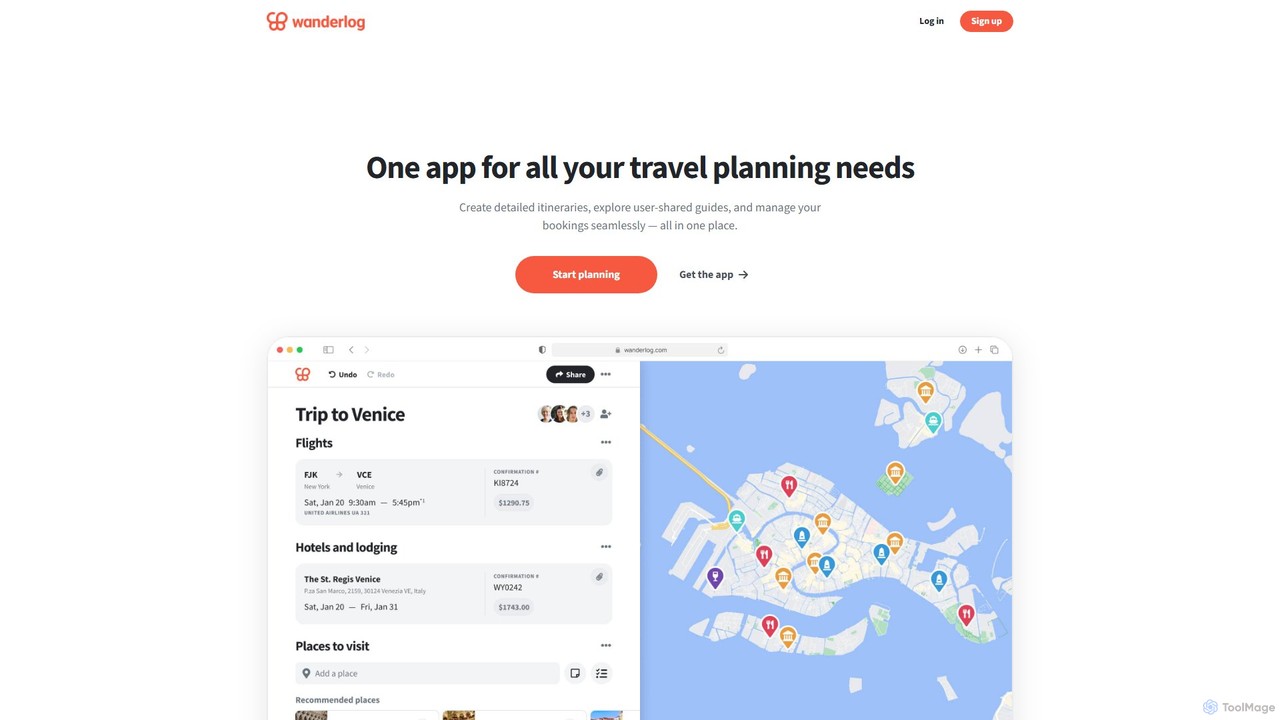
Wanderlog is an AI-powered, all-in-one travel planner that simplifies trip organization. It allows users to build detailed itineraries, collaborate with friends in real-time, manage budgets, and discover new places. With its intelligent assistant and map-based interface, Wanderlog streamlines the entire vacation planning process, from initial ideas to on-the-go adjustments.

Trip Management
Visits 7.9MFavorites 114Likes 115
Pogo
Freemium

Pogo

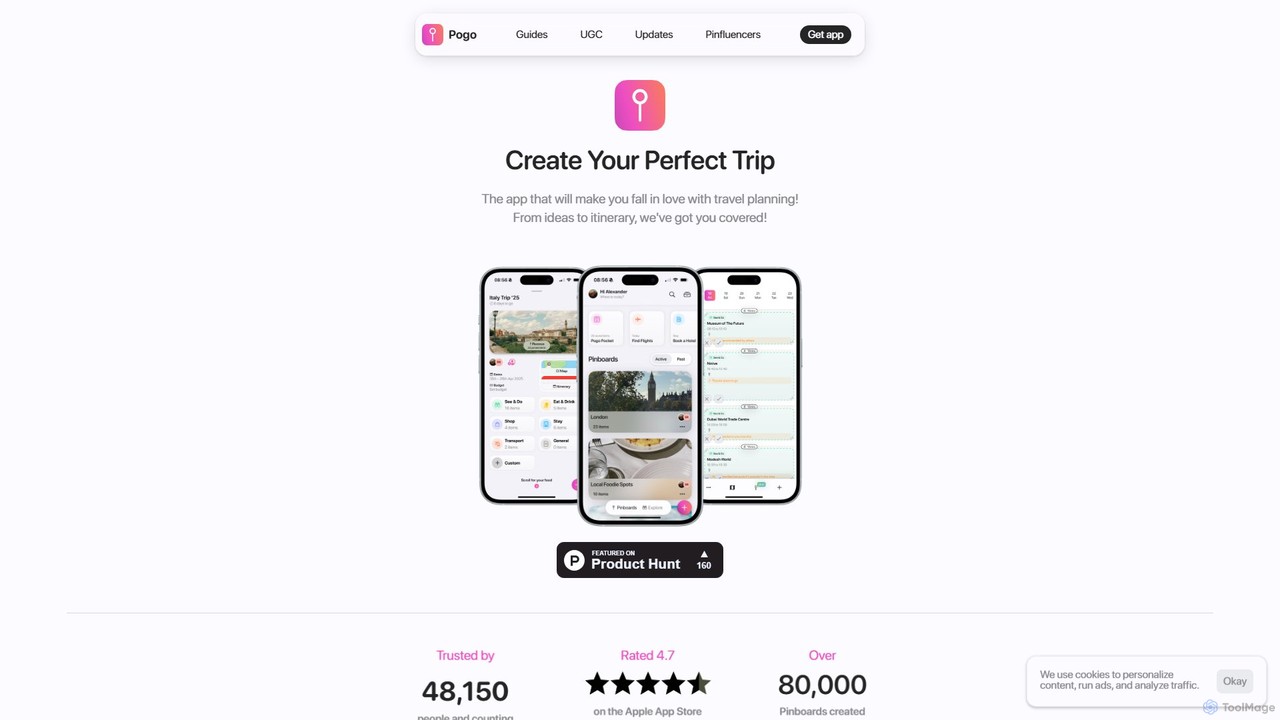
Pogo is an all-in-one travel planning app that centralizes your trip details onto a collaborative 'Pinboard'. It features an AI-powered itinerary generator, integrated map view, and in-app booking for flights and hotels, designed to simplify group and solo travel planning.

Hobbies
Visits 6.9KFavorites 156Likes 152
triipper
Freemium

triipper

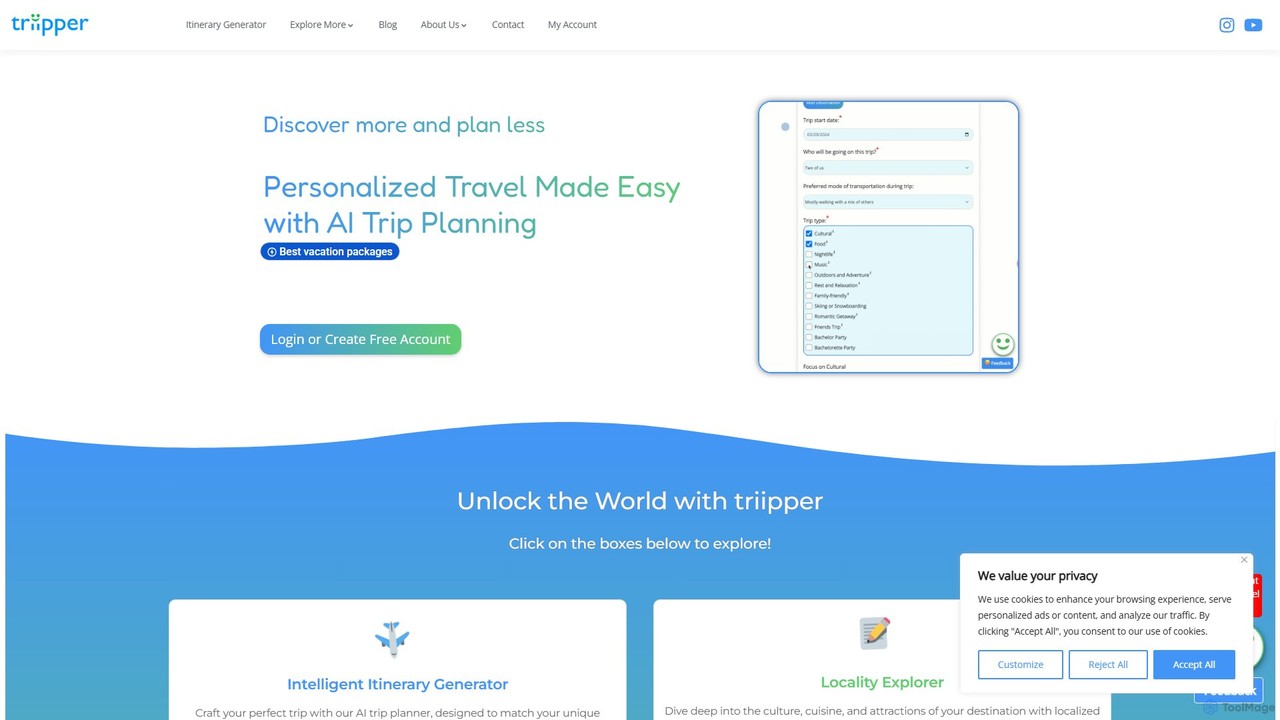
triipper is an AI-powered travel planner that simplifies trip creation. It offers an intelligent itinerary generator, a destination finder, and a locality explorer to craft personalized travel plans for any occasion. From romantic getaways to family vacations, triipper handles the details, allowing you to focus on the adventure.

Travel
Visits 6.6KFavorites 126Likes 133
Notamify
Freemium

Notamify

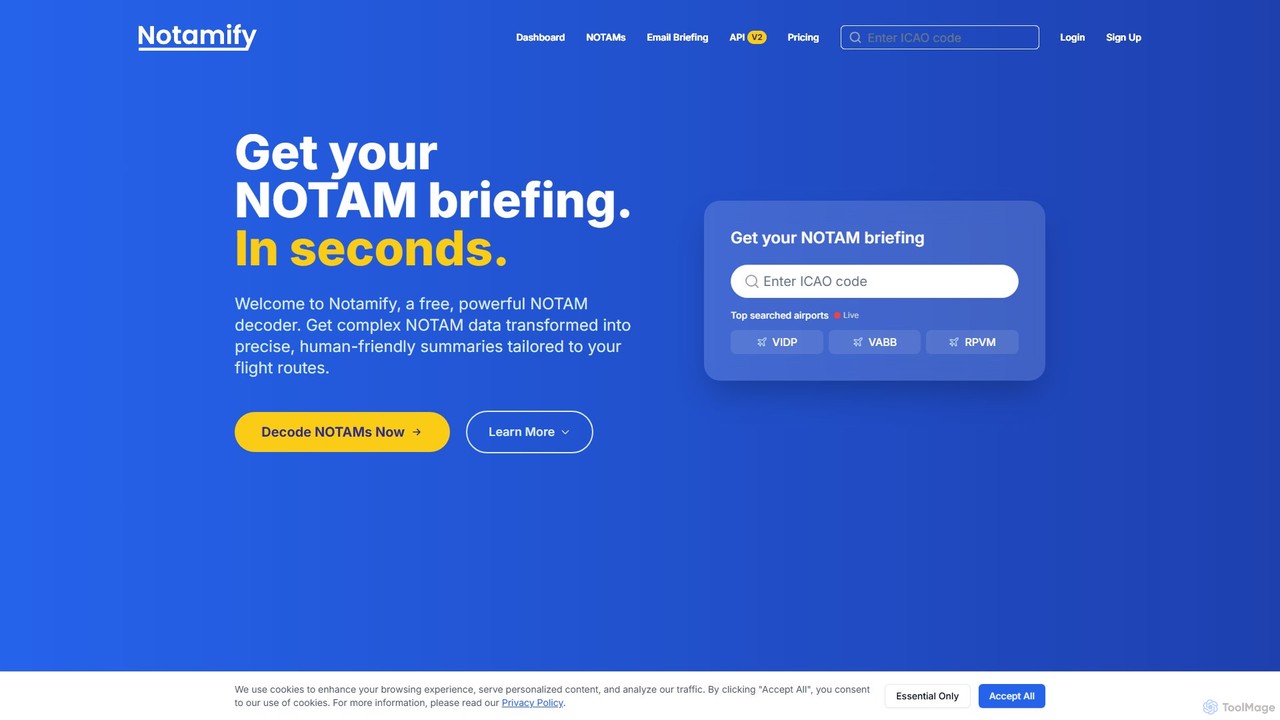
Notamify is an AI-powered NOTAM decoder and briefing tool designed for aviation professionals. It transforms complex, raw NOTAM data into clear, human-friendly summaries and structured, actionable intelligence. By filtering out noise and highlighting critical information, Notamify helps pilots, dispatchers, and airport operators save significant time on pre-flight preparations and enhance situational awareness.

Api
Visits 44.8KFavorites 148Likes 162
roamify
Freemium

roamify

Roamify is an AI-powered travel planner that creates personalized itineraries in seconds. Simply input your destination, interests, and budget, and let our intelligent assistant craft a unique journey for you. From discovering hidden gems to optimizing your schedule and budget, Roamify simplifies trip planning, making your travels seamless and unforgettable.

Travel
Visits 5.8KFavorites 134Likes 138
livetheworld
Freemium

livetheworld

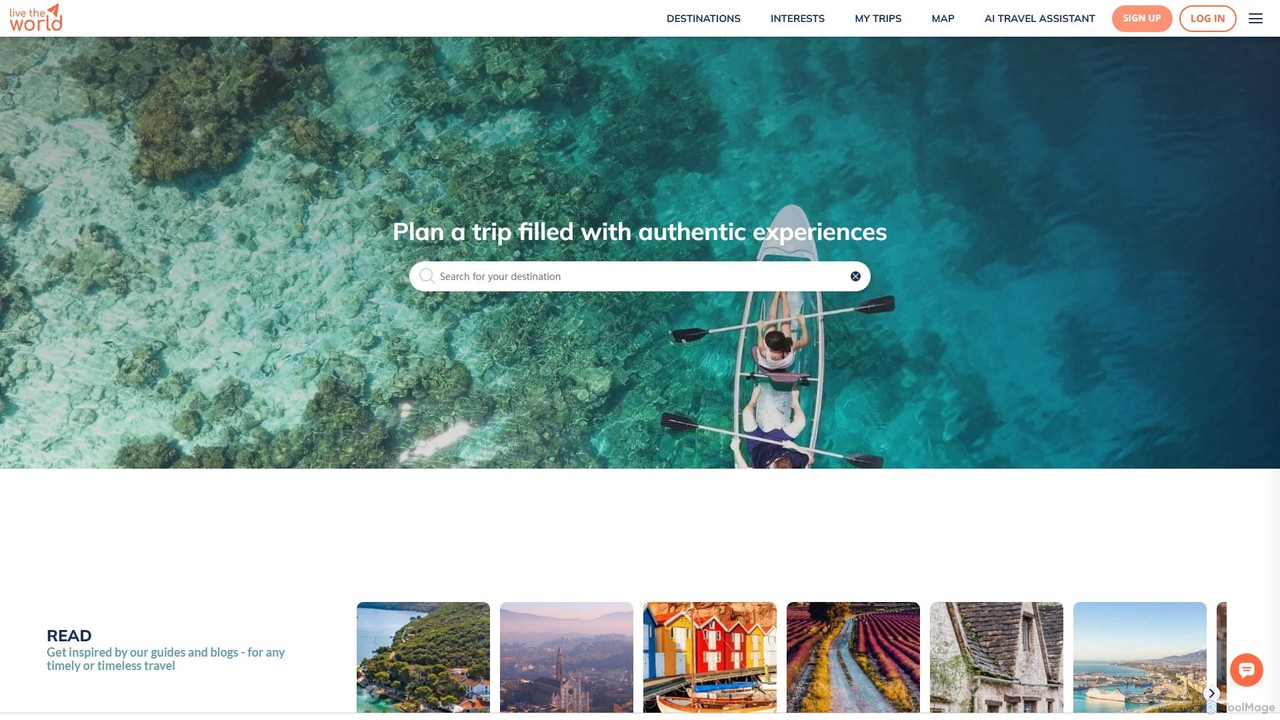
Live the World is an AI-powered travel platform for planning trips filled with authentic, local experiences. Use its AI assistant, Atlas, to create personalized itineraries, discover hidden gems, and build your perfect journey beyond the typical tourist trail.

Guides
Visits 104.1KFavorites 125Likes 116
trapi
Paid

trapi

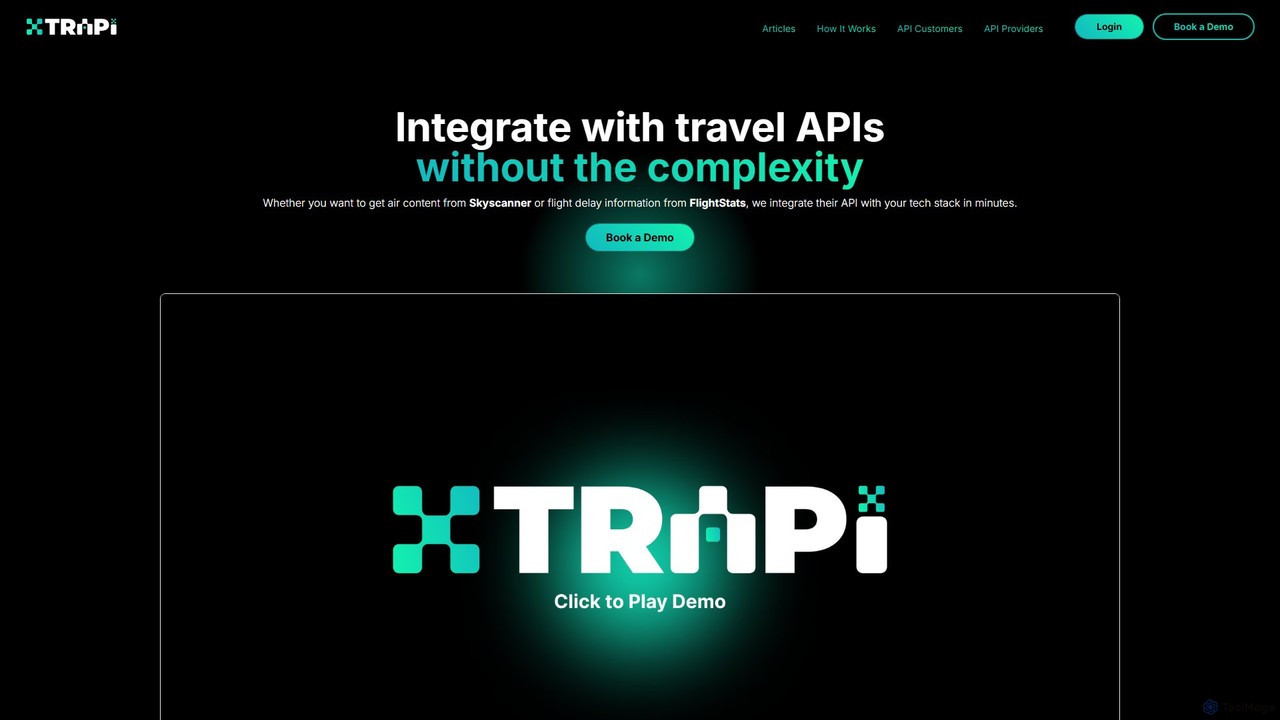
trapi is an AI-powered platform that revolutionizes travel API integration. It enables businesses to connect with any travel-related API, such as Skyscanner or HotelBeds, in minutes instead of months. By handling the technical complexity, eliminating jargon, and automating the integration process, trapi drastically reduces development time and costs, allowing companies to launch new travel features faster and more efficiently.

Automation
Visits 8.7KFavorites 107Likes 100

About Travel

AI Travel tools are a class of applications that leverage artificial intelligence to streamline and personalize every stage of a journey. These tools utilize machine learning, predictive analytics, and natural language processing to analyze vast amounts of data, including flight prices, hotel availability, and user preferences. Their primary value lies in automating complex tasks like itinerary creation, finding the best deals, and providing real-time travel assistance, making travel more efficient and tailored to individual needs.

Core Features

  • Personalized Itinerary Planning: Generates custom travel plans based on interests, budget, and time constraints.
  • Predictive Price Analysis: Forecasts flight and hotel price fluctuations to recommend the best booking times.
  • Real-time Travel Assistance: Offers on-the-go support, such as translation, navigation, and local recommendations.
  • Automated Trip Management: Consolidates bookings, sends alerts for delays, and organizes travel documents.

Use Cases

These tools are ideal for individual travelers seeking personalized trips, business travelers needing efficient logistics management, and travel agencies looking to automate booking processes. They are also valuable for budget-conscious users aiming to find the best possible deals through predictive analytics.

How to Choose

When selecting an AI travel tool, consider the scope of its services (planning, booking, in-trip assistance), the accuracy of its data sources for flights and hotels, the level of personalization it offers, and its integration capabilities with other travel platforms or calendars.

Featured tool rankings

Travel use cases

1

Automated Itinerary Creation for a Family Vacation

A busy parent planning a 10-day, multi-city trip to Europe can use an AI travel tool to simplify the process. By inputting destinations, budget, travel dates, and family interests like 'museums' and 'parks', the AI generates a detailed day-by-day schedule. This itinerary includes optimized travel routes between cities, pre-vetted activity suggestions, and links to book tickets for attractions. The result is a well-paced, logical travel plan that saves dozens of hours of manual research and ensures the trip is enjoyable for all family members.

2

Optimizing Business Travel Logistics

A corporate travel manager needs to book a last-minute trip for an executive that complies with company policy. Using an AI tool, they can input the travel requirements, and the system automatically finds and suggests flights and hotels that fit within the budget and preferred partner networks. The AI can also predict potential delays based on weather and flight data, suggest the most efficient ground transportation, and consolidate all bookings into a single, shareable itinerary. This reduces booking time from hours to minutes and ensures full compliance with corporate travel policies.

3

Finding Travel Deals with Price Prediction

A budget-conscious traveler wants to fly to Southeast Asia but has flexible dates. They use an AI travel tool to monitor flight prices. Instead of manually checking daily, they set their destination and a travel window (e.g., 'September or October'). The AI analyzes historical pricing data and market trends to forecast price fluctuations. It then sends an alert to the user's phone when prices are predicted to be at their lowest, recommending the optimal dates and time to book. This data-driven approach helps the traveler secure significant savings without the effort of constant monitoring.

4

Real-time Language Translation and Local Discovery

A solo traveler is exploring Japan without knowing the language. They use an AI-powered travel app on their smartphone. Using the camera, the app provides real-time translation of menus, signs, and public transport information. It also offers voice-to-voice translation for conversations with locals. Furthermore, the app uses the traveler's location to provide context-aware recommendations for nearby authentic restaurants or lesser-known attractions that align with their stated interests. This technology overcomes language barriers and enables a more immersive and confident travel experience.

5

Curating Unique Experiences for Thematic Trips

A food enthusiast wants to plan a culinary tour through Italy. Instead of generic travel guides, they use an AI planner and specify their interests: 'authentic pasta making classes', 'truffle hunting', and 'family-owned wineries'. The AI scours food blogs, reviews, and local event listings to create a highly specialized itinerary. It connects these niche activities with a logical travel route, suggests accommodations near culinary hotspots, and even recommends specific dishes to try at each location. This results in a deeply personalized and fulfilling trip that goes far beyond standard tourist attractions.

6

Managing Group Travel Coordination

An organizer for a friends' trip faces the challenge of coordinating different preferences and budgets. They use an AI group travel tool where all members can join. The tool allows the organizer to create polls for destinations and activities, helping to make collective decisions easily. It can track everyone's flight arrivals in one place, manage shared expenses through an integrated splitter, and create a collaborative itinerary that everyone can access and comment on. This centralizes communication, reduces logistical headaches, and ensures the final plan reflects the group's collective desires.

Travel FAQ

What are AI Travel tools?

AI Travel tools are software applications that use artificial intelligence to help users plan, book, and manage their trips. They analyze user preferences, budget, and historical data to provide personalized recommendations, create optimized itineraries, and predict the best times to book flights and hotels. Unlike traditional booking sites, they focus on automating the entire planning process, acting as a smart assistant rather than just a search engine.

How do I choose the right AI Travel tool?

To choose the right AI Travel tool, consider these factors:

  • Scope of Features: Determine if you need a tool primarily for planning, booking, in-trip assistance, or an all-in-one solution.
  • Personalization Level: Look for tools that allow you to input detailed preferences (e.g., travel style, interests, dietary needs) for more tailored results.
  • Data Accuracy: Ensure the tool pulls real-time data from reliable sources for flights, accommodations, and local information.
  • User Interface: Choose a tool with an intuitive and easy-to-navigate interface, especially for mobile use during your travels.
What's the difference between an AI Travel planner and a traditional booking site?

The main difference lies in their approach. A traditional booking site (like Expedia or Kayak) is a search engine; you provide specific inputs (dates, destination) and it returns a list of options for you to manually filter and assemble. An AI Travel planner acts as a recommendation engine and an automated planner. It understands broader requests (e.g., 'a relaxing beach vacation in June under $2000') and builds a complete, optimized itinerary for you, including flights, hotels, and activities, based on your preferences.

What are the main functions of AI Travel tools?

The main functions of AI Travel tools typically include:

  • Automated Itinerary Generation: Creating detailed daily schedules based on user inputs.
  • Price Prediction & Deal Finding: Analyzing market data to recommend the cheapest times to book and travel.
  • Personalized Recommendations: Suggesting hotels, restaurants, and activities that match a user's profile and past behavior.
  • Real-time Assistance: Providing on-the-go support like flight status updates, gate changes, and language translation.
Who can benefit from using AI Travel tools?

A wide range of travelers can benefit from AI Travel tools. Casual travelers can save significant time on research and planning. Business travelers can ensure efficient, policy-compliant bookings and manage complex logistics. Budget-conscious travelers can leverage price prediction to find the best deals. Even experienced travelers can use them to discover unique, off-the-beaten-path experiences tailored to their specific interests. Essentially, anyone looking to make their travel planning more efficient, personalized, and cost-effective can find value in these tools.