Web3 Best in category 2 results Metaverse AI Tool

Popular AI tools in the Metaverse field of Web3 include worlds、Sage Towers, etc., helping you quickly improve efficiency.

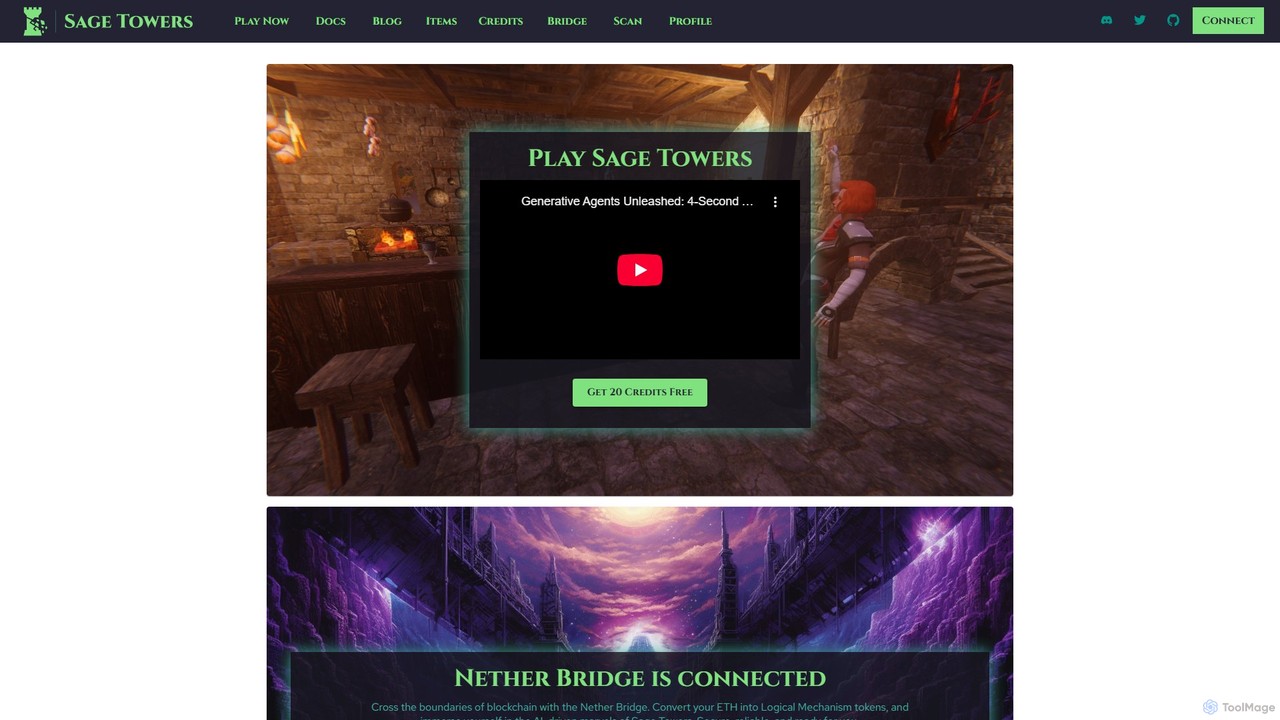
Sage Towers

Sage Towers

Sage Towers is a revolutionary User-Generated MMO that merges AI-driven gameplay with blockchain technology. Players can interact with …

2.3K
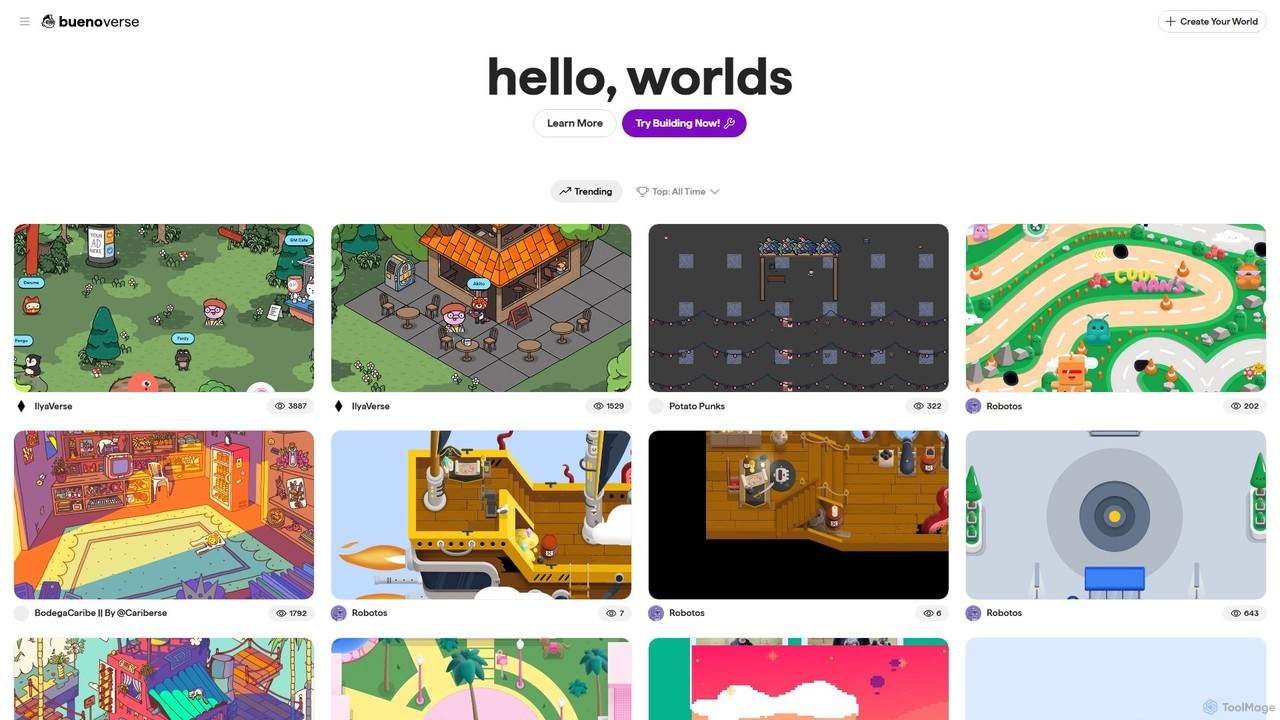
worlds

worlds

worlds by Bueno is a no-code platform for creating interactive 2D virtual worlds and games. Designed for creators, …

2.3K

About Metaverse

Metaverse tools are a category of AI-powered platforms and applications that enable the creation, exploration, and interaction within persistent, shared virtual 3D environments, often leveraging Web3 technologies. These tools integrate advanced AI for realistic simulations, dynamic content generation, and intelligent NPC behaviors, fostering immersive digital experiences. They provide frameworks for virtual economies, social interaction, and digital identity, transforming how users engage with digital content and each other.

Core Features

  • Virtual World Creation: Tools for designing and building expansive 3D virtual environments, landscapes, and architectural structures.
  • Avatar & Identity Management: Systems for creating, customizing, and managing user avatars and digital identities across different virtual spaces.
  • AI-Powered Content Generation: Algorithms that generate dynamic assets, textures, objects, and even narrative elements within the metaverse.
  • Real-time Interaction & Socialization: Features enabling synchronous communication, collaborative activities, and social gatherings in virtual spaces.
  • Digital Asset Integration (NFTs): Support for incorporating and trading non-fungible tokens (NFTs) as virtual land, items, or collectibles.
  • Spatial Computing & Immersion: Technologies like VR/AR integration for enhanced sensory experiences and a deeper sense of presence.

Applicable Scenarios

Metaverse tools are utilized by game developers for creating next-generation immersive games, by brands for building virtual storefronts and experiential marketing campaigns, and by educators for developing interactive learning environments. They also serve artists and designers for showcasing digital art and architects for virtual property visualization.

How to Choose

When selecting Metaverse tools, consider the platform's interoperability with other virtual environments and Web3 standards, the robustness of its content creation suite, and its scalability for user concurrency. Evaluate the ease of integrating digital assets (NFTs), the community support, and the underlying blockchain technology for secure transactions and ownership.

MetaverseUse Cases

1

Designing Immersive Virtual Event Spaces

Event organizers use Metaverse creation platforms to design and host large-scale virtual conferences, concerts, or exhibitions. They can customize venues, integrate interactive elements, and manage attendee avatars, offering a global audience an engaging and accessible alternative to physical events, reducing logistical overhead and expanding reach.

2

Developing AI-Powered Virtual Assistants for Customer Service

Businesses deploy AI-driven virtual assistants within their metaverse presence to provide real-time customer support, guide users through virtual stores, or answer product inquiries. These intelligent NPCs enhance user experience by offering personalized assistance and information, making virtual interactions more intuitive and efficient.

3

Creating Digital Twins for Industrial Simulation

Engineers and manufacturers leverage Metaverse tools to build digital twins of physical factories, products, or urban infrastructure. This allows for real-time monitoring, predictive maintenance, and simulation of operational changes in a virtual environment, optimizing efficiency and minimizing risks before physical implementation.

4

Building Interactive Educational Experiences

Educators and training institutions utilize Metaverse platforms to develop highly interactive and engaging learning modules. Students can explore historical sites, conduct virtual lab experiments, or participate in simulated professional scenarios, fostering deeper understanding and practical skill development through immersive experiences.

5

Launching Virtual Fashion & Product Showrooms

Fashion brands and retailers create virtual showrooms in the metaverse to display their latest collections or product lines. Customers can explore 3D models, try on virtual clothing with their avatars, and even purchase digital or physical items, offering an innovative and accessible shopping experience that transcends geographical boundaries.

6

Facilitating Collaborative Remote Workspaces

Distributed teams use Metaverse environments to establish persistent virtual offices or meeting rooms. They can collaborate on projects, conduct presentations, and engage in team-building activities within a shared 3D space, enhancing communication and fostering a sense of presence that traditional video calls often lack.

MetaverseFrequently Asked Questions