ToolMage
Sign in

Best 12 Nft AI tools for Web3

Popular Nft AI tools in Web3 include UUKI, LIKN, MyCharacter.AI, Raily, AtlasNavi, Waterlily, Cheap NFT Art, itoka, Vagabond AI, and Prigen, helping you work more efficiently.

Prigen
Freemium

Prigen

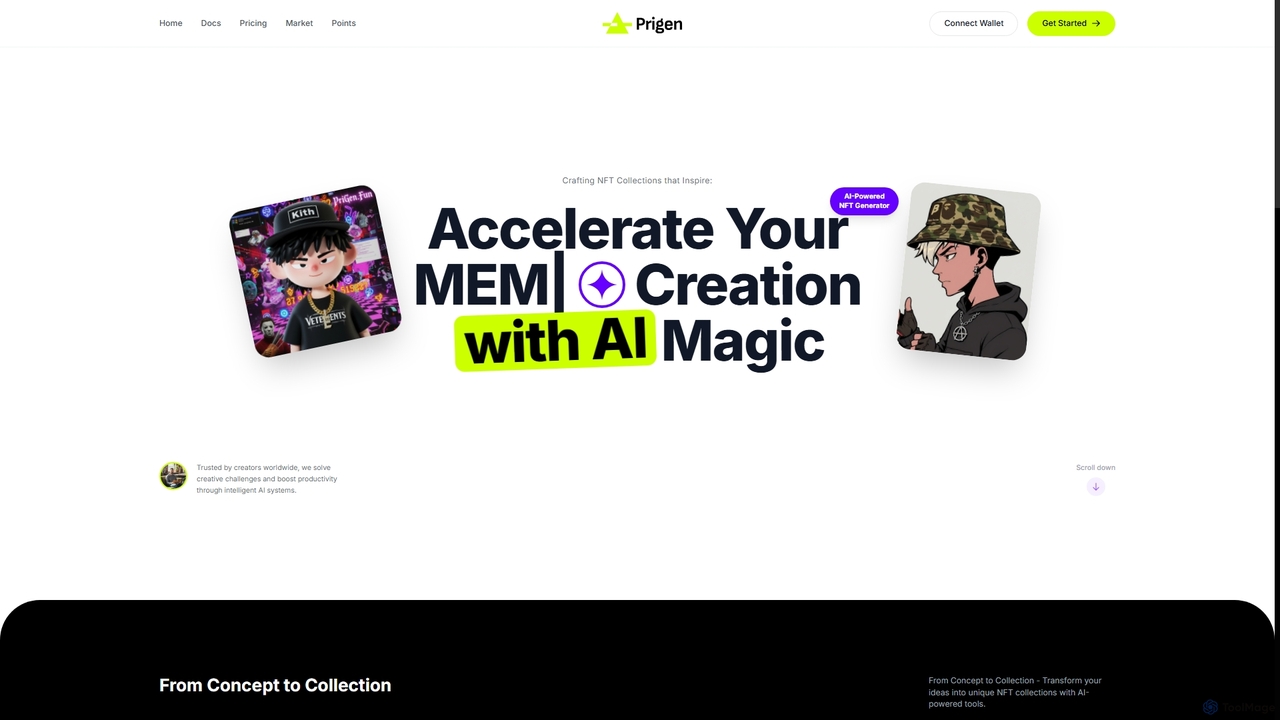
An AI-powered platform for creating, managing, and monetizing unique NFT collections. It features a visual component system, an intelligent AI assistant for generating art and traits, and one-click metadata export. Ideal for artists and creators in the Web3 space.

Generative Art
Visits 3.4KFavorites 65Likes 54
Waterlily
Freemium

Waterlily

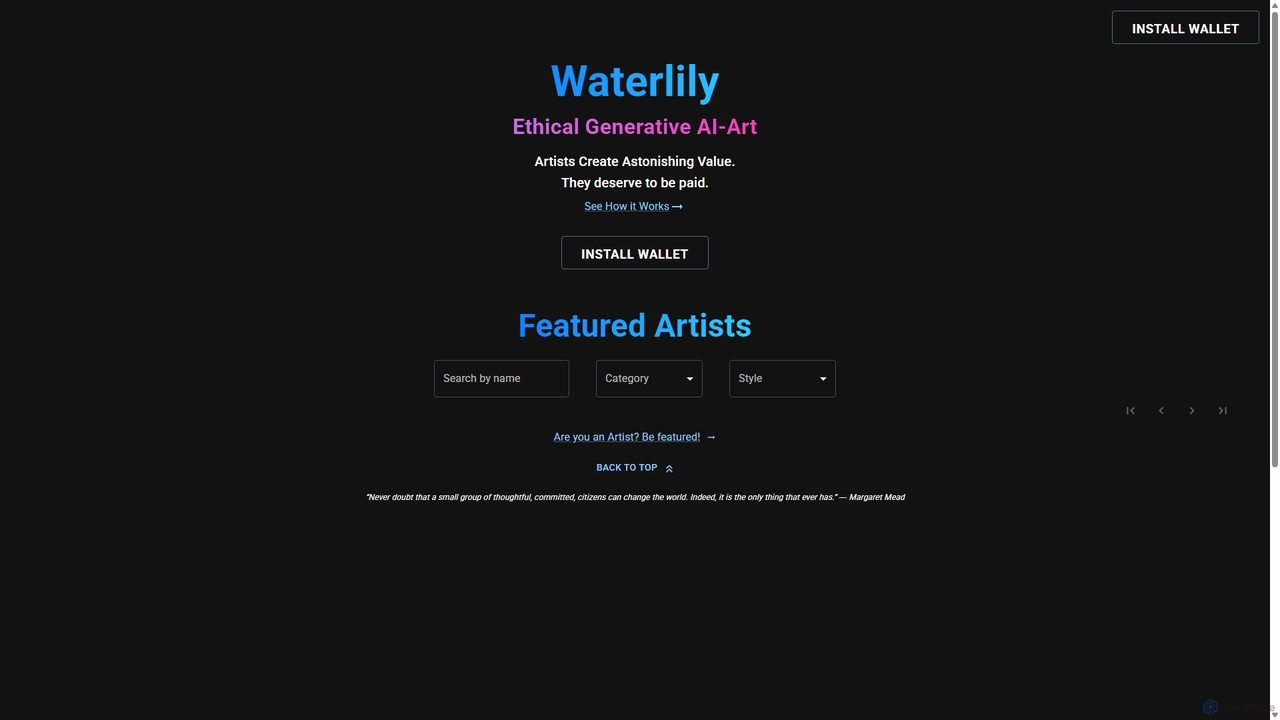
Waterlily is an ethical generative AI art platform that empowers artists by creating AI models based on their unique styles. It ensures artists are fairly compensated for every artwork generated, using Web3 technology for transparent royalty distribution.

Art Generation
Visits 3.6KFavorites 90Likes 106
Stability World AI
Freemium

Stability World AI

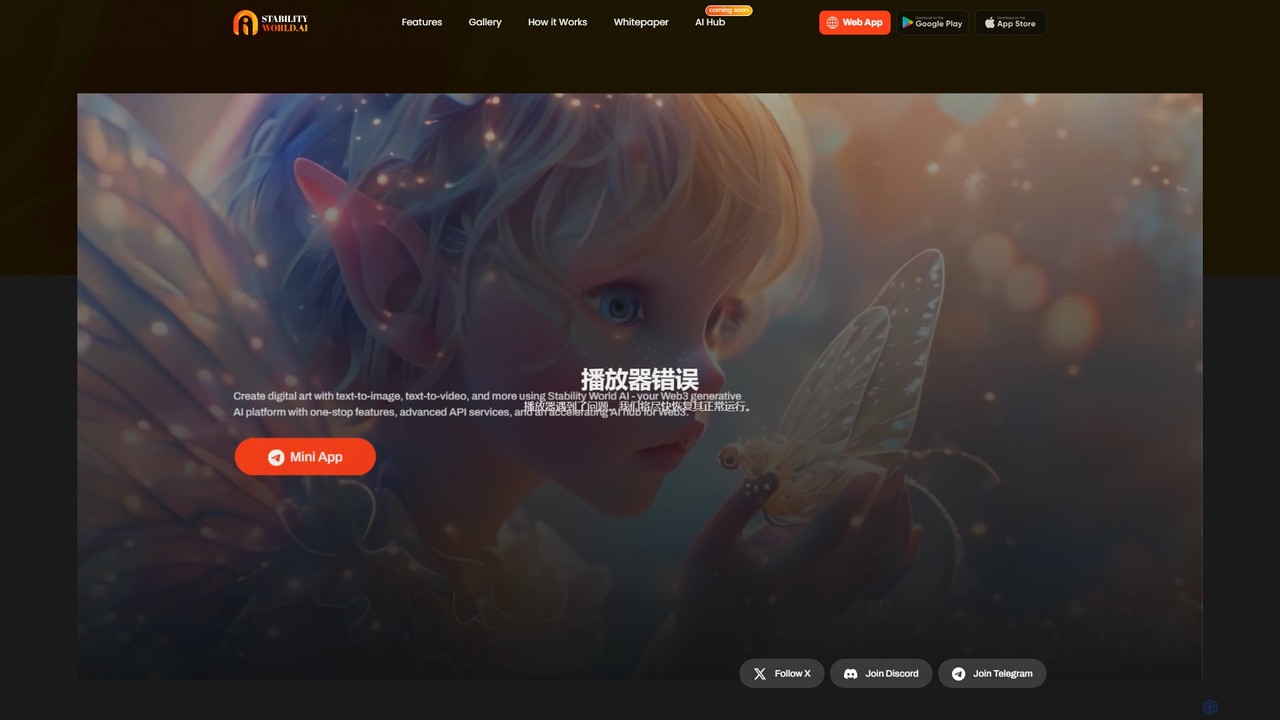
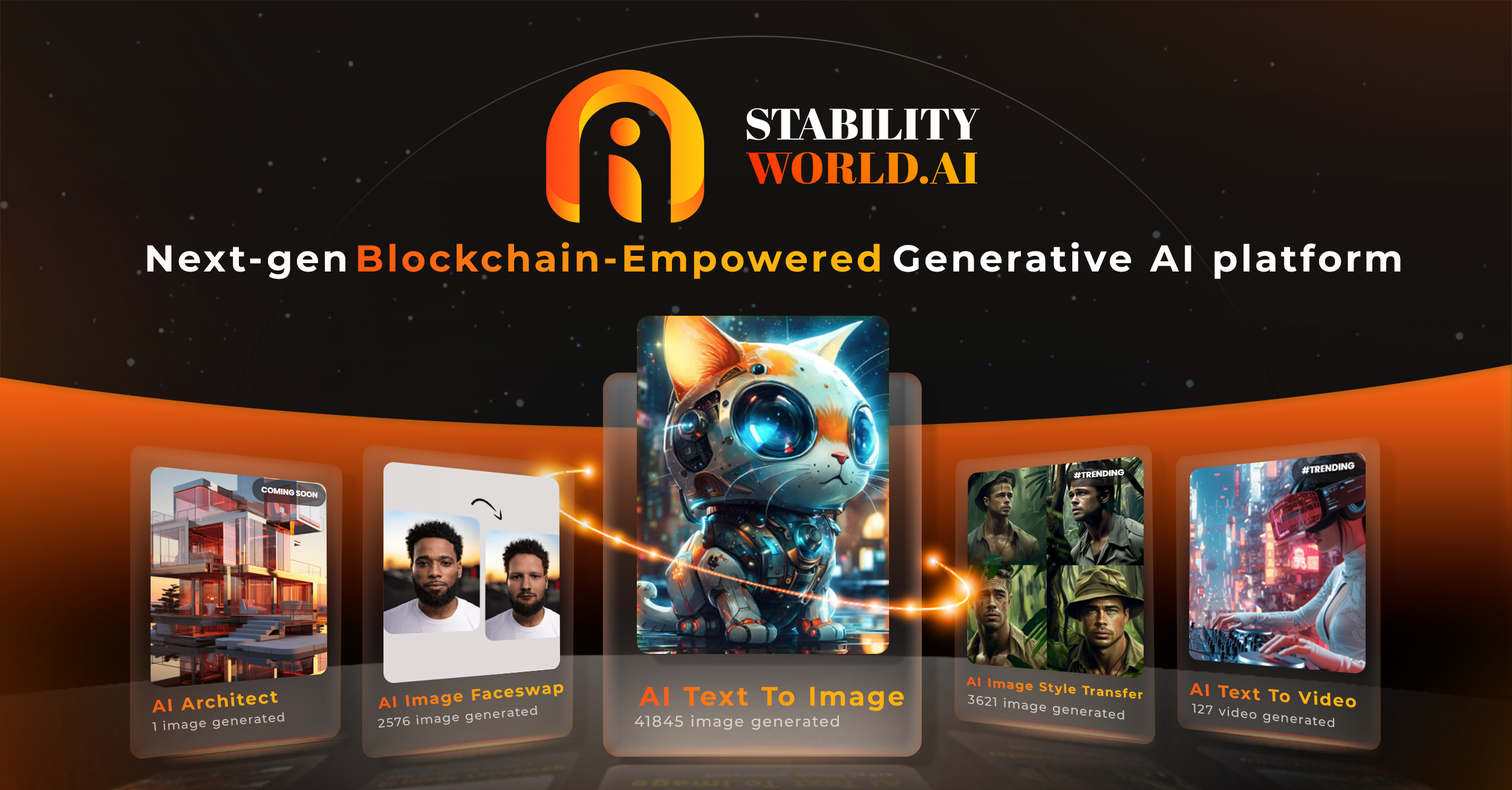
Stability World AI is a one-stop generative AI platform tailored for the Web3 ecosystem. It enables users to create digital art and videos from text prompts (text-to-image, text-to-video). The platform also functions as an AI accelerator and hub, providing advanced API services for developers and a vibrant community gallery for creators to showcase their work.

Image Generation
Visits 3.3KFavorites 109Likes 113
LIKN
Freemium

LIKN

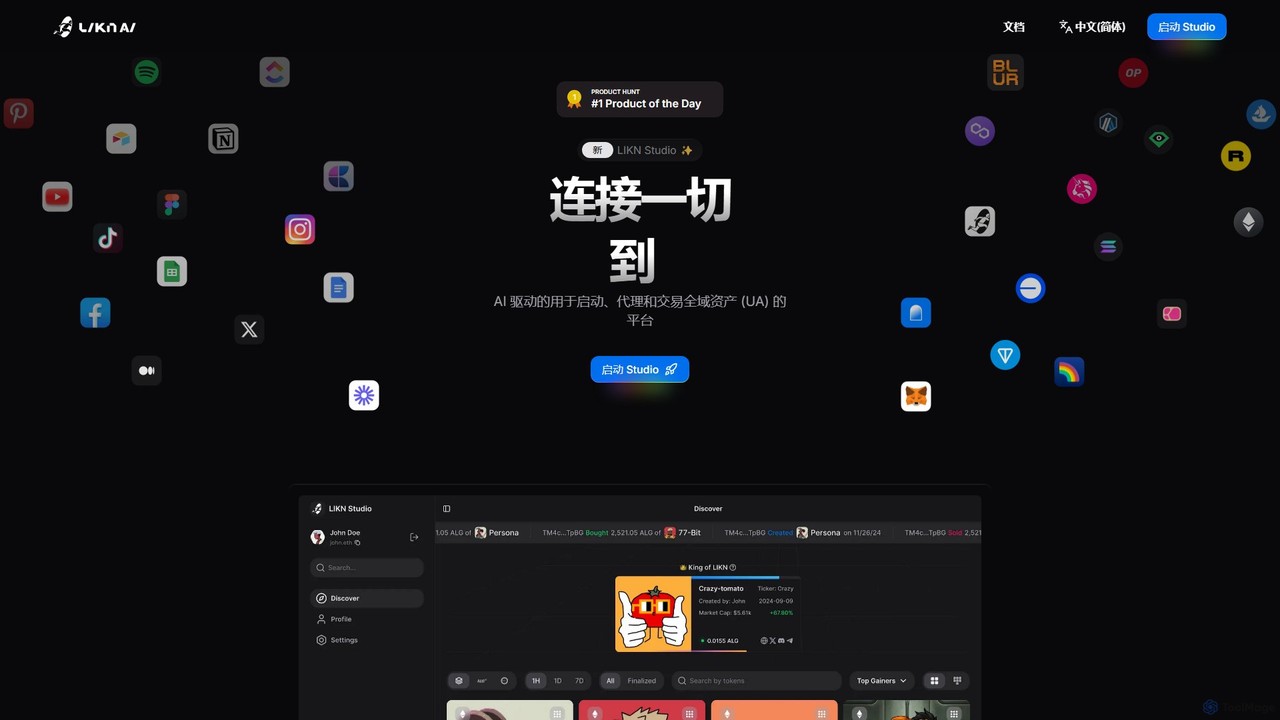
LIKN is an AI-powered platform for launching, managing, and trading Universal Assets (UA) in Web3. It bridges Web2 content and real-world assets with the blockchain using its innovative LIKN-404 standard, which combines NFTs, FTs, and AI Agents. This enables creators and investors to easily tokenize assets, automate management with AI, and ensure native liquidity.

Asset Management
Visits 16KFavorites 123Likes 126
UUKI
Freemium

UUKI

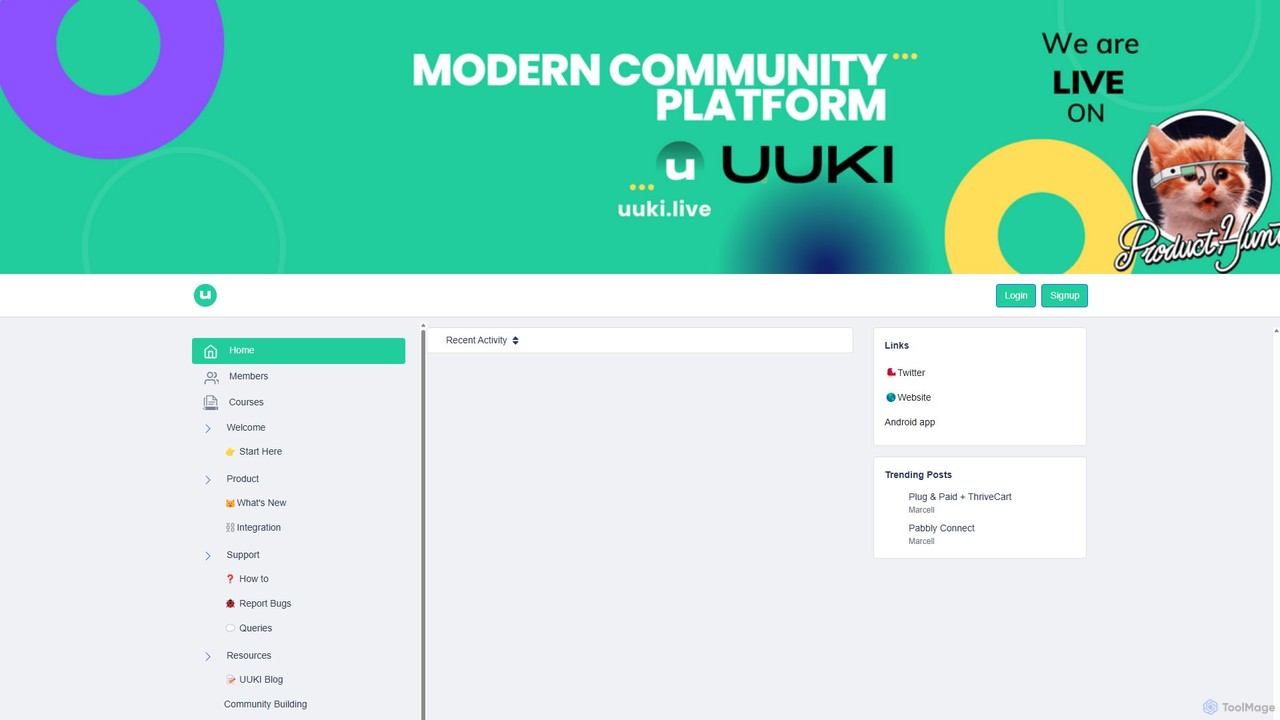
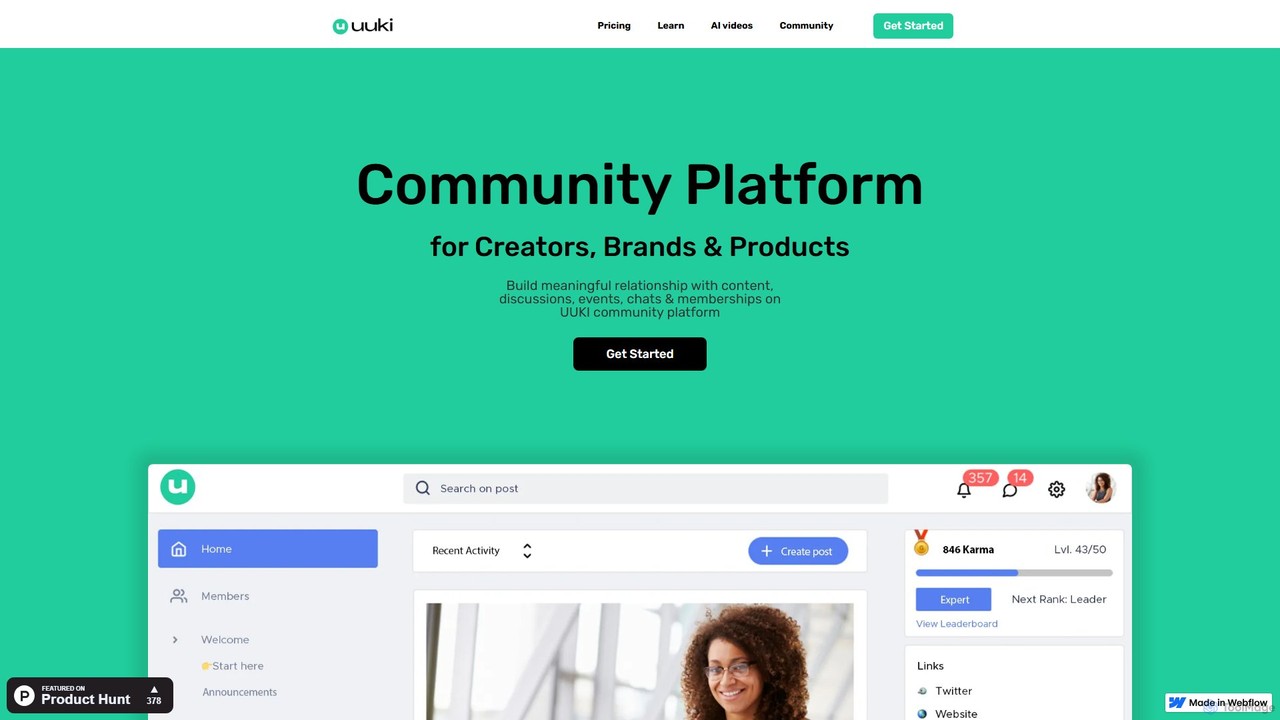
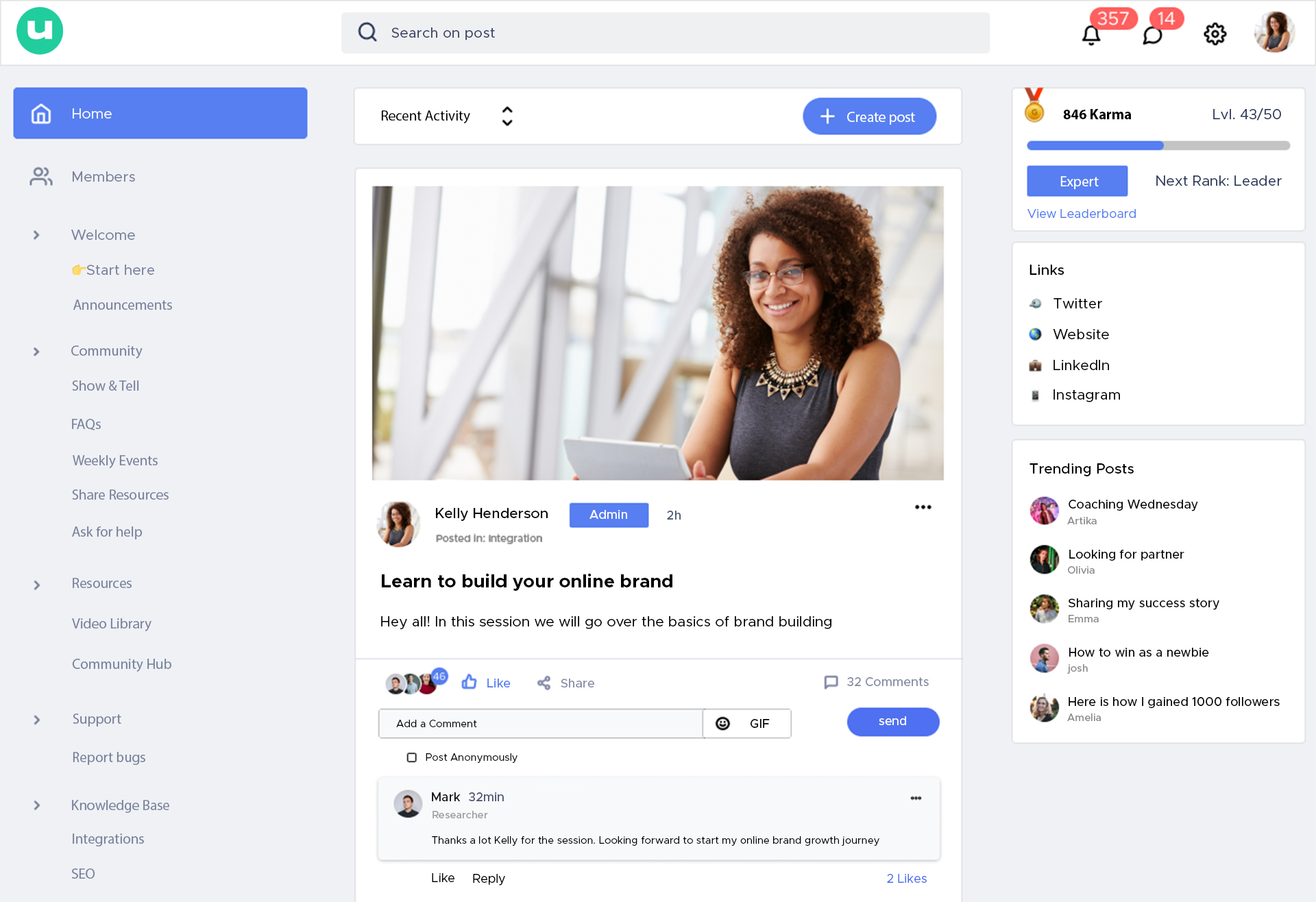
UUKI is an all-in-one community platform for creators, brands, and Web3 projects. It enables you to build, grow, and monetize your audience by combining discussions, memberships, online courses, and events in a single, white-labeled space. It also features modern capabilities like NFT-gated access for exclusive content.

Community Building
Visits 3.5KFavorites 119Likes 125
UUKI
Freemium

UUKI

UUKI is an all-in-one community platform designed for creators, brands, and Web3 projects. It enables users to build, engage, and monetize their audience through features like online courses, live events, memberships, and discussions, with strong support for customization and Web3 integrations.

Platform
Visits 17KFavorites 101Likes 91
itoka
Freemium

itoka

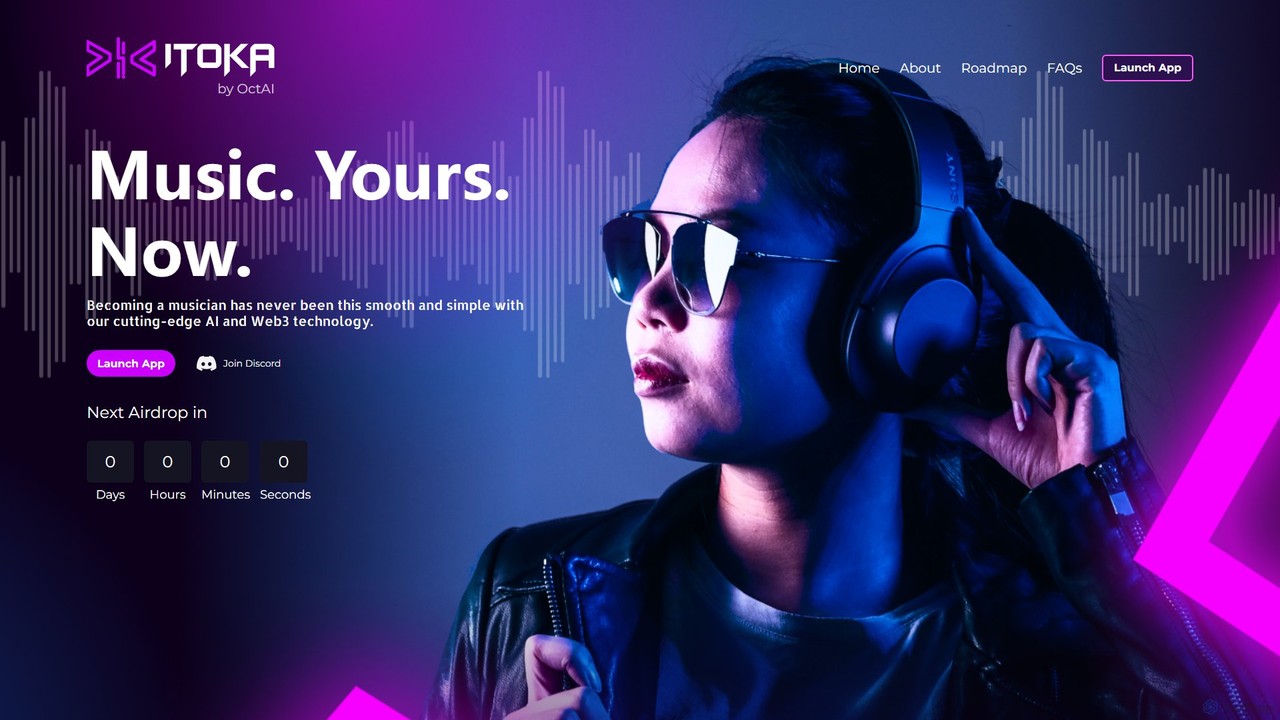
itoka is a pioneering platform that merges AI music generation with Web3 technology. It empowers users, regardless of their musical background, to create unique, customizable music tracks. These creations can then be minted as NFTs, granting ownership and enabling users to share, enjoy, and potentially earn revenue from their music in metaverses and games.

Music Generation
Visits 3.4KFavorites 105Likes 109
Vagabond AI
Freemium

Vagabond AI

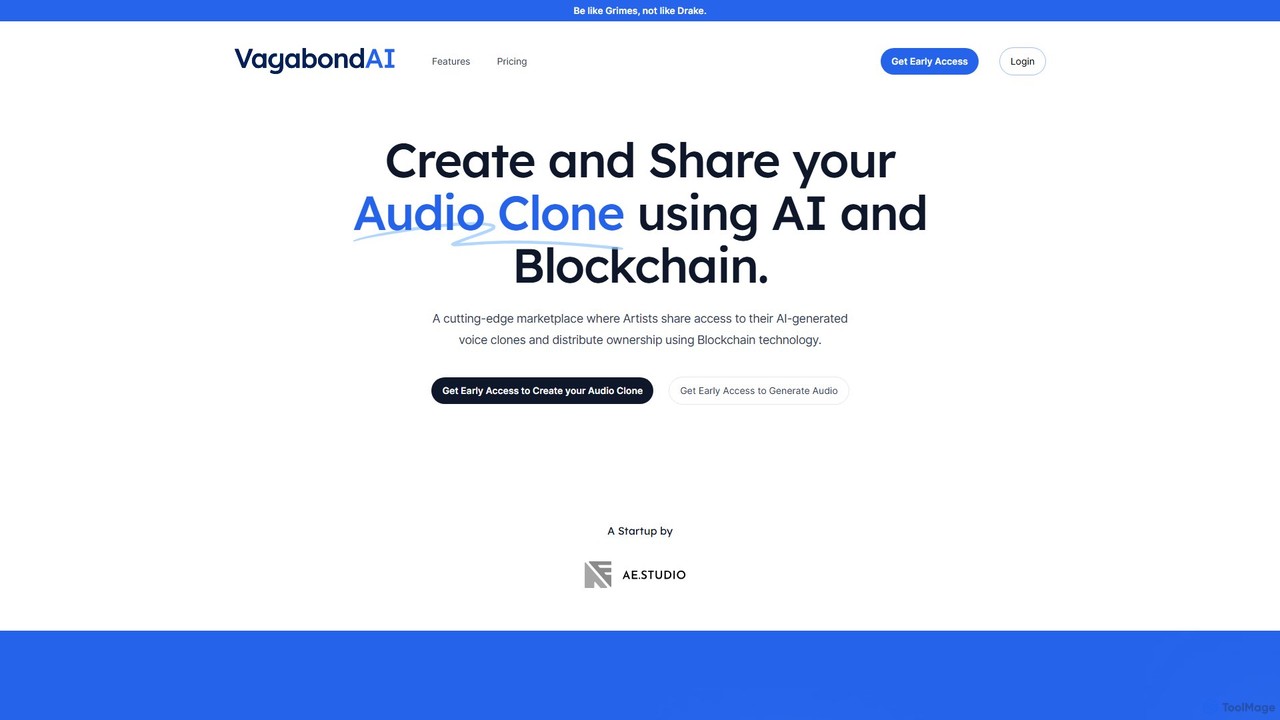
Vagabond AI is a cutting-edge marketplace for creating and sharing AI voice clones. It uniquely combines deep neural networks for voice replication with blockchain technology to manage ownership and royalties through NFTs, empowering artists and creators to collaborate and monetize their vocal assets securely.

Voice Cloning
Visits 3.4KFavorites 98Likes 94
MyCharacter.AI
Freemium

MyCharacter.AI

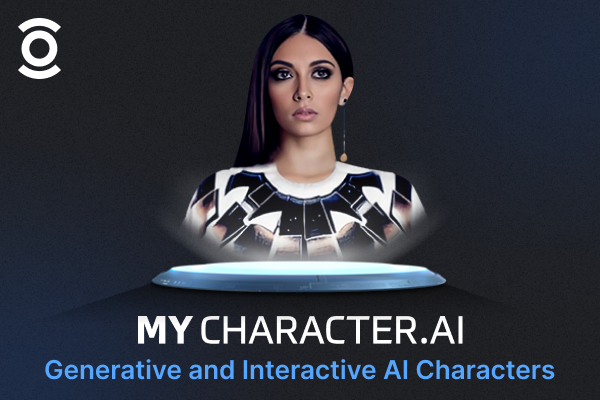
MyCharacter.AI is a decentralized application (dApp) that uses the powerful CharacterGPT V2 AI system to generate interactive, multimodal AI characters from simple text prompts. These characters can be customized, owned as NFTs on the Polygon blockchain, and integrated into various digital experiences, including games, social media, and brand representation. It simplifies advanced AI, making character creation accessible to everyone.

Character Generator
Visits 9.3KFavorites 135Likes 126
AtlasNavi
Freemium

AtlasNavi

AtlasNavi is an AI-powered navigation app that combines real-time traffic analysis with a 'Drive-to-Earn' blockchain model. Using your smartphone's camera, it detects road hazards, traffic, and police, providing smarter routes. Users can own licensed 3D vehicle NFTs to enhance their earnings and customize their in-app experience, while also benefiting from features like a dashcam, group trips, and live streaming.

Travel
Visits 5.3KFavorites 121Likes 112
Cheap NFT Art
Freemium

Cheap NFT Art

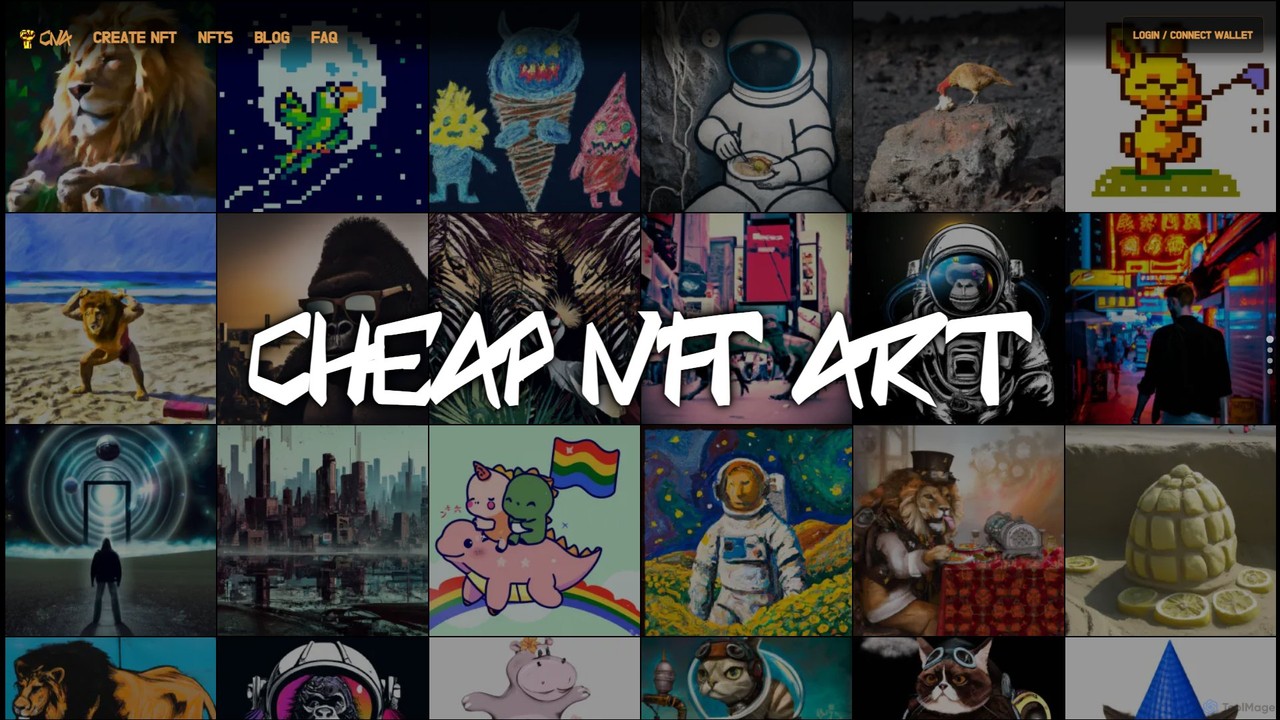
Cheap NFT Art is an AI-powered platform that empowers anyone to create unique digital art from text prompts and mint it as an affordable NFT. It aims to democratize the NFT space, making digital ownership accessible to everyone, not just the wealthy.

Ai Art Generator
Visits 3.5KFavorites 125Likes 123
Raily
Freemium

Raily

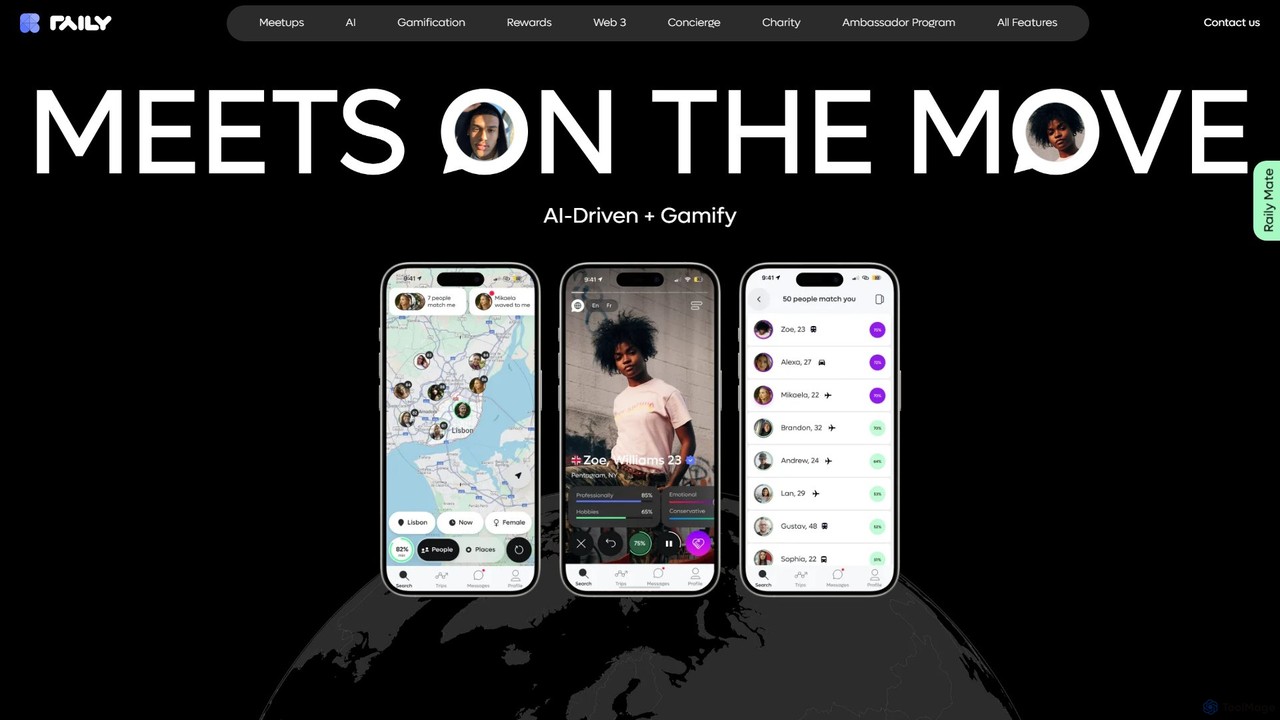
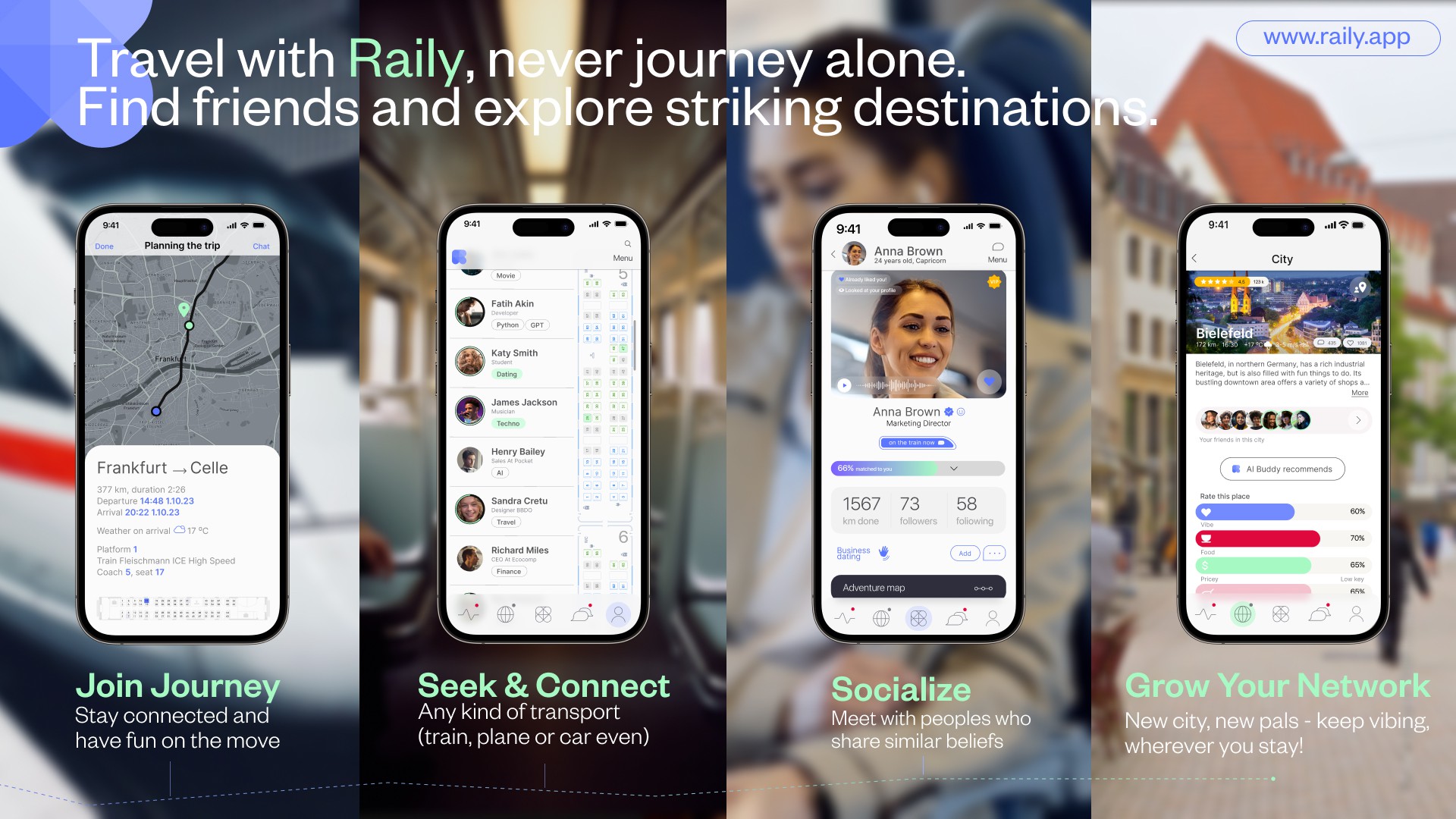
Raily is an AI-driven travel and social networking app that connects like-minded people on the move. It combines deep AI matchmaking, a travel concierge, and a gamified Web3 ecosystem with NFTs and rewards to transform lonely journeys into shared adventures.

Dating
Visits 8.9KFavorites 128Likes 105

About Nft

AI NFT tools are applications that leverage artificial intelligence to create, manage, and analyze Non-Fungible Tokens. These tools utilize generative models to produce unique digital art and metadata, and employ data analytics to track market trends and asset rarity. They empower creators to launch large-scale collections efficiently and provide investors with data-driven insights within the Web3 ecosystem. This fusion of AI and blockchain technology streamlines the entire NFT lifecycle, from conception to market analysis.

Core Features

  • Generative Art Creation: Automatically produces unique images, videos, or music from text prompts or style inputs for NFT collections.
  • Trait & Metadata Generation: Systematically generates thousands of unique attribute combinations and corresponding metadata for PFP projects.
  • Market & Rarity Analysis: Analyzes on-chain data to identify market trends, predict floor prices, and calculate the rarity of individual NFTs within a collection.
  • Smart Contract Automation: Assists in generating or auditing smart contract code, helping to identify potential vulnerabilities before deployment.

Use Cases

AI NFT tools are primarily used by digital artists and project founders to create generative art collections. Game developers utilize them to produce unique in-game assets at scale. NFT investors and analysts rely on these tools for market intelligence, rarity sniping, and identifying emerging trends. Marketing agencies also use them to create unique digital collectibles for promotional campaigns.

How to Choose

When selecting an AI NFT tool, first consider its primary function: art generation, data analysis, or contract management. Evaluate the quality and style of the AI's output for creative projects. For analytics, assess the accuracy of the data and the number of supported blockchains. Also, consider the user interface's complexity—whether it's a no-code platform for beginners or an API for developers—and the pricing model, such as subscription-based or pay-per-use.

Featured tool rankings

Nft use cases

1

Generate a 10K PFP NFT Collection

A digital artist or project founder wants to launch a Profile Picture (PFP) collection of 10,000 unique characters. Instead of manually designing each one, they use an AI NFT generator. They upload base layers for different traits like background, body, clothing, and accessories. The AI tool then programmatically combines these layers, ensuring no two images are identical and adhering to predefined rarity rules for certain traits. This process reduces creation time from months to a few hours, automatically generating all images and their corresponding metadata files ready for minting.

2

Analyze NFT Market for Investment Opportunities

An NFT investor aims to find the next breakout collection before it becomes popular. They use an AI-powered analytics platform that scans multiple blockchains in real-time. The tool's AI analyzes wallet activities, social media sentiment, and trading volumes to identify collections with growing momentum. It can flag unusual buying patterns from influential wallets ('whale tracking') and predict potential floor price increases. This allows the investor to make data-driven decisions, moving beyond hype and discovering undervalued assets with high growth potential.

3

Create Dynamic In-Game NFT Assets

A game development studio is building a blockchain-based game where in-game items are NFTs. To make the items more engaging, they use AI to create 'dynamic NFTs'. For example, an AI can alter the appearance of a sword NFT based on the number of battles it has won, or upgrade a character's armor NFT when the player reaches a new level. The AI processes in-game data and updates the NFT's metadata on-chain or off-chain, creating a personalized and evolving gaming experience for each player without manual intervention from developers.

4

Generate AI Art from Text for 1/1 NFTs

A fine artist wants to explore a new medium by creating unique, one-of-a-kind (1/1) art pieces as NFTs. They use an advanced AI art generator, inputting complex text prompts that describe abstract concepts, emotions, or surreal scenes. The AI interprets these prompts and generates high-resolution images that would be difficult or impossible to create manually. The artist can iterate rapidly, refining prompts to achieve their desired aesthetic. This allows them to produce a diverse portfolio of unique digital artworks, each with a distinct conceptual foundation, ready to be minted and sold on art-focused NFT marketplaces.

5

Automate NFT Community Management

A team managing a large NFT project needs to keep their Discord community of thousands of members engaged and informed. They deploy an AI-powered community management bot. This bot can answer frequently asked questions about mint dates and roadmap updates, moderate conversations by filtering spam and inappropriate content, and even run automated giveaways or quizzes. The AI understands natural language, allowing it to handle a wide range of member queries, freeing up the human team to focus on strategic community growth and holder engagement initiatives.

6

Audit Smart Contracts for Security Vulnerabilities

Before launching an NFT collection, a project team needs to ensure their smart contract is secure to protect user funds. They use an AI-powered smart contract auditing tool. The developer uploads their Solidity code to the platform. The AI then scans the code line-by-line, comparing it against a vast database of known vulnerabilities, exploits, and best practices. It can identify potential risks like reentrancy attacks or integer overflows much faster than a manual audit. The tool generates a detailed report with actionable recommendations, allowing the team to patch vulnerabilities before deployment, enhancing trust and security for their community.

Nft FAQ

What are AI NFT tools?

AI NFT tools are software applications that use artificial intelligence to streamline processes related to Non-Fungible Tokens (NFTs). Their primary functions fall into three categories: creation, analysis, and management. For creation, they use generative AI to produce unique art and metadata for large collections. For analysis, they process vast amounts of blockchain data to provide market insights, track trends, and assess NFT rarity. For management, they can help automate community moderation or audit smart contracts for security flaws. These tools empower both creators and collectors in the Web3 space.

How to choose the right AI NFT tool?

Choosing the right AI NFT tool depends on your specific goal. Consider these factors:

  • Purpose: Are you creating a PFP collection, analyzing market data, or developing a game? Select a tool specialized for that task.
  • Quality of Output: For creative tools, review sample outputs to ensure the AI's style aligns with your vision. For analytics tools, check data accuracy and the depth of insights.
  • Ease of Use: Determine if you need a user-friendly, no-code interface or a more powerful API for integration into your own applications.
  • Blockchain Support: Ensure the tool supports the blockchain you plan to use, such as Ethereum, Solana, or Polygon.
  • Cost: Compare pricing models. Some charge a monthly subscription, while others operate on a pay-per-generation or pay-per-query basis.
What's the difference between an AI NFT generator and a standard digital art tool?

The core difference lies in automation and scale. A standard digital art tool, like Adobe Photoshop or Procreate, is a manual canvas where an artist creates each piece individually. It provides brushes, layers, and effects for direct manipulation.

An AI NFT generator, on the other hand, is designed for programmatic creation at scale. The artist provides the inputs (e.g., art layers, text prompts, style guides), and the AI algorithm generates hundreds or thousands of unique variations. It excels at creating large, cohesive collections where each piece is a unique combination of predefined traits, a task that would be prohibitively time-consuming to do manually.

Can AI tools guarantee the success of an NFT project?

No, AI tools cannot guarantee success. They are powerful enablers that can significantly improve efficiency, creativity, and decision-making, but they do not replace the need for a strong project foundation. The success of an NFT project still depends heavily on factors like the quality of the art and concept, a clear roadmap and utility for holders, effective marketing, and robust community building. An AI tool can help generate 10,000 images quickly, but it cannot create genuine community hype or a compelling long-term vision on its own.

Who are the primary users of AI NFT tools?

The primary users of AI NFT tools span several groups within the Web3 ecosystem:

  • Digital Artists & Creators: They use AI to generate large art collections, explore new creative styles, and automate the tedious process of creating variations.
  • NFT Project Founders: They leverage these tools for art generation, metadata creation, smart contract auditing, and community management to launch their projects efficiently.
  • NFT Investors & Traders: They use AI analytics platforms to gain a competitive edge by identifying trends, tracking wallets, and assessing rarity before making investment decisions.
  • Game Developers: They utilize AI to create vast quantities of unique in-game assets (NFTs) and to build dynamic NFTs that evolve with gameplay.