ToolMage
Sign in

Best 6 Idea Generation AI tools for Writing

Popular Idea Generation AI tools in Writing include Seenapse, Dim, AhaApple, Nexus, Inspiq, and Quivoai, helping you work more efficiently.

Dim

Dim

Dim is an innovative app designed as a digital sanctuary for your mind, helping you effortlessly capture, connect, house, and celebrate your thoughts. It simplifies idea organization through intuitive tagging and free-form writing, fostering mental clarity and structured thinking.

Mindfulness
Visits 8.4KFavorites 112Likes 125
Nexus
Freemium

Nexus

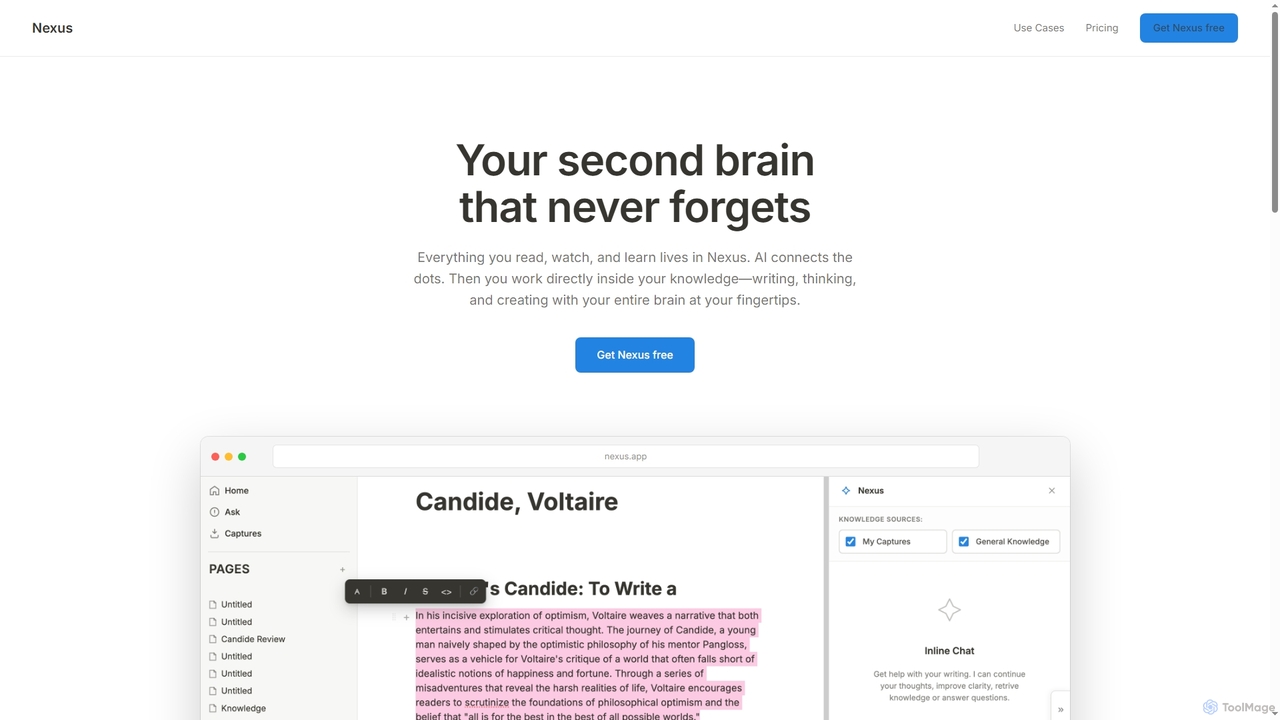
Nexus is an AI-powered second brain designed to capture, connect, and create knowledge. It helps users remember everything they read, watch, and learn, using AI to link concepts and provide a comprehensive context for writing, thinking, and creating.

Research
Visits 5.1KFavorites 111Likes 103
Quivoai
Freemium

Quivoai

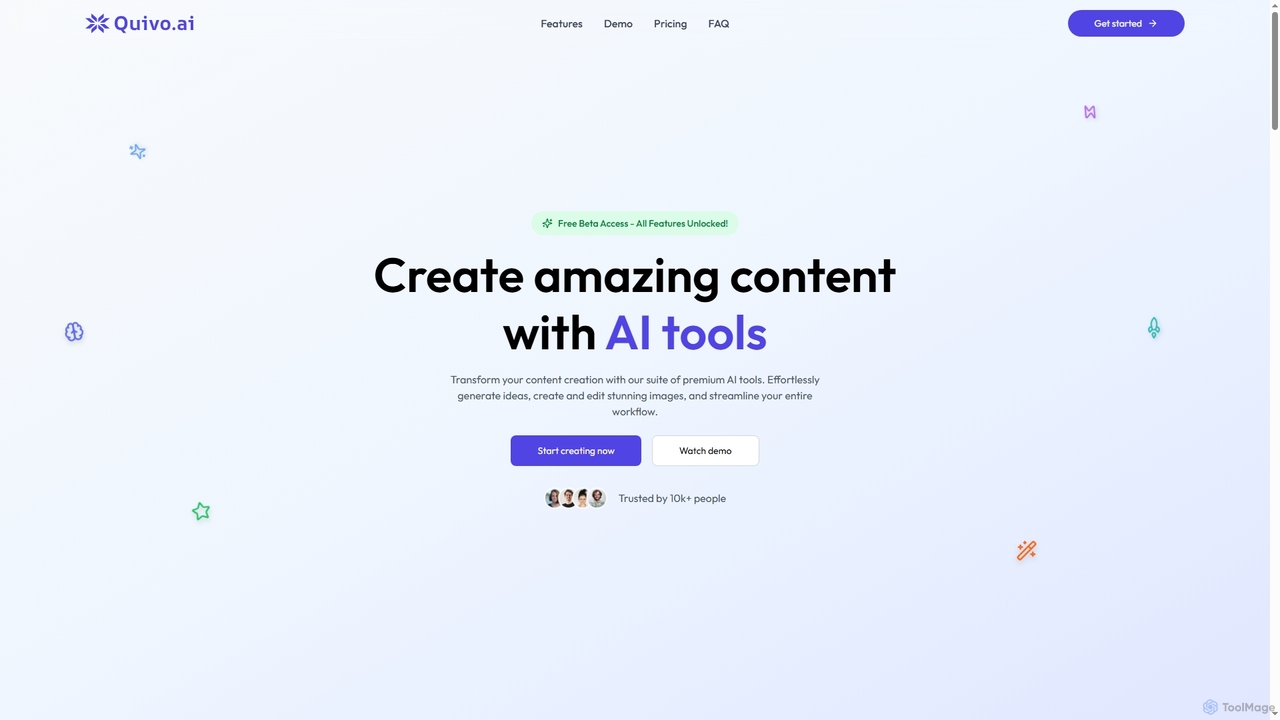
Quivoai is an AI-powered creative suite designed to streamline content creation. It offers a range of tools for generating ideas, creating and editing images, and reviewing resumes, helping creators and marketers produce high-quality content efficiently.

Resume
Visits 4.8KFavorites 158Likes 138
Inspiq
Free

Inspiq

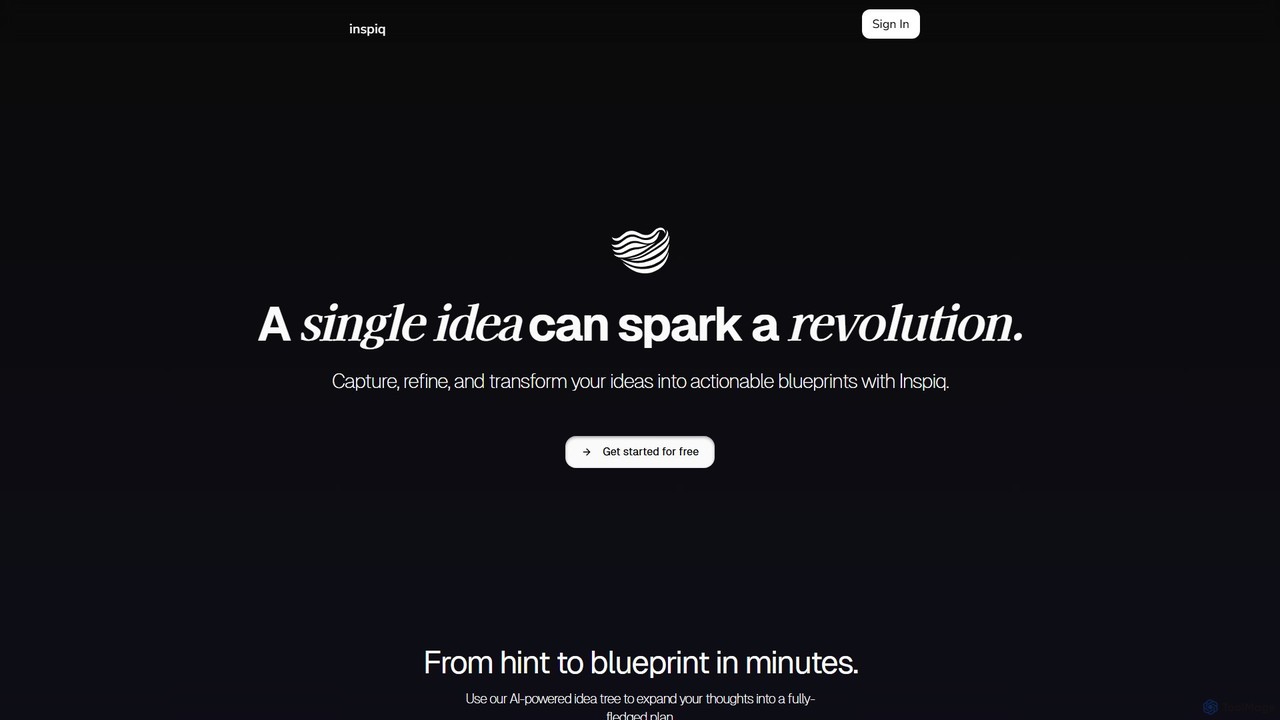
Inspiq is an AI-powered brainstorming tool that transforms a single idea into a detailed, actionable plan. Using an interactive "idea tree," it helps users capture, refine, and visually structure their thoughts. Ideal for entrepreneurs, writers, students, and creatives, it expands simple concepts into comprehensive blueprints, overcoming mental blocks and accelerating the planning process.

Planning
Visits 5KFavorites 148Likes 151
AhaApple
Freemium

AhaApple

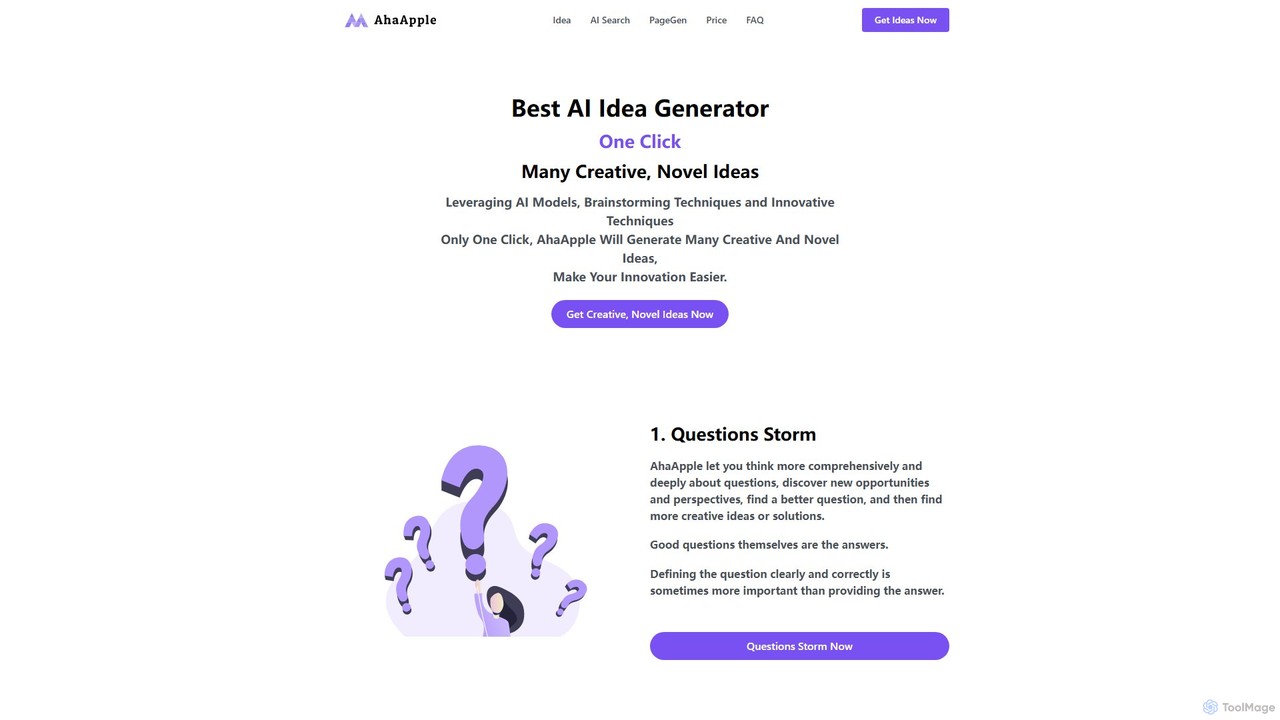
AhaApple is an AI-powered idea generator that leverages multiple brainstorming techniques to spark creativity. It helps users generate, evaluate, visualize, and elaborate on novel ideas from text and images, streamlining the entire innovation process.

Content Creation
Visits 5.2KFavorites 142Likes 130
Seenapse
Freemium

Seenapse

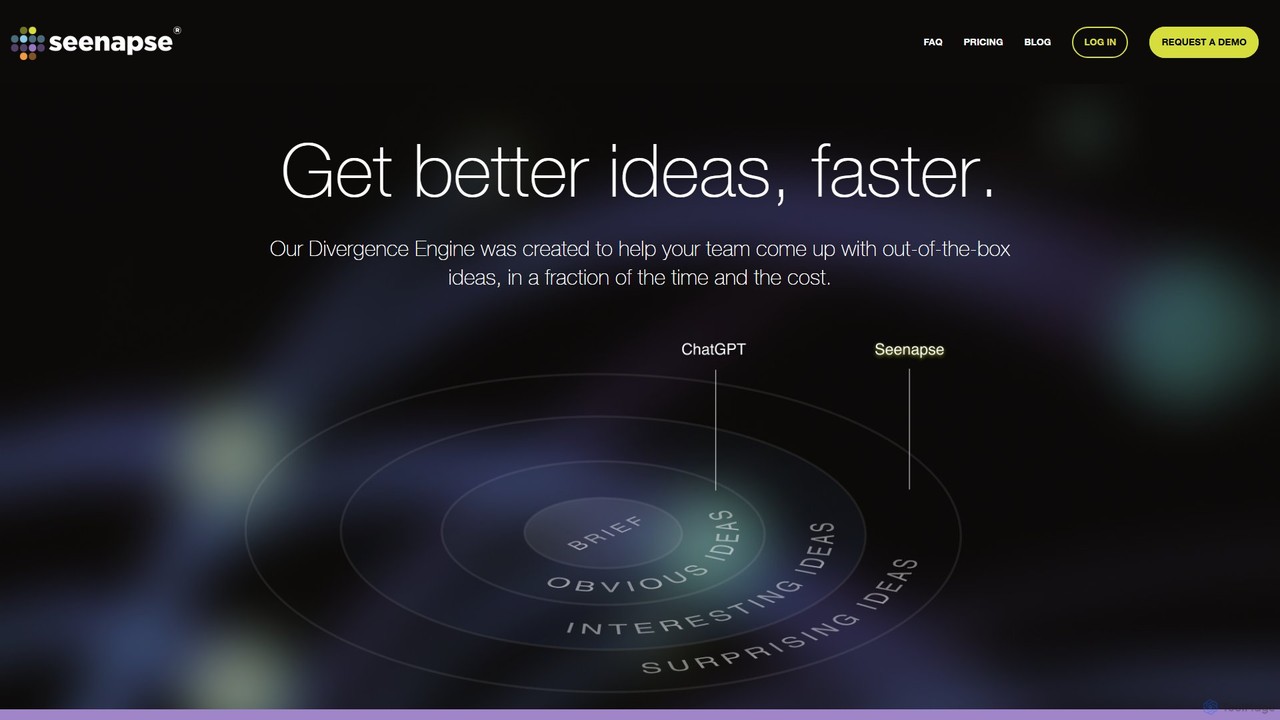
Seenapse is an AI-powered ideation platform designed for creative teams. It utilizes a proprietary Divergence Engine to generate original, non-obvious ideas, moving beyond the predictable responses of standard LLMs. It offers a non-linear, collaborative workspace to help teams brainstorm more effectively and accelerate the creative process.

Advertising
Visits 11.4KFavorites 109Likes 113

About Idea Generation

AI Idea Generation tools are AI-powered applications designed to stimulate creativity and generate novel concepts for various content types and projects. These tools leverage advanced natural language processing (NLP) and large language models to analyze user prompts, suggest diverse topics, outlines, keywords, and creative angles. They help users overcome creative blocks, explore different perspectives, and accelerate the initial stages of content planning and development, providing structured brainstorming and unexpected insights.

Core Features

  • Keyword & Topic Suggestion: Generates relevant keywords, topics, and sub-topics based on initial input.
  • Outline Generation: Creates structured content outlines for articles, essays, or presentations.
  • Brainstorming Prompts: Offers creative prompts and questions to spark new ideas and directions.
  • Concept Expansion: Develops initial ideas into more detailed concepts, narratives, or project briefs.
  • Audience-Specific Ideas: Tailors idea suggestions to target specific demographics, interests, or platforms.

Use Cases

Content creators frequently use these tools to plan blog posts, social media campaigns, or video scripts. Marketers leverage them to discover fresh angles for ad copy, product descriptions, or campaign themes. Students and researchers find them invaluable for brainstorming essay topics, thesis questions, or research project outlines, ensuring a steady flow of innovative and relevant concepts.

How to Choose

When selecting an AI Idea Generation tool, consider the variety and quality of ideas it produces, ensuring they are relevant and diverse. Evaluate its customization options, such as the ability to refine prompts, specify tone, or target audience. Look for seamless integration with your existing writing or project management tools, and assess the user interface for ease of use and how well it fits into your creative workflow.


Idea Generation use cases

1

Generate Blog Post Ideas for Niche Topics

A content creator or blogger specializing in a niche market (e.g., sustainable living, indie games) often faces writer's block when trying to consistently produce fresh and engaging content. By inputting core keywords and target audience demographics into an AI idea generation tool, they can quickly receive a list of diverse blog post titles, sub-topics, and unique angles. This helps maintain a steady content pipeline, ensures relevance to their audience, and saves hours typically spent on manual brainstorming, leading to more consistent publishing schedules.

2

Develop Marketing Campaign Concepts for New Products

Marketing professionals launching a new product or service need innovative and compelling campaign concepts to capture audience attention. By feeding product features, target demographics, and desired brand messaging into an AI idea generation tool, they can quickly explore various creative angles, taglines, and content themes. This process helps generate a wide array of marketing narratives, identify unique selling propositions, and accelerate the initial creative brief stage, ensuring campaigns are fresh and impactful.

3

Brainstorm Essay Topics or Research Questions for Academia

Students and academic researchers often struggle to find unique and defensible topics for essays, theses, or research papers. An AI idea generation tool can assist by taking broad subjects (e.g., 'climate change impacts,' 'digital ethics') and generating specific, nuanced research questions or essay prompts. This helps to narrow down vast fields of study, identify potential gaps in existing literature, and provide a strong foundation for academic inquiry, saving significant time in the initial conceptualization phase.

4

Generate Innovative Features or Naming Ideas for New Apps

Product developers and UX designers working on new applications often need a burst of creativity for features, user flows, or even app names. By inputting the app's core purpose, target users, and desired functionalities into an AI idea generation tool, they can receive a diverse range of suggestions. This includes innovative feature concepts (e.g., 'AI-driven task prioritization'), creative naming options, and unique user experience elements, significantly accelerating the product conceptualization and branding phases.

5

Develop Plot Points or Character Backstories for Creative Writing

Authors, screenwriters, and game designers often encounter creative blocks when developing intricate plot points, compelling character backstories, or unexpected narrative twists. An AI idea generation tool can serve as a powerful co-creator, taking initial story premises or character archetypes and suggesting diverse scenarios, motivations, or conflicts. This helps to overcome writer's block, add depth and complexity to fictional worlds, and explore alternative narrative paths, enriching the creative writing process.

6

Create Engaging Lesson Plan Topics or Workshop Themes

Educators, trainers, and workshop facilitators constantly need fresh and engaging topics to keep their audience interested and informed. By inputting the subject matter, target learning outcomes, and audience level into an AI idea generation tool, they can quickly generate a variety of lesson plan titles, module themes, and interactive activity concepts. This streamlines curriculum development, ensures content relevance, and helps design more dynamic and impactful educational experiences for students or professionals.

Idea Generation FAQ

What are AI Idea Generation tools?

AI Idea Generation tools are software applications that use artificial intelligence, primarily natural language processing (NLP) and machine learning, to assist users in brainstorming, discovering, and developing new concepts, topics, and creative content. They analyze user prompts and existing data to suggest diverse ideas, outlines, keywords, and angles, helping to overcome creative blocks and accelerate the initial stages of content creation or project planning.

How do AI Idea Generation tools work?

These tools typically work by taking a user's initial input (e.g., keywords, a brief description, a topic) and processing it through advanced AI models, often large language models (LLMs). The AI then leverages its vast knowledge base and understanding of patterns in language to generate a range of related ideas, questions, outlines, or creative prompts. Some tools might also incorporate sentiment analysis or trend data to provide more relevant and timely suggestions.

What are the main benefits of using AI for idea generation?

The primary benefits include overcoming writer's block, accelerating the brainstorming process, exploring diverse perspectives that might not be immediately obvious, and ensuring a consistent flow of fresh content ideas. They can help users quickly generate multiple variations of an idea, identify niche topics, and structure initial concepts more effectively, saving significant time and boosting creativity.

How do AI Idea Generation tools differ from general AI Writing Assistants?

AI Idea Generation tools specifically focus on the initial conceptualization phase of content creation. Their main goal is to spark creativity, suggest topics, outlines, and angles. In contrast, general AI Writing Assistants (part of the broader "Writing" category) often focus on generating full drafts, refining existing text, grammar correction, or rephrasing. While some writing assistants may have idea generation features, dedicated idea generation tools prioritize breadth and novelty of concepts over drafting complete sentences or paragraphs.

Who can benefit most from AI Idea Generation tools?

A wide range of professionals and individuals can benefit. This includes content creators (bloggers, YouTubers, social media managers) who need a constant stream of fresh topics, marketing professionals developing campaign concepts, students and researchers brainstorming essay or thesis topics, product developers seeking innovative features or names, and even authors or screenwriters looking for plot twists or character ideas. Essentially, anyone facing a creative block or needing to quickly explore multiple conceptual directions.