Writing Best in category 7 results Research AI Tool

Popular AI tools in the Research field of Writing include duckduckgpt、BookAI.chat、BookNote.AI、simplemetrics、CosmosAI、Parafact AI, etc., helping you quickly improve efficiency.

Free
Duckduckgpt

Duckduckgpt

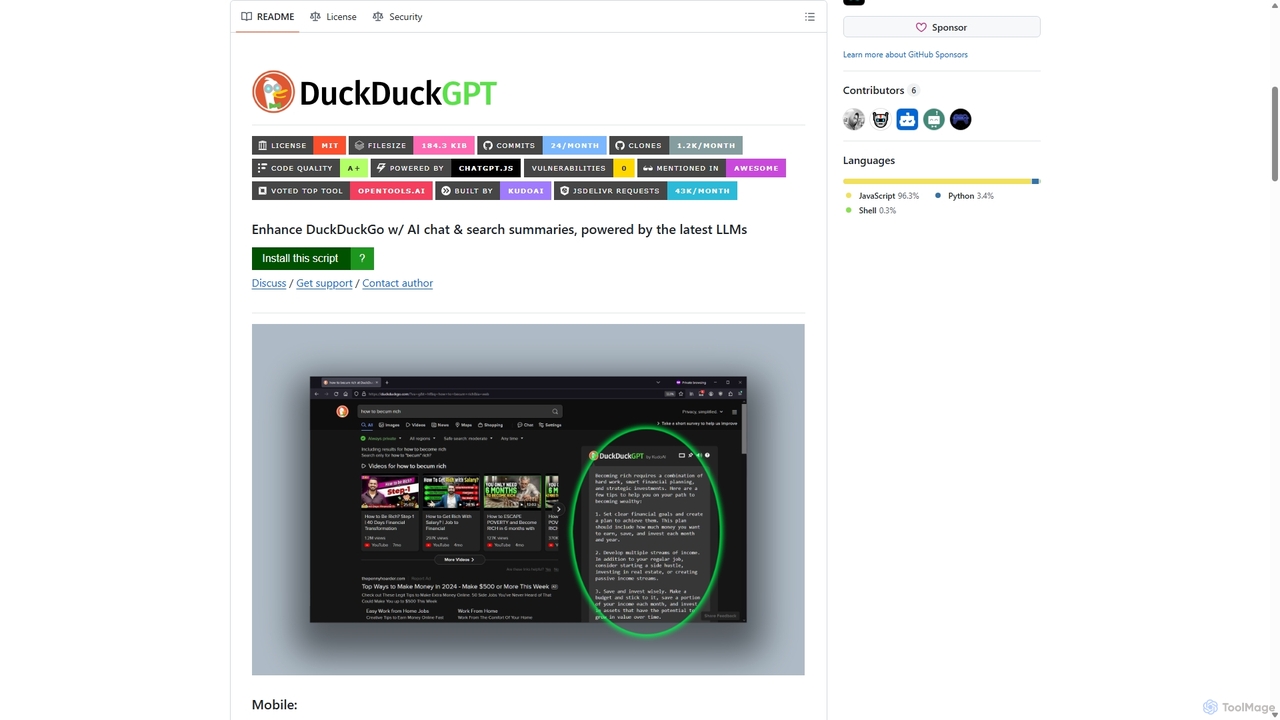
A powerful browser extension that supercharges the DuckDuckGo search engine with AI chat and search summaries. It seamlessly …

2.6K
BookAI.chat

BookAI.chat

BookAI.chat is an innovative AI-powered platform that allows you to have interactive conversations with any book. Simply provide …

5.8K
Parafact AI

Parafact AI

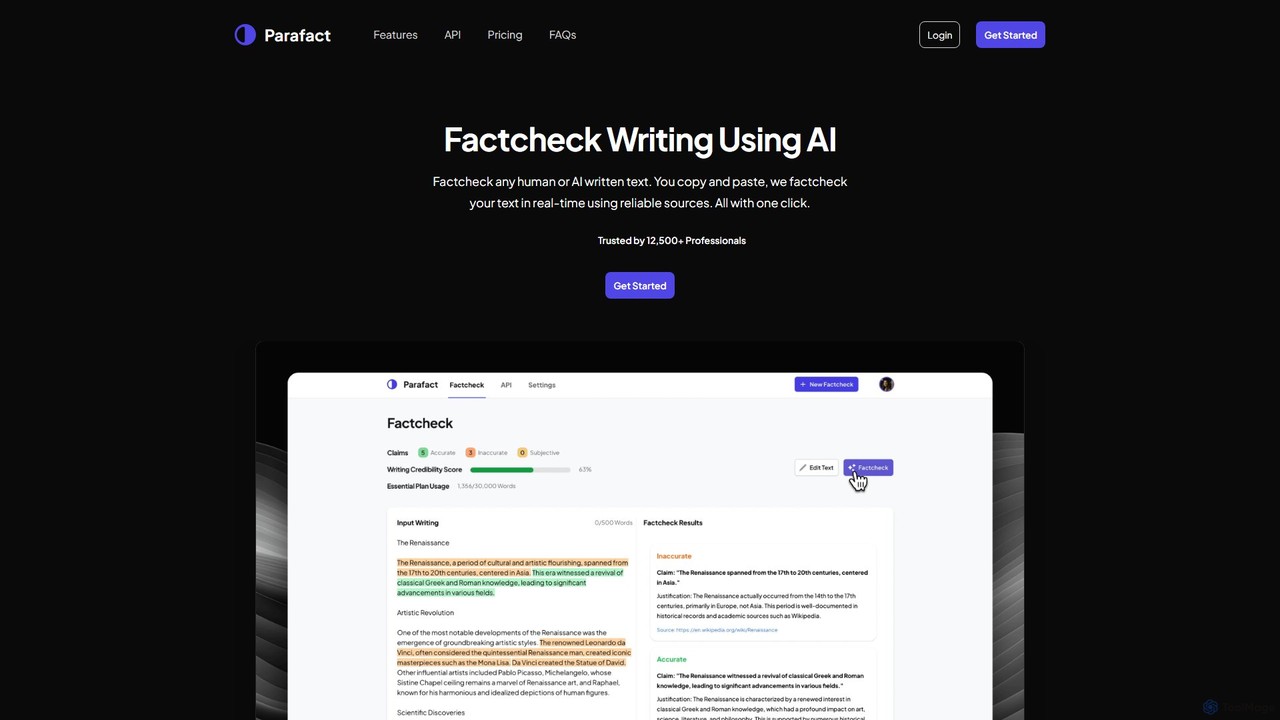
Parafact AI is an advanced AI-powered tool for real-time fact-checking of any written text. By pasting content, users …

2.6K
Free
duckduckgpt

duckduckgpt

A free, open-source browser extension that enhances DuckDuckGo search with AI-powered chat and summaries. It integrates seamlessly, providing …

51.5K
simplemetrics

simplemetrics

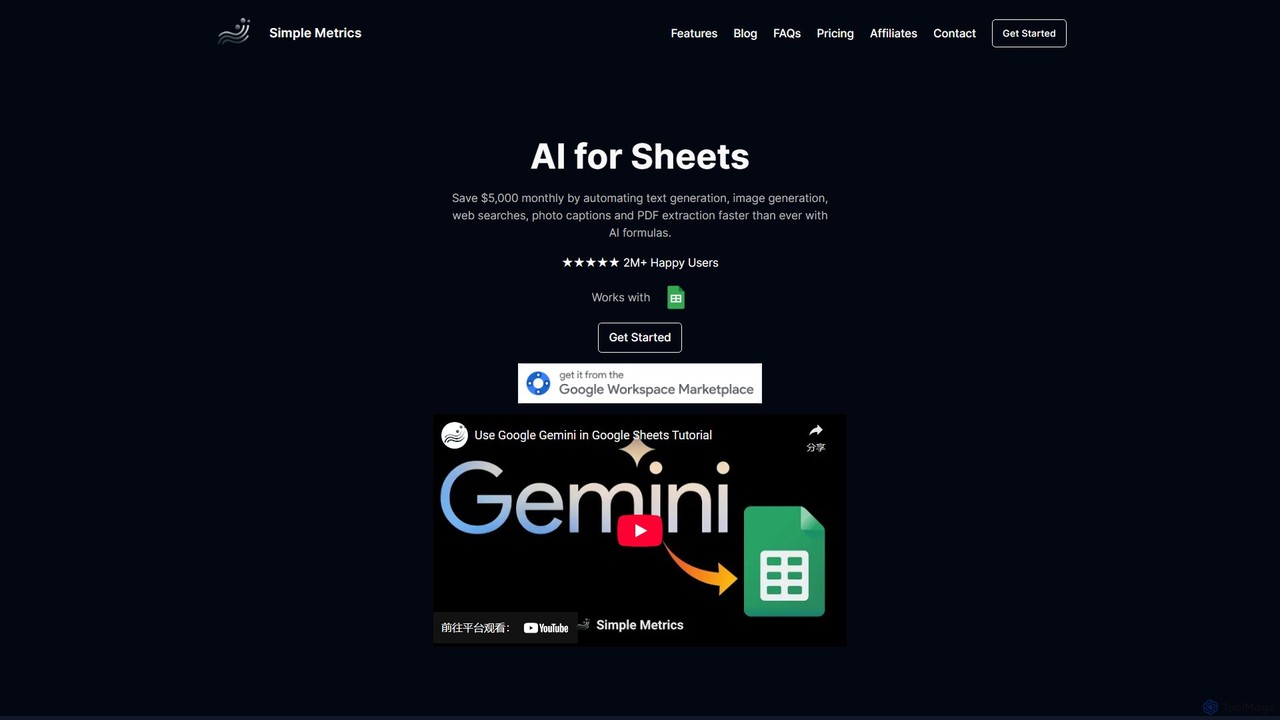
An AI-powered add-on for Google Sheets and Google Docs that automates tasks like text generation, data analysis, web …

3.3K
BookNote.AI

BookNote.AI

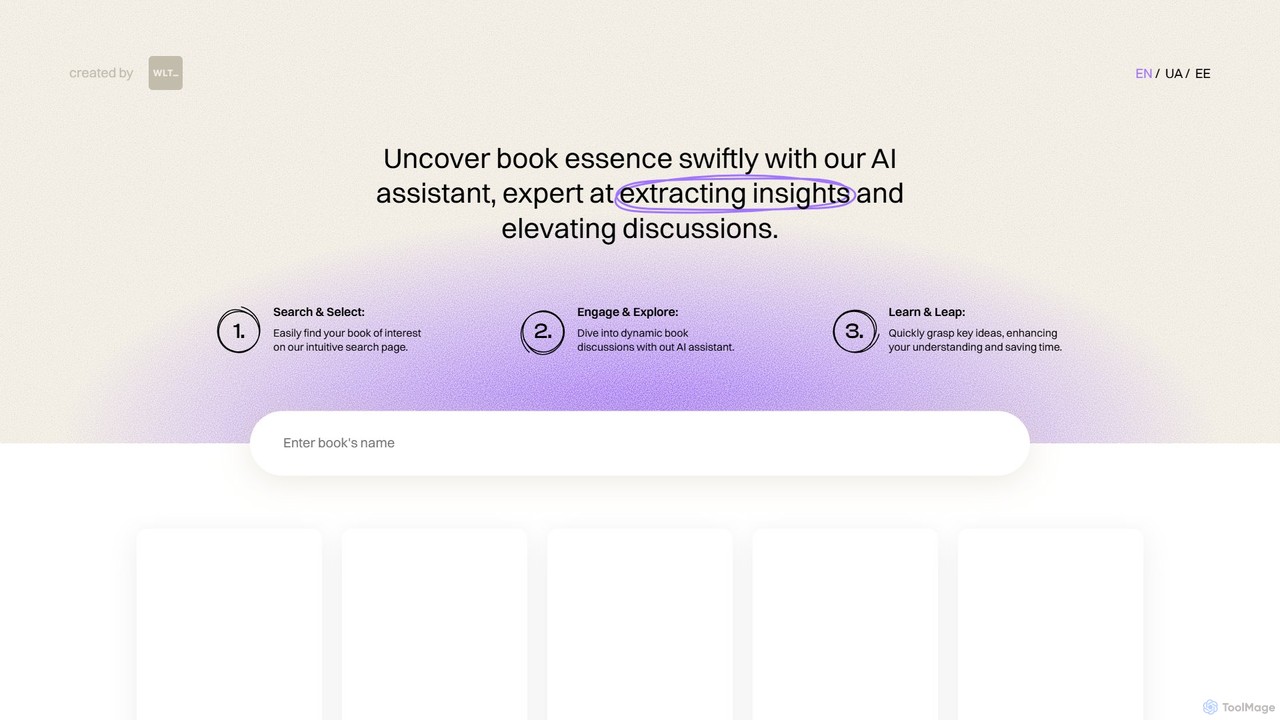
BookNote.AI is an AI-powered assistant designed to help you uncover the essence of any book in minutes. It …

5.1K
CosmosAI

CosmosAI

CosmosAI is an AI-powered knowledge and workflow automation platform that unifies your data from various sources. It allows …

2.6K

About Research

AI Research tools are AI-powered applications designed to streamline the information gathering, analysis, and synthesis phases of the writing process. Leveraging advanced natural language processing (NLP) and machine learning, these tools efficiently process vast amounts of data from diverse sources. They empower writers to quickly find relevant facts, summarize complex texts, and organize findings, significantly enhancing content accuracy and accelerating the pre-writing stage.

Core Features

  • Automated Information Retrieval: Quickly identifies and gathers relevant articles, studies, and data points from various online and offline sources.
  • Content Summarization: Condenses lengthy documents, research papers, and web pages into concise, digestible summaries, highlighting key arguments and findings.
  • Fact-Checking & Verification: Cross-references claims, statistics, and quotes against multiple credible sources to ensure accuracy and bolster content credibility.
  • Source Management & Citation: Helps organize research materials, track sources, and generate citations in various academic or professional formats.
  • Outline & Structure Generation: Assists in structuring research findings into logical outlines, providing a solid framework for articles, reports, or academic papers.

Applicable Scenarios

These tools are invaluable for content creators, academic researchers, journalists, and marketing professionals who require efficient and accurate information processing. They are particularly useful when drafting in-depth articles, compiling literature reviews, verifying data for news reports, or preparing comprehensive market analyses.

How to Choose

When selecting an AI research tool, consider its data source coverage and credibility, the quality and conciseness of its summarization capabilities, and its integration with your existing writing or project management software. Evaluate its ability to manage sources, generate citations, and export findings in usable formats, alongside its overall ease of use and pricing model.

ResearchUse Cases

1

Automating Literature Reviews for Academic Papers

Academic researchers and students can utilize AI research tools to rapidly identify, summarize, and categorize hundreds of scholarly articles relevant to their thesis or dissertation. By inputting research questions, the AI can pinpoint key studies, extract main arguments, and organize findings by theme, drastically reducing the time spent on manual literature review and enabling a more focused analysis for their writing.

2

Enhancing Fact-Checking for Journalistic Reporting

Journalists and news writers leverage AI research tools to verify facts, statistics, and quotes before publication. The AI can cross-reference information against a multitude of reputable sources in real-time, flagging inconsistencies or unverified claims. This ensures the accuracy and credibility of news reports, saving critical time in fast-paced news cycles and upholding journalistic integrity.

3

Streamlining Content Brief Creation for Marketing

Marketing teams and content strategists use AI research tools to gather comprehensive data for content briefs. By analyzing competitor content, industry trends, and target audience queries, the AI can identify key topics, relevant statistics, and high-ranking keywords. This enables the creation of data-driven content briefs that guide writers to produce highly effective and SEO-optimized marketing materials.

4

Rapid Data Extraction for Business Reports

Business analysts and report writers employ AI research tools to quickly extract critical data points from extensive industry reports, financial statements, and market analyses. The AI can identify key performance indicators, growth trends, and competitive insights, summarizing complex information into actionable bullet points. This accelerates the drafting of strategic business reports and presentations, facilitating quicker decision-making.

5

Generating Structured Outlines for Blog Posts

Bloggers and content creators use AI research tools to transform raw research notes and ideas into well-structured outlines for their articles. After gathering information on a topic, the AI can suggest logical headings, subheadings, and key points, ensuring a coherent flow and comprehensive coverage. This helps overcome writer's block and provides a solid foundation for drafting engaging and informative blog content.

6

Supporting Grant Proposal Research and Writing

Grant writers and non-profit organizations utilize AI research tools to efficiently gather supporting data and evidence for grant proposals. The AI can identify relevant demographic statistics, impact studies, and funding trends, summarizing complex information to strengthen the proposal's arguments. This streamlines the research phase, allowing writers to focus on crafting compelling narratives that increase funding success rates.

ResearchFrequently Asked Questions