ToolMage
Sign in

Best 5 Scriptwriting AI tools for Writing

Popular Scriptwriting AI tools in Writing include RivetAI, DeepStory, aiscreenwriter, CreatifyOne, and ViralVid360, helping you work more efficiently.

ViralVid360
Paid

ViralVid360

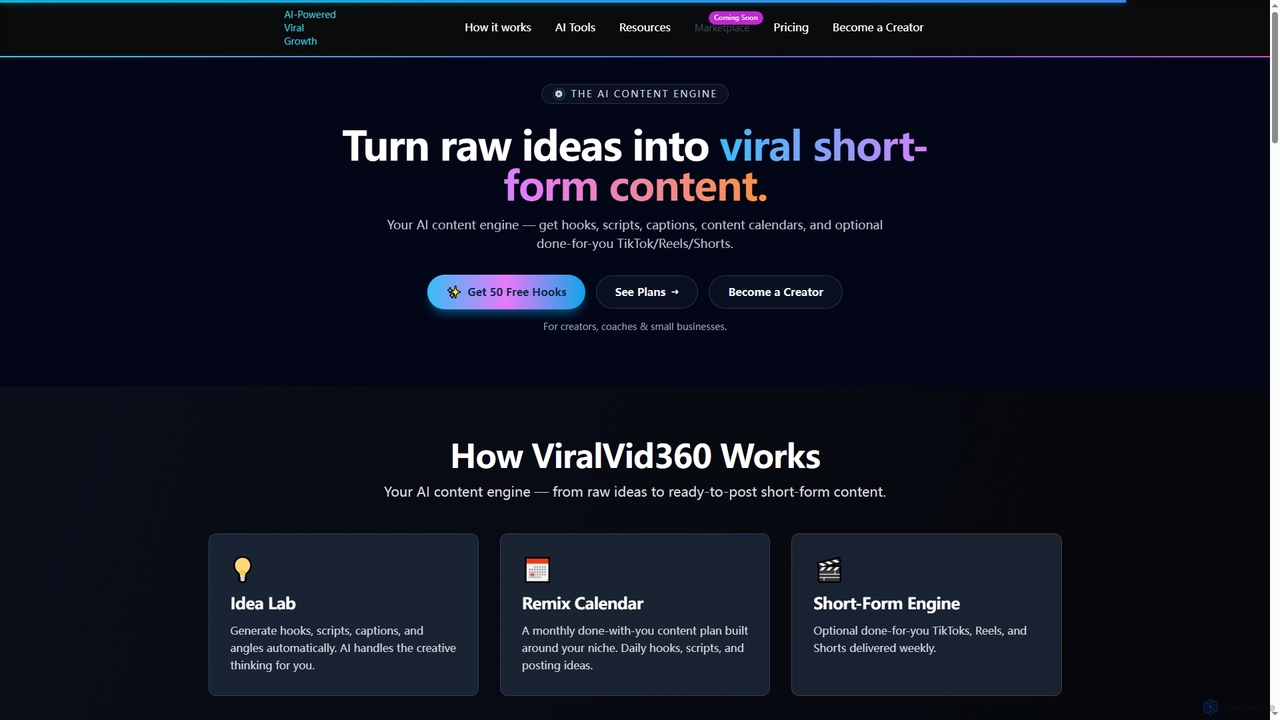
ViralVid360 is an AI content engine designed for creators, coaches, and small businesses to transform raw ideas into viral short-form videos for platforms like TikTok, Reels, and Shorts. It automates content generation, planning, and optimization.

Social Media Analytics
Visits 3.4KFavorites 133Likes 134
RivetAI
Freemium

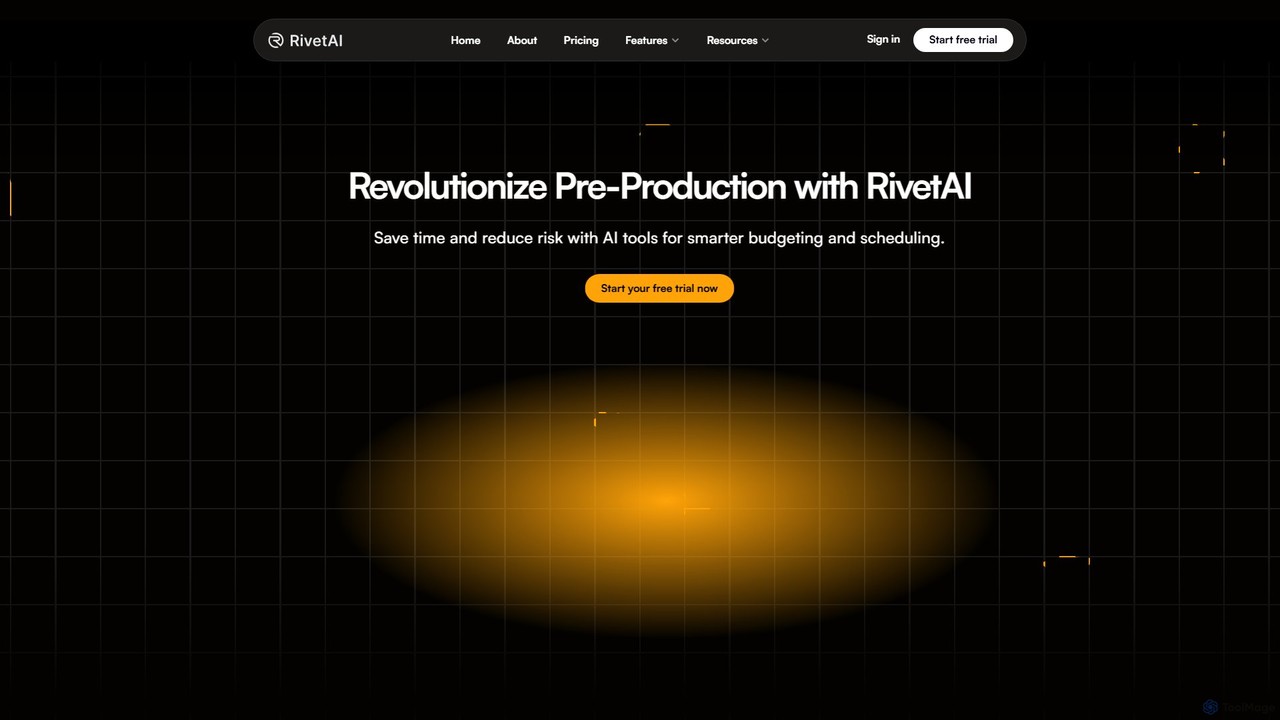
RivetAI

RivetAI is an AI-powered platform designed to revolutionize film pre-production. It automates and streamlines script breakdown, budgeting, and scheduling, enabling filmmakers, producers, and writers to save time, reduce risk, and focus on the creative aspects of their projects. It offers comprehensive analysis, secure collaboration, and seamless integration with industry-standard software.

Project Management
Visits 8.2KFavorites 129Likes 118
CreatifyOne
Freemium

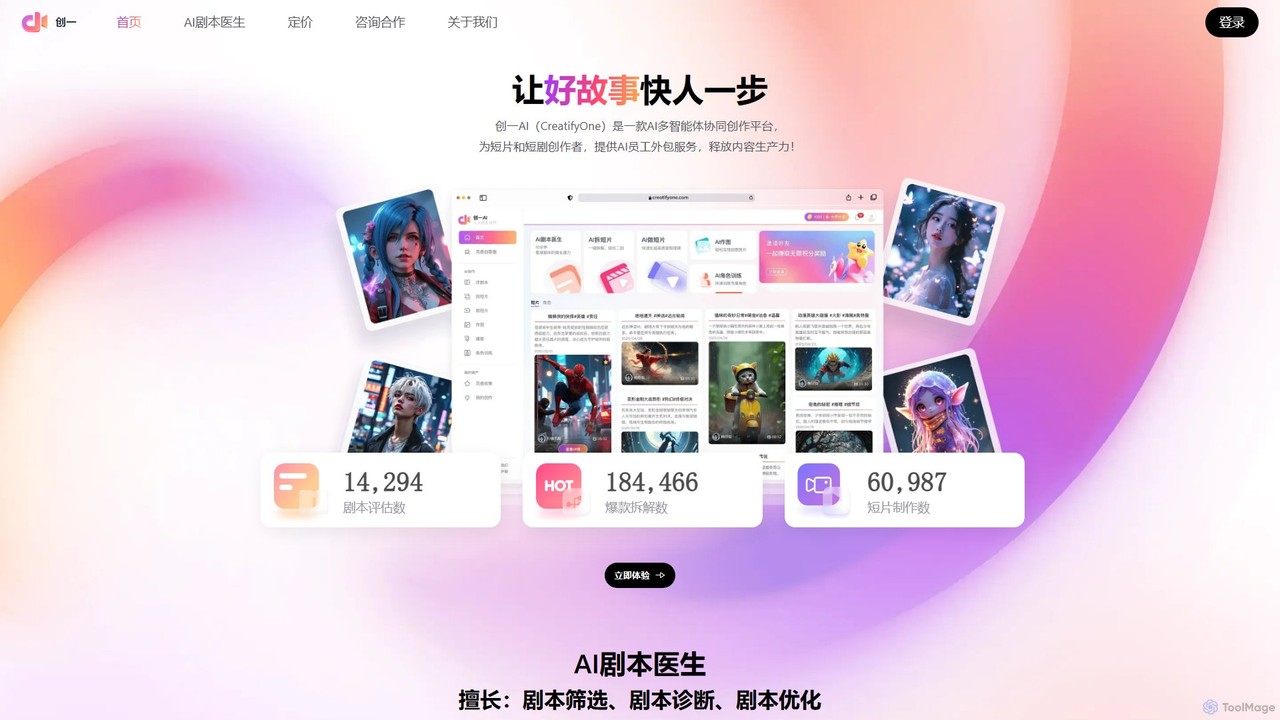
CreatifyOne

CreatifyOne is an AI multi-agent collaborative creation platform designed for short film and short drama creators. It provides a suite of AI-powered tools, including a script doctor, shot breakdown master, and AI director, to accelerate the entire content production workflow from script to final video.

Voice Synthesis
Visits 5.2KFavorites 132Likes 130
aiscreenwriter
Freemium

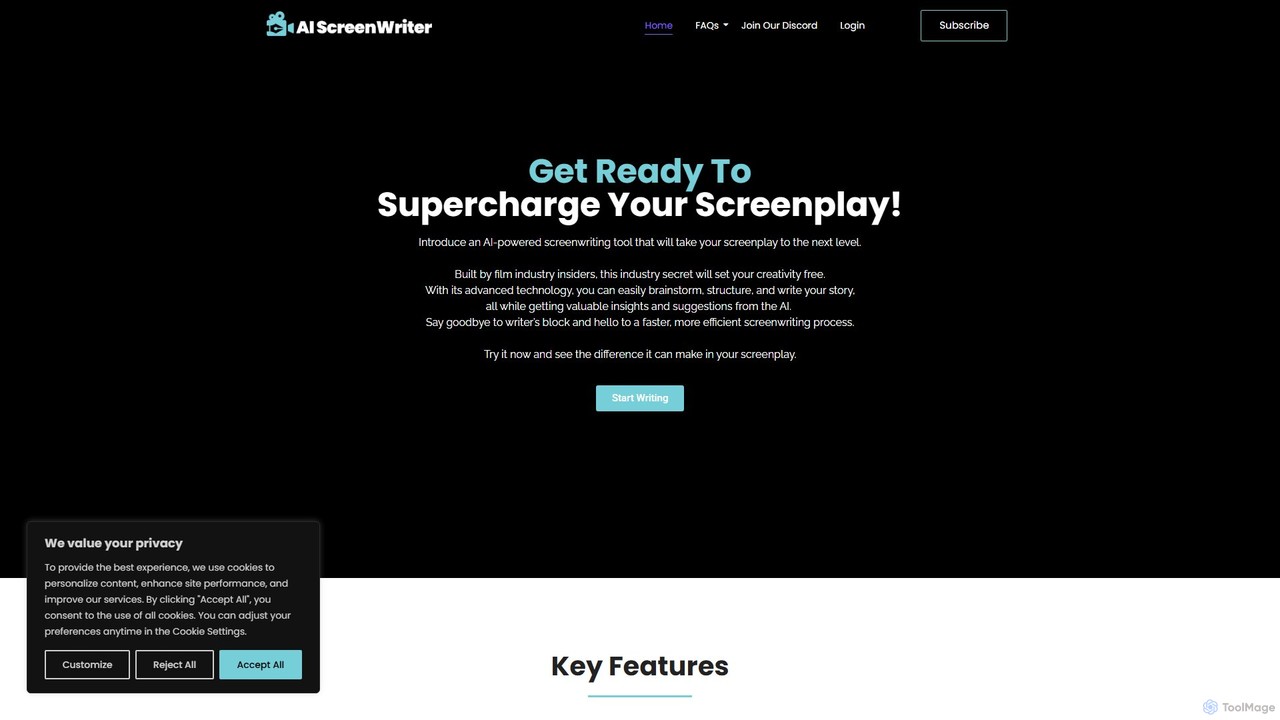
aiscreenwriter

aiscreenwriter is an AI-powered tool designed for filmmakers, and storytellers. It helps generate film scripts, detailed story outlines, and comprehensive character sheets. This creative assistant streamlines the writing process, helps overcome writer's block, and provides tools for brainstorming, structuring narratives, and formatting scripts to industry standards, turning your ideas into production-ready content.

Creative Tools
Visits 5.3KFavorites 88Likes 103
DeepStory
Freemium

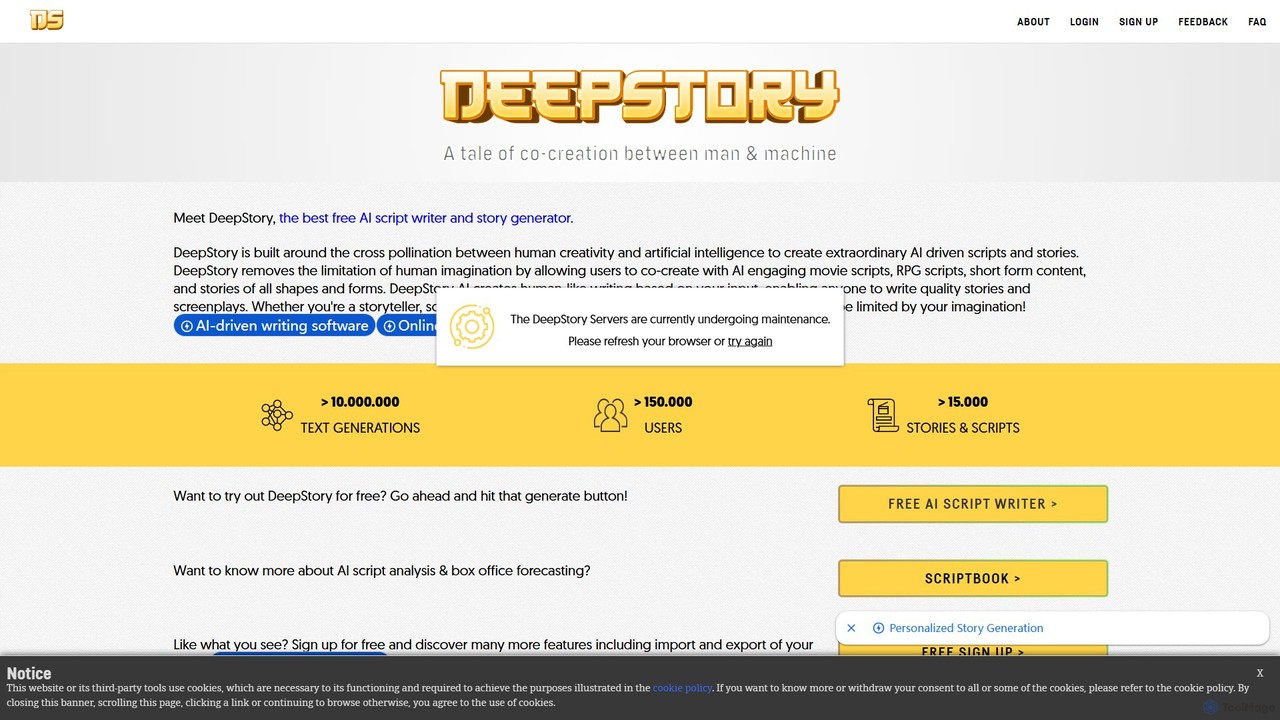
DeepStory

DeepStory is an AI-powered script and story generator designed for co-creation between humans and machines. It helps screenwriters, storytellers, and content creators overcome writer's block by generating human-like text for movie scripts, RPGs, and short stories. Users can input their ideas and let the AI expand on them, creating engaging and creative narratives in various formats.

Story Generator
Visits 6.7KFavorites 130Likes 119

About Scriptwriting

AI Scriptwriting tools are specialized applications designed to assist in the creation, formatting, and refinement of screenplays and scripts. They leverage natural language generation to help with plot ideation, character development, and dialogue creation, going beyond general writing assistance. These tools streamline the writing process for screenwriters, playwrights, and video creators by automating industry-standard formatting and offering creative suggestions. Their unique strength lies in understanding narrative structures and genre conventions, providing structured creative support for storytelling.

Core Features

  • Automatic Formatting: Instantly formats text into industry-standard screenplay layouts, including scene headings, character cues, and dialogue.
  • Plot & Idea Generation: Suggests story outlines, plot points, scene ideas, and loglines based on user prompts and genre.
  • Character Development: Helps create detailed character profiles with backstories, motivations, and personality traits.
  • Dialogue Enhancement: Analyzes and refines dialogue for better pacing, tone, and subtext, or generates new conversational lines.
  • Structural Analysis: Provides feedback on the script's pacing, story arcs, and adherence to narrative models like the three-act structure.

Use Cases

These tools are primarily used in the entertainment industry for film, television, and theater production. They are also valuable for creating scripts for video games, marketing videos, podcasts, and online content. Both professional screenwriters seeking to accelerate their workflow and aspiring writers learning the craft benefit from these specialized features.

How to Choose

When selecting an AI scriptwriting tool, consider the level of creative assistance you need, from simple formatting to advanced plot generation. Evaluate its compatibility with standard formats like Final Draft (.fdx) or Fountain. Also, check for collaboration features for writing teams and the quality of its structural analysis and feedback capabilities.

Featured tool rankings

Scriptwriting use cases

1

Developing a Feature Film Concept

A screenwriter uses an AI scriptwriting tool to overcome the initial hurdle of a blank page. By inputting a simple premise, such as 'a detective in a futuristic city solves a crime involving rogue AI,' the tool generates multiple loglines and a basic three-act structure outline. The writer then uses the character development feature to flesh out the protagonist and antagonist, creating detailed backstories and motivations. This process transforms a vague idea into a structured, workable concept in hours instead of weeks.

2

Writing a TV Series Pilot Episode

A team of writers working on a new TV series pilot uses a collaborative AI scriptwriting platform. The tool helps maintain consistency in character voices and plot threads across scenes written by different people. When a writer needs dialogue for a specific character, they can prompt the AI with the scene's context and desired tone. The AI generates several options, ensuring the character's unique voice is preserved. The platform's structural analysis feature also helps the team track pacing and ensure all key plot points for the pilot are hit effectively.

3

Generating Scripts for Marketing Videos

A marketing team needs to produce a series of short promotional videos for a new product. Using an AI scriptwriting tool, they input key product features, target audience, and desired call-to-action. The tool generates several script variations for a 60-second video, each with a different creative angle (e.g., humorous, problem-solution, testimonial). This allows the team to quickly A/B test different approaches without spending days on manual scriptwriting, significantly accelerating their content production pipeline.

4

Overcoming Writer's Block on a Play

A playwright is stuck in the second act of their play, unable to write a crucial confrontation scene between two characters. They input the existing scene context, character motivations, and the desired outcome into an AI scriptwriting tool. The AI provides several dialogue paths and potential plot twists. While the writer doesn't use the generated text verbatim, the suggestions spark new ideas, helping them break through the block and write the scene with a fresh perspective, ultimately improving the play's dramatic tension.

5

Adapting a Novel into a Screenplay

An author wants to adapt their own novel into a feature film screenplay. They use an AI tool to analyze the book's text, identify key plot points, character arcs, and pivotal scenes. The tool helps structure this information into a standard three-act screenplay format, creating a detailed outline or 'beat sheet'. This provides a solid foundation, allowing the author to focus on the creative challenge of translating prose into visual storytelling and dialogue, rather than getting bogged down in the structural mechanics of adaptation.

6

Formatting a Script for Submission

An independent filmmaker has finished writing their script in a simple text editor but needs to format it to industry standards before sending it to producers or competitions. Instead of manually adjusting margins, capitalization, and spacing for every scene heading and character name, they import the text into an AI scriptwriting tool. With a single click, the tool automatically reformats the entire document correctly. It also flags potential formatting errors, such as inconsistent character names, saving hours of tedious proofreading and ensuring a professional presentation.

Scriptwriting FAQ

What are AI Scriptwriting tools?

AI Scriptwriting tools are specialized software designed to assist writers in creating scripts for film, television, theater, and other media. Unlike general AI writers, they are built with a deep understanding of screenplay formatting, narrative structure (like the three-act structure), and conventions of storytelling. They can automate formatting, generate plot ideas, help develop characters, and even suggest dialogue, acting as a creative partner to streamline the writing process.

How to choose the right AI scriptwriting tool?

Choosing the right tool depends on your specific needs. Consider the following factors:

  • Formatting vs. Creativity: Do you primarily need a tool for automatic formatting, or do you want advanced creative assistance like plot generation and character development?
  • Compatibility: Ensure the tool can import/export formats you use, such as Final Draft (.fdx), Fountain, or PDF.
  • Collaboration: If you work in a team, look for tools with real-time collaboration, version history, and commenting features.
  • User Interface: A clean, distraction-free interface is crucial for the writing process. Test a few options to see which one feels most intuitive to you.
What's the difference between an AI Scriptwriter and a general AI writer?

The key difference is specialization. A general AI writer (like those for articles or emails) is a versatile tool for various text types but lacks specific knowledge of storytelling conventions. An AI Scriptwriter is purpose-built for narrative media. It understands and automatically applies industry-standard formatting, recognizes concepts like scenes, characters, and dialogue, and often includes features for analyzing plot structure and pacing. This specialization makes it far more efficient and effective for the specific task of writing a script.

Can AI tools replace human screenwriters?

No, AI scriptwriting tools are designed to be assistants, not replacements. They excel at handling repetitive tasks like formatting, generating a wide range of ideas to overcome writer's block, and providing structural analysis. However, they do not possess genuine creativity, emotional understanding, or life experience. The core of storytelling—creating compelling characters, crafting nuanced dialogue, and conveying a unique vision—remains a fundamentally human endeavor. Writers use these tools to augment their skills and streamline their workflow, not to abdicate their creative role.

Who can benefit from using AI scriptwriting tools?

A wide range of creators can benefit from these tools. This includes:

  • Professional Screenwriters: To speed up formatting, outlining, and brainstorming, allowing more time for creative writing.
  • Aspiring Writers: To learn industry-standard formatting and narrative structure in a hands-on way.
  • Video Game Narrative Designers: To outline branching dialogues and complex storylines efficiently.
  • Marketing & Content Creators: To quickly generate scripts for promotional videos, advertisements, and social media content.
  • Playwrights & Authors: To adapt stories into script format or explore dialogue and scene variations.