ToolMage
Sign in

Best 57 Storytelling AI tools for Writing

Popular Storytelling AI tools in Writing include JanitorAI, Spicychat, Chub AI, NovelAI, Caveduck, Aismutwriter, PixelChat, DreamGen, CharacterHub, and dippy, helping you work more efficiently.

aistorygenerator
Freemium

aistorygenerator

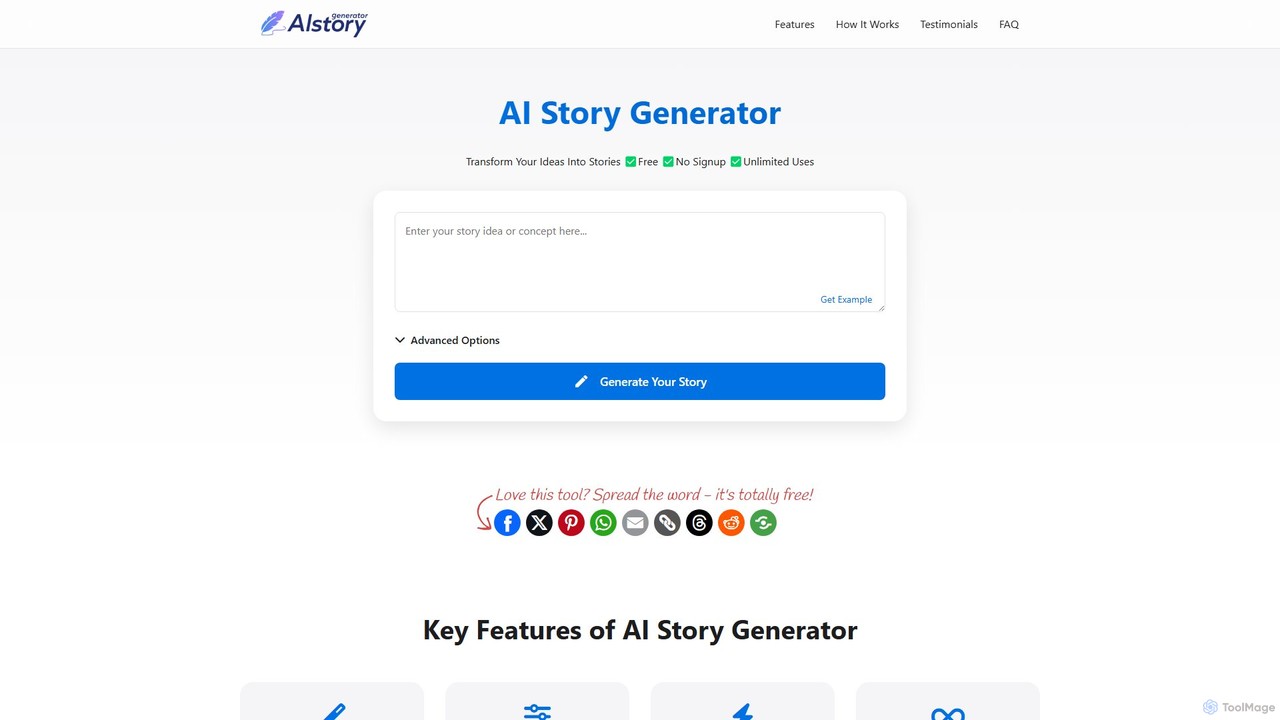
aistorygenerator is an AI-powered creative writing assistant designed to help authors, screenwriters, and hobbyists generate compelling stories. Overcome writer's block by providing simple prompts to create unique plots, dynamic characters, and engaging narratives across various genres. It's the perfect tool for brainstorming ideas, developing plot twists, and accelerating your creative process from concept to completion.

Brainstorming
Visits 5.9KFavorites 102Likes 125
MidReal
Freemium

MidReal

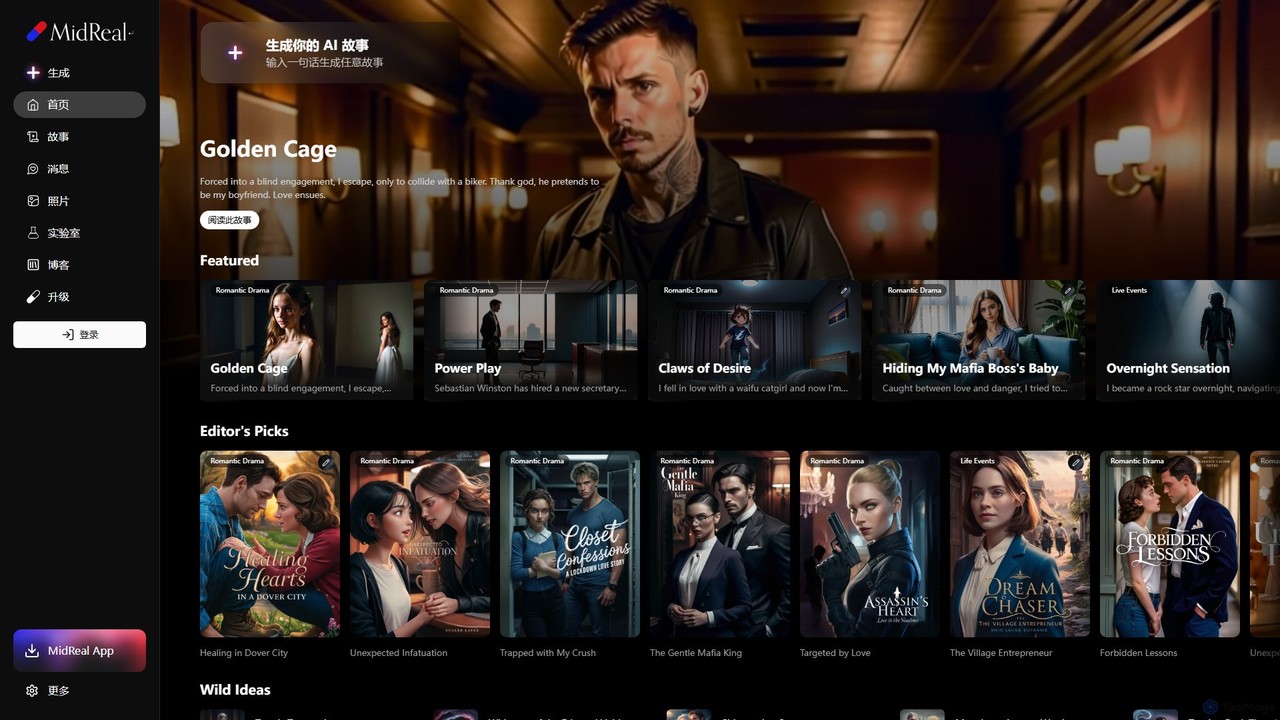
MidReal is an AI-powered story generator that transforms simple prompts into immersive, interactive narratives. It supports a wide range of genres, character creation, and a collaborative community. Beyond text, MidReal Labs explores generative AI for images, video, and chat, making it a versatile creative platform for writers, gamers, and hobbyists.

Idea Generation
Visits 6.4KFavorites 166Likes 164
SillyTavern
Free

SillyTavern

SillyTavern is a powerful, open-source user interface for interacting with Large Language Models (LLMs). It runs locally, offering unparalleled customization for character-based chat, role-playing, and creative writing, while ensuring user privacy and control.

Api & Integration
Visits 8.6KFavorites 158Likes 157
Privee AI
Freemium

Privee AI

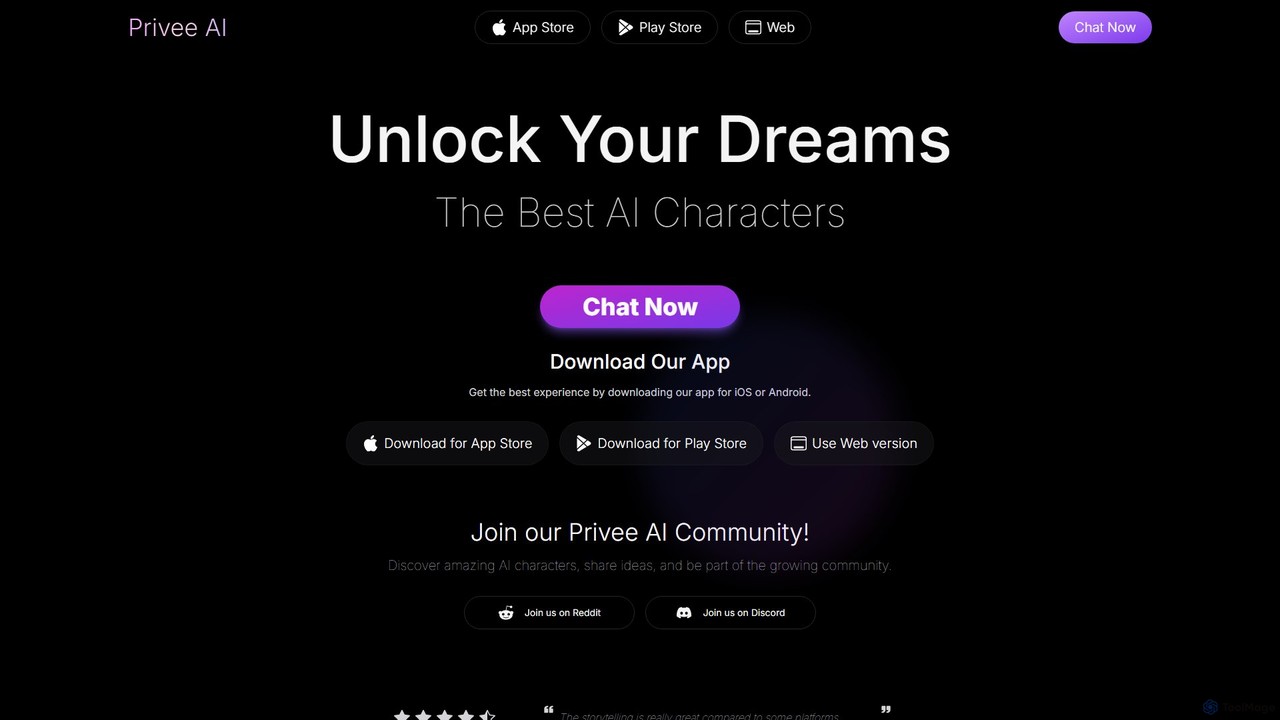
Privee AI is an advanced platform for AI character chat, immersive roleplaying, and creative writing. Discover thousands of characters, create your own, or engage in group chats. With features like image generation, voice messages, and user personas, it offers an unrestricted and deeply customizable experience on both web and mobile.

Character Chat
Visits 89KFavorites 130Likes 122
Elaborate
Free

Elaborate

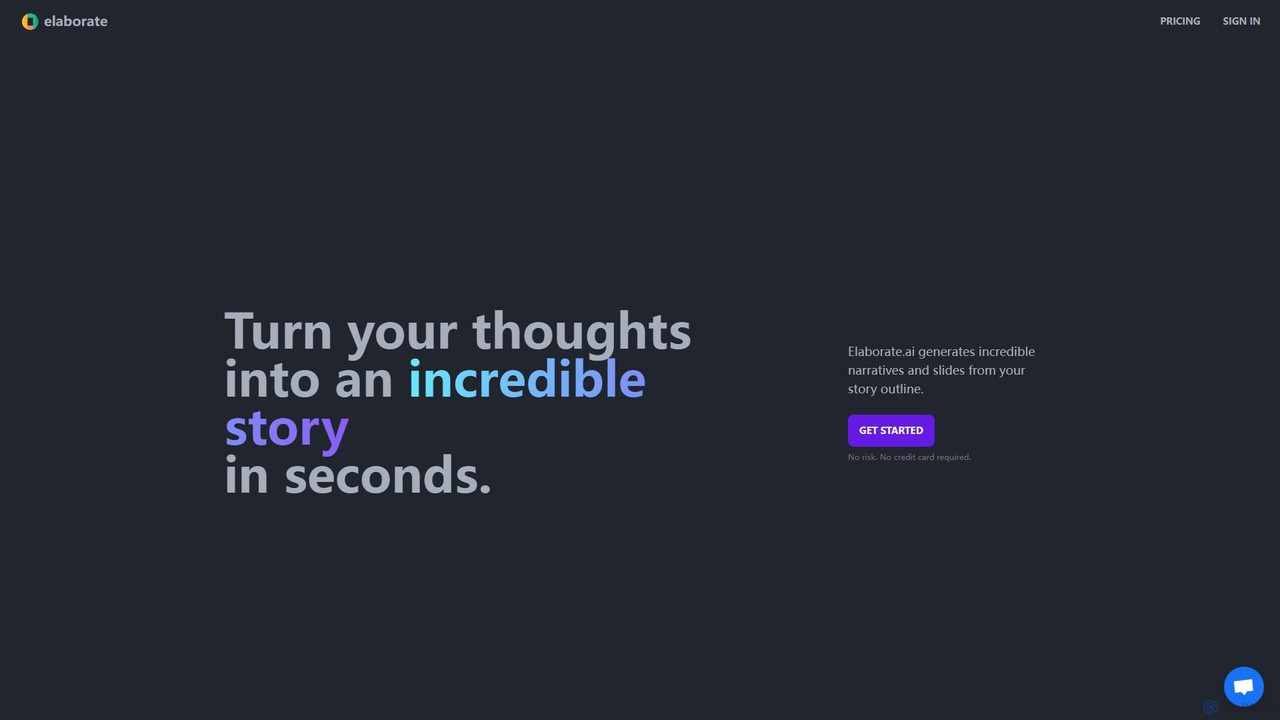
Elaborate is an AI-powered tool that transforms your simple outlines, topics, or plot points into compelling narratives and professional slide presentations in seconds. It streamlines the content creation process, allowing you to focus on your core message while the AI handles the detailed writing and structuring.

Lesson Planning
Visits 6KFavorites 112Likes 117
koodup
Freemium

koodup

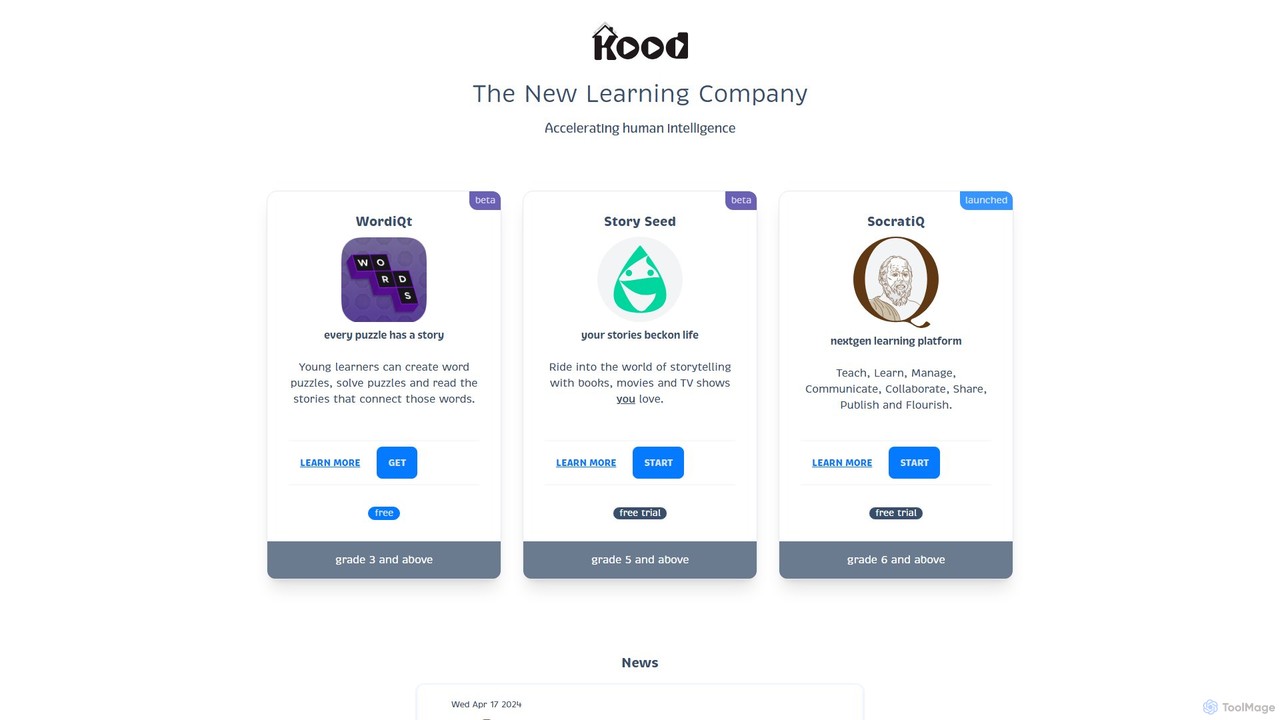
koodup is an AI-powered educational platform designed to make learning creative, collaborative, and engaging. It offers a suite of tools, including the SocratiQ interactive learning platform, WordiQt for word puzzles, and Story Seed for storytelling, catering to students and educators from grade 3 and up.

Learning Platform
Visits 6.3KFavorites 122Likes 145
NovelAI
Freemium

NovelAI

NovelAI is a premier AI-powered creative suite for generating high-quality anime-style images and assisting with storytelling. It offers unrestricted creative freedom with advanced tools like Vibe Transfer, multi-character prompting, and a sophisticated AI writing assistant, catering to artists, writers, and hobbyists.

Character Creator
Visits 4MFavorites 156Likes 162
RollSummary
Freemium

RollSummary

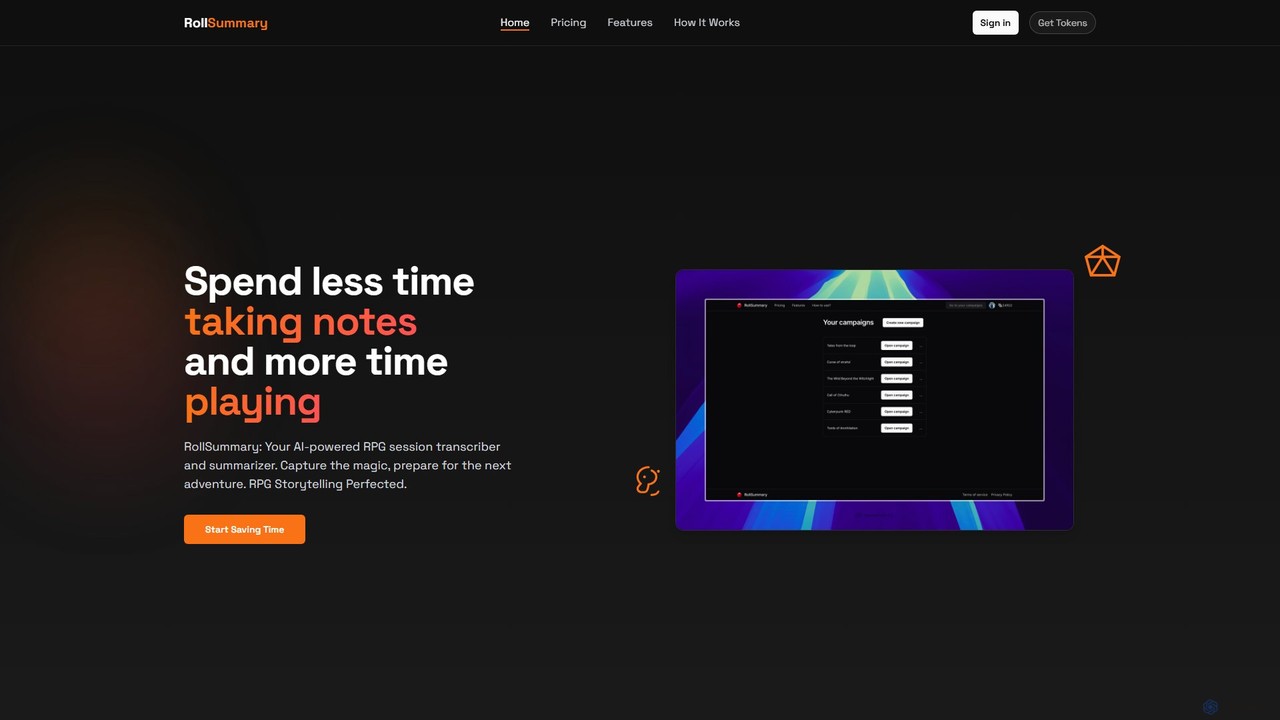
RollSummary is an AI-powered tool for tabletop RPG players and Game Masters. It automatically transcribes audio from your game sessions and generates beautiful, narrative summaries. Save hours on note-taking, track your campaign's story, and never forget a crucial plot point again.

Role Playing Games
Visits 6.2KFavorites 130Likes 146
RPGGO
Freemium

RPGGO

RPGGO is an AI-powered, no-code platform for creating and playing text-based RPGs. It leverages a sophisticated AI game engine to generate dynamic narratives, intelligent NPCs with memory, and real-time visuals and audio, making game development accessible to everyone.

Image Generation
Visits 20KFavorites 142Likes 124

About Storytelling

AI Storytelling tools are a specialized class of writing assistants designed to help create compelling narratives. They utilize advanced language models trained on vast libraries of literature and screenplays to generate plot ideas, develop characters, and craft engaging dialogue. These tools are particularly useful for authors, screenwriters, and game developers to overcome writer's block, explore creative avenues, and structure their stories effectively. Unlike general AI writers, they focus specifically on the core elements of narrative craft, such as pacing, conflict, and character arcs.

Core Features

  • Plot Generation: Creates story outlines, key plot points, unexpected twists, and scene suggestions.
  • Character Development: Generates detailed character backstories, motivations, personality traits, and relationship dynamics.
  • Dialogue Crafting: Writes natural-sounding conversations between characters, adaptable to various tones and styles.
  • World-Building Assistance: Provides ideas for settings, cultures, histories, and rules for fictional worlds.
  • Narrative Structuring: Applies established frameworks like the Three-Act Structure or Hero's Journey to organize a story.

Use Cases

AI Storytelling tools are primarily used by creative professionals and hobbyists. Novelists and short story writers use them for brainstorming and drafting. Screenwriters leverage them to outline scripts and refine dialogue. Game narrative designers build intricate lore and questlines, while marketers create engaging brand stories to connect with their audience.

How to Choose

When selecting an AI Storytelling tool, consider its genre specialization—some are better for fantasy, others for sci-fi or mystery. Evaluate the level of user control over the output and the tool's ability to maintain consistency in tone and character voice. Also, check for integration options with popular writing software like Scrivener or Final Draft, and consider the pricing model that best fits your project's scope.

Featured tool rankings

Storytelling use cases

1

Outlining a Novel Chapter

A fantasy novelist is stuck on a pivotal chapter where the protagonist must make a difficult choice. Using an AI Storytelling tool, they input the current plot summary and character profiles. The AI generates three distinct scenarios, each exploring a different decision and its immediate consequences. This process helps the author visualize the branching paths, choose the most compelling direction, and break through their writer's block, saving hours of unproductive brainstorming.

2

Crafting Dialogue for a Screenplay

A screenwriter needs to write a tense negotiation scene between a detective and a suspect. They provide the AI tool with the scene's context, character personalities (e.g., 'weary detective', 'arrogant suspect'), and the desired outcome. The tool generates several versions of the dialogue, experimenting with subtext, pacing, and power dynamics. The writer can then mix, match, and refine the AI-generated lines to create a sharp, authentic, and impactful conversation that moves the plot forward.

3

Developing Lore for a Video Game

A narrative designer for an RPG is tasked with creating a rich history for a new fantasy world. They use a world-building feature in an AI Storytelling tool to generate foundational myths, timelines of major historical events, and cultural details for different factions. The AI provides a structured starting point, which the designer then expands upon, adding unique details and ensuring the lore connects cohesively with the game's main plot and characters. This accelerates the pre-production phase significantly.

4

Creating a Brand Story for Marketing

A marketing team for a sustainable fashion brand wants to create an emotional connection with its audience. They use an AI Storytelling tool to brainstorm a compelling brand origin story. By inputting core values like 'eco-friendly', 'ethical production', and 'timeless design', the AI generates several narrative concepts. The team selects one that frames the brand's journey as a mission to change the industry, then refines it into a powerful story for their 'About Us' page and social media campaigns, enhancing brand identity and customer loyalty.

5

Preparing a Tabletop RPG Session

A Dungeon Master (DM) for a Dungeons & Dragons game has limited time to prepare for an upcoming session. They use an AI Storytelling tool to quickly generate content. The DM inputs prompts like 'create a mysterious NPC shopkeeper with a dark secret' and 'design a short side-quest involving a haunted forest'. The AI provides detailed character backstories, quest hooks, and location descriptions, allowing the DM to build a rich, interactive session in a fraction of the time it would take to create everything from scratch.

6

Scripting a Narrative Podcast Episode

A podcaster creating a true-crime series needs to structure an episode around a complex timeline of events. They use an AI Storytelling tool to organize the key facts into a compelling narrative arc. The tool helps by suggesting an effective opening hook, arranging events to build suspense, and identifying moments for dramatic pauses or cliffhangers. This transforms a dry collection of facts into an engaging story, improving listener retention and making the production process more efficient.

Storytelling FAQ

What are AI Storytelling tools?

AI Storytelling tools are specialized software designed to assist in the creation of narratives. Unlike general-purpose AI writers, they focus on core story elements like plot structure, character development, dialogue, and world-building. They act as creative partners, helping writers, screenwriters, and game designers to brainstorm ideas, overcome writer's block, and structure their stories more effectively by providing targeted suggestions and content generation based on narrative principles.

How do AI Storytelling tools differ from general AI writers like ChatGPT?

The main difference lies in specialization and interface. General AI writers are versatile and can write on any topic, but they lack built-in structures for narrative. AI Storytelling tools, on the other hand, have features specifically for writers, such as:

  • Character Sheets: To maintain character consistency.
  • Plot Outliners: To structure stories with acts, scenes, and plot points.
  • World-Building Databases: To keep track of lore and setting details.
  • Genre-Specific Prompts: To generate ideas tailored to fantasy, sci-fi, mystery, etc.

This focused approach makes them more efficient for long-form creative writing than a general-purpose chatbot.

How should I choose the right AI Storytelling tool?

Choosing the right tool depends on your specific needs. Consider the following factors:

  • Writing Goal: Are you writing a novel, a screenplay, or game lore? Some tools are better suited for specific formats.
  • Genre: Look for tools that have strong capabilities in your chosen genre, whether it's fantasy, sci-fi, romance, or thriller.
  • Level of Control: Do you want a tool that generates large blocks of text, or one that provides more granular suggestions and brainstorming help?
  • Collaboration: If you work with a team, check for features that allow sharing, commenting, and co-editing.
  • Budget: Evaluate free trials and compare subscription plans to find a tool that offers the best value for its features.
Who can benefit from using AI Storytelling tools?

A wide range of creators can benefit from these tools. This includes:

  • Authors and Novelists: For brainstorming plots, developing characters, and overcoming writer's block.
  • Screenwriters: For structuring scripts, writing dialogue, and formatting scenes.
  • Game Narrative Designers: For building immersive worlds, creating questlines, and writing NPC dialogue.
  • Marketers and Copywriters: For crafting compelling brand stories and narrative-driven ad campaigns.
  • Hobbyists and TTRPG Game Masters: For creating engaging adventures and rich backstories for their campaigns.
Can an AI write a complete novel or screenplay by itself?

Currently, no. AI Storytelling tools are best viewed as powerful assistants or co-pilots, not replacements for human authors. While they can generate high-quality prose, outlines, and dialogue, they lack the deep understanding of human emotion, subtext, and overarching thematic coherence that a human writer provides. The most effective use of these tools is a collaborative process where the AI handles brainstorming and drafting, while the human writer provides the creative vision, critical judgment, and final polish to create a truly compelling story.