ToolMage
Sign in

Best 2 Role Playing Games AI tools for Gaming

Popular Role Playing Games AI tools in Gaming include CharGen and RollSummary, helping you work more efficiently.

CharGen
Freemium

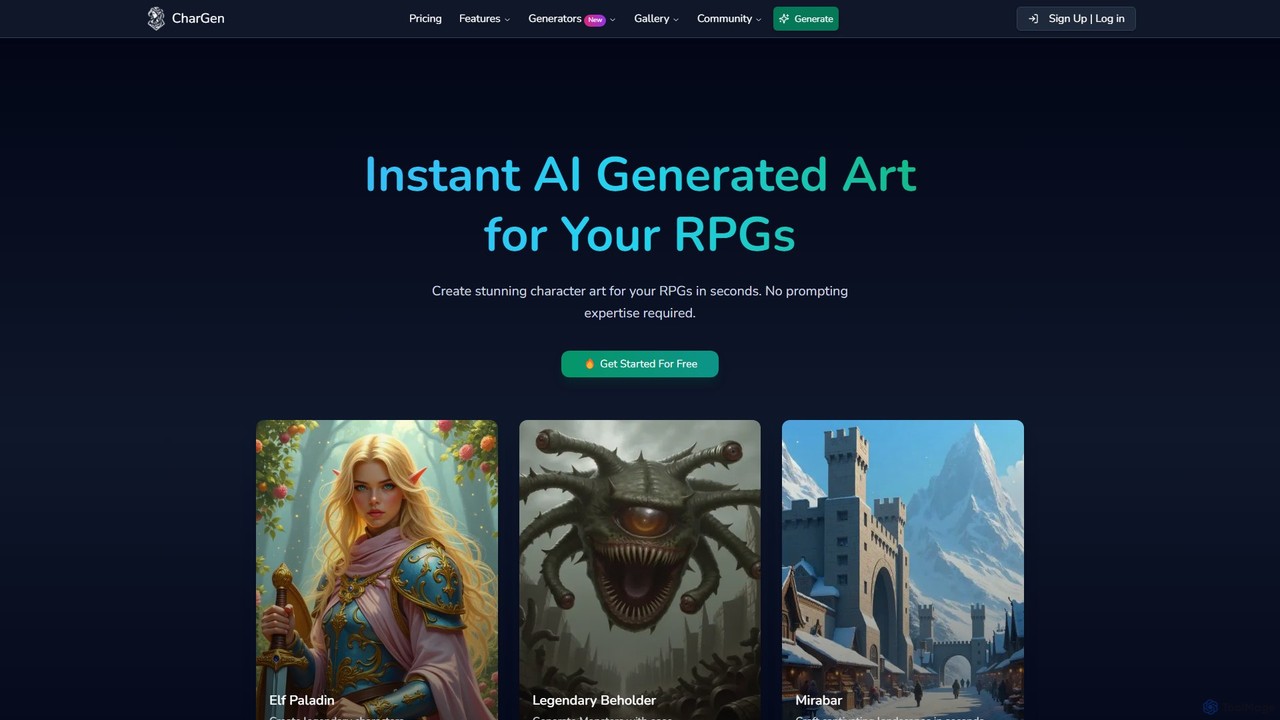
CharGen

CharGen is a specialized AI image generator designed for tabletop RPG enthusiasts. It allows players and Dungeon Masters to create stunning, high-quality art for characters, monsters, NPCs, and landscapes in seconds, without requiring any prompt engineering expertise. Simply make selections and let the AI bring your fantasy world to life.

Image Generation
Visits 100KFavorites 136Likes 128
RollSummary
Freemium

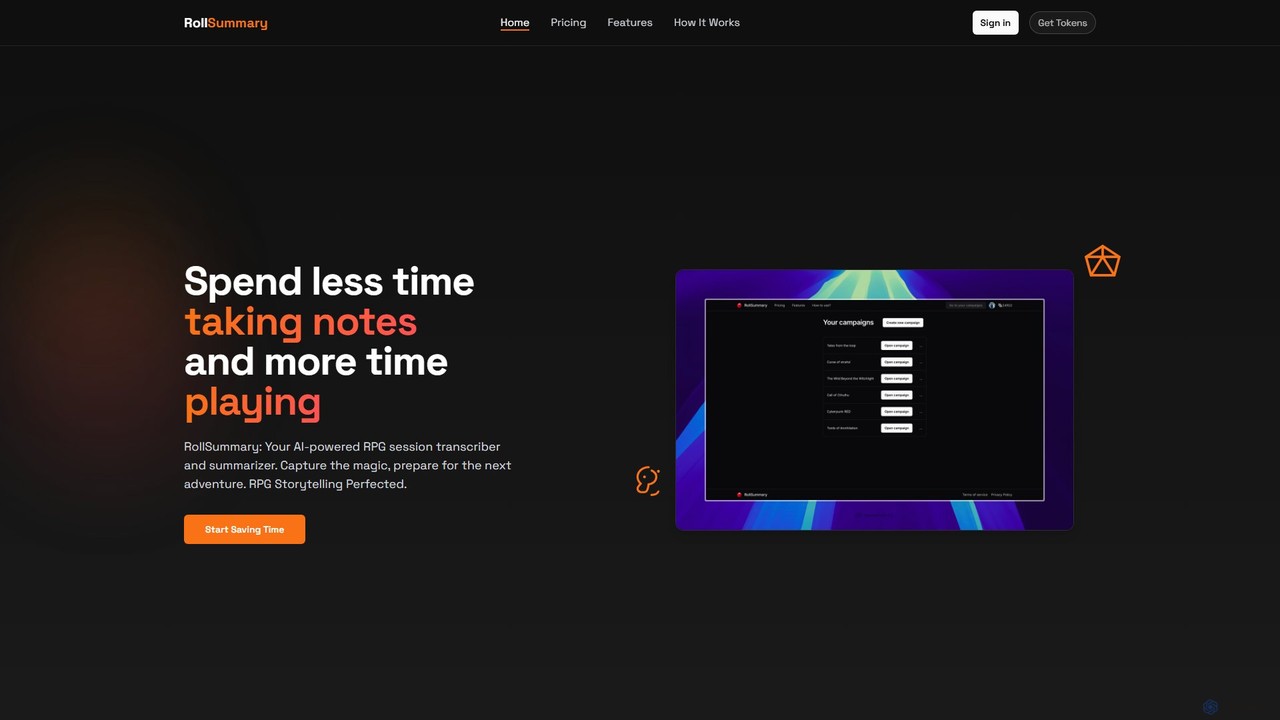
RollSummary

RollSummary is an AI-powered tool for tabletop RPG players and Game Masters. It automatically transcribes audio from your game sessions and generates beautiful, narrative summaries. Save hours on note-taking, track your campaign's story, and never forget a crucial plot point again.

Role Playing Games
Visits 5.8KFavorites 127Likes 144

About Role Playing Games

Role Playing Games (AI-powered) are a category of tools that leverage artificial intelligence to create dynamic and immersive narrative experiences. These tools utilize advanced algorithms for character generation, story branching, and adaptive world-building, offering players unique and personalized adventures. They aim to enhance traditional RPG elements with intelligent, responsive, and infinitely variable content, pushing the boundaries of interactive storytelling.

Core Features

  • AI-Driven NPCs: Generate non-player characters with unique personalities, dialogue, and decision-making capabilities that react dynamically to player actions.
  • Dynamic Quest Generation: Create procedurally generated quests and storylines that adapt based on player choices, world state, and character interactions.
  • Adaptive Storytelling: Employ AI to branch narratives, introduce unexpected plot twists, and tailor the overarching story arc to individual player journeys.
  • Procedural World Generation: Automatically design vast and detailed game worlds, including landscapes, cities, dungeons, and lore, ensuring fresh exploration in every playthrough.
  • Personalized Character Backstories: Develop rich and unique histories for player characters or NPCs, adding depth and context to their roles within the game world.

Use Cases

AI-powered Role Playing Games are utilized by game developers to rapidly prototype and populate game worlds, by game masters (GMs) to generate endless campaign content and unique challenges for their players, and by individual players seeking highly personalized and replayable narrative experiences. They streamline content creation, reduce development time, and unlock new levels of player agency and immersion.

How to Choose

When selecting an AI-powered RPG tool, consider the sophistication of its AI algorithms for narrative generation and NPC behavior, the level of customization and control it offers over generated content, and its compatibility with existing game engines or platforms. Evaluate the quality and coherence of the generated stories, the diversity of character interactions, and the tool's ability to maintain a consistent lore and world logic. User-friendliness and community support are also important factors for a smooth experience.

Role Playing Games use cases

1

Generating Dynamic RPG Campaigns for GMs

Game Masters (GMs) can leverage AI-powered RPG tools to rapidly generate intricate campaign settings, unique plot hooks, and diverse non-player characters (NPCs). By inputting core themes or desired challenges, the AI can create an entire adventure module, complete with maps, monster encounters, and branching storylines, saving countless hours of manual preparation and ensuring fresh content for every session.

2

Crafting Personalized Character Backstories

Players and writers can use AI RPG tools to develop rich, unique backstories for their characters. By providing a few keywords about a character's origin, personality, or key life events, the AI can weave a detailed narrative, including family history, significant past events, and motivations. This not only adds depth to the character but also inspires new role-playing opportunities and plot developments within the game.

3

Developing Adaptive Game Worlds and Lore

Game developers can utilize AI RPG tools to procedurally generate vast and intricate game worlds, complete with unique biomes, settlements, and historical lore. The AI can ensure consistency across different elements, creating a cohesive and believable environment. This accelerates the world-building process, allowing developers to focus on core gameplay mechanics while the AI handles the expansive, detailed backdrop that evolves with player actions.

4

Enhancing NPC Interactions with Dynamic Dialogue

AI-powered RPGs can significantly improve the quality of non-player character (NPC) interactions by generating dynamic and context-aware dialogue. Instead of relying on pre-scripted lines, NPCs can respond intelligently to player queries, remember past interactions, and adapt their tone and information based on the player's reputation or current game state. This creates a more believable and engaging world, making every conversation feel unique and impactful.

5

Creating Unique Scenarios for Solo RPG Players

Solo RPG players can use AI tools to generate unique and challenging scenarios without the need for a human GM. The AI can act as a virtual dungeon master, providing prompts, generating random events, and even interpreting player actions to advance the narrative. This allows for endless replayability and personalized adventures, catering to players who prefer a solitary, yet deeply engaging, role-playing experience.

6

Automating World Events and Faction Dynamics

For complex RPGs with multiple factions and ongoing world events, AI tools can automate the progression of these elements. The AI can simulate political intrigues, economic shifts, and conflicts between non-player factions, creating a living, breathing world that evolves independently of the player's direct involvement. This adds a layer of realism and unpredictability, making the player's choices feel more impactful within a larger, dynamic ecosystem.

Role Playing Games FAQ

What are AI-powered Role Playing Games?

AI-powered Role Playing Games are a sub-category of gaming tools that use artificial intelligence to generate and manage various aspects of an RPG experience. They typically feature dynamic content creation, such as adaptive storylines, intelligent NPCs, and procedurally generated worlds. These tools aim to offer highly personalized and replayable adventures, reducing the need for extensive pre-scripted content and enhancing player immersion through responsive game environments.

How do AI tools enhance the Role Playing Games experience?

AI tools enhance RPGs by introducing unprecedented levels of dynamism and personalization. They can generate endless unique quests, create NPCs with believable personalities and motivations, and adapt storylines in real-time based on player choices. This leads to higher replayability, as no two playthroughs are exactly alike, and fosters deeper immersion by making the game world feel more alive and responsive to the player's actions, moving beyond static, pre-scripted narratives.

What's the difference between AI RPGs and traditional RPGs?

The primary difference lies in content generation and adaptability. Traditional RPGs rely heavily on pre-written narratives, fixed character dialogues, and static world designs. AI RPGs, conversely, use algorithms to dynamically generate these elements, allowing for emergent storytelling, responsive NPC behavior, and procedurally created environments that can change based on player input. This results in a more fluid, less predictable, and highly personalized experience compared to the often linear or branching paths of traditional RPGs.

Who can benefit most from AI Role Playing Games tools?

A wide range of users can benefit from AI Role Playing Games tools. Game developers can accelerate prototyping and content creation, reducing development costs. Game Masters (GMs) gain access to an endless supply of campaign ideas, NPCs, and plot twists, easing their preparation burden. Individual players, especially those who enjoy solo play, can experience highly personalized and infinitely replayable adventures without needing a human GM, fostering deeper engagement and unique storytelling.

What should I consider when choosing an AI Role Playing Games tool?

When choosing an AI RPG tool, prioritize the sophistication of its AI for narrative generation and NPC behavior, ensuring it produces coherent and engaging stories. Look for robust customization options that allow you to fine-tune generated content to your specific vision. Compatibility with your preferred game engines or virtual tabletops is crucial. Also, consider the community support, ease of use, and the pricing model, as these factors significantly impact your long-term experience and productivity.