Copresence
Copresence is an AI-powered platform that enables users to create photorealistic, fully rigged 3D head avatars using just …
Copresence is an AI-powered platform that enables users to create photorealistic, fully rigged 3D head avatars using just a smartphone. In minutes, it transforms a simple face scan into a high-quality digital twin, compatible with major game engines, VR/AR applications, and VFX workflows, bridging the gap between the physical and virtual worlds.
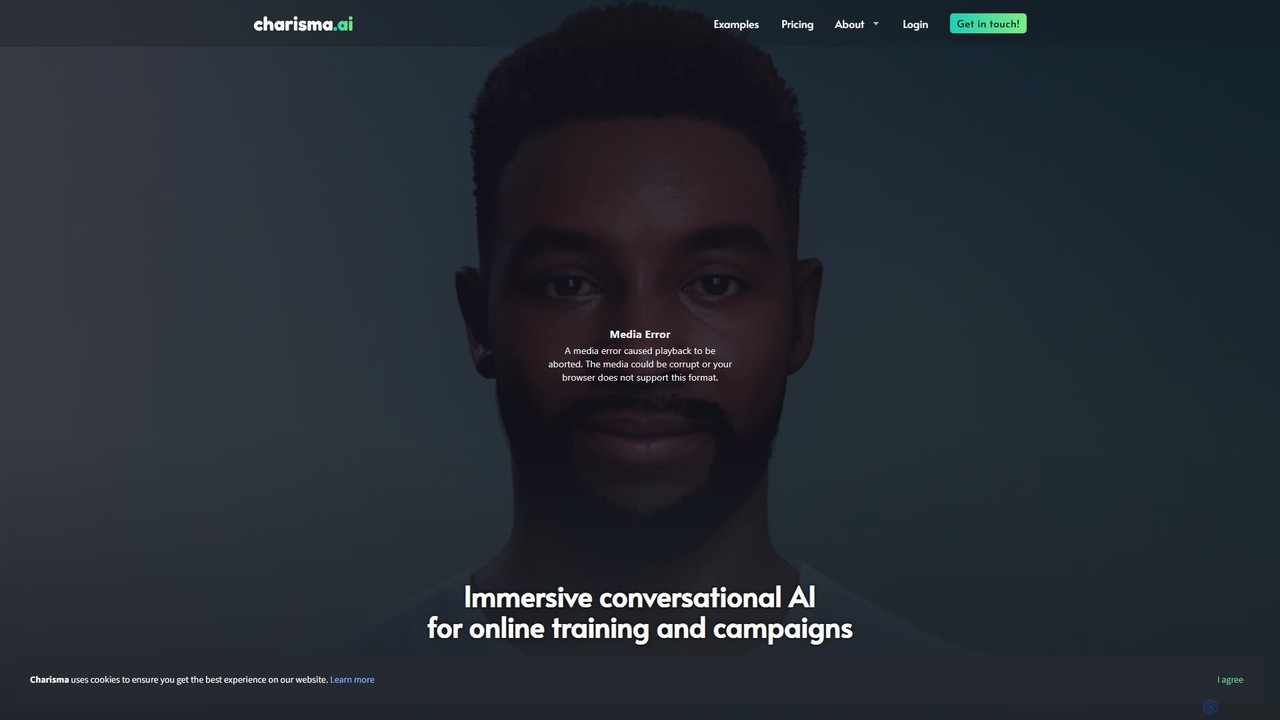
Charisma.ai
Charisma.ai is an immersive conversational AI platform for creating realistic, interactive experiences. It empowers developers, educators, and brands …
Charisma.ai is an immersive conversational AI platform for creating realistic, interactive experiences. It empowers developers, educators, and brands to build dynamic scenarios for training, marketing campaigns, and entertainment. By blending scripted narrative with generative AI, it offers deep engagement and real-time analytics across web, VR, and game engines.
About Character Creation
AI Character Creation tools are specialized applications that use generative AI to produce visual or textual representations of characters. Leveraging advanced models like GANs and diffusion, these tools translate text descriptions or parameter inputs into detailed 2D concept art, 3D models, or narrative backstories. They are primarily used in the gaming and entertainment industries to accelerate the design process, enabling creators to rapidly visualize and iterate on character concepts. This focused approach provides greater control over anatomy, style, and consistency compared to general-purpose image generators.
Core Features
- Text-to-Image/3D Generation: Create detailed character visuals or models from simple text prompts.
- Style Control & Consistency: Maintain a specific art style (e.g., anime, photorealistic, fantasy) across multiple creations.
- Detailed Attribute Customization: Fine-tune character features like clothing, accessories, facial expressions, and poses.
- Multiple Concept Variations: Generate numerous design alternatives from a single prompt for rapid exploration.
Use Cases
These tools are invaluable for game developers, concept artists, and TTRPG players. Game studios use them for rapid prototyping of NPCs and main characters, while indie developers can create entire casts of characters with limited resources. Authors and screenwriters also use them for visual inspiration to bring their stories to life.
How to Choose
When selecting a tool, consider the output format (2D image, 3D model), the level of style control, and integration with game engines like Unity or Unreal. Also, evaluate the tool's ability to maintain character consistency across different poses and scenes. Finally, compare pricing models, such as subscriptions versus per-generation credits, to align with your project's budget and scope.

Character CreationUse Cases
Rapid Prototyping for Game Concepts
Game designers and indie developers often need to visualize characters quickly during pre-production. Using an AI Character Creation tool, a developer can input a description like 'cyberpunk street samurai with a robotic arm and neon jacket' and receive dozens of visual concepts in minutes. This process, which would traditionally take days of manual sketching, allows for faster iteration on the game's art direction and character design, significantly reducing development time and costs.
Creating Consistent NPCs for World-Building
Populating a game world with unique yet stylistically coherent Non-Player Characters (NPCs) is a major challenge. These tools allow art teams to define a core art style and then generate hundreds of variations for townspeople, guards, or faction members. By locking in key style parameters, the AI ensures all generated characters fit seamlessly into the game's aesthetic, enhancing immersion without the repetitive work of creating each NPC from scratch.
Visualizing Tabletop RPG Characters
Players of tabletop RPGs like Dungeons & Dragons or Pathfinder often create deeply personal characters. AI Character Creation tools empower these players to bring their heroes to life. A player can input their character's race, class, and unique features (e.g., 'half-elf rogue with a silver dragon tattoo') to generate a high-quality portrait for their character sheet, tokens, or online profiles, deepening their connection to the game.
Generating Character Variations for Concept Art
An art director needs to explore multiple design directions for a game's protagonist. Instead of tasking an artist with drawing ten different armor sets, they can use an AI tool to generate variations based on a core character model. This allows the team to quickly compare different aesthetics, color palettes, and equipment styles, making the creative feedback loop more efficient and visually driven.
Authoring and Storytelling Inspiration
Writers and storytellers can overcome creative blocks by using these tools for visual inspiration. By inputting a character archetype or a few key traits, an author can receive a visual representation that helps solidify the character's appearance, personality, and backstory. Seeing a character can spark new plot ideas and make the writing process more vivid and engaging.
Creating Marketing and Social Media Assets
Marketing teams for games need a constant stream of visual content. AI Character Creation tools can be used to generate unique character portraits and action shots for social media posts, ad banners, and promotional materials. This allows for the creation of diverse, on-brand visual assets without pulling resources away from the core development or concept art teams, ensuring a consistent and engaging online presence.