
aoarti
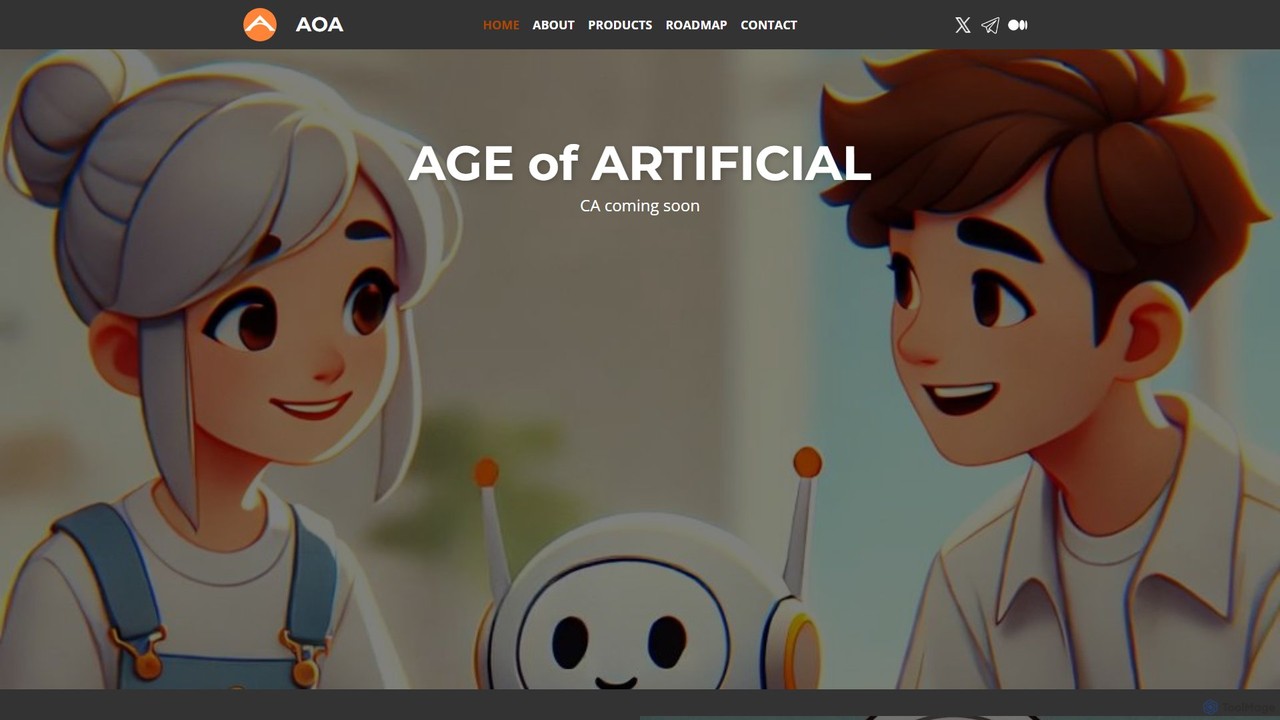
aoarti (Age of Artificial) is an AI-powered platform designed to harmonize the interaction between AI, humans, and the …
aoarti (Age of Artificial) is an AI-powered platform designed to harmonize the interaction between AI, humans, and the crypto ecosystem. It offers a suite of tools for token and NFT analysis, DeFi strategy optimization, portfolio management, and enhanced security, making the crypto space more accessible, efficient, and secure for everyone.
Prompt Monsters
Prompt Monsters is a generative blockchain game where you create unique monsters using text prompts. These creatures become …
Prompt Monsters is a generative blockchain game where you create unique monsters using text prompts. These creatures become fully on-chain dynamic NFTs that you own. Battle other players in an innovative online arena powered by an AI game engine, and watch your monsters evolve. It merges creativity, true digital ownership, and strategic AI-driven gameplay.
About Blockchain
Blockchain in gaming refers to the integration of distributed ledger technology into video games, enabling true digital ownership and verifiable scarcity of in-game assets. These tools leverage cryptographic principles to create transparent, secure, and decentralized game economies. They empower players with ownership over their digital items and facilitate new play-to-earn models, transforming traditional gaming paradigms. This technology fosters innovative game design and community-driven development.
Core Features
- NFT Integration: Enables unique, verifiable ownership of in-game items, characters, and virtual land as non-fungible tokens.
- Play-to-Earn Mechanics: Allows players to earn cryptocurrency or NFTs through gameplay, trading, or contributing to the game ecosystem.
- Decentralized Governance: Supports community-led decision-making through Decentralized Autonomous Organizations (DAOs) for game development and treasury management.
- Secure Asset Trading: Facilitates transparent and secure peer-to-peer trading of digital assets on blockchain marketplaces.
Applicable Scenarios
Game developers use blockchain tools to create unique digital collectibles and virtual economies, allowing players to truly own and trade their in-game achievements. Indie studios can leverage these platforms to fund development through token sales and engage communities in game design. Publishers can implement transparent reward systems and foster player loyalty through verifiable digital assets.
How to Choose
When selecting blockchain gaming tools, consider the underlying blockchain network's scalability and transaction fees (gas costs). Evaluate the ease of NFT integration and compatibility with popular game engines. Assess the security features for asset protection and the robustness of developer support and community resources. Finally, examine the potential for interoperability with other blockchain games or metaverses.
BlockchainUse Cases
Creating Unique In-Game Collectibles (NFTs)
Game developers utilize blockchain tools to mint unique character skins, weapons, or virtual land as Non-Fungible Tokens (NFTs). This ensures verifiable scarcity and true digital ownership for players, allowing them to collect, display, and potentially trade rare items with confidence, fostering a vibrant in-game economy and enhancing player engagement.
Implementing Play-to-Earn Game Economies
Game designers integrate blockchain tokens and NFTs to reward players for their time and skill, allowing them to earn real-world value through gameplay, trading, or staking. This model incentivizes active participation and creates a sustainable ecosystem where players are compensated for their contributions, fostering a new era of player-centric gaming.
Decentralized Game Development & Governance
Game communities utilize Decentralized Autonomous Organizations (DAOs) on blockchain to vote on game updates, new features, or treasury allocation, giving players a direct say in the game's future. This fosters a truly community-driven development model, increasing transparency and aligning developer incentives with player interests, leading to more engaging and sustainable games.
Secure Trading of Virtual Assets
Players use blockchain marketplaces to securely buy, sell, and trade their owned in-game NFTs without intermediaries, ensuring transparency and trust. This eliminates the risk of fraud and provides a robust, immutable record of all transactions, empowering players with full control over their digital wealth and fostering a liquid secondary market for game assets.
Cross-Game Asset Interoperability
Developers explore using blockchain to enable certain in-game assets (e.g., a specific sword or character) to be used across different compatible blockchain games or metaverse platforms. This vision aims to break down silos between virtual worlds, allowing players to carry their digital identity and possessions into new experiences, significantly enhancing the value and utility of their owned assets.
Verifiable Player Achievements & Reputation
Blockchain can record immutable player achievements, rankings, or reputation scores, providing a transparent and tamper-proof history of a player's journey. This allows for verifiable proof of skill and dedication, which can be leveraged for competitive gaming, exclusive rewards, or even as a transferable credential across different gaming platforms, enhancing player recognition and trust.