Gaming Best in category 1 results Board Games AI Tool

Popular AI tools in the Board Games field of Gaming include Backgammon Buddy, etc., helping you quickly improve efficiency.

Backgammon Buddy

Backgammon Buddy

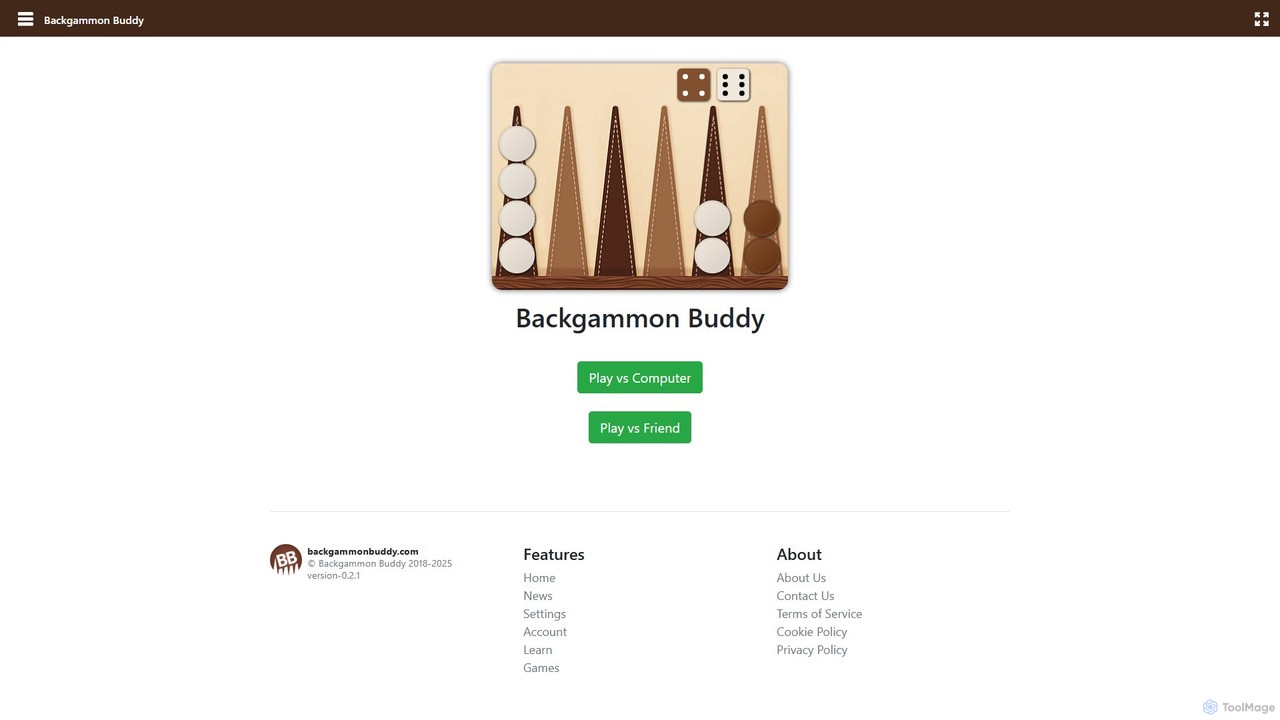
A comprehensive online backgammon platform featuring a powerful AI opponent (GnuBG), multiplayer mode, and in-depth game analysis. Ideal …

12.6K

About Board Games

AI Board Games tools are specialized applications that use artificial intelligence to design, simulate, and play board games. These tools leverage generative models for content creation and reinforcement learning to build intelligent opponents. They empower game designers to rapidly prototype ideas, help players enjoy solo experiences, and enable developers to balance complex game mechanics. This technology significantly accelerates the creative process from concept to a playable, balanced game.

Core Features

  • AI Opponent Generation: Creates intelligent, adaptable AI players with adjustable difficulty levels for solo or cooperative play.
  • Game Content Creation: Generates rules, card text, character backstories, event descriptions, and even board layouts.
  • Mechanics Balancing & Simulation: Runs thousands of automated playthroughs to identify overpowered strategies and ensure fair gameplay.
  • Rulebook Generation: Automatically structures and writes clear, coherent rulebooks based on defined game mechanics.
  • Procedural Board Design: Creates unique and varied game boards or maps for games that require modular setups.

Use Cases

These tools are primarily used by indie and professional board game designers, developers creating digital adaptations of board games, and solo players. For instance, a designer can use an AI to generate a hundred unique item cards for a fantasy game, or a developer can implement a challenging AI for the digital version of a classic strategy game.

How to Choose

When selecting an AI Board Games tool, consider its primary function: is it for game design, AI opponent creation, or balancing? Evaluate the depth of its content generation capabilities—text, art, or full mechanics. Also, check for integration options with platforms like Tabletop Simulator or game development engines, and assess the complexity of the AI it can produce.

Board GamesUse Cases

1

Rapid Prototyping for a New Board Game

A board game designer with a new concept for a cooperative fantasy adventure game uses an AI tool to accelerate the initial design phase. They input core themes like 'dungeon crawl' and 'elemental magic' and the AI generates a foundational rule set, 50 unique monster ability cards, and 30 thematic event cards. This allows the designer to move from a basic idea to a playable prototype in a single afternoon, saving weeks of manual content creation and enabling immediate playtesting and iteration.

2

Creating a Challenging AI Opponent for Solo Play

A developer is creating a digital version of a complex economic strategy board game. To provide value for solo players, they use an AI tool to build a formidable opponent. The AI is trained on thousands of simulated games, learning optimal strategies and common player mistakes. The developer can set multiple difficulty levels, from a 'Beginner' AI that makes predictable moves to an 'Expert' AI that adapts its strategy based on the player's actions, ensuring a challenging and replayable single-player experience.

3

Automated Game Balancing and Simulation

A design team is finalizing a competitive card game with hundreds of unique cards. Manually testing every card combination for balance is impossible. They use an AI simulation tool to run millions of automated games between different AI personas, each favoring a specific strategy. The tool generates a report highlighting overpowered cards, underused mechanics, and potential infinite combos. Based on this data, the team can make targeted adjustments to card text and costs, achieving a well-balanced game much faster than with traditional playtesting alone.

4

Generating Dynamic Narrative Events

For a story-driven board game like 'Betrayal at House on the Hill', a writer uses an AI tool to create a vast pool of unique room events and omens. By providing the AI with the game's gothic horror theme and key characters, it generates hundreds of narrative snippets. This ensures high replayability, as players are unlikely to encounter the same sequence of events across multiple playthroughs. The AI helps maintain a consistent tone while introducing surprising and varied story elements that would be time-consuming to write manually.

5

Generating Art and Layouts for Game Components

An indie designer is creating a card game but lacks professional graphic design skills. They use an AI tool that specializes in generating art for board game components. They input prompts like 'fantasy potion bottle icon, simple style' or 'sci-fi spaceship blueprint, card background'. The AI produces dozens of variations, allowing the designer to select or refine visuals for cards, tokens, and the game board. This makes professional-looking prototypes accessible without a large art budget, helping the game stand out during crowdfunding or publisher pitches.

6

Automating Rulebook Creation and Clarification

After designing the core mechanics of a complex eurogame, the creator uses an AI tool to generate the first draft of the rulebook. The AI organizes the rules logically, covering setup, turn structure, actions, and end-game scoring. Furthermore, the designer integrates this AI into a digital FAQ. When playtesters have questions like 'Can I use this ability before moving?', they can ask the AI, which provides a clear, context-aware answer based on the established rules. This streamlines the feedback process and helps refine the rulebook for maximum clarity.

Board GamesFrequently Asked Questions