Gaming Best in category 2 results Analytics AI Tool

Popular AI tools in the Analytics field of Gaming include Gamelight、game_values, etc., helping you quickly improve efficiency.

Gamelight

Gamelight

Gamelight is a revolutionary AI-powered user acquisition (UA) platform for mobile games. It leverages advanced algorithms to analyze …

12.8K
game_values

game_values

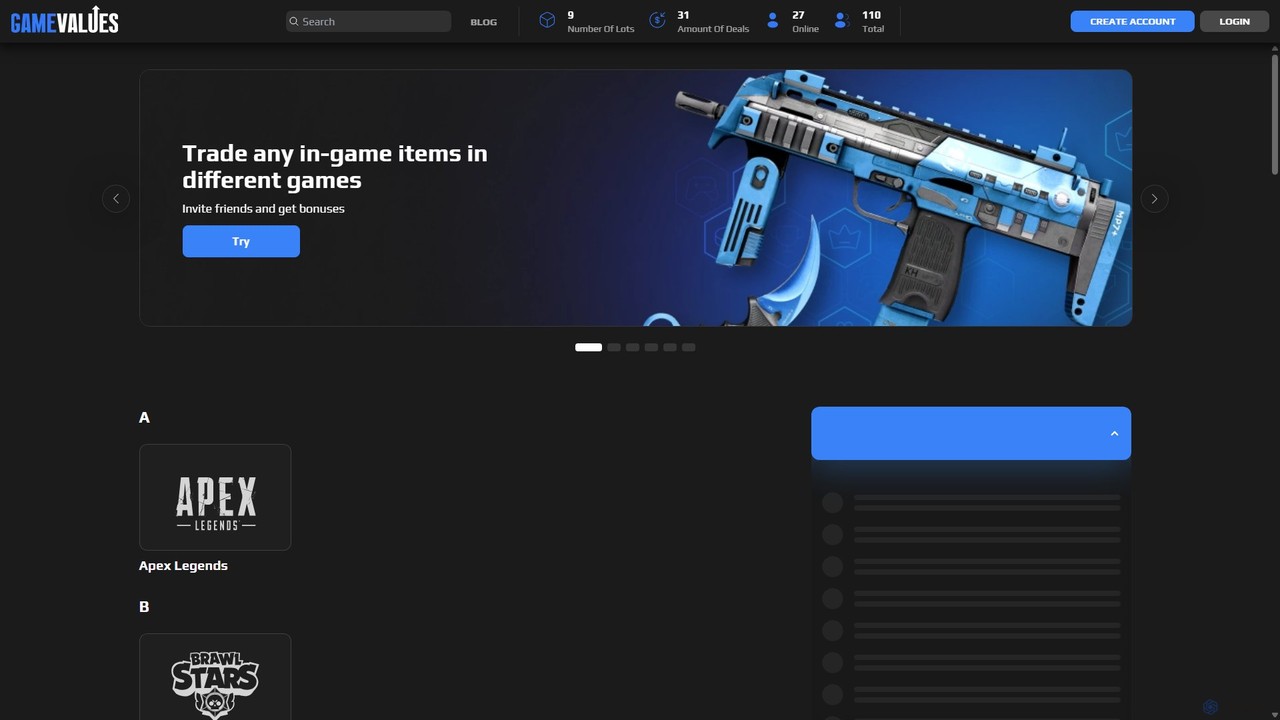
An AI-powered platform for tracking the real-time value of video games, in-game items, and digital collectibles. It provides …

3.7K

About Analytics

AI Gaming Analytics tools are specialized platforms that use artificial intelligence to process and interpret vast amounts of player and game data. These tools employ machine learning models to uncover deep insights into player behavior, game economy balance, and monetization patterns. This enables developers and publishers to make data-driven decisions that enhance player engagement, improve retention, and optimize revenue streams. Unlike general business intelligence platforms, these tools are specifically designed to handle unique gaming metrics such as churn prediction, lifetime value (LTV) forecasting, and live event performance.

Core Features

  • Player Behavior Analysis: Identifies player segments (e.g., whales, casual players), predicts churn risk, and analyzes engagement patterns to understand player motivations.
  • Game Economy Balancing: Monitors in-game currency flows, item drop rates, and virtual goods pricing to maintain a healthy and stable economy.
  • Monetization Optimization: Analyzes in-app purchase data, A/B tests offers, and personalizes promotions to increase conversion rates and average revenue per user (ARPU).
  • LiveOps Performance Tracking: Provides real-time dashboards to measure the impact of in-game events, content updates, and special promotions on player activity.
  • Fraud and Cheat Detection: Uses anomaly detection algorithms to identify bots, cheaters, and fraudulent transactions, ensuring a fair gameplay environment.

Use Cases

AI Gaming Analytics tools are primarily used by game development studios (from indie to AAA), publishers, and marketing teams. Roles such as game designers, product managers, data analysts, and LiveOps managers rely on these tools to balance game mechanics, refine monetization strategies, and plan effective player retention campaigns. They are crucial for managing the lifecycle of free-to-play (F2P) titles and live service games.

How to Choose

When selecting an AI Gaming Analytics tool, consider its integration capabilities with your game engine (e.g., Unity, Unreal Engine) and backend services. Evaluate its scalability to handle your daily active user (DAU) volume and data processing needs (real-time vs. batch). Also, assess the availability of pre-built game-specific models for churn prediction or LTV forecasting, and the user-friendliness of its dashboard and reporting features for non-technical team members.

AnalyticsUse Cases

1

Predicting and Reducing Player Churn

A product manager for a mobile puzzle game notices a drop in 7-day retention. They use an AI analytics tool to analyze the behavior of players who recently quit. The AI model identifies a specific difficult level (Level 45) as a major churn point, where players' session times drop sharply before they stop playing. Based on this insight, the system automatically triggers a targeted intervention: players approaching Level 45 now receive a free 'power-up' item in their inbox. This proactive measure helps players overcome the difficulty spike, reducing churn at this critical point by 15% and improving overall player progression.

2

Optimizing In-Game Store Monetization

A monetization manager for a role-playing game (RPG) wants to increase revenue from the in-game store. Instead of offering the same deals to everyone, they use an AI analytics tool to segment players based on their spending habits and play style. The AI identifies a segment of 'collectors' who value rare cosmetic items but rarely buy consumables. For this segment, the tool automatically generates and displays personalized bundles featuring exclusive skins and mounts. For another segment of 'progress-focused' players, it offers discounted resource packs. This personalized approach results in a 25% increase in in-app purchase conversion rates without changing base item prices.

3

Balancing a Competitive Multiplayer Game

A game designer for a competitive shooter uses an AI analytics platform to monitor game balance after a new patch. The tool ingests millions of match results daily and analyzes metrics like weapon pick rates, kill/death ratios per weapon, and character win rates across different skill brackets (MMR). The AI dashboard highlights that a newly introduced rifle has a significantly higher win rate in high-MMR matches, suggesting it's overpowered. The designer uses this data to justify a targeted nerf in the next hotfix, ensuring the competitive meta remains fair and diverse instead of being dominated by a single strategy.

4

Personalizing Live Events for Player Segments

A LiveOps manager for a free-to-play city-builder game plans a week-long 'Harvest Festival' event. Using an AI analytics tool, they segment their player base into 'New Players', 'Engaged Mid-core', and 'Veteran Spenders'. The tool helps create personalized event tracks for each segment. New players get simpler quests with resource rewards to accelerate their early game progress. Mid-core players face challenging construction goals with exclusive decorative building rewards. Veteran spenders are offered a premium event pass with unique cosmetic items. This tailored approach maximizes participation across all segments, leading to a 30% uplift in overall event engagement compared to previous one-size-fits-all events.

5

Detecting and Banning Bot Accounts

The community management team for a popular MMORPG faces complaints about bots farming resources and disrupting the in-game economy. They deploy an AI analytics tool that monitors player behavior in real-time. The AI is trained to recognize non-human patterns, such as perfectly repetitive movements, 24/7 activity without breaks, and instant market transactions. When the system detects an account with a high probability of being a bot, it automatically flags it for review. This allows the team to efficiently investigate and ban hundreds of bot accounts daily, preserving the integrity of the game economy and improving the experience for legitimate players.

6

Evaluating A/B Tests for New Features

A development team for a strategy game wants to test a new 'Daily Login Bonus' system. They use an AI analytics platform to run an A/B test, rolling out the feature to 20% of the player base (Group A) while the remaining 80% (Group B) serves as the control. Over two weeks, the platform tracks key metrics for both groups. The AI-powered dashboard provides a statistical significance analysis, showing that Group A has a 5% higher day-1 retention rate and a 10% increase in average session length. This clear, data-backed evidence confirms the feature's positive impact, giving the team the confidence to roll it out to all players.

AnalyticsFrequently Asked Questions