Gaming Best in category 3 results Ai Game AI Tool

Popular AI tools in the Ai Game field of Gaming include whatbeatsrock、Allchemy、Doodlocracy, etc., helping you quickly improve efficiency.

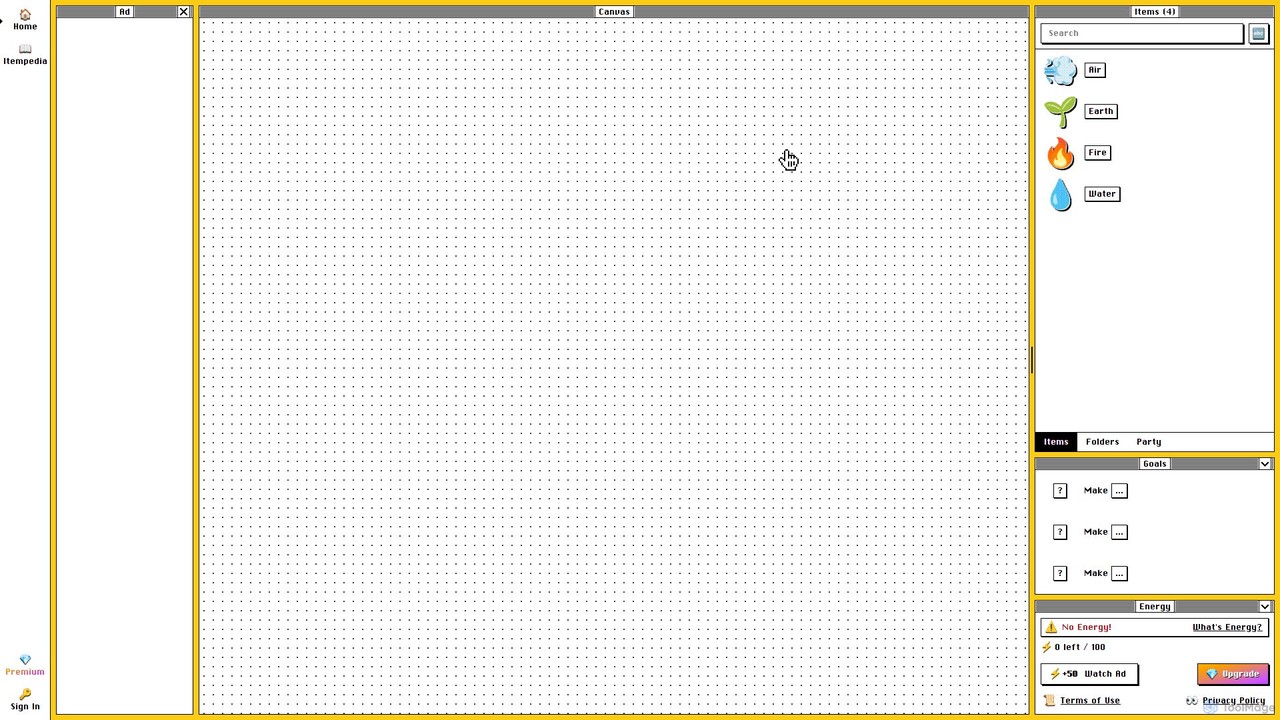
Allchemy

Allchemy

Allchemy is an AI-powered crafting game where you start with basic elements like Air, Earth, Fire, and Water, …

7.9K
Free
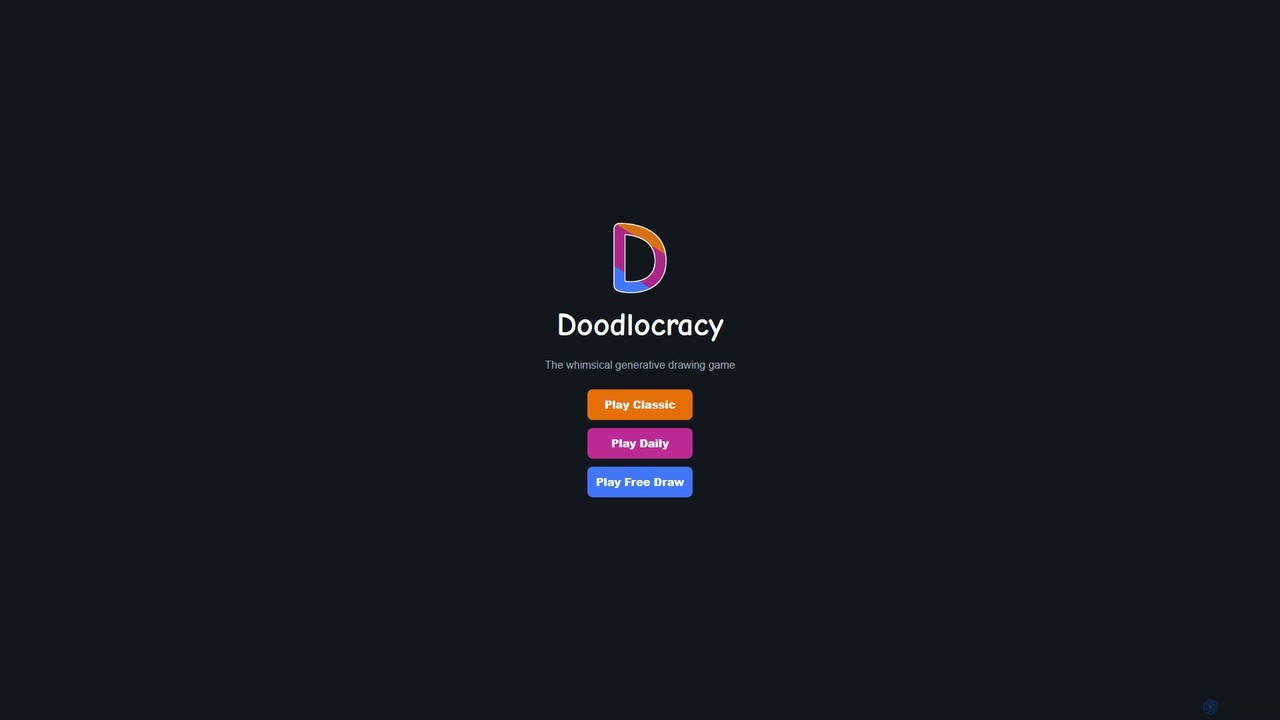
Doodlocracy

Doodlocracy

Doodlocracy is a whimsical AI-powered drawing game where your doodles are transformed by generative AI. Challenge friends in …

6.0K
Free
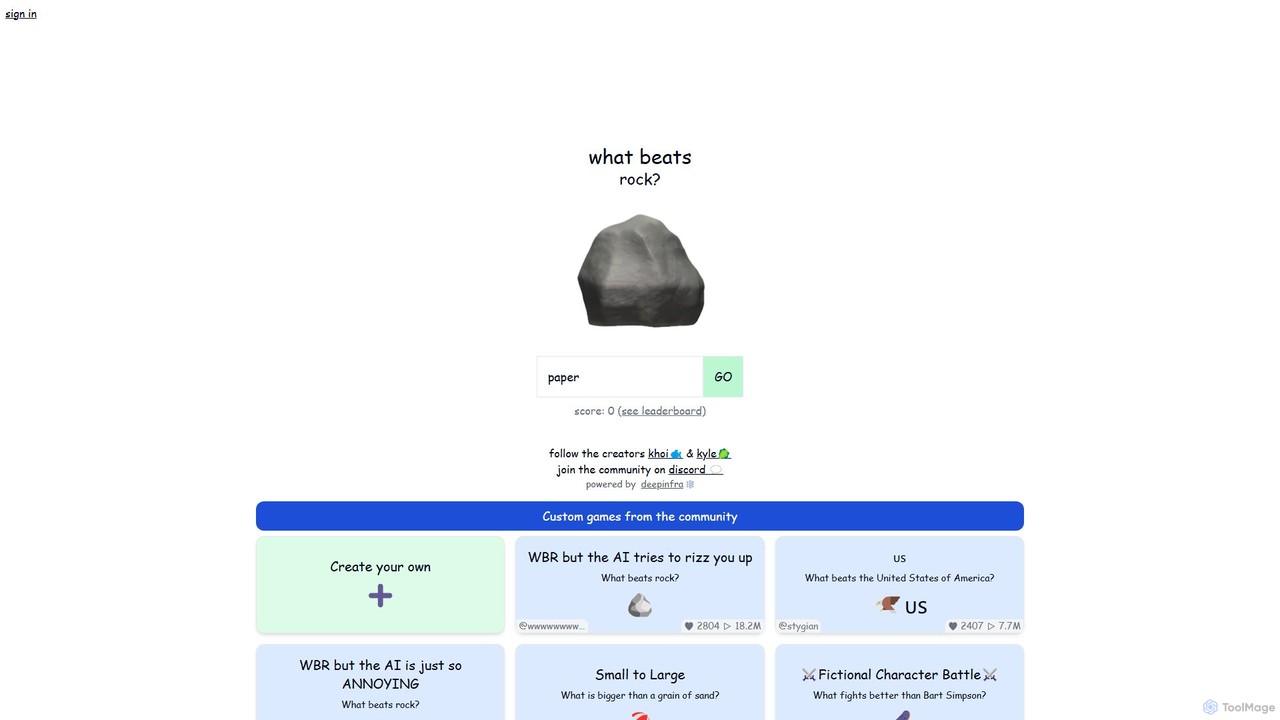
whatbeatsrock

whatbeatsrock

whatbeatsrock is a creative AI-powered word game where players challenge an AI by finding concepts that 'beat' a …

449.1K

About Ai Game

AI Game tools are a category of software that leverage artificial intelligence to innovate game development, gameplay, and player experience. These tools are built upon technologies like machine learning, deep learning, and intelligent agents, enabling automated content generation, sophisticated NPC behaviors, personalized player experiences, and optimized game testing. They significantly enhance game development efficiency and boost the immersion and interactivity of games. AI Game tools are a crucial driver for innovation and differentiation within the modern gaming industry.

Core Features

  • Intelligent NPC Behavior: Empowers game characters with more realistic, adaptive decision-making and interaction capabilities.
  • Procedural Content Generation: Automatically creates diverse game elements like terrain, quests, items, and levels to enrich game worlds.
  • Player Behavior Analysis & Personalization: Learns player preferences to dynamically adjust game difficulty, narrative, or content recommendations.
  • Automated Game Testing: Utilizes AI agents to simulate large-scale player interactions, identifying potential bugs and balance issues.
  • AI Art & Sound Generation: Assists in generating in-game images, textures, music, and sound effects resources.

Use Cases

Game developers utilize AI tools to rapidly generate vast amounts of unique game assets, such as terrain, NPC dialogues, or quests, significantly shortening development cycles. Game designers employ AI-driven NPC behavior simulators to test different strategies and player interactions, optimizing game balance. Operations teams use AI to analyze player data, pushing personalized content or adjusting in-game events for different player segments.

How to Choose

When selecting AI Game tools, consider their functionality match to specific development needs, such as NPC intelligence, content generation, or test automation. Evaluate integration compatibility with existing game engines (e.g., Unity, Unreal Engine) and development pipelines. Assess the learning curve, ease of use, and availability of documentation and community support. Finally, consider performance and scalability for handling large datasets or complex scenarios.

Ai GameUse Cases

1

Designing Intelligent NPC Behaviors

Game designers leverage AI behavior trees or reinforcement learning tools to craft more strategic and environmentally adaptive intelligent behaviors for NPCs (Non-Player Characters). This allows NPCs to act more like human players in combat, exploration, or dialogue, significantly enhancing game challenge and immersion for players.

2

Automating Game World Generation

Independent game developers or large studios utilize AI procedural generation tools to rapidly create vast and diverse game maps, terrains, vegetation, building layouts, and even quest chains. This drastically reduces the manual design workload while ensuring the uniqueness and richness of the content, accelerating the overall development process.

3

Customizing Personalized Player Experiences

Game operations teams or developers utilize AI to analyze player habits, preferences, and performance, dynamically adjusting game difficulty, recommending personalized quests, items, or narrative branches. This provides each player with a unique, tailored gaming experience, significantly improving user retention and satisfaction by making the game feel more responsive to individual playstyles.

4

AI-Assisted Game Art and Asset Creation

Game artists use AI image generation tools to quickly produce various styles of game textures, character skins, prop models, or concept art by inputting concept descriptions or sketches. This accelerates the iteration and production of art assets, allowing artists to explore more creative possibilities and streamline the visual development pipeline.

5

Intelligent Game Testing and Balance Adjustment

QA teams utilize AI agents to simulate thousands or even tens of thousands of game matches, automatically exploring various paths and interactions within the game. This helps discover potential bugs, exploits, or balance issues, enabling efficient testing and optimization before game release to ensure high quality and a fair player experience.

6

Dynamic Narrative and Dialogue Generation

Narrative designers or writers utilize AI natural language generation tools to dynamically create diverse NPC dialogues, quest descriptions, or branching storylines based on player choices or in-game events. This makes game narratives more dynamic and interactive, significantly increasing player immersion and replayability by offering unique story paths.

Ai GameFrequently Asked Questions