ToolMage
Sign in

Best 8 Summarizing AI tools for Writing

Popular Summarizing AI tools in Writing include Smallppt, InfraNodus, Upword, FilePower AI, ThinkAny, AegisMind, Gems, and BlogTweet, helping you work more efficiently.

AegisMind
Freemium

AegisMind

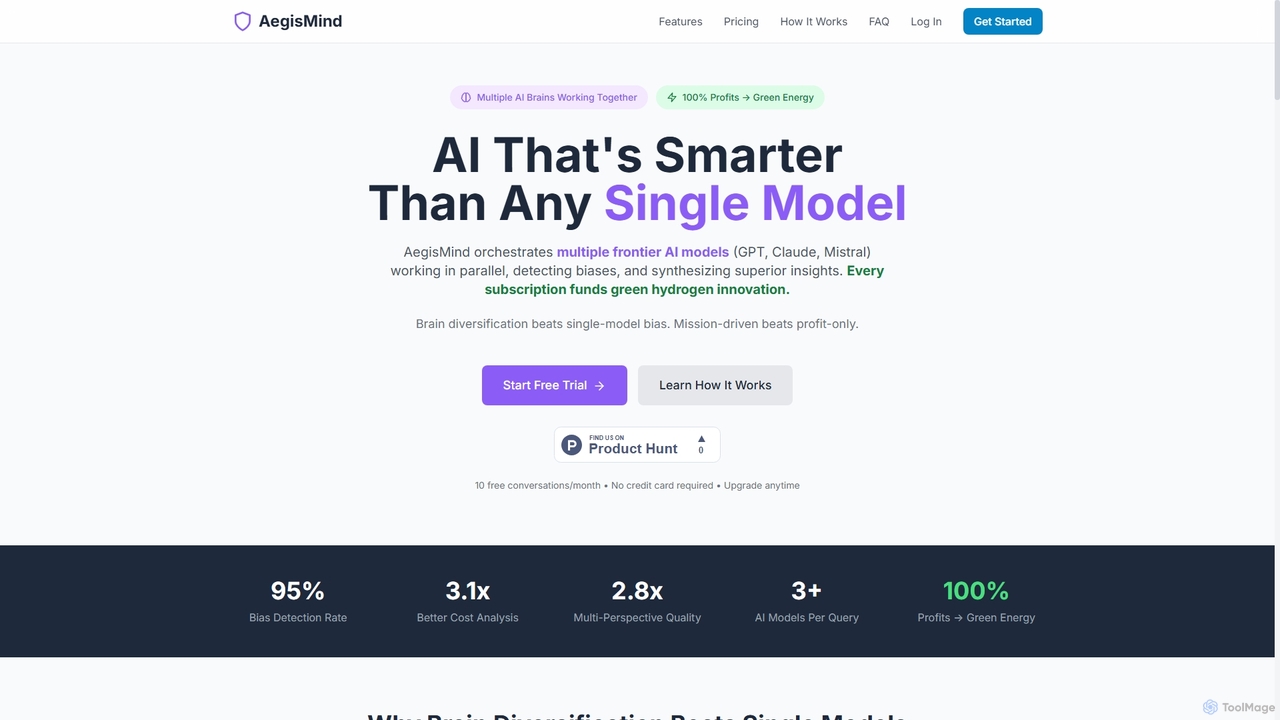
AegisMind is an ensemble AI intelligence system that orchestrates multiple models like GPT, Claude, and Mistral to deliver superior, bias-free insights. It's designed for high-stakes decision-making in finance, research, and strategy. Uniquely, 100% of its profits are directed towards funding green hydrogen energy projects.

Financial Analysis
Visits 3.4KFavorites 142Likes 153
Smallppt
Freemium

Smallppt

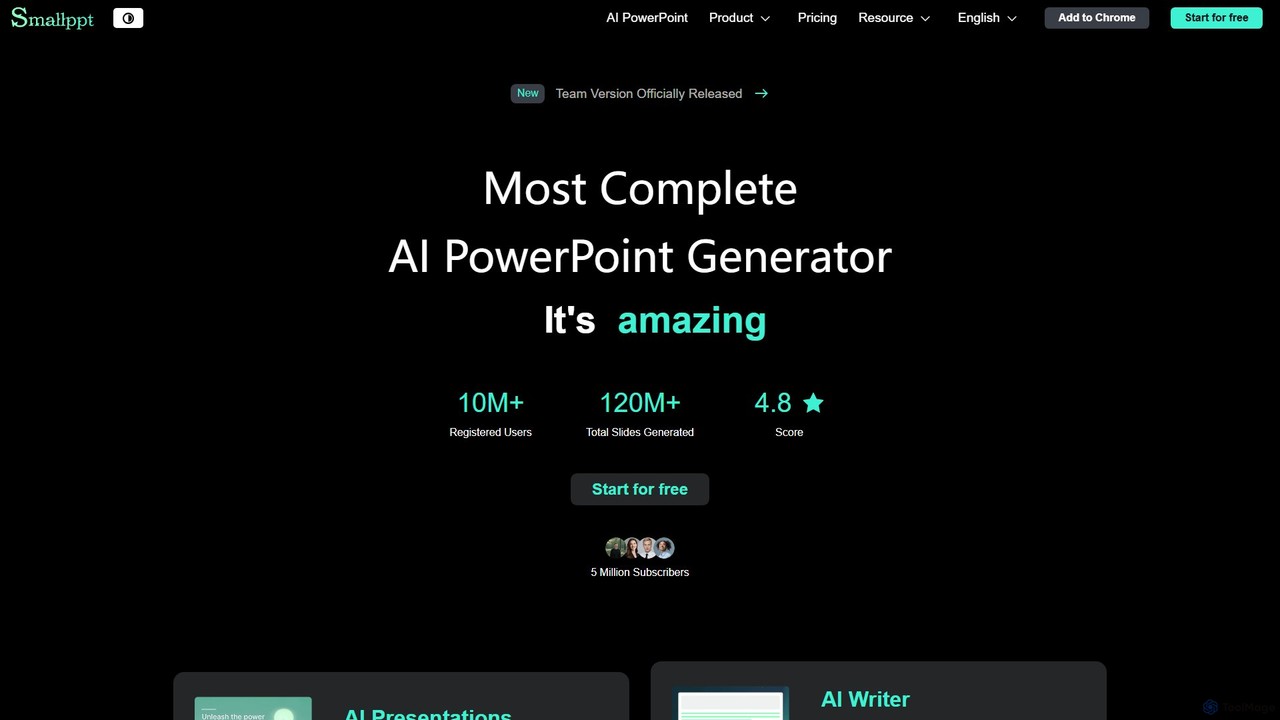
Smallppt is an AI-powered presentation generator that transforms ideas, text, documents, and even audio into professional slides in minutes. It features a suite of tools including an AI writer, summarizer, and mind mapper, designed to enhance productivity for business professionals, educators, and students. With real-time team collaboration and a vast template library, Smallppt streamlines the entire presentation creation process.

Marketing
Visits 293.3KFavorites 114Likes 121
FilePower AI
Freemium

FilePower AI

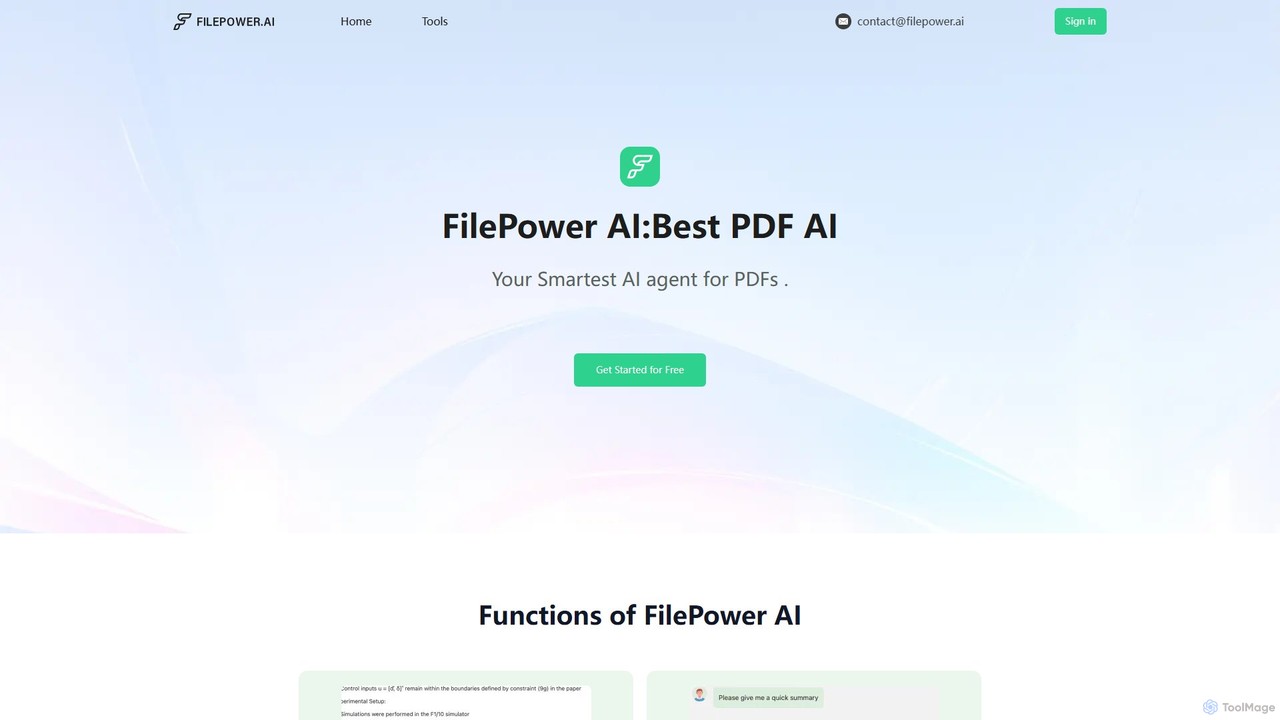
FilePower AI is an intelligent AI agent for documents, specializing in PDF interaction. It allows you to chat with your files, get instant summaries, translate content, and manage your documents efficiently. Powered by advanced LLMs, it offers contextual understanding and supports various file formats, making it ideal for students, researchers, and professionals.

Reporting
Visits 8KFavorites 83Likes 93
BlogTweet
Free

BlogTweet

An AI-powered tool that instantly converts any blog post into an engaging and well-structured X (Twitter) thread. Simply provide a URL and customize the tone, length, and use of emojis and hashtags to repurpose your content for social media.

Content Repurposing
Visits 3.4KFavorites 117Likes 115
Upword
Freemium

Upword

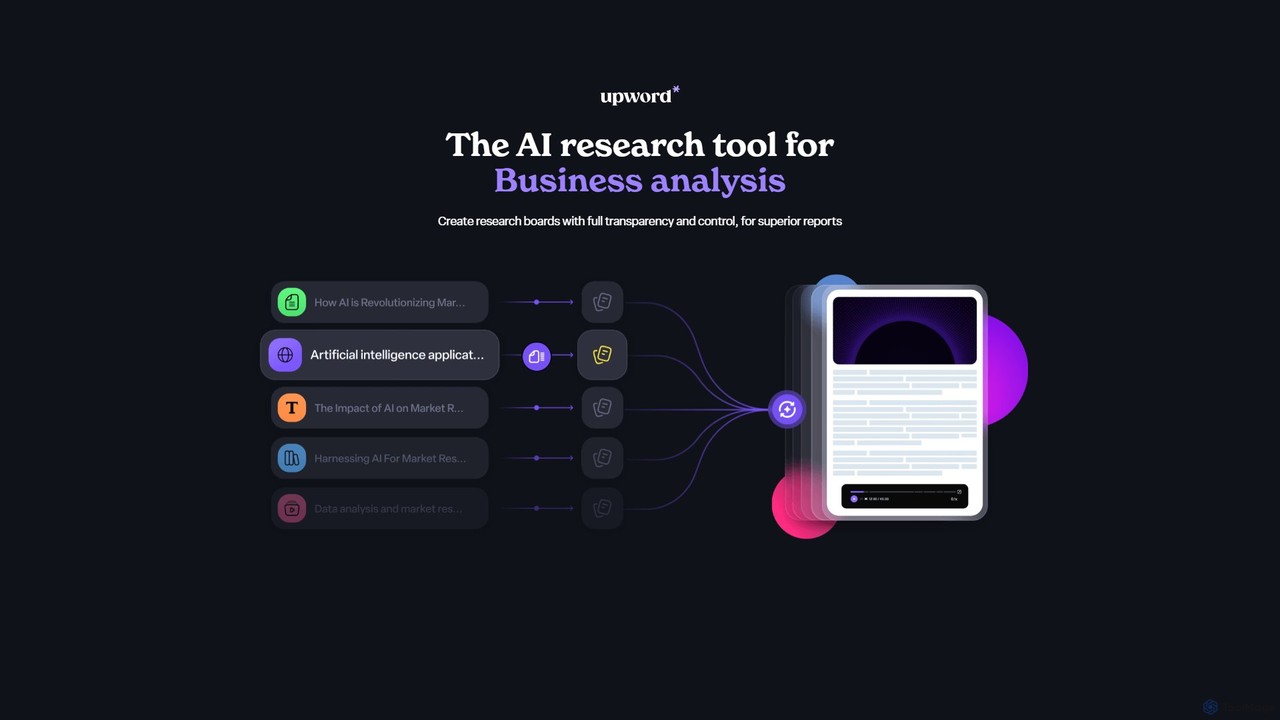
Upword is an AI-powered research platform designed for business analysis and knowledge management. It helps users summarize content from various sources like PDFs, URLs, and YouTube videos, create detailed reports with AI assistance, and organize all research in a centralized, collaborative library. It offers full control over the AI process, ensuring transparent and trustworthy results.

Analysis
Visits 17.7KFavorites 116Likes 134
InfraNodus
Freemium

InfraNodus

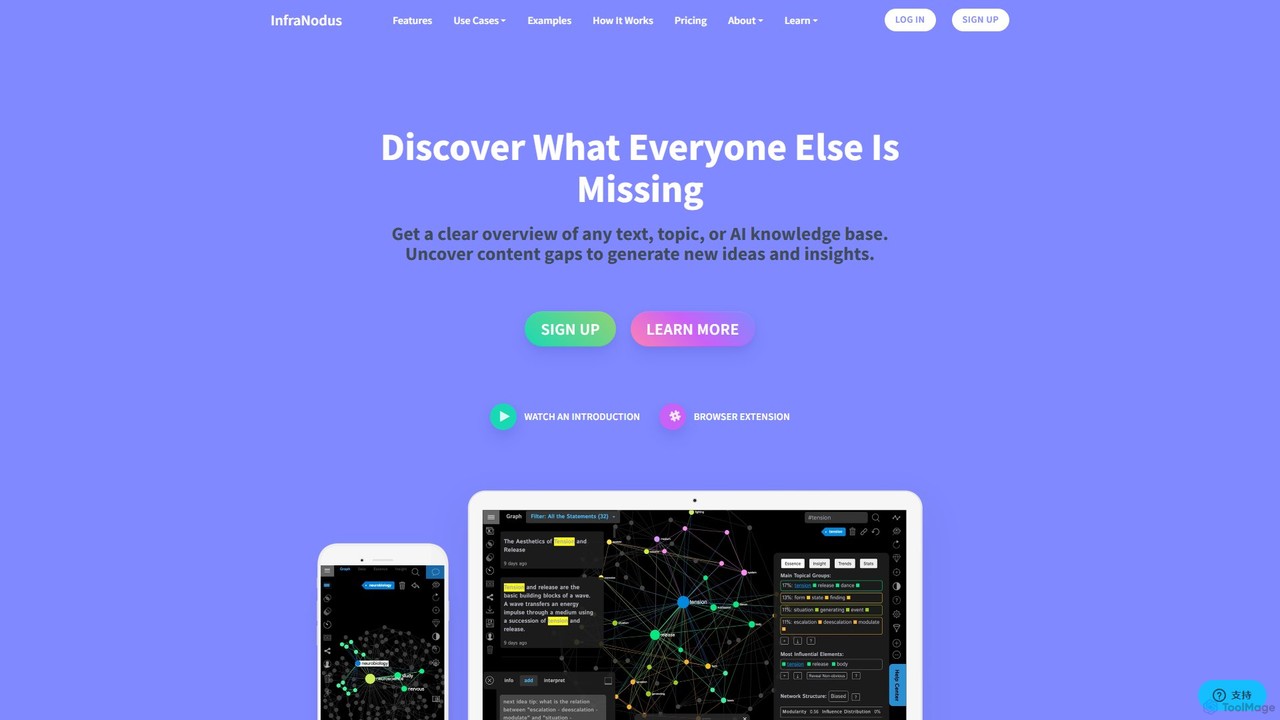
InfraNodus is an AI-powered text analysis and visualization tool that transforms any text into an interactive knowledge graph. It helps researchers, writers, and strategists to identify key topics, uncover structural gaps, and generate novel insights using network analysis and GPT-4. It's designed to enhance thinking, not replace it.

Seo
Visits 74.8KFavorites 132Likes 122
Gems
Freemium

Gems

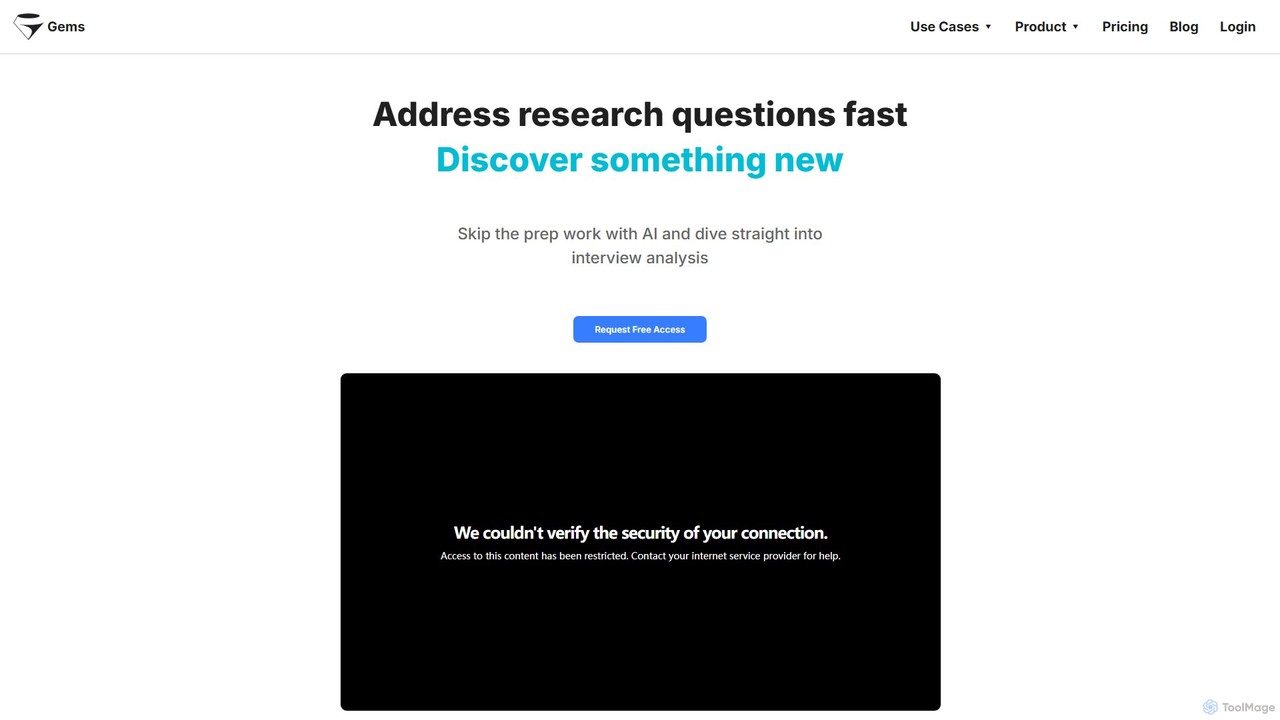
Gems is an AI-powered research platform designed to accelerate qualitative analysis. It transforms interview recordings and other qualitative data into actionable insights by automating transcription, summarization, and thematic analysis. Ideal for UX researchers, founders, journalists, and academics, Gems helps you uncover deep insights and tell impactful stories in a fraction of the time.

Transcription
Visits 3.4KFavorites 108Likes 121
ThinkAny
Freemium

ThinkAny

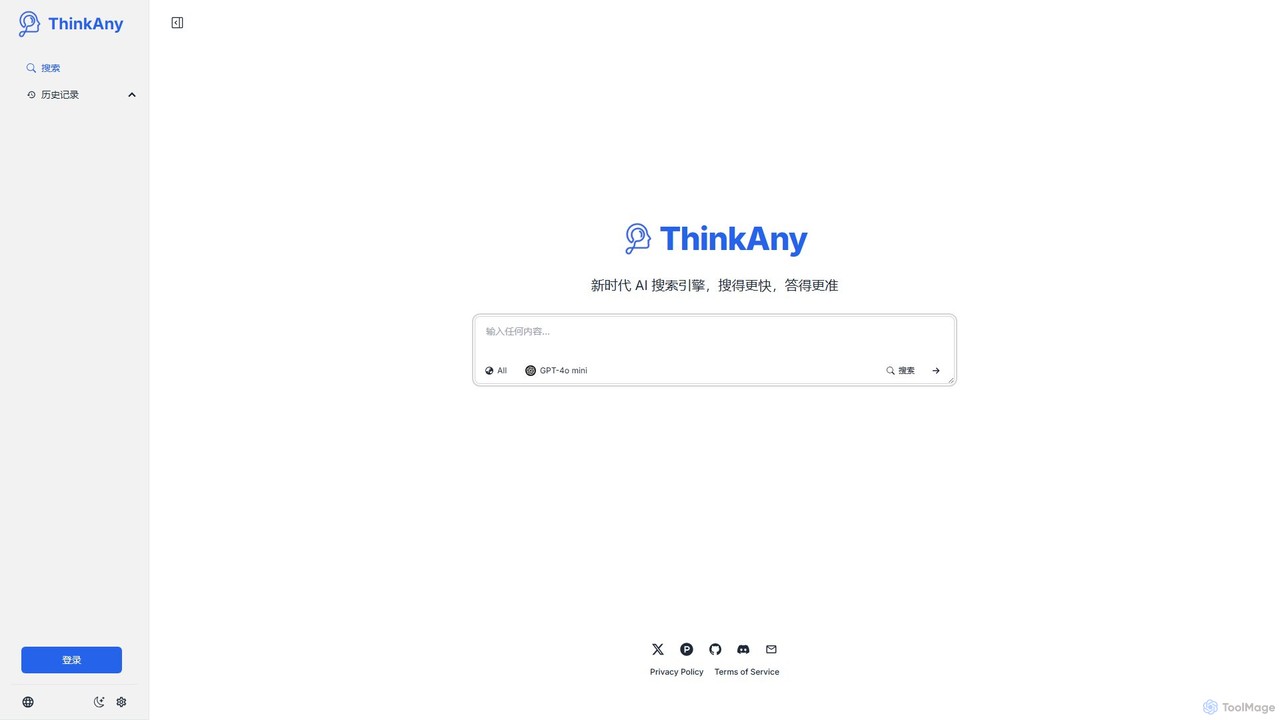
ThinkAny is a new-era AI search engine powered by advanced models like GPT-4o mini. It delivers fast, accurate, and synthesized answers with cited sources, moving beyond traditional link-based search. It's designed for efficient research, learning, and complex problem-solving.

Learning
Visits 7.4KFavorites 93Likes 106

About Summarizing

Summarizing tools are AI-powered applications designed to condense lengthy texts into shorter, coherent, and informative summaries. Leveraging advanced Natural Language Processing (NLP) and machine learning algorithms, these tools identify key information, extract crucial sentences, or generate entirely new concise versions of original content. They significantly enhance information processing efficiency, allowing users to quickly grasp the essence of documents, articles, reports, or transcripts without reading them in full. These tools are invaluable for anyone needing to process large volumes of text, from researchers to content creators, by transforming complex information into easily digestible formats.

Core Features

  • Extractive Summarization: Identifies and extracts the most important sentences or phrases directly from the original text.
  • Abstractive Summarization: Generates new sentences and phrases to convey the core meaning, often paraphrasing the original content.
  • Customizable Length: Allows users to specify the desired summary length, from a few sentences to a percentage of the original.
  • Multi-Document Summarization: Combines information from multiple related documents to create a single, comprehensive summary.
  • Keyword Extraction: Automatically identifies and highlights the most relevant keywords and topics within the summarized content.

Applicable Scenarios

Professionals across various fields utilize summarizing tools to manage information overload. Researchers can quickly review academic papers, journalists can condense news reports for social media, and business analysts can create executive summaries of lengthy market reports. These tools are also essential for students needing to grasp complex study materials or for anyone looking to save time by getting the gist of long emails or articles.

How to Choose

When selecting an AI summarizing tool, consider its accuracy in capturing the main points and its ability to maintain coherence. Evaluate whether it offers both extractive and abstractive summarization options, and if it supports various input formats (e.g., PDF, web pages, plain text). Look for customizable length controls, multilingual support, and integration capabilities with your existing workflows. Finally, assess the pricing model and the tool's overall ease of use to ensure it meets your specific needs and budget.

Featured tool rankings

Summarizing use cases

1

Condensing Research Papers for Literature Review

Academic researchers and students often face vast amounts of literature. An AI summarizing tool can quickly condense lengthy research papers, journal articles, and theses into concise summaries. This allows them to rapidly assess the relevance of a document, identify key findings, methodologies, and conclusions, significantly speeding up the literature review process and informing their own research directions.

2

Generating Executive Summaries for Business Reports

Business professionals, including managers and analysts, frequently need to present complex reports to stakeholders who have limited time. Summarizing tools can automatically create executive summaries from detailed business plans, market analyses, or financial reports. This ensures that decision-makers receive the most critical information upfront, facilitating quicker understanding and more informed strategic decisions.

3

Extracting Key Points from Meeting Transcripts

After long meetings, sifting through detailed transcripts to identify action items, decisions, and key discussion points can be time-consuming. AI summarizers can process these transcripts, extracting the most important elements and generating a concise overview. This helps teams quickly recall what was discussed, assign tasks, and ensure follow-through without manual review of the entire conversation.

4

Simplifying Complex Legal Documents

Legal professionals, or individuals dealing with legal agreements, often encounter dense and jargon-filled documents. Summarizing tools can simplify these complex texts, extracting the core clauses, terms, and conditions into a more understandable format. This aids in quicker comprehension, risk assessment, and communication with clients or non-legal personnel, saving significant time and reducing potential misunderstandings.

5

Summarizing Customer Feedback and Reviews

Product managers and customer service teams need to quickly understand sentiment and common issues from large volumes of customer feedback, surveys, and online reviews. AI summarizing tools can process this unstructured data, identifying recurring themes, common complaints, and popular feature requests. This provides actionable insights for product development and service improvement without manually reading every single comment.

6

Creating Concise News Digests for Content Curation

Content creators, marketers, and journalists often curate news and articles from various sources. Summarizing tools enable them to quickly condense multiple news pieces or blog posts into short, digestible digests. This is ideal for social media updates, internal newsletters, or personal information consumption, allowing them to share or absorb information efficiently while maintaining accuracy.

Summarizing FAQ

What are AI summarizing tools?

AI summarizing tools are software applications that use artificial intelligence, specifically Natural Language Processing (NLP) and machine learning, to automatically condense long pieces of text into shorter, coherent summaries. Their primary goal is to extract or generate the most critical information from a document, making it easier and faster for users to understand the core content without reading the entire original text.

How do AI summarizers work?

AI summarizers typically work in two main ways: extractive and abstractive. Extractive summarizers identify and pull out the most important sentences or phrases directly from the source text based on statistical analysis or semantic understanding. Abstractive summarizers, on the other hand, use advanced neural networks to understand the text's meaning and then generate entirely new sentences to convey that meaning concisely, often paraphrasing the original content. Both methods aim to preserve the key information and overall context.

What's the difference between extractive and abstractive summarization?

The main difference lies in how the summary is generated. Extractive summarization works by identifying and directly copying the most important sentences or phrases from the original document. This method ensures factual accuracy as it uses the exact wording. Abstractive summarization involves the AI understanding the text and then generating new sentences to convey the core information, similar to how a human would paraphrase. Abstractive summaries can be more fluent and concise but carry a higher risk of introducing inaccuracies or information not present in the original text.

How can I choose the best AI summarizer for my needs?

To choose the best AI summarizer, consider several factors. First, evaluate the accuracy and coherence of the summaries it produces for your specific type of content. Second, check for customization options like desired summary length or different summarization modes (extractive vs. abstractive). Third, assess its language support and ability to handle various input formats (e.g., PDFs, web pages). Finally, consider its integration capabilities with your existing tools and its pricing model relative to your budget and usage frequency.

How do AI summarizing tools differ from general AI writing assistants?

AI summarizing tools are specifically designed to condense existing content, focusing on reducing text length while retaining core meaning. Their primary function is transformation – making long texts short. In contrast, general AI writing assistants (part of the broader 'Writing' category) are designed to generate new content from scratch, expand on ideas, or assist with various writing tasks like drafting emails, articles, or creative stories. While some writing assistants might offer basic summarization, dedicated summarizing tools provide more advanced and nuanced condensation capabilities.