API2D is an API aggregator and proxy service that simplifies access to leading AI models like GPT-4, Claude, and Stable Diffusion. It provides a single, unified API key compatible with OpenAI standards, allowing for easy integration into hundreds of existing applications. With a pay-as-you-go pricing model and features like caching and content safety, API2D offers a convenient and cost-effective solution for developers and users to leverage powerful AI capabilities without complex setups or geographical restrictions.
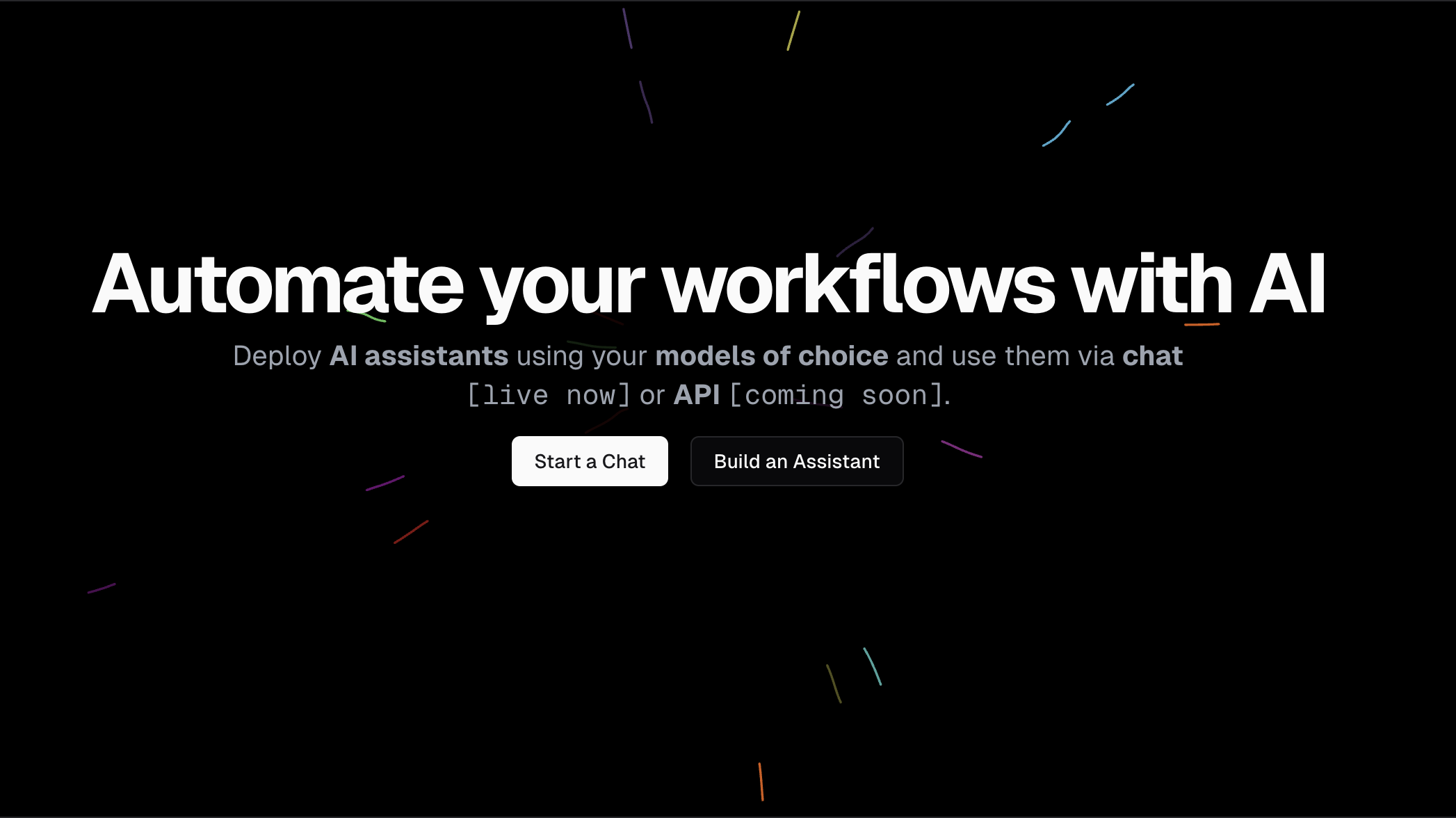
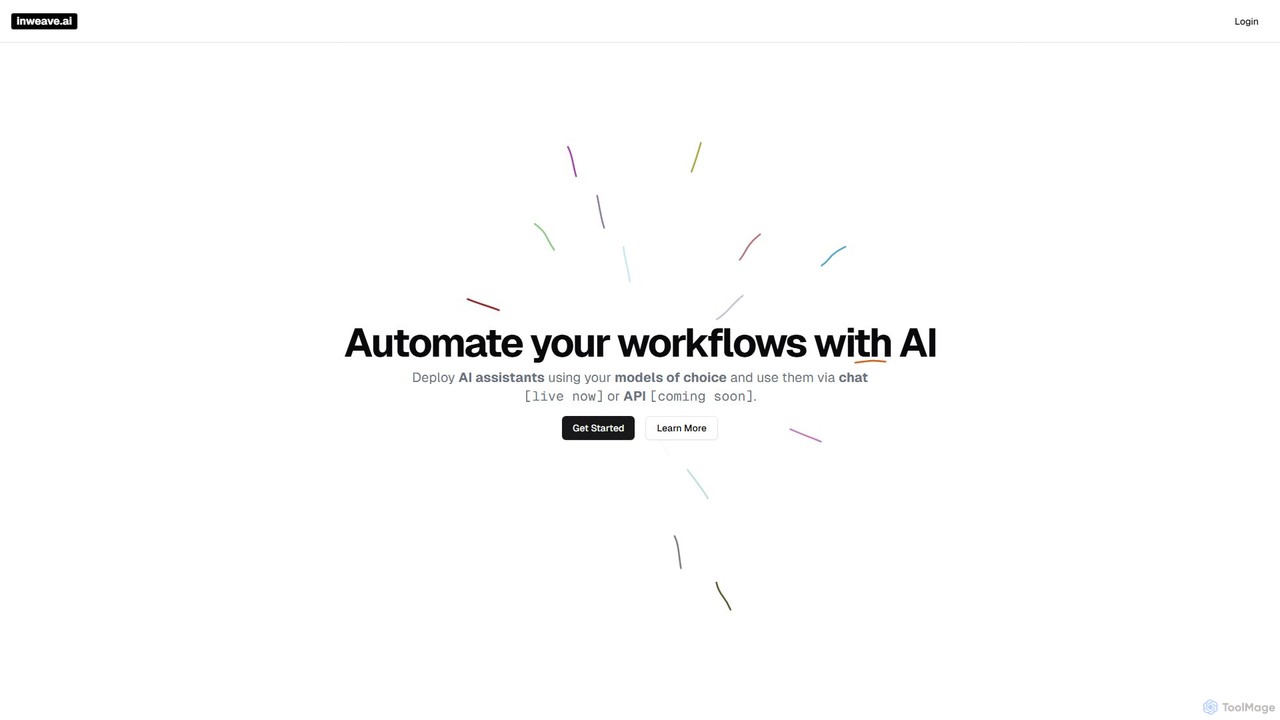
inweave is an AI integration platform designed for startups and developers, providing a unified interface to deploy and manage AI assistants. It allows users to choose from a wide range of models from top providers like OpenAI, Anthropic, and Groq, automating workflows through a simple chat interface or a powerful API. The platform emphasizes flexibility, scalability, and transparent pay-as-you-go pricing, eliminating vendor lock-in and simplifying AI integration.
Product overview
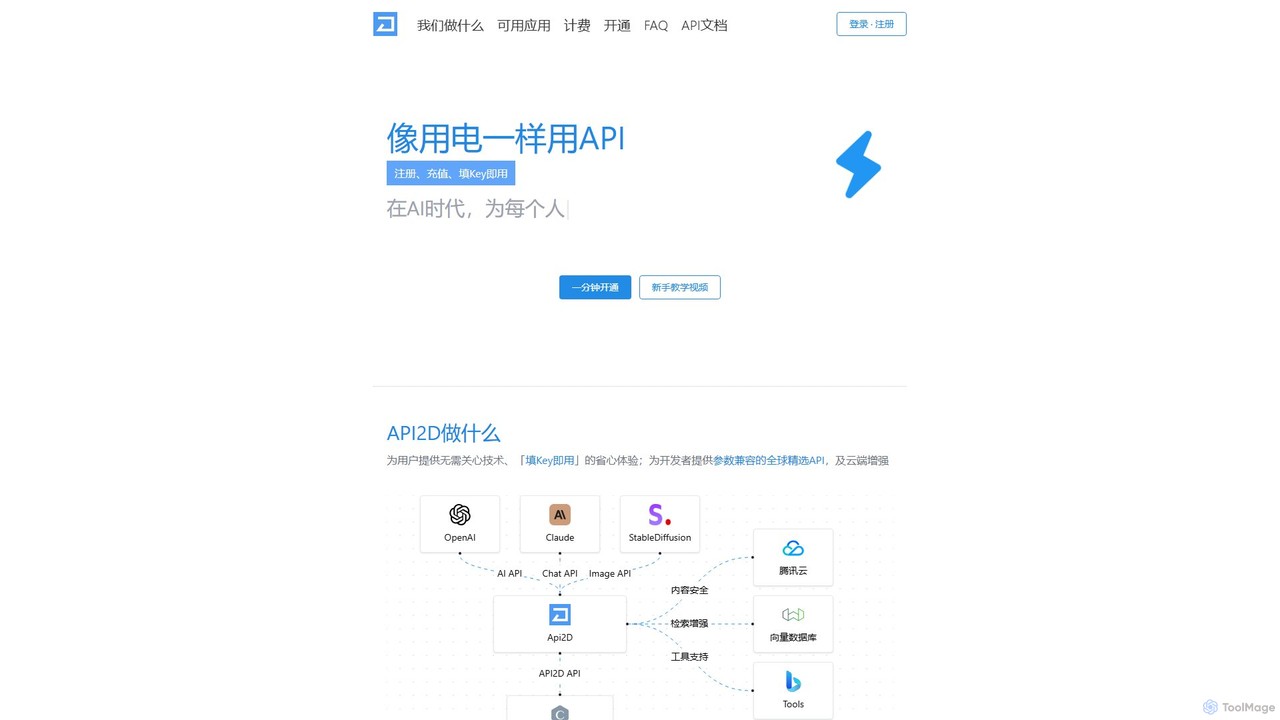
API2D Product overview
API2D is an API aggregator and proxy service that simplifies access to leading AI models like GPT-4, Claude, and Stable Diffusion. It provides a single, unified API key compatible with OpenAI standards, allowing for easy integration into hundreds of existing applications. With a pay-as-you-go pricing model and features like caching and content safety, API2D offers a convenient and cost-effective solution for developers and users to leverage powerful AI capabilities without complex setups or geographical restrictions.
inweave Product overview
inweave is an AI integration platform designed for startups and developers, providing a unified interface to deploy and manage AI assistants. It allows users to choose from a wide range of models from top providers like OpenAI, Anthropic, and Groq, automating workflows through a simple chat interface or a powerful API. The platform emphasizes flexibility, scalability, and transparent pay-as-you-go pricing, eliminating vendor lock-in and simplifying AI integration.
Detailed feature comparison
| Feature | API2D | inweave |
|---|---|---|
| Primary category | Middleware | Startup Tools |
| Added | 2025-08-14 | 2025-08-10 |
| Pricing | Paid | Freemium |
| Official website | api2d.com | inweave.ai |
| Product type | Website | Website |
| Performance data | ||
| User rating | Not verified | Not verified |
| Comments | 0 | 0 |
| Monthly visits | 7.3K | 4K |
| Monthly growth | -19.6% | Not verified |
| Favorites | 117 | 114 |
| Details | View details | View details |
API2D vs inweave monthly traffic
Compare API2D and inweave by monthly reach, traffic trend, visit depth, top regions, and acquisition sources.
How to interpret the traffic data
In the API2D vs inweave monthly traffic comparison, API2D currently shows 7.3K visits and inweave shows 4K; API2D has about 1.8 times the visible traffic of inweave, an absolute difference of about 3.3K visits. This reflects visible reach, not feature quality or paid users.
Only API2D has complete third-party traffic details; inweave uses visits recorded inside ToolMage. These scopes cannot estimate market share directly, and on-site views should not be treated as the product’s total website traffic.
API2D monthly traffic:
Latest traffic
Monthly traffic trend
- 2025/9: 2.4K Monthly visits
- 2026/1: 2.5K Monthly visits
- 2026/2: 739 Monthly visits
- 2026/3: 6.3K Monthly visits
- 2026/4: 9.1K Monthly visits
- 2026/5: 7.3K Monthly visits
Top regions
Top 5 countries/regions
| Country/region | Percentage | Traffic |
|---|---|---|
| 🇺🇸United States | 67.8% | 4.9K |
| 🇨🇳China | 32.2% | 2.3K |
Traffic sources
| Source type | Percentage | Traffic |
|---|---|---|
| Direct | 89.58% | 6.5K |
| Referral | 10.42% | 760 |
Search keywords
inweave monthly traffic:
Latest traffic
Usage comparison
Compare the core capabilities of API2D and inweave
API2D Core features
inweave Core features
Use cases
API2D Use cases
inweave Use cases
API2D vs inweave:In-depth comparison and selection guidance
First decide whether the products solve the same kind of need
This in-depth API2D vs inweave comparison uses only the product records, taxonomy, audience, traffic, and community signals available on this page. API2D is primarily listed under “Middleware”, while inweave is primarily listed under “Startup Tools”, so the first decision is whether your actual task matches their recorded scope.
The structured fields currently show these decision-relevant differences: Primary category (API2D: Middleware; inweave: Startup Tools); Pricing (API2D: Paid; inweave: Freemium); Monthly visits (API2D: 7.3K; inweave: 4K); Favorites (API2D: 117; inweave: 114); Website (API2D: api2d.com; inweave: inweave.ai). These facts are more useful for selection than brand visibility alone.
What market visibility and monthly traffic mean
In the API2D vs inweave monthly traffic comparison, API2D currently shows 7.3K visits and inweave shows 4K; API2D has about 1.8 times the visible traffic of inweave, an absolute difference of about 3.3K visits. This reflects visible reach, not feature quality or paid users.
Only API2D has complete third-party traffic details; inweave uses visits recorded inside ToolMage. These scopes cannot estimate market share directly, and on-site views should not be treated as the product’s total website traffic.
The current traffic scope is not sufficient for a reliable product ranking. Treat monthly visits as a market-interest signal, then decide using taxonomy, use cases, pricing, and a like-for-like trial rather than reading exposure as product capability.
Product positioning, use cases, and roles
API2D and inweave currently overlap in shared categories: Api Management; shared tags: API, Claude, developer tools, gpt-4, and OpenAI. This can place both on the same shortlist, but it does not prove equal implementation, depth, or cost.
API2D's unique categories/tags are Middleware, Automation, AI integration, API gateway, API proxy, middleware, pay as you go, and stable diffusion; inweave's are Startup Tools, Workflow Automation, AI assistant, anthropic, LLM gateway, multi-model, startup tools, and workflow automation. These unique fields are the strongest differentiators: validate the product whose recorded scope matches the task instead of following traffic alone.
What ratings, comments, and favorites can tell you
API2D has no verified rating, 0 comments, 117 favorites, and 114 likes;inweave has no verified rating, 0 comments, 114 favorites, and 123 likes。
Neither product has enough rating or comment samples for a credible reputation ranking.
Selection guidance by actual need
When to evaluate API2D first
Put API2D on the priority trial list when the task aligns with “Middleware” and especially Middleware, Automation, AI integration, API gateway, API proxy, and middleware. This follows recorded positioning and does not imply unlisted capabilities are absent.
API2D also currently records: pricing is paid, product type is website, 7.3K verified monthly visits, no verified user rating. Verify any hard requirement around price, platform, or reach before trial, and do not let sparse review data substitute for testing.
When to evaluate inweave first
Put inweave on the priority trial list when the task aligns with “Startup Tools” and especially Startup Tools, Workflow Automation, AI assistant, anthropic, LLM gateway, and multi-model. This follows recorded positioning and does not imply unlisted capabilities are absent.
inweave also currently records: pricing is freemium, product type is website, 4K on-site monthly views, no verified user rating. Verify any hard requirement around price, platform, or reach before trial, and do not let sparse review data substitute for testing.
How to validate the recommendation before deciding
The available data describes positioning, public visibility, and community signals, but it cannot prove output quality, speed, integration effort, privacy, or long-term cost in your workflow. Before deciding, run the same representative tasks in API2D and inweave, then record completion time, accuracy, manual corrections, and the real paid threshold. A like-for-like trial turns this comparison into a defensible adoption decision.
Comparison FAQ
How should I choose between API2D and inweave?
Where does this comparison data come from?
What do unknown fields mean?
Related AI tools

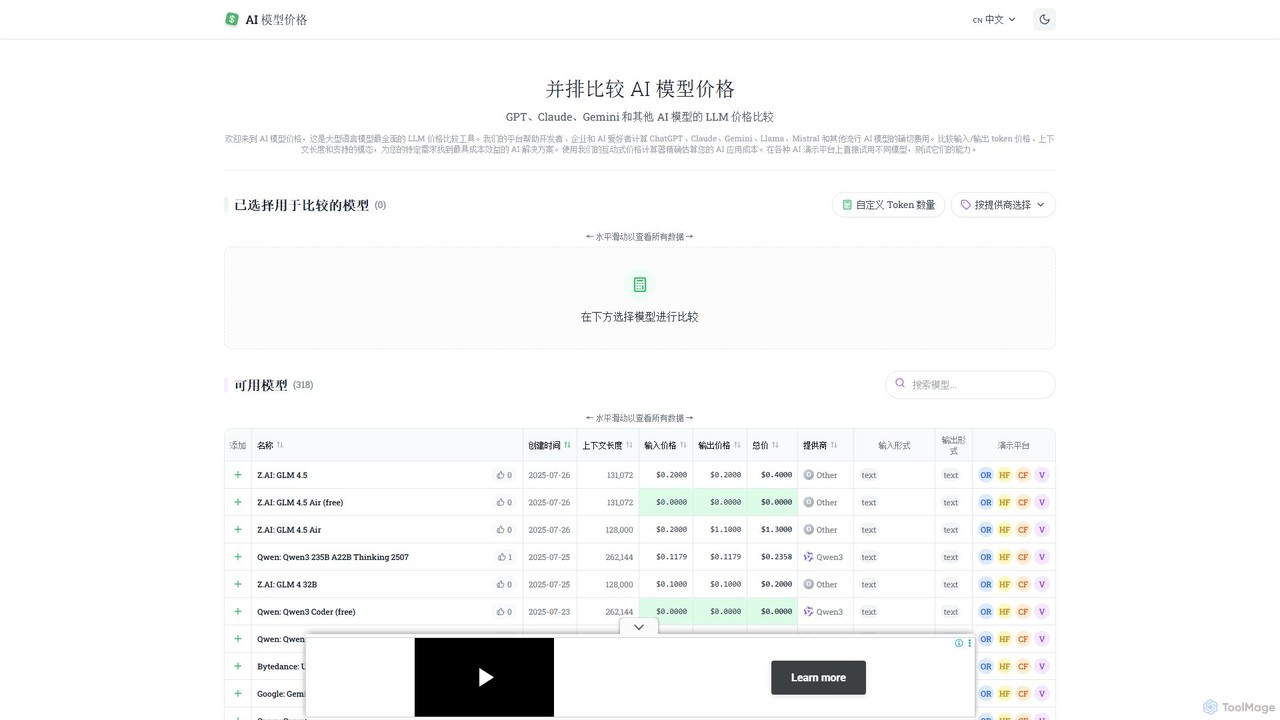
llm_price
llm_price is a comprehensive comparison tool for Large Language Model (LLM) API pricing. It enables developers, businesses, and AI enthusiasts to easily compare the costs of hundreds of models from providers like OpenAI, Google, Anthropic, and Mistral. With an interactive cost calculator and side-by-side analysis of token prices, context lengths, and modalities, it simplifies the process of selecting the most cost-effective AI solution for any project.
Api Management
TheB.AI
TheB.AI is an all-in-one AI platform providing unified access to a diverse range of advanced language and image generation models. It offers a user-friendly web app and a powerful API for seamless integration, featuring real-time search, long-term memory, and team collaboration tools.
Chat
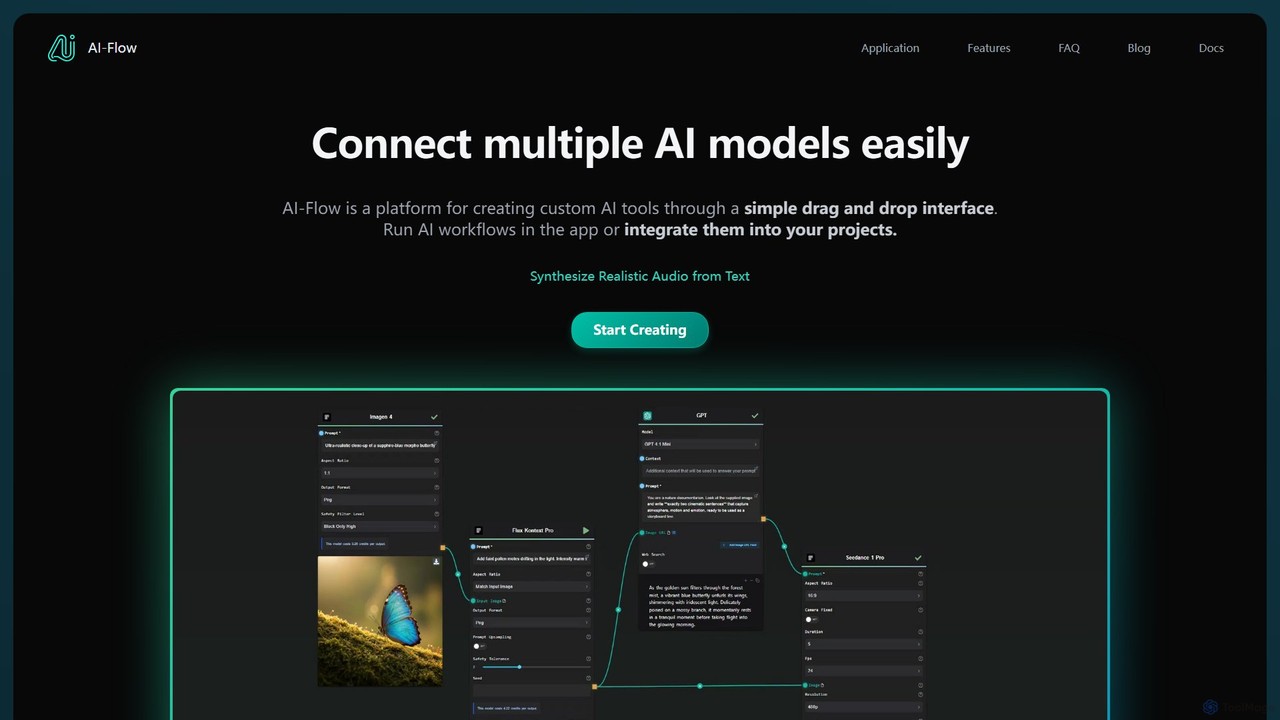
AI-Flow
AI-Flow is a no-code platform for creating custom AI tools and complex workflows. It features a simple drag-and-drop interface to connect and chain multiple AI models from providers like OpenAI, StabilityAI, and Anthropic. Users can build, run, and integrate these AI workflows into their projects via API, automating tasks from content creation to data analysis.
No Code
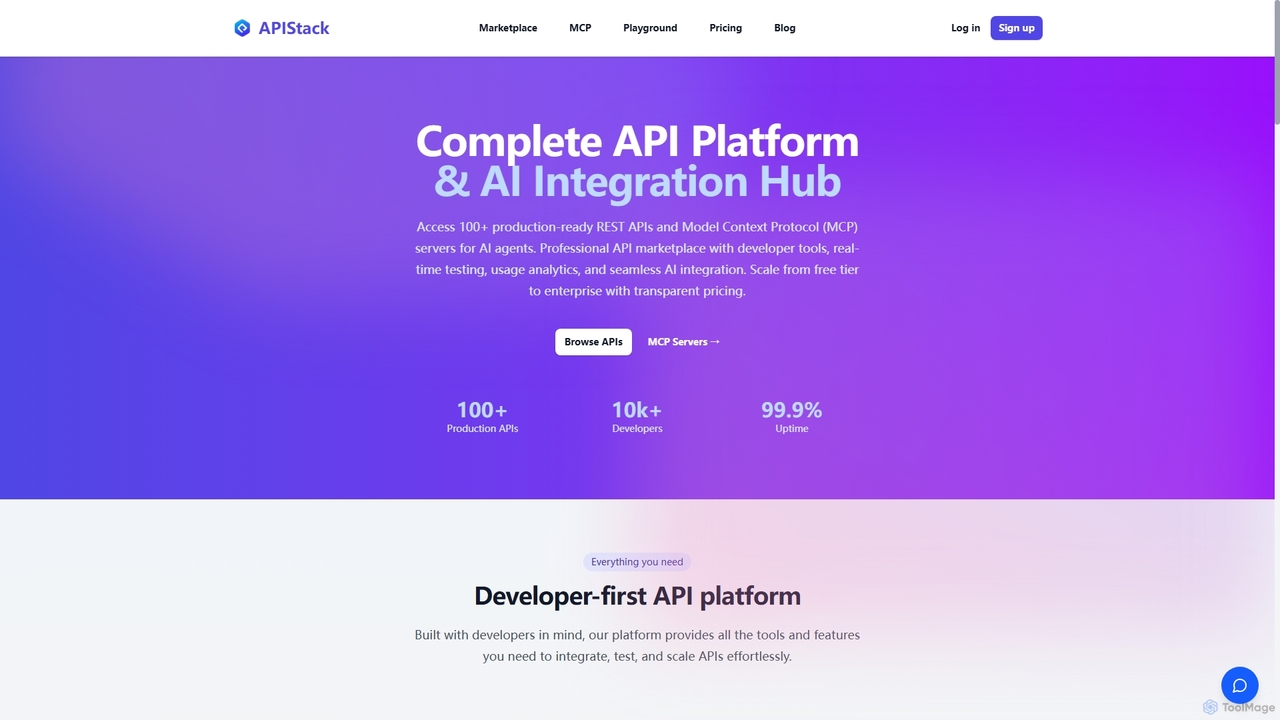
Apistack
Apistack is an enterprise API marketplace and AI integration hub, offering over 100 production-ready REST APIs. It features a developer-first platform with tools for real-time testing, usage analytics, and seamless integration with AI agents like ChatGPT and Claude via Model Context Protocol (MCP) servers.
Integration
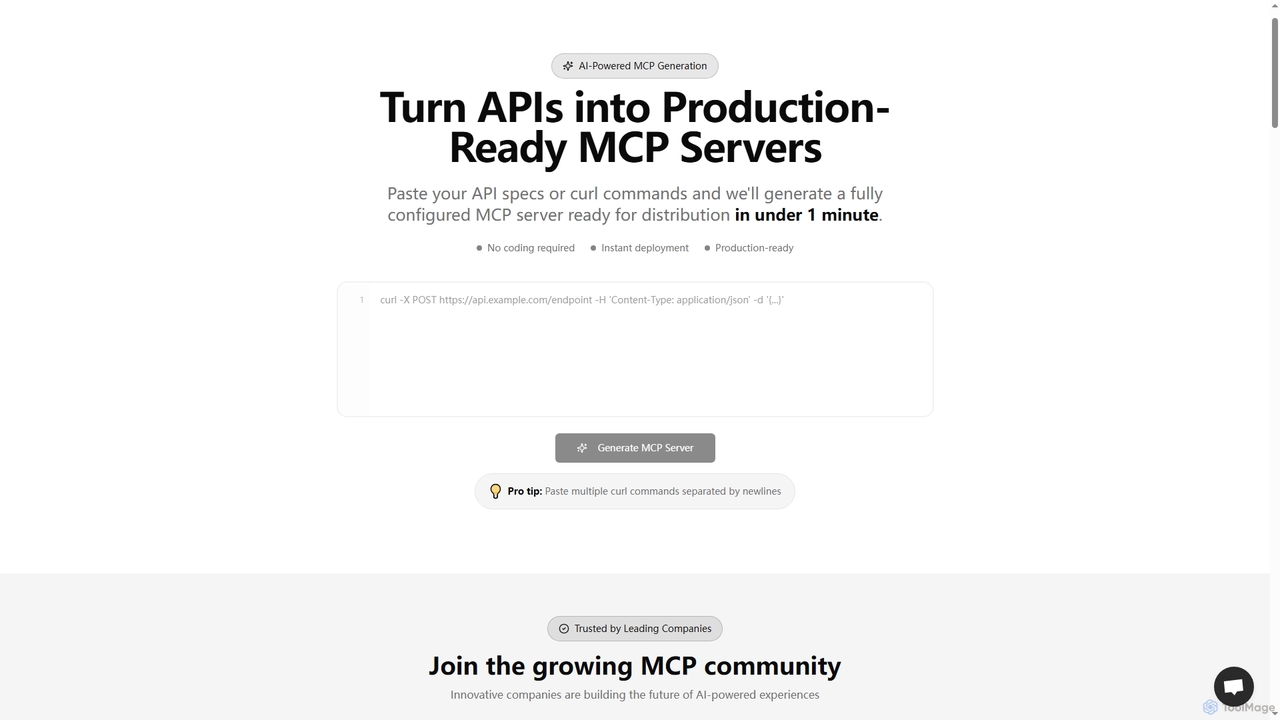
Mcpfy
An AI-powered platform that generates production-ready MCP (Model Context Protocol) servers from API specs or curl commands in under a minute. It enables businesses to securely connect their APIs and data sources with AI assistants like ChatGPT and Claude, offering instant deployment, customer analytics, and enterprise-grade security without coding.
Integration
OpenAI API Playground
An interactive web-based interface for developers and researchers to experiment with OpenAI's powerful AI models like GPT-4 and DALL-E. Test prompts, adjust parameters, and generate code snippets for API integration without writing any initial code.
Personal
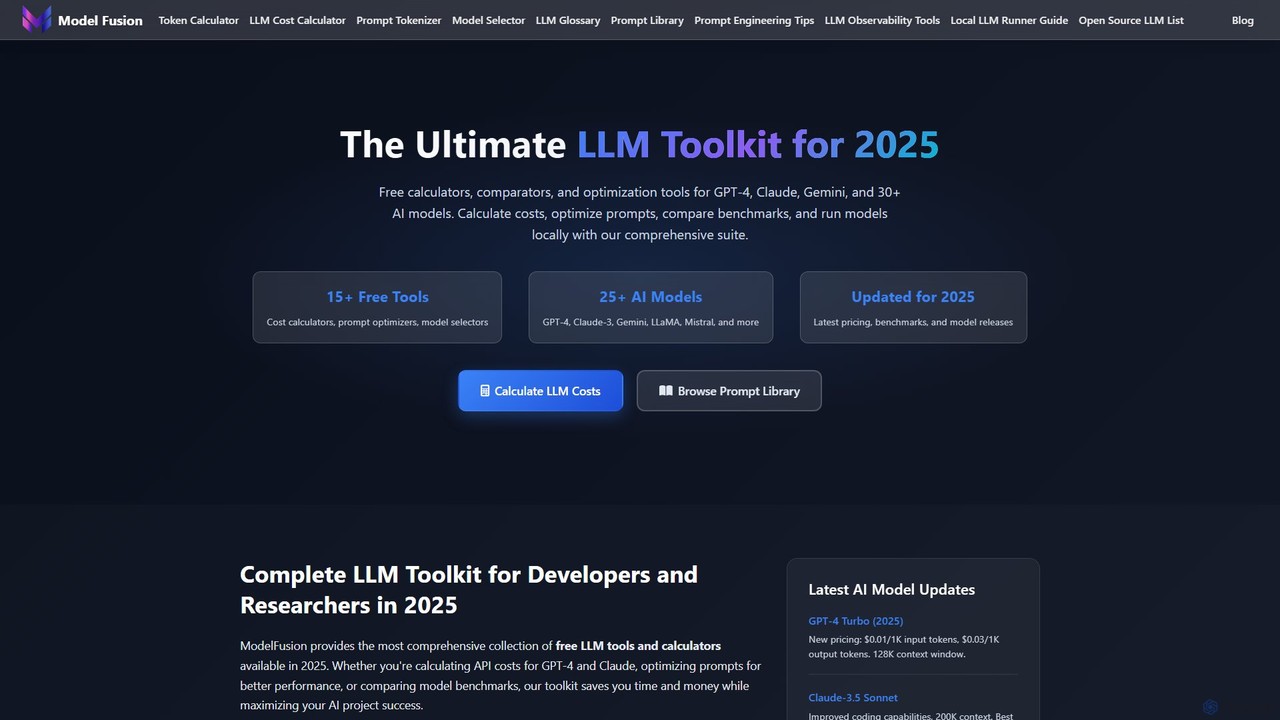
ModelFusion
ModelFusion is an all-in-one LLM toolkit for developers and researchers. It offers a suite of free tools, including a cost calculator, prompt library, and model comparator for over 30 AI models like GPT-4, Claude, and Gemini. It also provides a unified API and local model running guides to streamline AI development and optimize costs.
Api
gptping
An AI-powered platform for monitoring and benchmarking the performance, latency, and cost of various Large Language Models (LLMs). It helps developers and businesses choose the best model for their applications and ensure optimal performance and cost-efficiency.
Analytics
OpenRouter
OpenRouter is a unified API gateway for developers, providing access to over 400 AI models from 60+ providers like OpenAI, Google, and Anthropic. It simplifies development with a single API, offers competitive pay-as-you-go pricing, automatic failovers for high availability, and intelligent model routing to optimize cost and performance.
Model Deployment
MindMac
MindMac is a powerful, native macOS client that provides a unified interface for interacting with a vast range of AI models, including OpenAI's GPT, Google Gemini, Claude, and local LLMs. It enhances productivity with features like an inline mode for use in any app, a rich prompt library, and extensive customization. It prioritizes privacy and security by storing API keys locally and communicating directly with AI providers.
Macos
Intervo
Intervo is an open-source platform for businesses to build and deploy intelligent voice and chat AI agents. It automates customer interactions, streamlines workflows, and enhances lead qualification, customer support, and internal operations with advanced conversational AI.
Chatbot
AgentLabs
AgentLabs is a Frontend-as-a-Service (FaaS) platform for developers, enabling the rapid creation and deployment of professional, user-facing interfaces for AI agents. Connect your backend logic (like LangChain or OpenAI Assistants) to get a fully functional, customizable, and embeddable frontend in minutes, complete with user management and conversation history.
Agent Building
Trainkore
Trainkore is a unified platform for developers to optimize LLM operations. It automates prompt generation, dynamically switches between AI models like GPT-4o and Gemini to reduce costs by up to 85%, and provides a comprehensive observability suite for performance monitoring and debugging. It simplifies integration and enhances AI application development.
Cost Management
Summon
Summon is a developer platform designed to make your product's APIs AI-ready. It enables you to effortlessly generate, test, and deploy secure MCP servers from OpenAPI specs, making your services instantly accessible to major AI clients like ChatGPT, Copilot, and Gemini. By bridging the gap between your APIs and the AI ecosystem, Summon helps you unlock new distribution channels, increase user engagement, and provide seamless, AI-powered workflows for your customers.
Agent Development
PromptPerfect
PromptPerfect is an advanced AI prompt engineering toolkit designed to help users create, optimize, and analyze prompts for large language and diffusion models like GPT-4, Claude, and Midjourney. It enhances the quality and relevance of AI-generated content, images, and code, saving time and effort for creators, marketers, and developers.
Image Generation