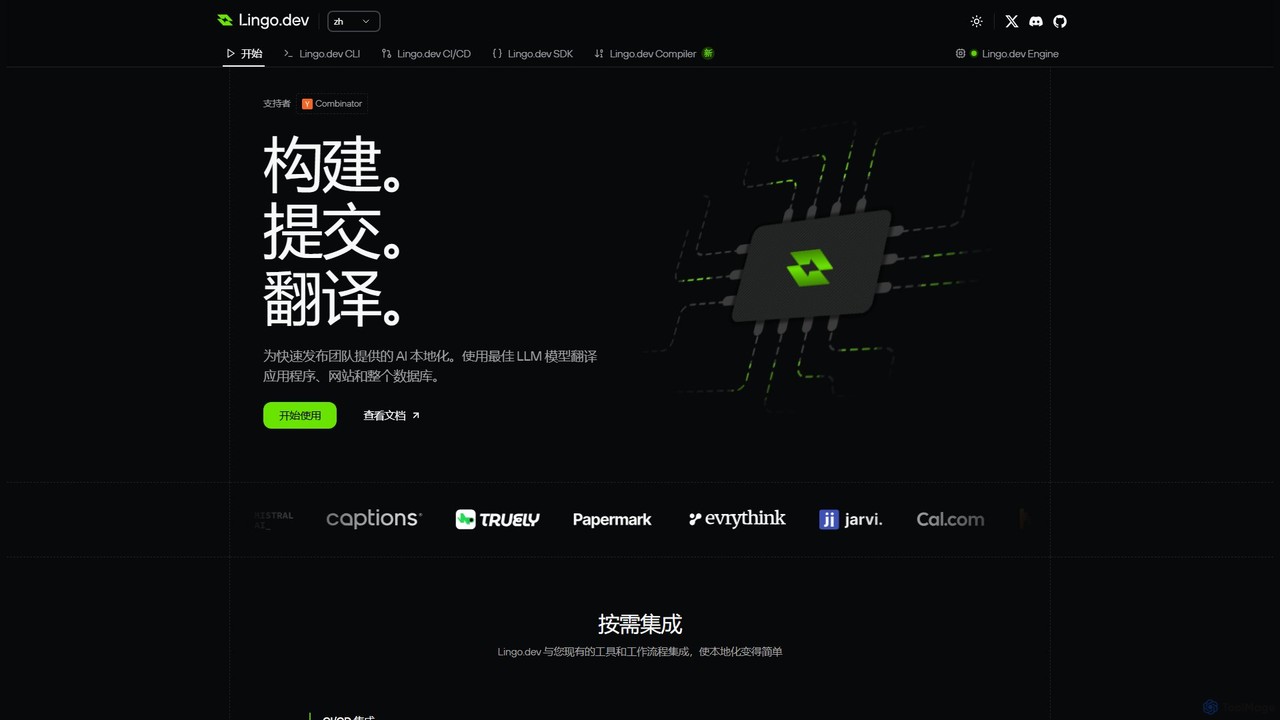
Lingo.dev is an AI-powered localization platform designed for developers. It automates the translation of web and mobile applications by integrating directly into your CI/CD pipeline and Git workflow, using advanced LLMs to provide fast, context-aware, and high-quality translations.
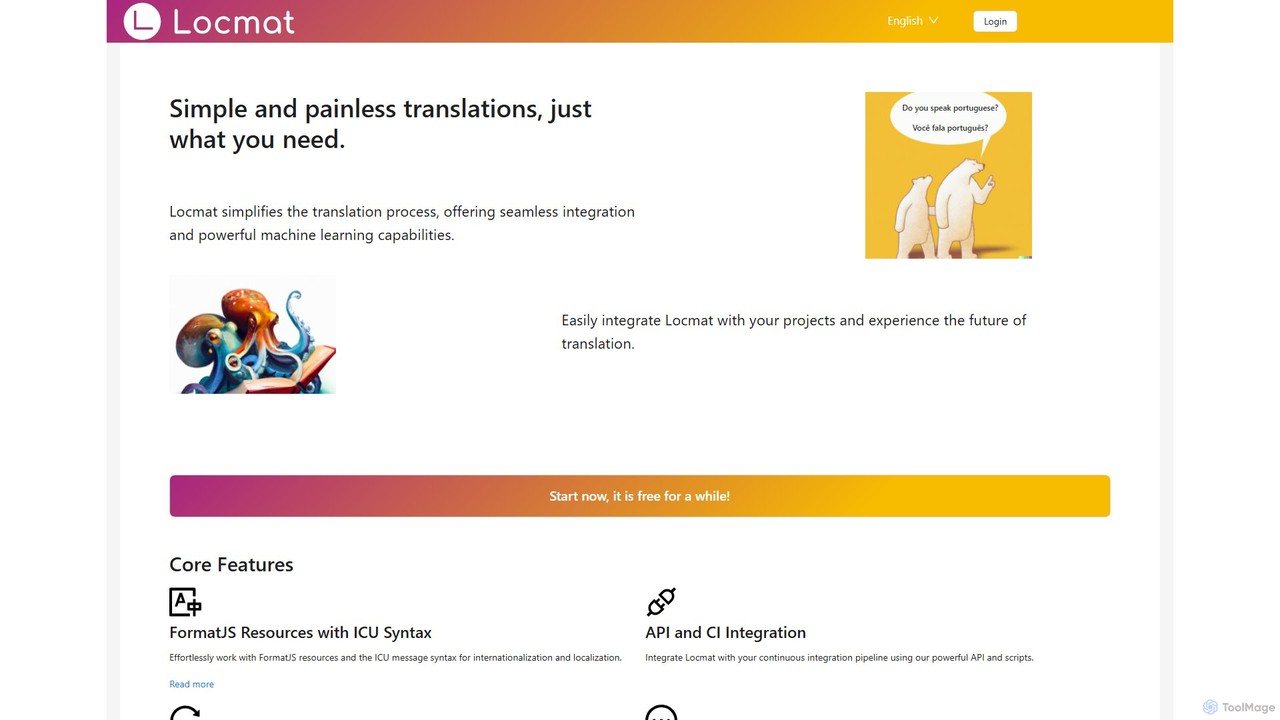
Locmat is an AI-powered Translation Management System (TMS) designed for developers. It simplifies the localization process with seamless CI/CD and API integration, automatic machine translation enhanced by ChatGPT, and native support for FormatJS and ICU syntax, making internationalization efficient and painless.
Product overview
Lingo.dev Product overview
Lingo.dev is an AI-powered localization platform designed for developers. It automates the translation of web and mobile applications by integrating directly into your CI/CD pipeline and Git workflow, using advanced LLMs to provide fast, context-aware, and high-quality translations.
Locmat Product overview
Locmat is an AI-powered Translation Management System (TMS) designed for developers. It simplifies the localization process with seamless CI/CD and API integration, automatic machine translation enhanced by ChatGPT, and native support for FormatJS and ICU syntax, making internationalization efficient and painless.
Detailed feature comparison
| Feature | Lingo.dev | Locmat |
|---|---|---|
| Primary category | Automation | Text Generation |
| Added | 2025-08-14 | 2025-08-04 |
| Pricing | Freemium | Freemium |
| Official website | lingo.dev | locmat.app |
| Product type | Website | Website |
| Performance data | ||
| User rating | Not verified | Not verified |
| Comments | 0 | 0 |
| Monthly visits | 17.2K | 4.1K |
| Monthly growth | -31.8% | Not verified |
| Favorites | 101 | 109 |
| Details | View details | View details |
Lingo.dev vs Locmat monthly traffic
Compare Lingo.dev and Locmat by monthly reach, traffic trend, visit depth, top regions, and acquisition sources.
How to interpret the traffic data
In the Lingo.dev vs Locmat monthly traffic comparison, Lingo.dev currently shows 17.2K visits and Locmat shows 4.1K; Lingo.dev has about 4.2 times the visible traffic of Locmat, an absolute difference of about 13.1K visits. This reflects visible reach, not feature quality or paid users.
Only Lingo.dev has complete third-party traffic details; Locmat uses visits recorded inside ToolMage. These scopes cannot estimate market share directly, and on-site views should not be treated as the product’s total website traffic.
Lingo.dev is registered at the lingo.dev/zh subpage. Because the current data does not state whether other host pages are excluded, treat this as domain-level context rather than independent traffic for one product or project.

Lingo.dev monthly traffic:
Latest traffic
Monthly traffic trend
- 2026/1: 75.1K Monthly visits
- 2026/2: 52.2K Monthly visits
- 2026/3: 54.8K Monthly visits
- 2026/4: 25.2K Monthly visits
- 2026/5: 17.2K Monthly visits
Top regions
Top 5 countries/regions
| Country/region | Percentage | Traffic |
|---|---|---|
| 🇺🇸United States | 45.74% | 7.9K |
| 🇮🇳India | 18.78% | 3.2K |
| 🇧🇷Brazil | 15.26% | 2.6K |
| 🇲🇽Mexico | 11.65% | 2K |
| 🇷🇺Russia | 8.57% | 1.5K |
Search keywords
Locmat monthly traffic:
Latest traffic
Usage comparison
Compare the core capabilities of Lingo.dev and Locmat
Lingo.dev Core features
Locmat Core features
Use cases
Lingo.dev Use cases
Locmat Use cases
Lingo.dev vs Locmat:In-depth comparison and selection guidance
First decide whether the products solve the same kind of need
This in-depth Lingo.dev vs Locmat comparison uses only the product records, taxonomy, audience, traffic, and community signals available on this page. Lingo.dev is primarily listed under “Automation”, while Locmat is primarily listed under “Text Generation”, so the first decision is whether your actual task matches their recorded scope.
The structured fields currently show these decision-relevant differences: Primary category (Lingo.dev: Automation; Locmat: Text Generation); Monthly visits (Lingo.dev: 17.2K; Locmat: 4.1K); Favorites (Lingo.dev: 101; Locmat: 109); Website (Lingo.dev: lingo.dev; Locmat: locmat.app); Added (Lingo.dev: 2025-08-14; Locmat: 2025-08-04). These facts are more useful for selection than brand visibility alone.
What market visibility and monthly traffic mean
In the Lingo.dev vs Locmat monthly traffic comparison, Lingo.dev currently shows 17.2K visits and Locmat shows 4.1K; Lingo.dev has about 4.2 times the visible traffic of Locmat, an absolute difference of about 13.1K visits. This reflects visible reach, not feature quality or paid users.
Only Lingo.dev has complete third-party traffic details; Locmat uses visits recorded inside ToolMage. These scopes cannot estimate market share directly, and on-site views should not be treated as the product’s total website traffic.
Lingo.dev is registered at the lingo.dev/zh subpage. Because the current data does not state whether other host pages are excluded, treat this as domain-level context rather than independent traffic for one product or project.
Lingo.dev is registered under a lingo.dev subpath, so its large visible total may include the host platform. The current data does not justify choosing Lingo.dev for traffic alone; shortlist by unique taxonomy and use case, then validate with the same tasks.
Product positioning, use cases, and roles
Lingo.dev and Locmat currently overlap in shared categories: Localization and Translation; shared tags: CI/CD, developer tools, i18n, localization, and translation. This can place both on the same shortlist, but it does not prove equal implementation, depth, or cost.
Lingo.dev's unique categories/tags are Automation, AI translation, API, automation, Git, mobile app, and SaaS; Locmat's are Text Generation, chatgpt, FormatJS, ICU, internationalization, l10n, machine translation, and tms. These unique fields are the strongest differentiators: validate the product whose recorded scope matches the task instead of following traffic alone.
What ratings, comments, and favorites can tell you
Lingo.dev has no verified rating, 0 comments, 101 favorites, and 105 likes;Locmat has no verified rating, 0 comments, 109 favorites, and 113 likes。
Neither product has enough rating or comment samples for a credible reputation ranking.
Selection guidance by actual need
When to evaluate Lingo.dev first
Put Lingo.dev on the priority trial list when the task aligns with “Automation” and especially Automation, AI translation, API, automation, Git, and mobile app. This follows recorded positioning and does not imply unlisted capabilities are absent.
Lingo.dev also currently records: pricing is freemium, product type is website, 17.2K monthly visits shown for the registered host (subpage scope unknown), no verified user rating. Verify any hard requirement around price, platform, or reach before trial, and do not let sparse review data substitute for testing.
When to evaluate Locmat first
Put Locmat on the priority trial list when the task aligns with “Text Generation” and especially Text Generation, chatgpt, FormatJS, ICU, internationalization, and l10n. This follows recorded positioning and does not imply unlisted capabilities are absent.
Locmat also currently records: pricing is freemium, product type is website, 4.1K on-site monthly views, no verified user rating. Verify any hard requirement around price, platform, or reach before trial, and do not let sparse review data substitute for testing.
How to validate the recommendation before deciding
The available data describes positioning, public visibility, and community signals, but it cannot prove output quality, speed, integration effort, privacy, or long-term cost in your workflow. Before deciding, run the same representative tasks in Lingo.dev and Locmat, then record completion time, accuracy, manual corrections, and the real paid threshold. A like-for-like trial turns this comparison into a defensible adoption decision.
Comparison FAQ
How should I choose between Lingo.dev and Locmat?
Where does this comparison data come from?
What do unknown fields mean?
Related AI tools

Lokalise
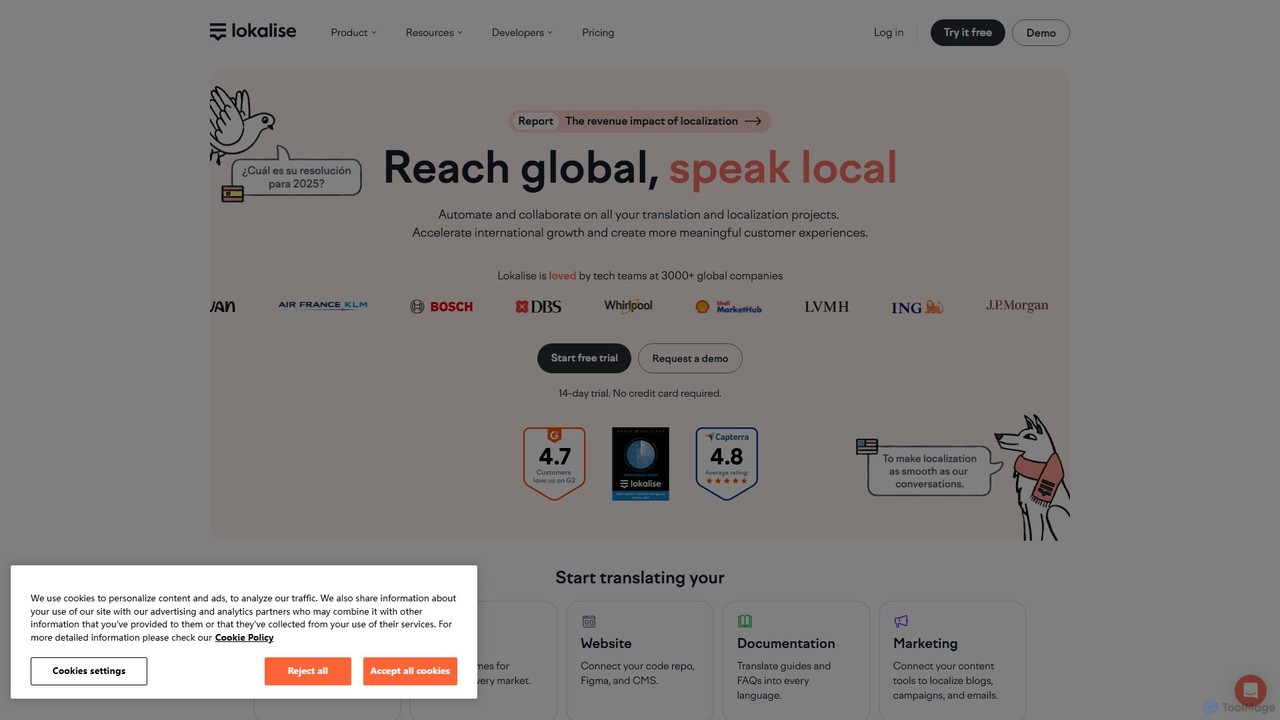
Lokalise is an AI-powered, collaborative localization and translation management platform. It helps teams automate their workflow, from developers and designers to translators, to localize websites, apps, games, and marketing content faster and more consistently for a global audience.
Collaboration
Quetzal
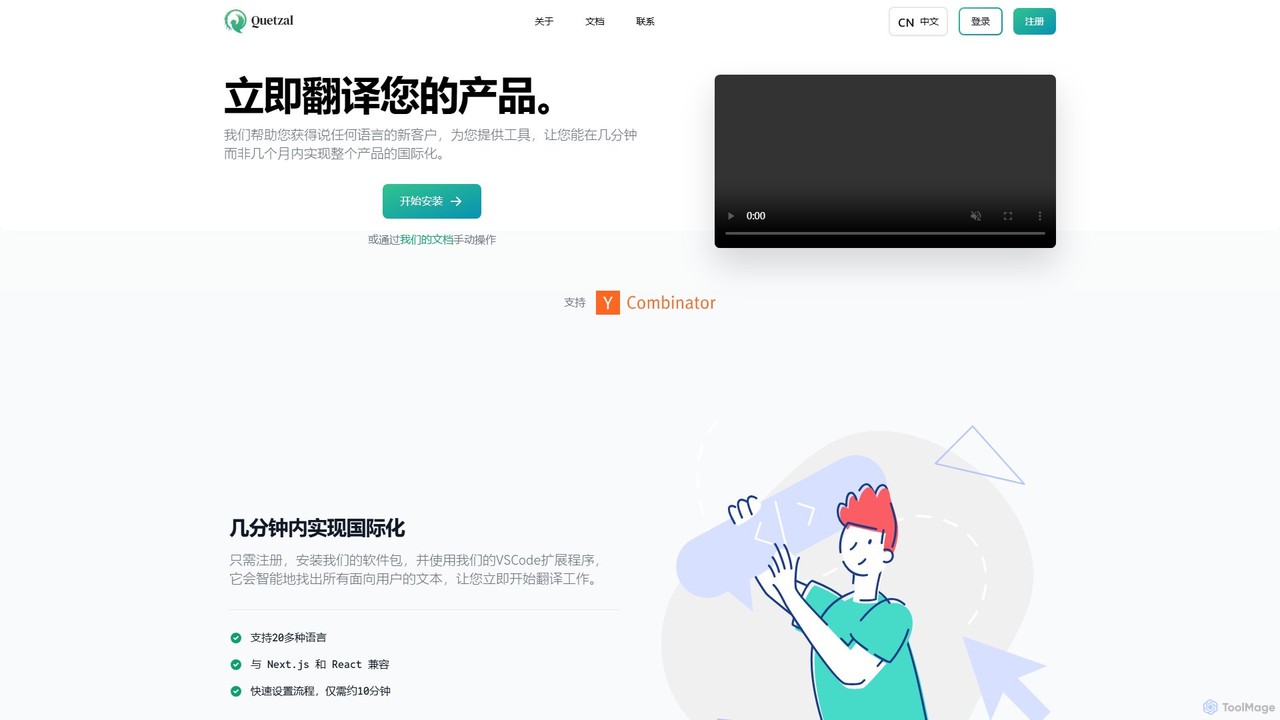
Quetzal is an AI-powered internationalization platform designed for modern web applications. It enables developers to translate their products into over 20 languages in minutes, not months. Through seamless integration with React, Next.js, and a smart VSCode extension, Quetzal automates the detection and translation of text, ensuring contextually accurate results and a streamlined workflow for global expansion.
Localization
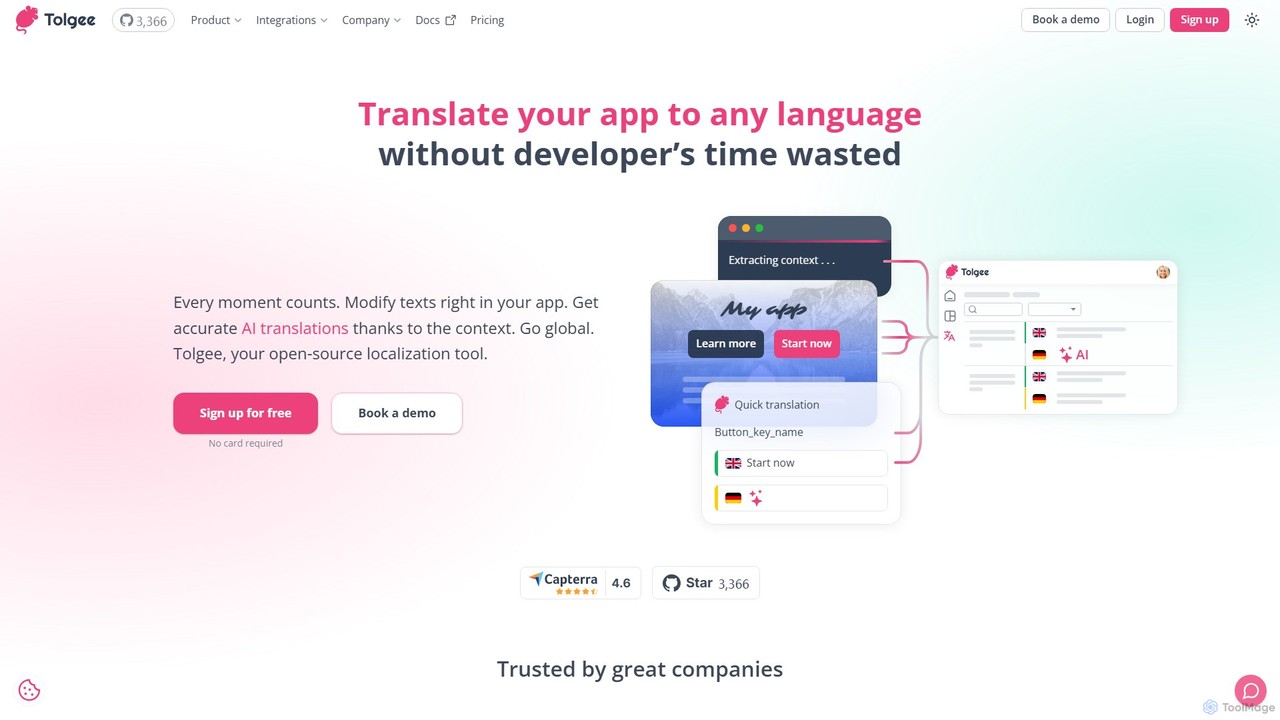
Tolgee
Tolgee is an open-source, AI-powered localization platform designed to streamline the translation process for applications. It features unique in-context editing, allowing developers, translators, and even non-technical users to modify text directly within the app. This provides crucial context for the AI translator, resulting in more accurate and reliable translations, saving significant developer time and accelerating global releases.
Collaboration
Translation Strings
Translation Strings is an AI-powered platform designed for developers to effortlessly manage and automate app localization. Leveraging GPT, it translates strings into multiple languages, allows for context addition to improve accuracy, and integrates seamlessly into development workflows via API and JSON exports. It simplifies the i18n process, saving time and costs compared to traditional methods.
Localization
Locutio
Locutio is an AI-powered platform that enables developers and businesses to make their applications multilingual in minutes. It provides accurate, context-aware translations, streamlining the localization process with a developer-friendly workflow and a collaborative dashboard.
Internationalization
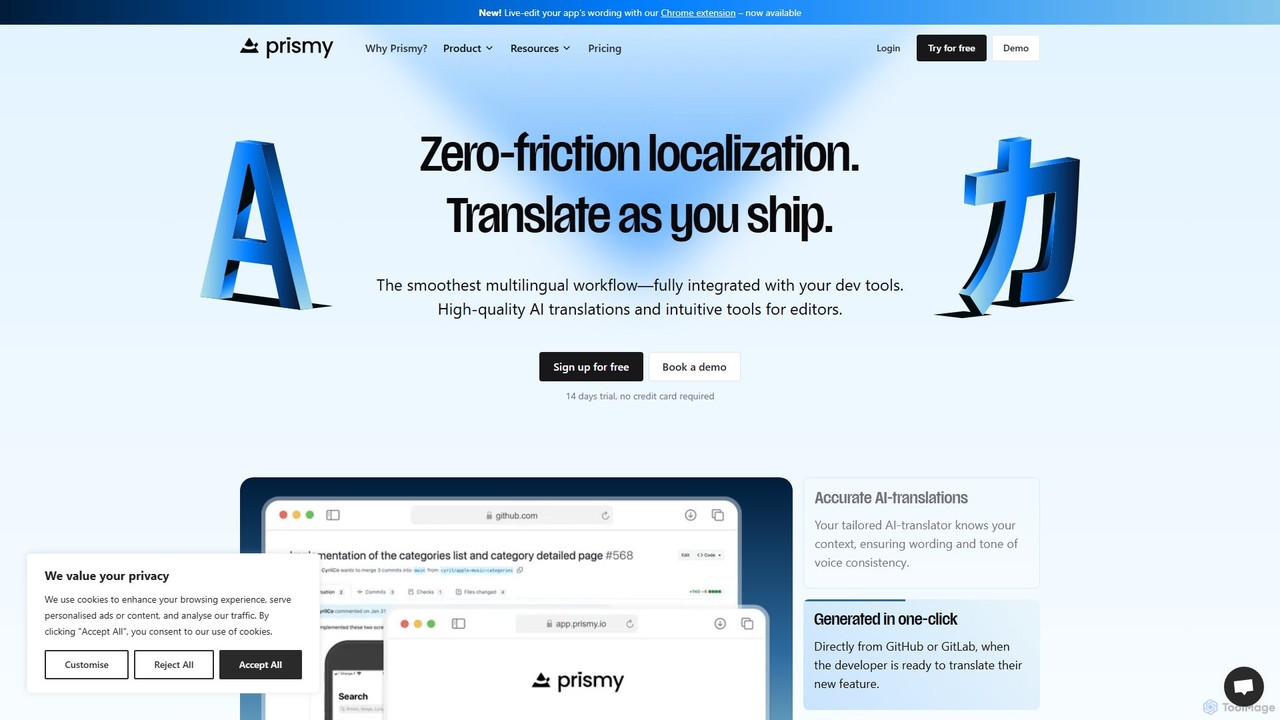
Prismy
Prismy is a modern, AI-powered localization platform designed for fast-shipping software teams. It streamlines the entire translation workflow by integrating directly with your development environment, such as GitHub. Automate string extraction, leverage AI for initial translations, and manage reviews in a collaborative dashboard to release multilingual products faster than ever.
Internationalization
lingo24
Lingo24 is a tech-enabled language services provider offering a powerful blend of AI-powered neural machine translation and expert human linguists. It specializes in helping businesses scale globally through high-quality translation, localization, and content creation services. Its platform integrates seamlessly with existing business workflows, providing a scalable, efficient, and quality-driven solution for multilingual content management.
Localization
TacoTranslate
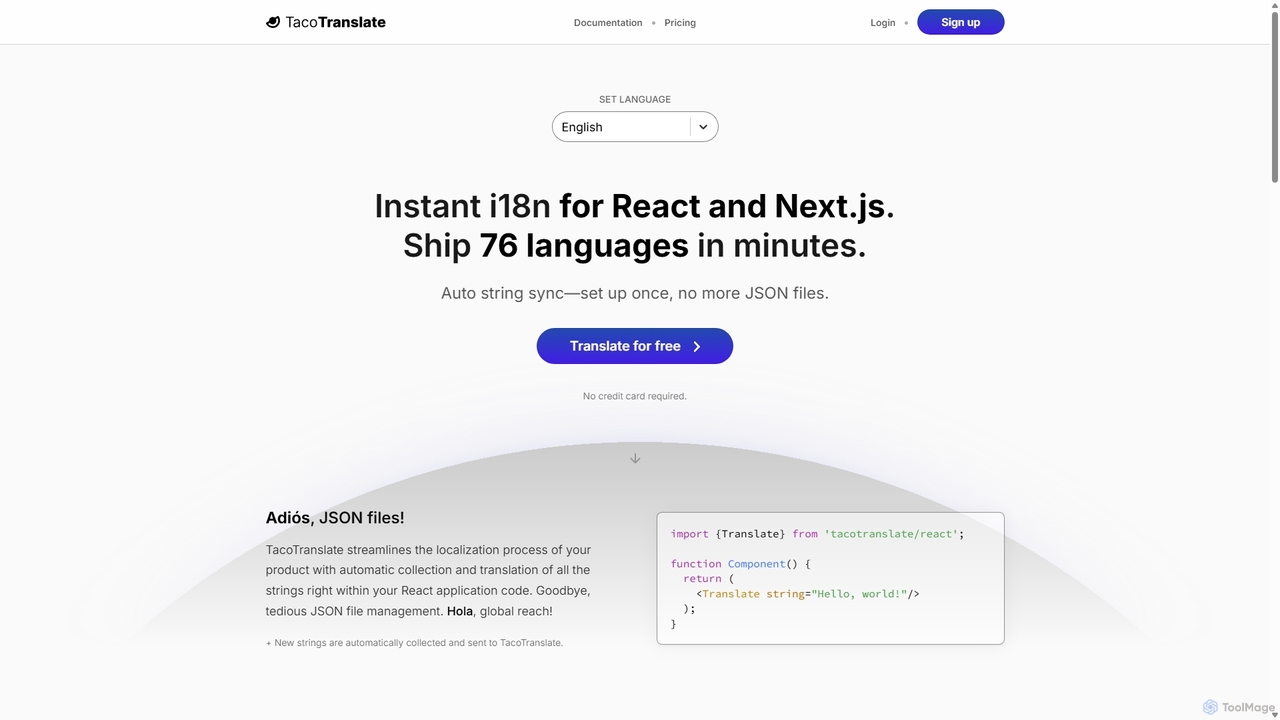
TacoTranslate is an AI-powered internationalization (i18n) tool designed for React and Next.js developers. It automates the entire localization process, from string collection to translation, eliminating the need for manual JSON file management. Ship your application in over 76 languages within minutes, enabling rapid global expansion with a developer-friendly workflow.
Localization
I18n Code
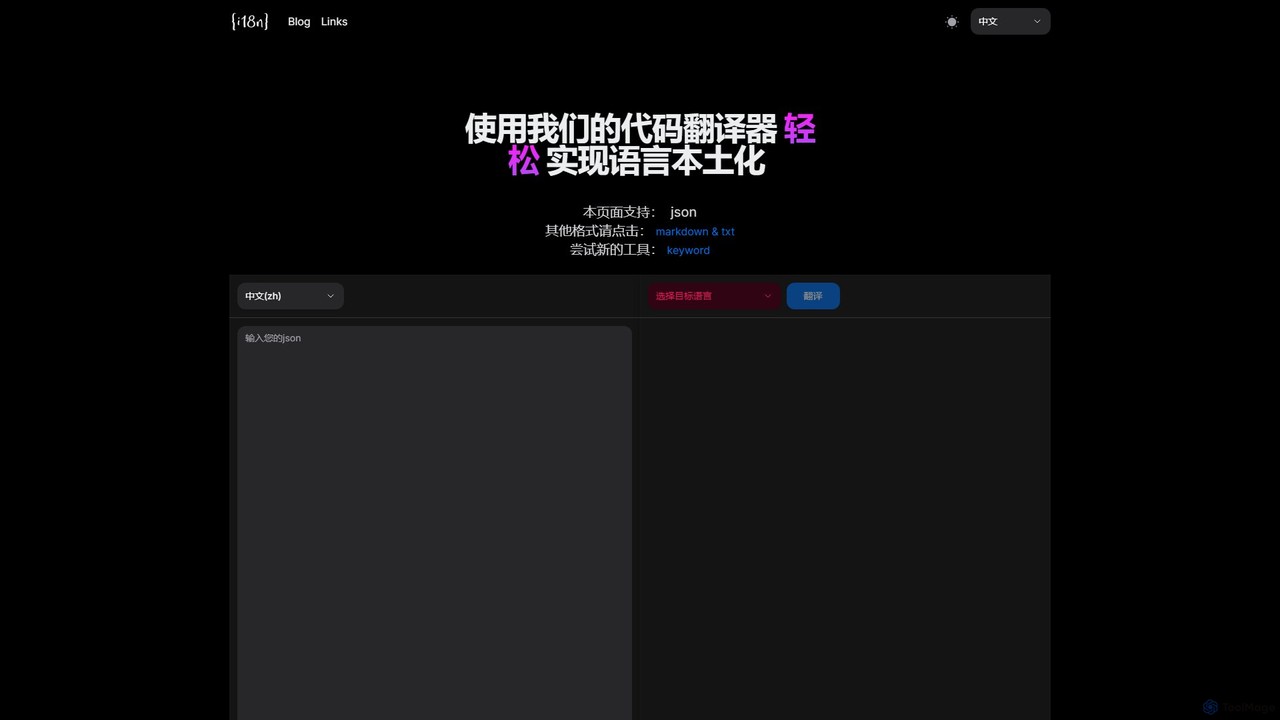
I18n Code is an AI-powered online translator designed for developers and content creators. It specializes in translating code files like JSON and content files like Markdown into multiple languages, streamlining the internationalization (i18n) process. Simply paste your code, select languages, and get accurately localized results instantly, preserving the original file structure.
Translation
I18ncore
I18ncore is an AI-driven Localization-as-a-Service (LaaS) platform designed for developers. It streamlines the internationalization (i18n) process by integrating directly with GitHub, automating translation workflows, and providing AI-assisted translations to help software teams launch multilingual applications faster and more efficiently.
Translation
Globify
Globify is an AI-powered platform designed to streamline and automate the localization of mobile and web applications. It helps developers and product managers easily translate their app's UI and content into multiple languages with cultural and contextual accuracy. By leveraging advanced AI, Globify accelerates the process of reaching a global audience, reducing manual effort and time-to-market.
Internationalization
justi18n
justi18n is a GPT-driven internationalization (i18n) tool that helps developers and product managers quickly translate application resource files. It supports various formats like JSON and Java properties, runs locally in your browser for privacy, and uses your own OpenAI API key for cost control and high-quality, context-aware translations.
Localization
BabelShark
BabelShark is an AI-powered localization service that enables businesses to translate websites and apps into over 200 languages within minutes. It combines advanced AI translation with full user control, allowing for review and customization. Key features include AI-powered proofreading, a glossary for consistent terminology, selective content translation, and visitor language analytics. Designed for rapid global expansion, it offers seamless integration and scalable plans, including a free tier.
Internationalization
Locales.ai
Locales.ai is an AI-driven localization platform that enables fast, accurate, and cost-effective translation of websites, apps, and services into over 30 languages. It simplifies global expansion with a one-click translation process, achieving 99% accuracy without needing a dedicated localization team. The platform offers a user-friendly workflow, advanced context management tools, and seamless integration with various tech frameworks, including a dedicated Shopify app.
Internationalization
I18n Studio
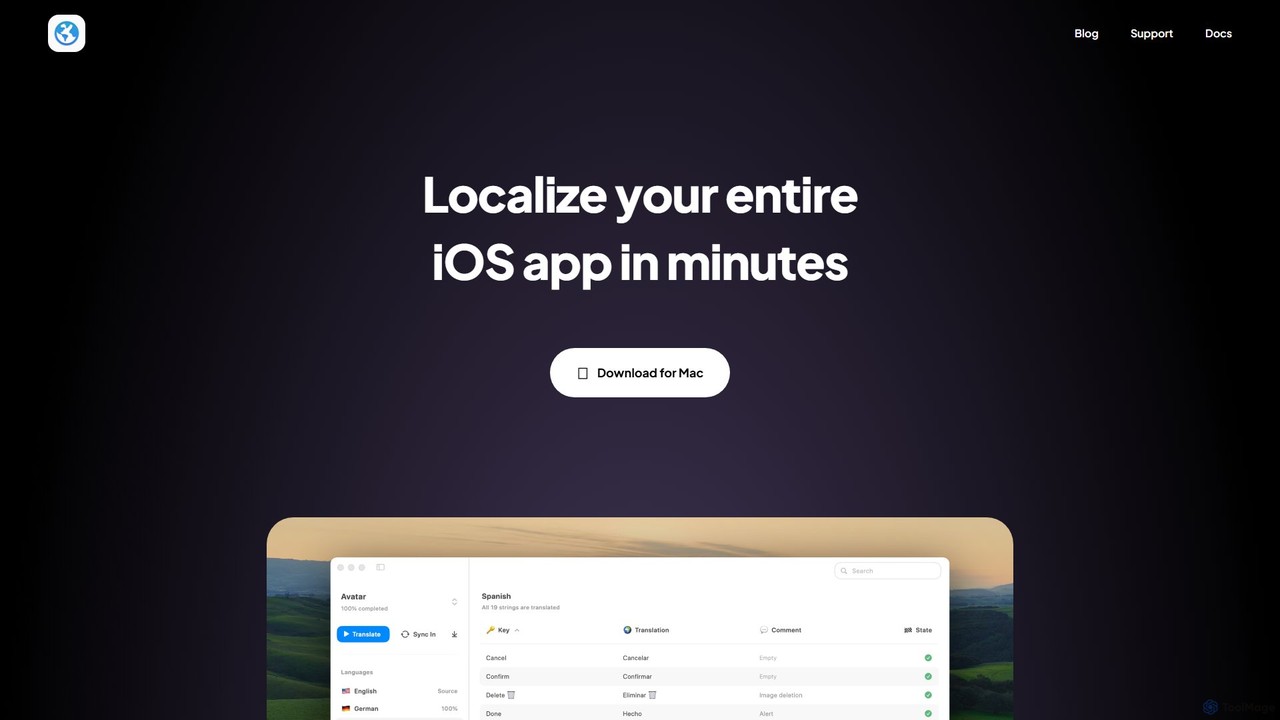
I18n Studio is a GPT-4 powered localization tool for developers on macOS. It streamlines the translation of app resource files (JSON, XML, .strings) for iOS, Android, and web apps, offering context-aware, one-click batch translations and seamless integration with IDEs like Xcode and VSCode.
Internationalization