ToolMage
Sign in

Best 6 Text Generation AI tools for Ai Tools

Popular Text Generation AI tools in Ai Tools include Aismutwriter, goodgrade, WriteApp, AssignmentGPT AI, Markdown Studio, and Locmat, helping you work more efficiently.

Markdown Studio
Free

Markdown Studio

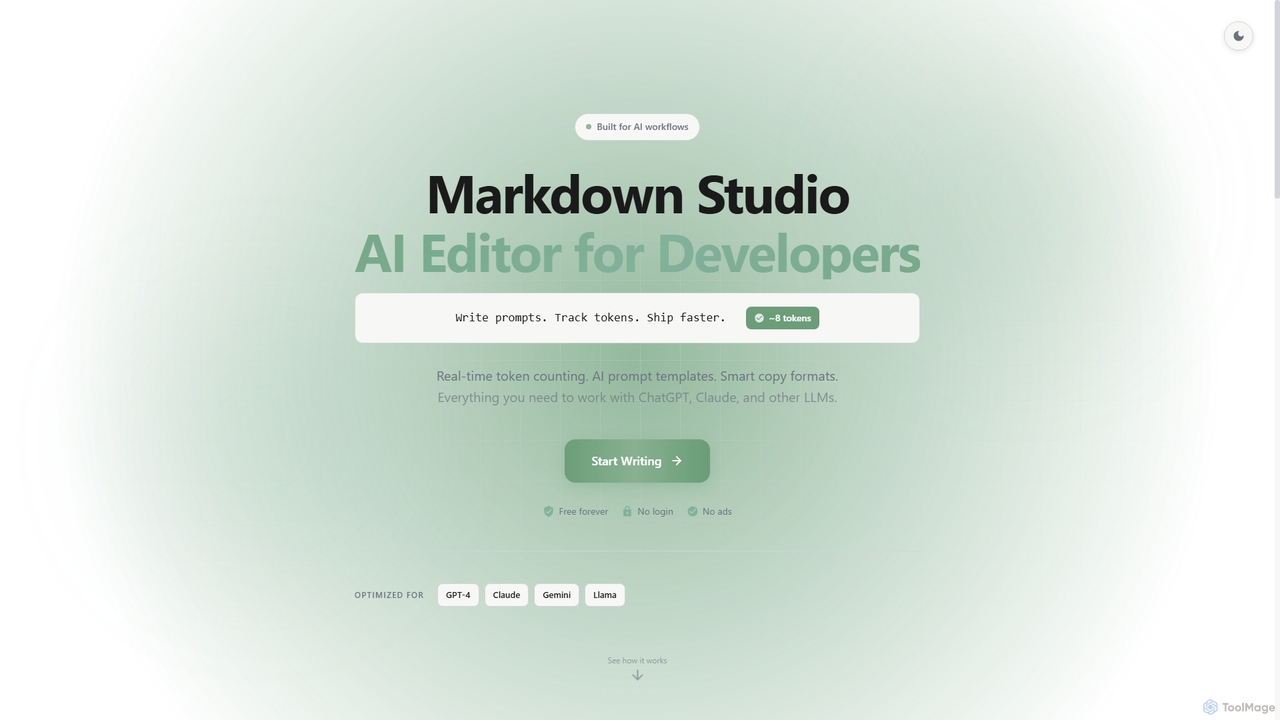
Markdown Studio is a free, AI-powered Markdown editor designed for developers and prompt engineers. It streamlines AI workflows with features like real-time token counting for LLMs (GPT-4, Claude, Gemini), AI prompt templates, and smart copy formats, all within a feature-rich, multi-tab editing environment that requires no login.

Text Generation
Visits 4.8KFavorites 111Likes 113
WriteApp
Paid

WriteApp

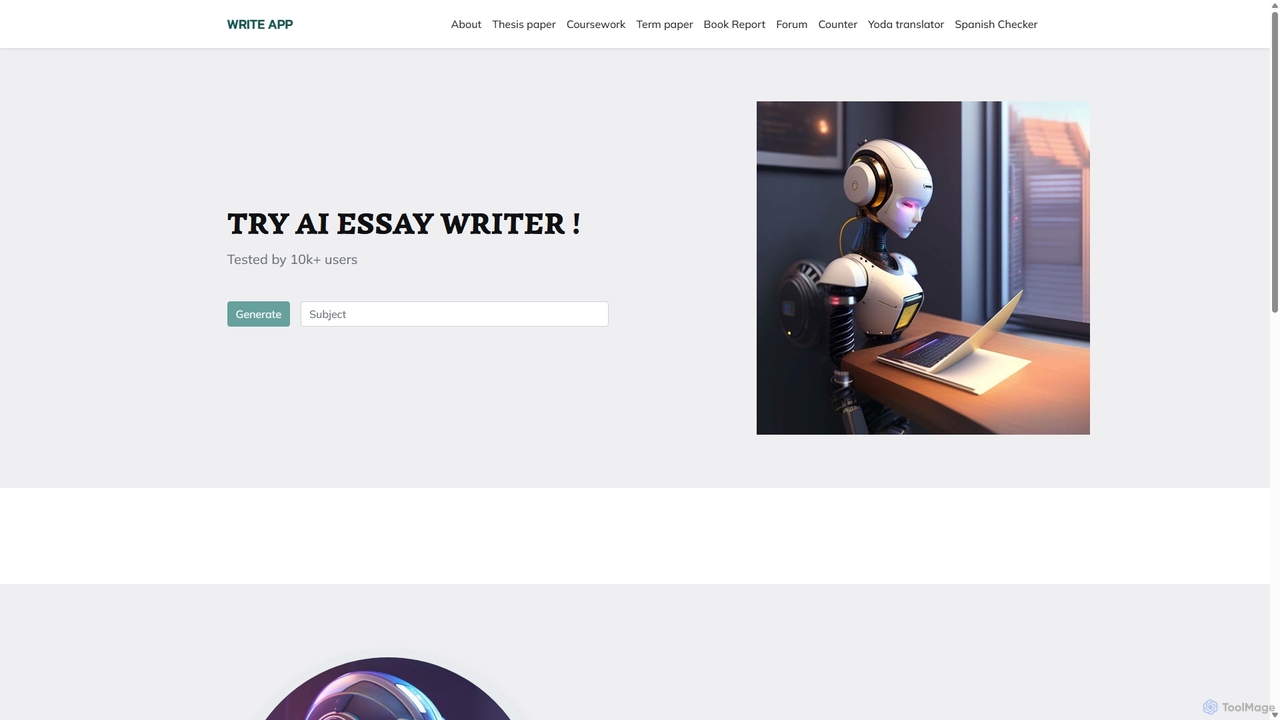
WriteApp is an AI-powered academic writing assistant designed for students and researchers. It generates high-quality, plagiarism-free essays, research papers, theses, and other academic documents based on user prompts, saving time and reducing stress while ensuring proper formatting and structure.

Text Generation
Visits 6.4KFavorites 129Likes 132
Aismutwriter
Freemium

Aismutwriter

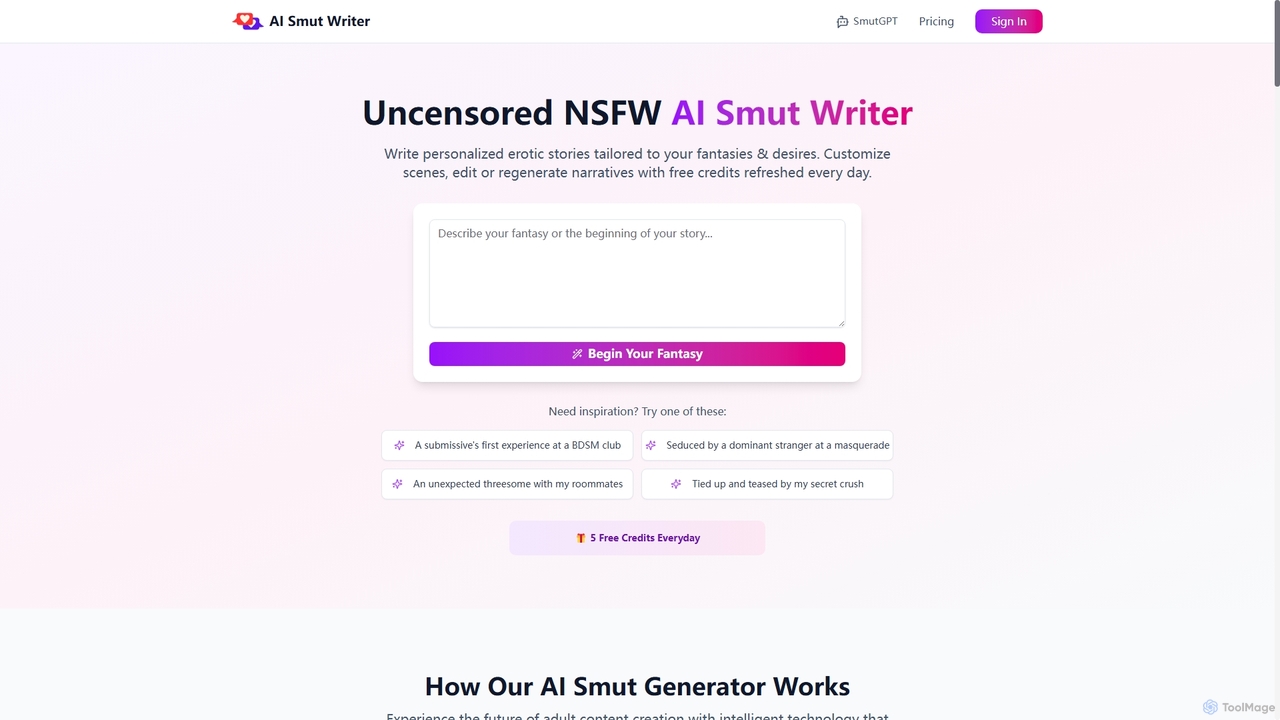
Aismutwriter is an uncensored AI-powered platform for creating personalized erotic stories. It allows users to define scenes, characters, and specific desires, then interactively guide the narrative. The tool focuses on complete creative freedom, privacy, and offers daily free credits for users to explore their fantasies without restriction.

Text Generation
Visits 2.8MFavorites 128Likes 141
AssignmentGPT AI
Freemium

AssignmentGPT AI

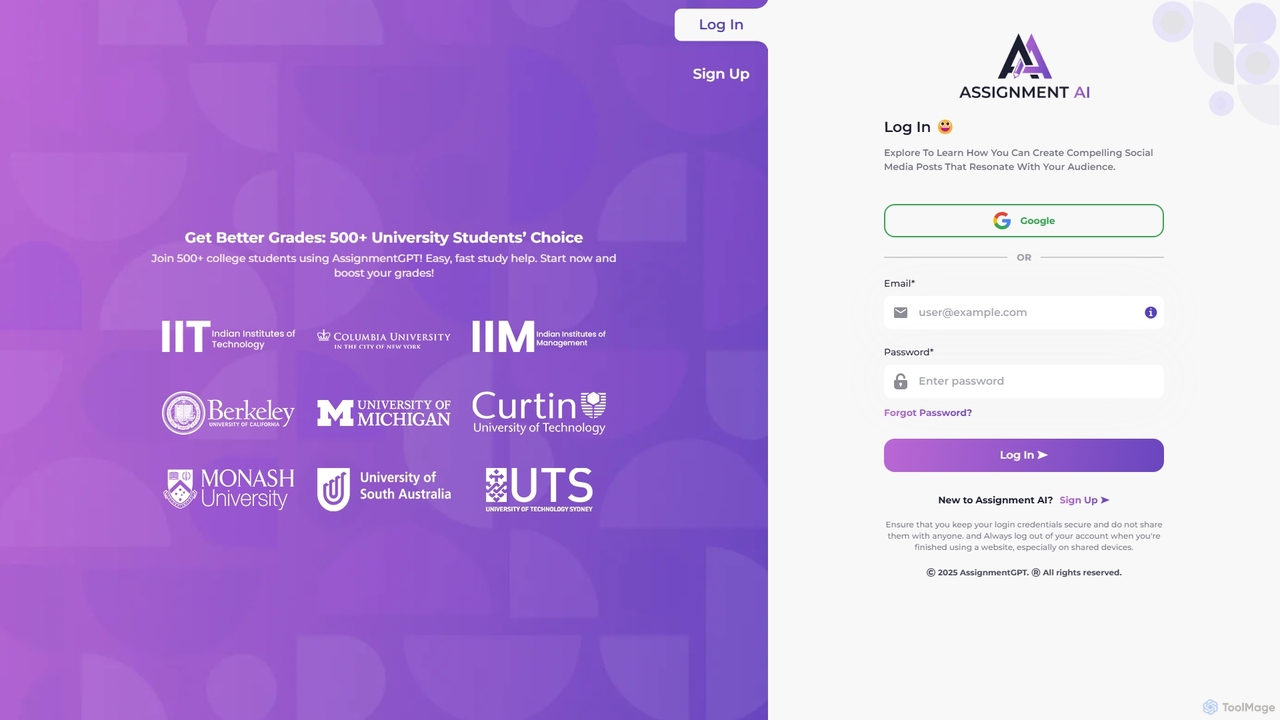
AssignmentGPT AI is an AI-powered academic assistant designed for university students. It offers tools for essay writing, research, problem-solving, and grammar checking to help students streamline their study process, overcome writer's block, and achieve better grades. It serves as a 24/7 study partner for various academic tasks.

Text Generation
Visits 5KFavorites 143Likes 129
goodgrade
Freemium

goodgrade

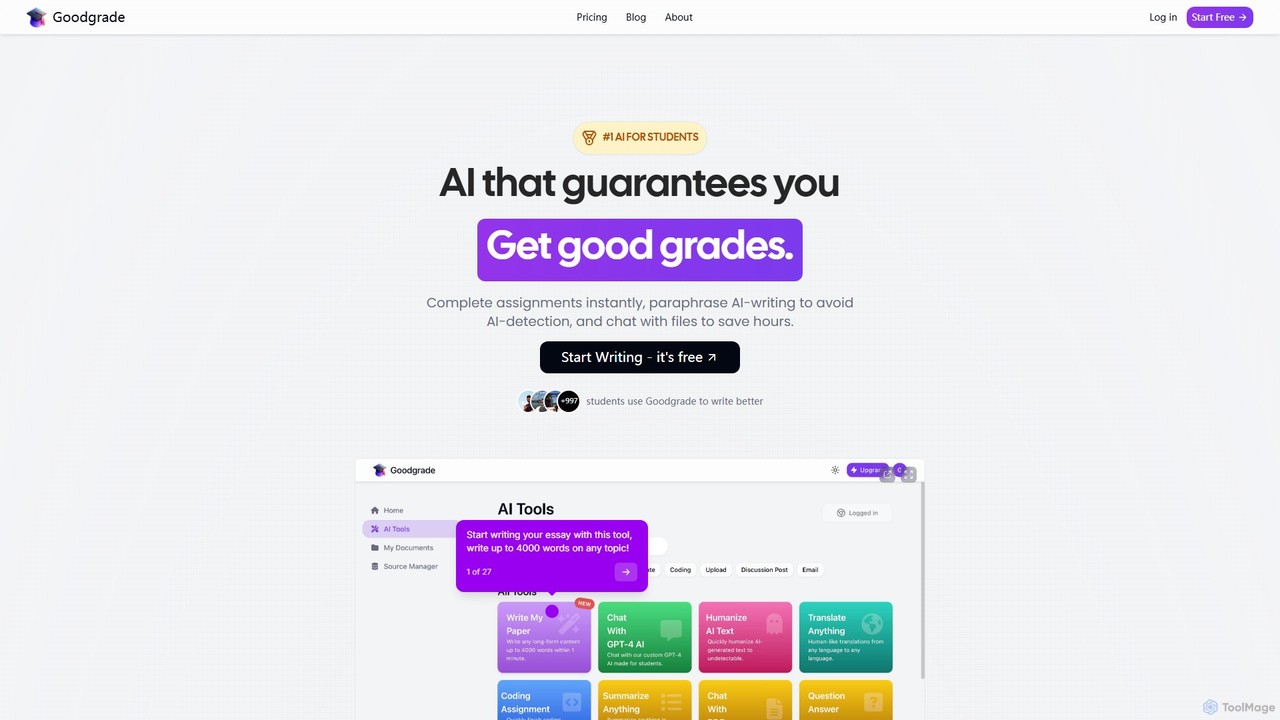
goodgrade is an AI-powered academic assistant designed for students. It helps write essays and assignments instantly, humanizes AI-generated text to bypass detection tools like Turnitin, and allows users to chat with uploaded files for research and summarization. It also features automated citation generation and contextual writing suggestions.

Text Generation
Visits 10.8KFavorites 128Likes 141
Locmat
Freemium

Locmat

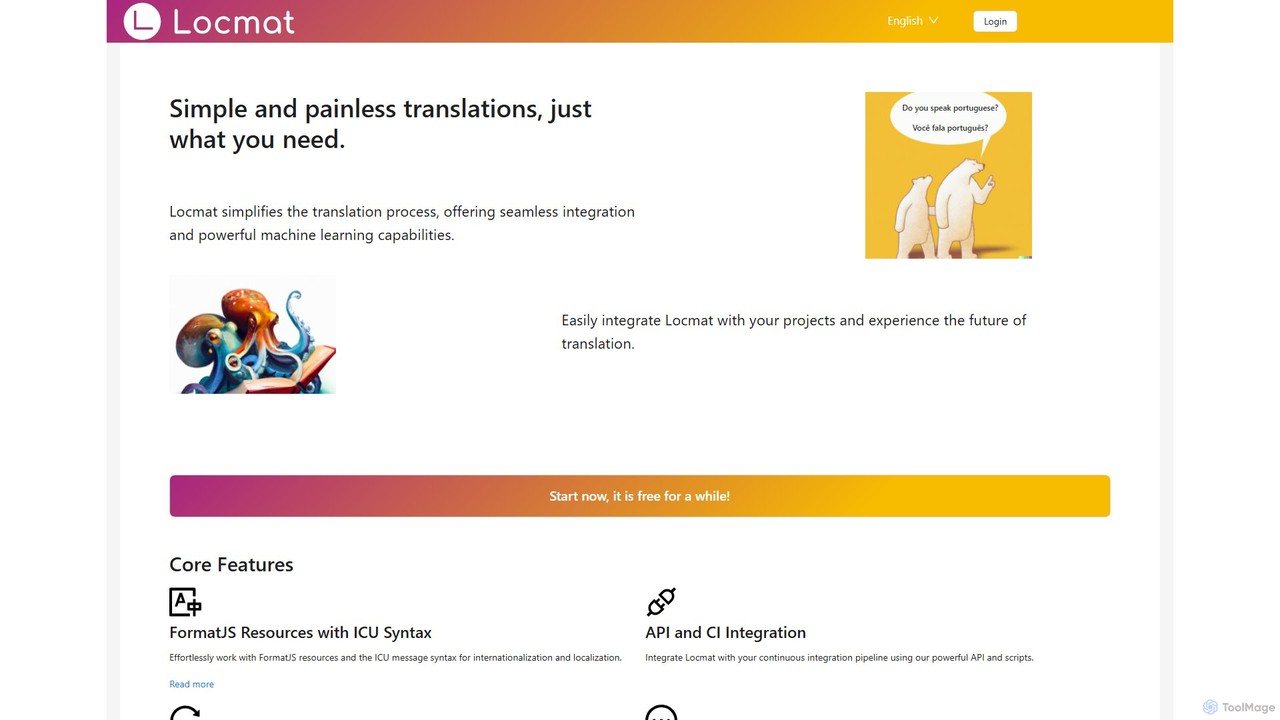
Locmat is an AI-powered Translation Management System (TMS) designed for developers. It simplifies the localization process with seamless CI/CD and API integration, automatic machine translation enhanced by ChatGPT, and native support for FormatJS and ICU syntax, making internationalization efficient and painless.

Text Generation
Visits 4.8KFavorites 112Likes 118

About Text Generation

Text Generation tools are a class of AI applications that automatically create human-like written content from user prompts. These tools leverage Large Language Models (LLMs) to understand context, style, and intent, enabling them to produce diverse outputs from articles and emails to code and creative stories. They are widely used to accelerate content creation, brainstorm ideas, and automate communication tasks. Many advanced text generators also offer features like tone adjustment, multi-language support, and specific content format templates.

Core Features

  • Prompt-based Content Creation: Generates original text based on user-provided instructions, keywords, or outlines.
  • Style and Tone Control: Allows users to adjust the output's writing style (e.g., formal, casual, technical) and emotional tone (e.g., witty, professional, empathetic).
  • Multi-format Output: Produces a wide variety of content types, including blog posts, social media updates, marketing copy, emails, and reports.
  • Content Refinement: Offers capabilities to summarize long documents, expand on brief ideas, or rephrase existing text for clarity or a different audience.
  • Multi-language Support: Capable of generating and translating content across numerous languages.

Applicable Scenarios

These tools are essential for digital marketers creating ad copy and social media campaigns, content creators drafting articles and scripts, and developers generating code snippets and documentation. Businesses also utilize them to automate customer service responses, compose professional emails, and streamline internal communications.

Selection Criteria

When selecting a Text Generation tool, evaluate the quality and coherence of the generated text, the range of available templates and formats, and its integration capabilities with other platforms like CMS or marketing automation tools. Also, consider the pricing model (e.g., per word, subscription), the level of customization offered, and the tool's ease of use.

Text Generation use cases

1

Automating Social Media Content Calendars

A social media manager handling multiple client accounts needs to create daily posts across different platforms. Using a text generation tool, they input a core topic, such as 'key features of our new software update,' and specify the platform (e.g., LinkedIn, Twitter). The AI generates several post variations tailored to each platform's character limits and audience tone, complete with relevant hashtags and calls-to-action. This process can reduce content drafting time by over 70%, enabling the manager to focus on strategy and community engagement rather than repetitive writing tasks.

2

Drafting Long-form Blog Posts and Articles

A content writer is tasked with producing a 1,500-word article on a complex subject. They use a text generation tool to overcome writer's block and accelerate the process. First, they generate a comprehensive outline by providing the main topic. Then, for each section, they input key points and ask the AI to expand them into detailed paragraphs. The writer then edits, fact-checks, and adds their unique insights to the AI-generated draft. This collaborative approach transforms a multi-day task into a single day's work, significantly boosting content production volume.

3

Composing Professional Emails and Reports

A project manager needs to draft a weekly progress report for stakeholders. Instead of writing from scratch, they input key updates as bullet points: 'Task A completed,' 'Budget is on track,' 'Risk X identified.' The text generation tool transforms these points into a well-structured, professional email with a formal tone. It can also be used to quickly draft responses to client inquiries or create internal announcements, ensuring consistent and grammatically correct communication across the organization while saving valuable time.

4

Generating Creative Story Ideas and Scripts

A screenwriter is experiencing a creative block while developing a new TV series. They use a text generation tool as a brainstorming partner. By inputting a character profile ('a cynical detective') and a premise ('investigates a crime in a virtual reality world'), the AI generates multiple plot twists, dialogue snippets, and scene descriptions. While not a final script, these outputs provide fresh perspectives and unexpected ideas, helping the writer break through the block and explore new narrative directions for their story.

5

Generating Code Snippets and Documentation

A software developer needs to write a function to parse a CSV file in Python. Instead of searching through documentation or forums, they describe the task in natural language to a text generation tool: 'Write a Python function that reads a CSV file and returns a list of dictionaries.' The tool generates a ready-to-use code snippet, often including comments explaining each step and proper error handling. This significantly speeds up development by automating boilerplate code, allowing developers to focus on more complex logic.

6

Paraphrasing and Summarizing Research Materials

An academic researcher is writing a literature review and needs to synthesize information from dozens of dense scientific papers. They use a text generation tool to quickly summarize the abstract and key findings of each paper. They also use its paraphrasing feature to rephrase complex sentences into more understandable language for their draft, ensuring they avoid plagiarism while correctly citing the original source. This application acts as a research assistant, helping to process large volumes of information efficiently and identify the most relevant points for their study.

Text Generation FAQ

What is AI Text Generation?

AI Text Generation refers to the use of artificial intelligence, particularly Large Language Models (LLMs), to create new, human-like written content. Based on a user's prompt or instruction, these tools can produce a wide range of text, from emails and articles to poetry and computer code. Their primary function is to automate and assist in the writing process, acting as a tool to accelerate content creation, brainstorm ideas, and overcome writer's block.

How do I choose the right AI text generation tool?

To choose the right tool, consider these key factors:

  • Output Quality: Test the tool to see if it produces coherent, accurate, and contextually relevant text that matches your desired tone.
  • Features and Templates: Ensure it offers the specific formats you need (e.g., blog posts, ad copy, code) and features like tone control or plagiarism checkers.
  • Ease of Use: The interface should be intuitive. A good tool makes it easy to provide prompts, refine outputs, and organize your work.
  • Pricing Model: Compare subscription plans, credit systems, or pay-per-use models to find one that aligns with your budget and expected usage volume.
What's the difference between Text Generation and AI Writing Assistants?

While the terms are often used interchangeably, there's a key distinction. Text Generation tools excel at creating entirely new content from a simple prompt (e.g., writing a full article from just a title). AI Writing Assistants, on the other hand, primarily focus on improving and refining existing text written by a human (e.g., grammar checking, style suggestions, rephrasing). Many modern tools combine both capabilities, but the core difference lies in whether the primary function is creation from scratch or enhancement of existing work.

How do AI text generators work?

Most modern AI text generators are powered by Large Language Models (LLMs). These models are trained on vast amounts of text and data from the internet, allowing them to learn patterns, grammar, context, and different styles of writing. When you provide a prompt, the AI uses this training to predict the most likely sequence of words to follow. It generates text word by word, constantly recalculating probabilities to create sentences and paragraphs that are coherent and relevant to your request.

Are there limitations to AI-generated text?

Yes, there are important limitations. AI-generated text can sometimes be factually incorrect, contain biases from its training data, or lack genuine creativity and emotional depth. It may also produce text that is generic or repetitive. Therefore, it is crucial to always fact-check critical information and use the generated content as a first draft or an assistant. Human oversight, editing, and critical thinking remain essential for producing high-quality, reliable, and original work.