ToolMage
Sign in

Best 3 Translation AI tools for Ai Tools

Popular Translation AI tools in Ai Tools include StoreMeta, I18n Code, and I18ncore, helping you work more efficiently.

StoreMeta
Freemium

StoreMeta

An AI-powered platform designed to streamline App Store management. It automates metadata creation, translation across 38 languages, AI-driven review responses, and global price optimization, all from a single, unified dashboard.

Translation
Visits 5.4KFavorites 113Likes 114
I18n Code
Free

I18n Code

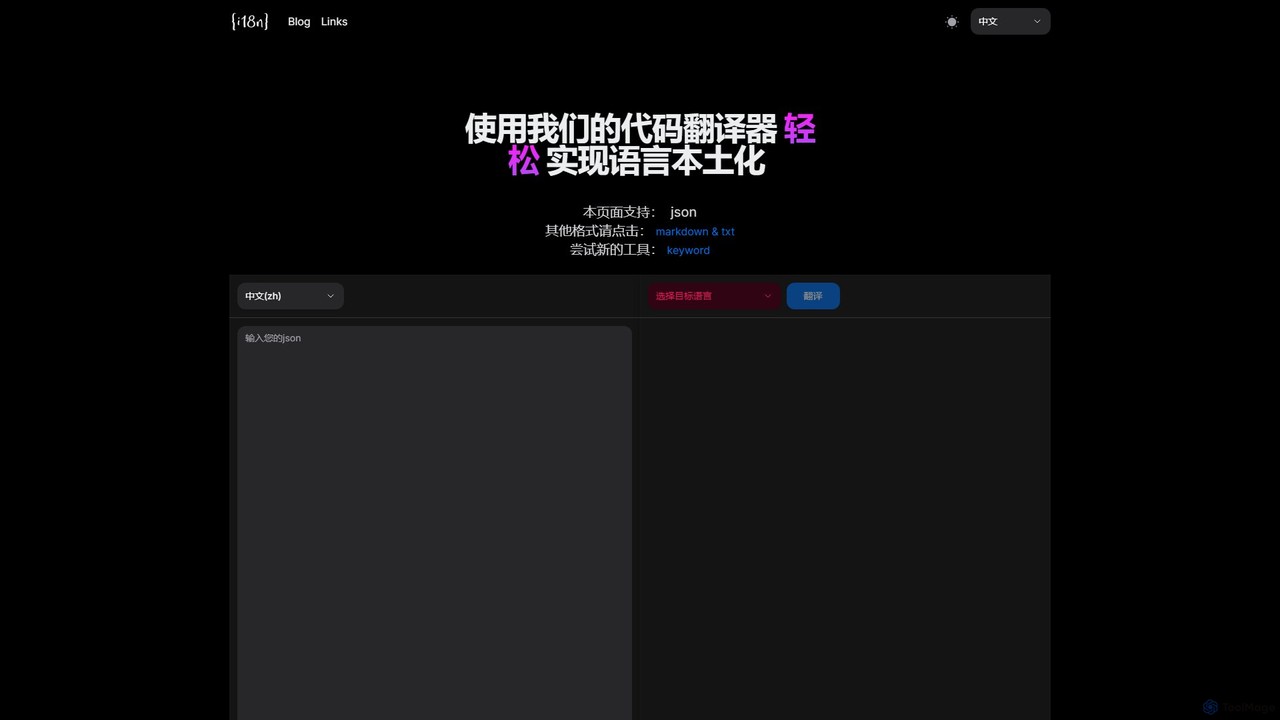
I18n Code is an AI-powered online translator designed for developers and content creators. It specializes in translating code files like JSON and content files like Markdown into multiple languages, streamlining the internationalization (i18n) process. Simply paste your code, select languages, and get accurately localized results instantly, preserving the original file structure.

Translation
Visits 5.3KFavorites 120Likes 123
I18ncore
Paid

I18ncore

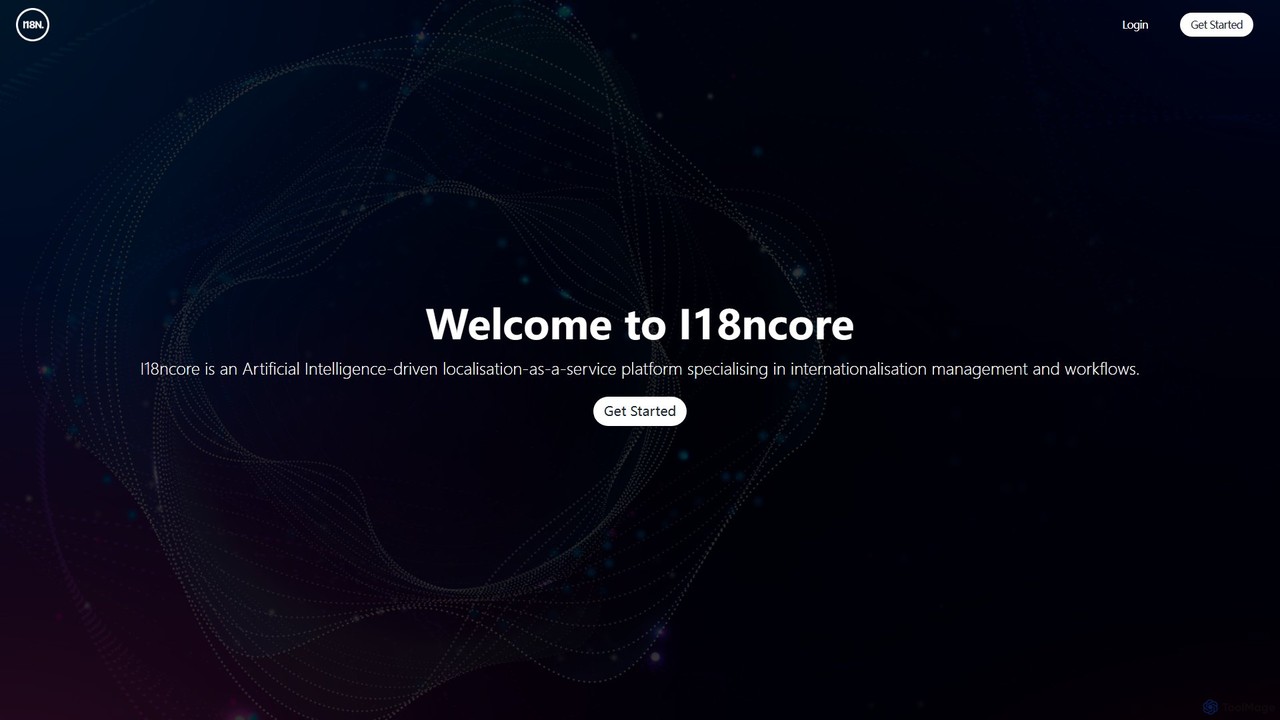
I18ncore is an AI-driven Localization-as-a-Service (LaaS) platform designed for developers. It streamlines the internationalization (i18n) process by integrating directly with GitHub, automating translation workflows, and providing AI-assisted translations to help software teams launch multilingual applications faster and more efficiently.

Translation
Visits 5.3KFavorites 121Likes 153

About Translation

AI Translation tools are a category of AI tools that automatically convert text or speech from one language to another. They leverage advanced natural language processing (NLP) and machine learning models to understand context, grammar, and nuances, enabling seamless communication across linguistic barriers. These tools enhance global collaboration and content accessibility, offering speed and accuracy far beyond traditional methods for tasks from real-time conversations to large document localization.

Core Features

  • Text Translation: Converts written text between various languages and formats, maintaining meaning and style.
  • Speech Translation: Transcribes spoken language and translates it in real-time or from audio and video files.
  • Contextual Understanding: Analyzes surrounding text and domain-specific information for more accurate, context-aware translations.
  • Glossary & Terminology Management: Allows users to define and manage specific terms for consistent translation within specialized fields.
  • Neural Machine Translation (NMT): Utilizes deep learning to produce highly fluent, natural-sounding, and human-like translations.

Use Cases

AI translation tools are indispensable for global businesses, content creators, and individuals needing to bridge language gaps. They are used for localizing websites and software, translating international business correspondence, generating multilingual marketing materials, and facilitating real-time interpretation in cross-cultural meetings.

How to Choose

When selecting an AI translation tool, prioritize accuracy and fluency for your specific language pairs and domains. Consider the breadth of supported languages, integration capabilities with existing workflows (APIs, plugins), and customization options like glossary support. Data security and privacy features are also crucial, especially for sensitive information.

Translation use cases

1

Streamline International Business Correspondence

An international sales manager uses an AI translation tool to quickly translate emails, reports, and presentations between English and Japanese. This ensures clear communication with overseas clients and partners, reducing misunderstandings and accelerating deal closures, saving hours daily on manual translation and improving response times.

2

Localize Websites and Applications for Global Markets

A marketing team for an e-commerce platform employs AI translation to localize their website content, product descriptions, and mobile app interface into Spanish, French, and German. This allows them to rapidly enter new markets, providing a native user experience and significantly boosting international sales conversions by reaching a wider audience.

3

Generate Multilingual Marketing and Educational Content

A content creator needs to adapt a blog post about AI ethics for audiences in China and Germany. They use an AI translation tool to translate the original English article, then refine the output for cultural nuances. This enables efficient content repurposing, reaching a broader audience without extensive manual translation costs or delays.

4

Facilitate Real-time Multilingual Virtual Meetings

During a virtual conference call involving participants from various countries, an AI translation tool provides real-time speech-to-text and text-to-text translation. This ensures all attendees can follow discussions in their preferred language, fostering inclusive collaboration and eliminating the need for human interpreters in many scenarios, enhancing productivity.

5

Enhance Customer Support with Instant Language Translation

A global customer service team utilizes AI translation to understand and respond to customer inquiries arriving in multiple languages via chat or email. The tool instantly translates incoming messages and agent responses, allowing support staff to efficiently assist a diverse customer base without requiring native fluency in every language, improving satisfaction.

6

Translate Academic Papers and Research Documents

A researcher needs to review numerous scientific articles published in different languages for a literature review. An AI translation tool quickly translates these complex documents, including technical terminology, into their native language. This accelerates the research process, enabling access to a wider pool of global knowledge and saving significant time.

Translation FAQ

What are AI Translation tools?

AI Translation tools are software applications that use artificial intelligence, specifically natural language processing (NLP) and machine learning, to automatically convert text or speech from one language to another. They aim to provide accurate, contextually relevant, and fluent translations, breaking down communication barriers across the globe for various personal and professional needs.

How do I choose the best AI Translation tool?

To choose the best AI translation tool, consider its accuracy and fluency for your specific language pairs and domain. Evaluate the range of supported languages, customization options like glossaries and style guides, and integration capabilities with your existing software. Also, assess data security features and pricing models to ensure it meets your budget and privacy requirements.

How accurate are AI Translation tools compared to human translators?

AI Translation tools offer impressive speed and good general accuracy, especially for common texts and high-resource languages. However, human translators still excel in understanding nuanced cultural contexts, highly specialized jargon, and creative content where subtle meaning is crucial. AI tools are excellent for initial drafts or high-volume tasks, while human translators are preferred for critical, sensitive, or highly creative projects.

What types of translation can AI tools perform?

AI translation tools can perform various types of translation, including text translation for documents, websites, and emails; speech translation for real-time conversations, audio files, and video captions; and even image translation, where text embedded in images is identified and translated. Some advanced tools also offer localization features for software and apps.

What's the difference between AI Translation and traditional machine translation?

Traditional machine translation (like rule-based or statistical methods) relies on pre-defined linguistic rules or statistical models, often resulting in less fluent, word-for-word translations. AI Translation, primarily using Neural Machine Translation (NMT), leverages deep learning to understand the entire sentence context and generate more natural, human-like, and contextually appropriate translations, continuously learning and improving from vast sets of data.